Turquoise dwarf gecko
The turquoise dwarf gecko is a small species of lizard native and endemic to Tanzania in east Africa
Species
Reptiles
Habitat
Forest
Diet
Insectivore
Conservation Status
Critically Endangered
Turquoise dwarf gecko
Lygodactylus williamsi
Irish Name: Miongheiceo turcaidghorm
IUCN Status: Critically Endangered
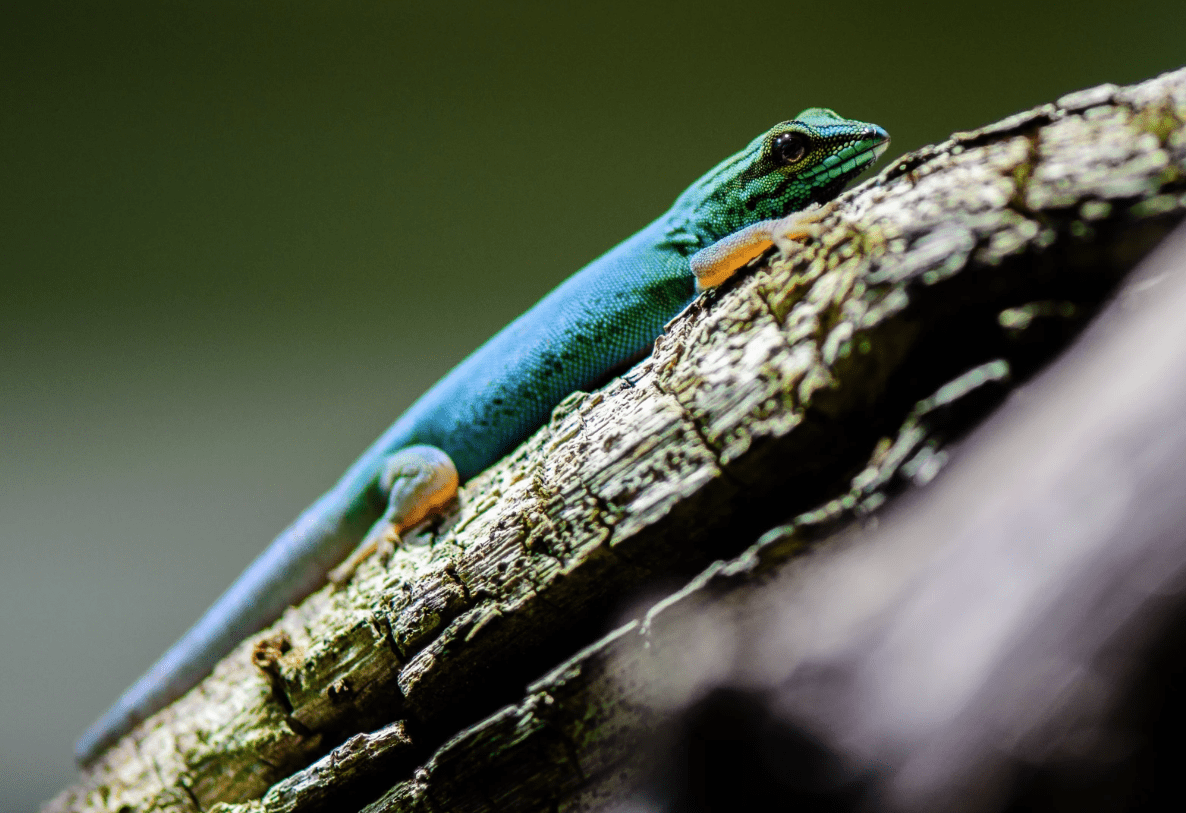
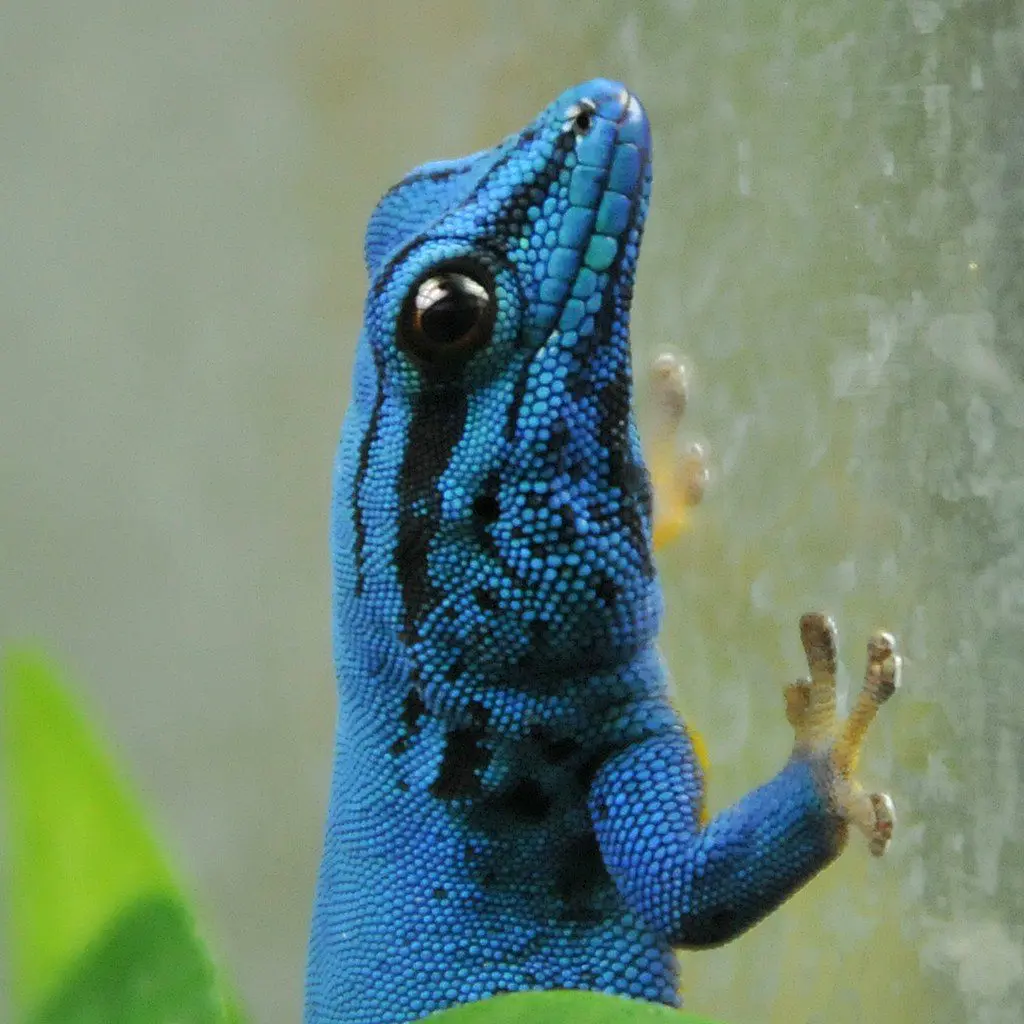
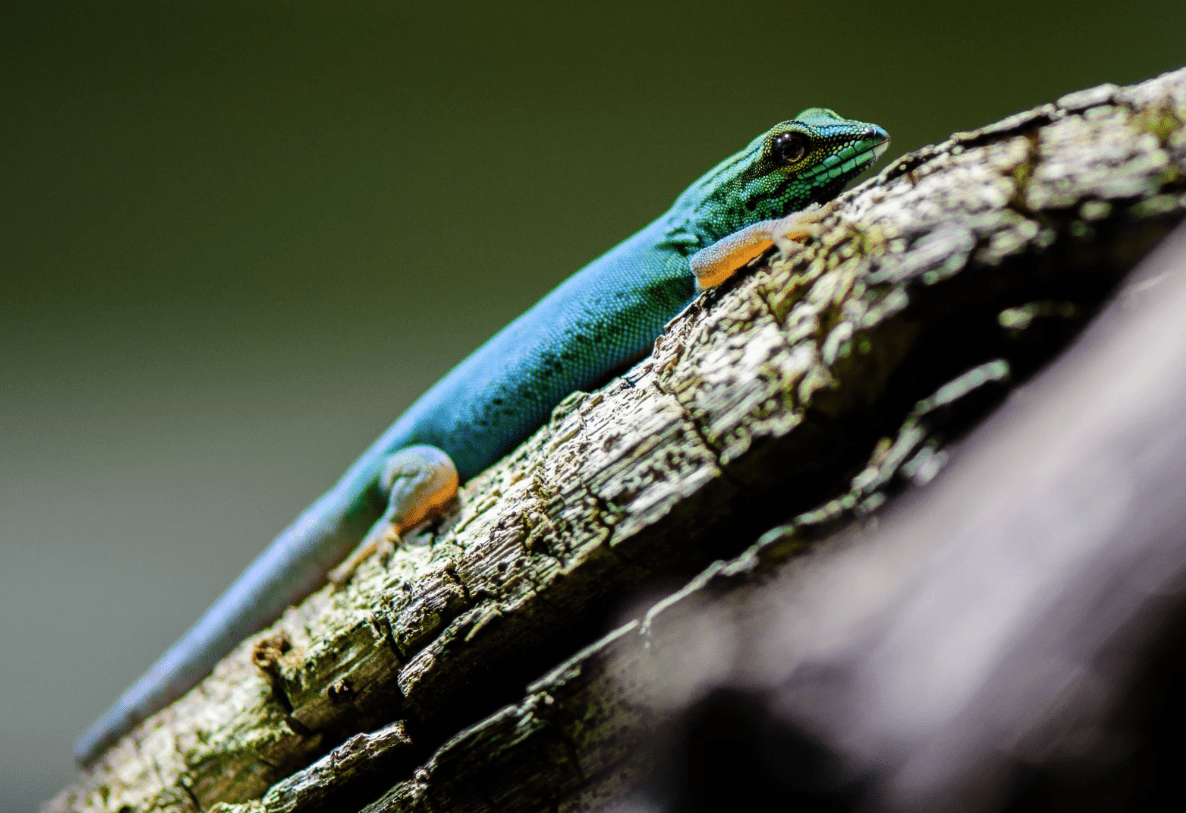
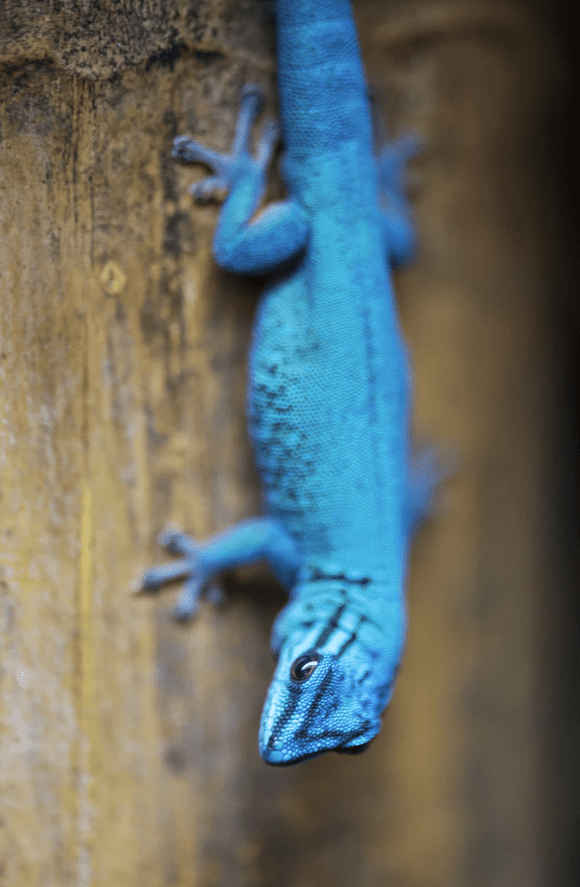
The turquoise dwarf gecko is a small species of lizard native and endemic to Tanzania in east Africa. They grow to approximately 9 centimetres in length, and weigh less than 2 grams. The species exhibits sexual dimorphism, meaning that both sexes look different. Mature males are typically a bright blue with thick black stripes on the underside of the neck. Females and juvenile males, meanwhile, typically range from brown to bright green with no black stripes. Both sexes have a yellow-orange underbelly.
General Information
Zoo location
Zoorassic World
Animal class
Reptilia
Animal order
Squamata
Where do they live (Natural habitat)?
Turquoise dwarf geckos are only found in the Kimboza and Ruvu Reserves in Tanzania, all within an area of 20 square kilometres. They live exclusively on screw palms of the genus Pandanus, typically on the large leaves of these plants.
How long do they live?
The average lifespan of a turquoise dwarf gecko is around 5 years, though they have been known to live for up to 10 years in human care.
What do they eat?
The turquoise dwarf gecko is largely an insectivore, feeding on crickets, cockroaches, and fruit flies. However, it has also been known to feed on the nectar of the screw palms on which it lives.
Group name
While no collective name exists for geckos, the collective name for a group of lizards is a ‘lounge’.
Closest related species / sister species
Turquoise dwarf geckos are most closely related to other lizards in the family Gekkonidae, which is comprised of 950 species of geckos, including the tokay gecko and house gecko.
Fun Facts!
The Turquoise dwarf gecko
Behaviours
Male geckos are quite territorial. Typically only one mature male gecko will live in a single screw palm. He will be accompanied by several females and their offspring, which can sometimes include younger males.
Reproduction and Life Cycle
Prior to mating, males and females will perform a synchronised “dance” that includes head bobbing and tail waggling. The female will lay up to 2 eggs at a time, and up to 20 over the course of the year. The eggs are about the size of a pea, and incubate for between 50 and 90 days.
The average lifespan of a turquoise dwarf gecko is around 5 years, though they have been known to live for up to 10 years in human care.
Adaptations
Like all geckos, turquoise dwarf geckos are capable of sticking to and climbing up almost any vertical surface. This is thanks to microscopic hairs on the ends of their toes called “setae”. When pressed against a surface, the setae then separate into hundreds of even smaller brush-like hairs called “spatulae” which allow the gecko to adhere to whatever surface they’re climbing.
Conservation
Critically Endangered
The turquoise dwarf gecko is listed as ‘Critically Endangered’ by the IUCN Red List of Endangered Species.
Current population estimate
Though the population is estimated to be quite high – possibly over 200,000 individuals in the wild – the limited range of the species combined with declining habitat quality and other threats put it at high risk of extinction.
Threats
The biggest threat to the dwarf gecko is the illegal pet trade. Although it is illegal to keep the species in Europe without a license, traders are still able to get around these laws by purposefully mislabelling the species during transport thanks to its varying appearance. Approximately 15% of the wild population was collected for the pet trade between 2005 and 2009.
Their natural habitats are also under threat from logging and deforestation for mining and banana plantations.
Frequently Asked Questions
The turquoise dwarf gecko is endemic to Tanzania in east Africa. They live exclusively on screw palms of the genus Pandanus, all within a 20 square kilometre area.
Endemic means a species lives only in a very specific place. Endemic species are often at higher risk of going extinct due to how isolated they typically are.
The average lifespan for a wild turquoise dwarf gecko is around 5 years, though they’ve been known to live for up to 10 years in human care.
No, turquoise dwarf geckos are very small lizards. Fully grown adults are typically around 9 centimetres long and weigh less than 2 grams.
Dublin Zoo is also home to the Madagascar giant day gecko.
Sexual dimorphism is when the two sexes of a species look quite different. For example, male turquoise dwarf geckos are bright blue, black and orange, while females are usually brown or green and yellow.