Visitors
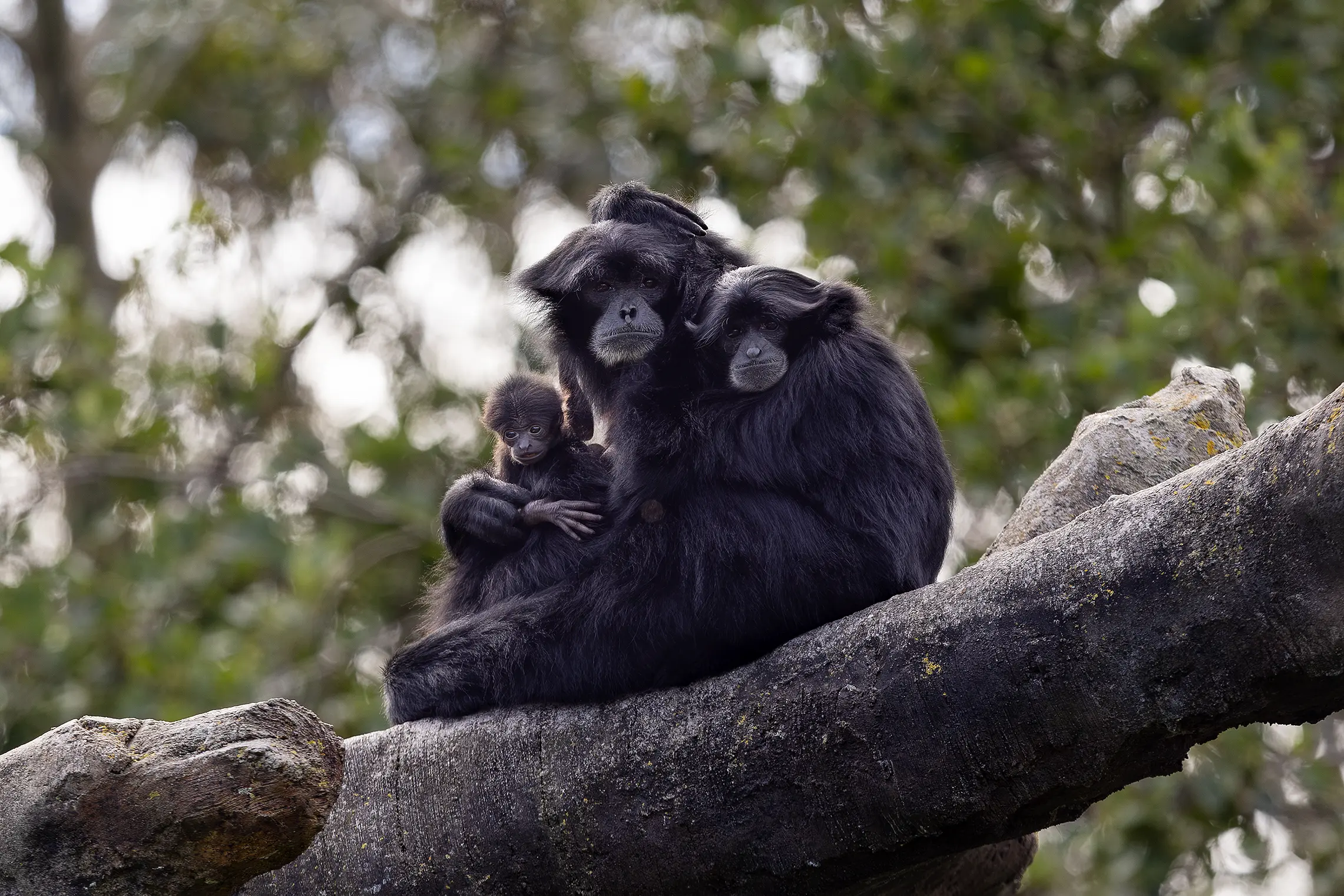
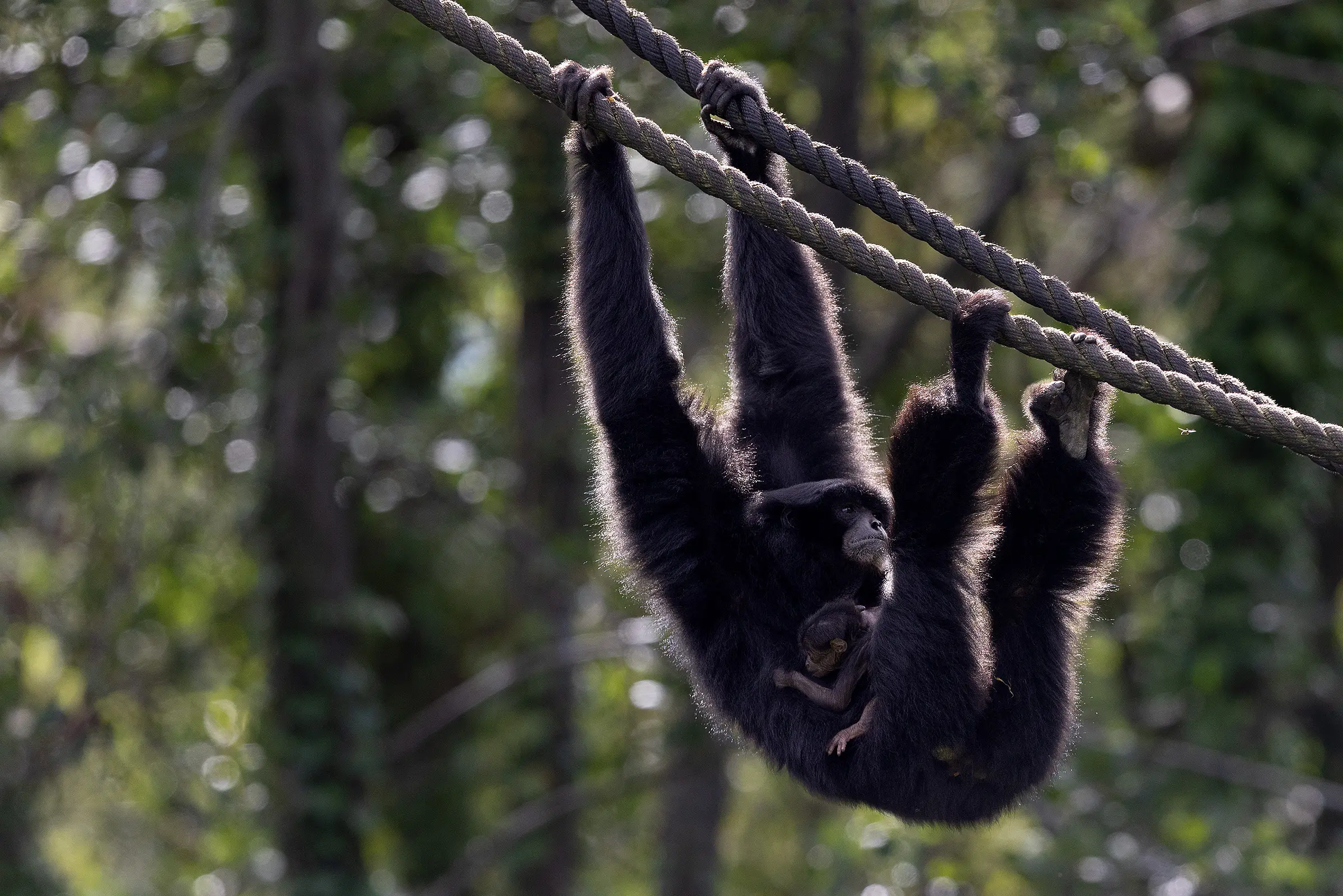
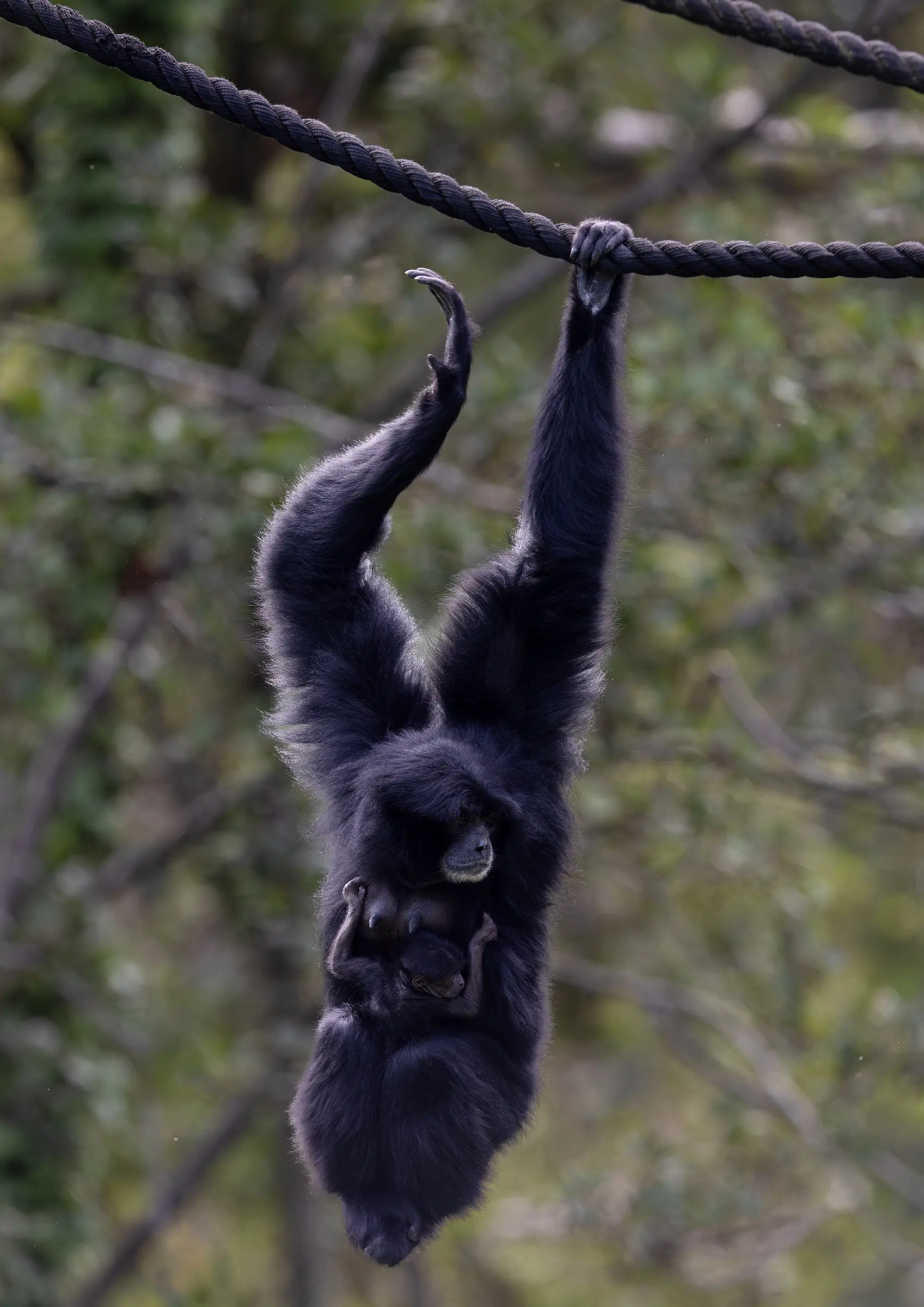
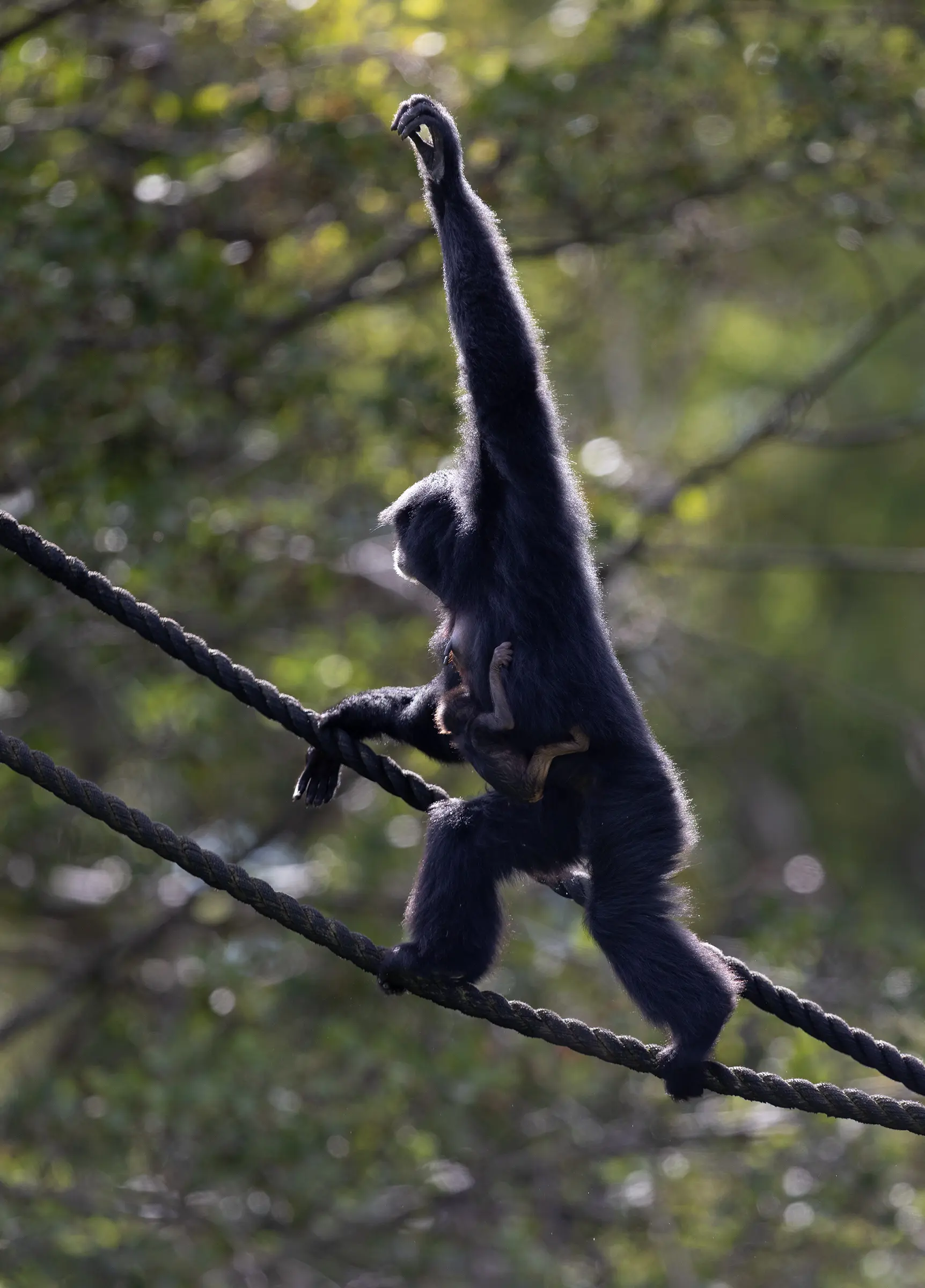
Dublin Zoo is delighted to announce the birth of a siamang gibbon on Sunday 30th August 2026. The new arrival joins mother Cahaya and father Luca along with 2-year-old brother Sanuk and has been observed healthily suckling Cahaya.
Sixteen-year-old Cahaya arrived at Dublin Zoo in 2014 and was joined by twenty-five-year-old Luca in 2018. The pair have a strong connection and welcomed Sanuk on 2nd December 2023. Cahaya and Luca are great parents to Sanuk and their new baby.
Both Cahaya and Luca are genetically important to the European Endangered Species programme for the siamang gibbon and this birth is an important milestone for Dublin Zoo’s conservation efforts and for the species as a whole.
Siamang gibbons are also known as ‘lesser apes’ due to their petite size. They are native to mountain and lowland forests on the island of Sumatra, in Malaysia, and small parts of Thailand. Siamang gibbons are classified as Endangered by the International Union for Conservation of Nature.
Dublin Zoo’s animal care team are hoping to confirm the baby’s gender in the coming weeks and will be “gibbon” visitors a chance to name the new arrival. Be sure to keep an eye on their social channels to be in with a chance to name the ape-solutely precious siamang gibbon baby.
Speaking about the new arrival, Ciaran McMahon, Team Leader at Dublin Zoo, said: “The team at Dublin Zoo are thrilled at the birth of this new infant. Our siamang gibbons Cahaya and Luca are such a strong pair and excellent parents to Sanuk, and their new baby is already settling in wonderfully. Not only does this birth mark a new addition to their family, but it marks a huge step in Dublin Zoo’s ongoing conservation efforts for this endangered species.”