Six-banded armadillo
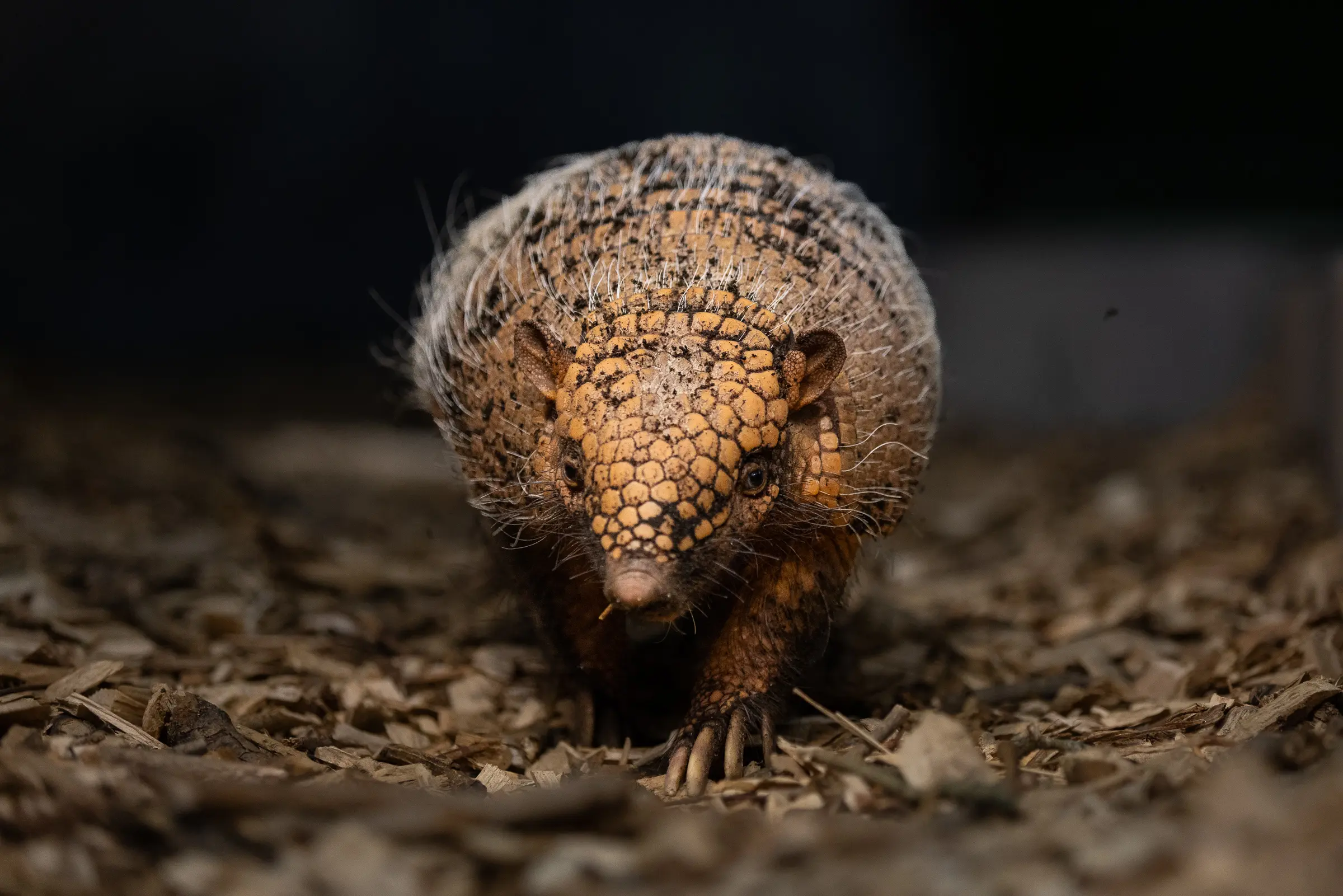
They are best known and most recognisable for the segmented shell – known as a carapace – that runs along their back
Species
Mammals
Habitat
Savannah
Diet
Omnivore
Conservation Status
Least Concern
Six-banded armadillo
Euphractus sexcinctus
Irish Name: Armadailín
IUCN Status: Least Concern
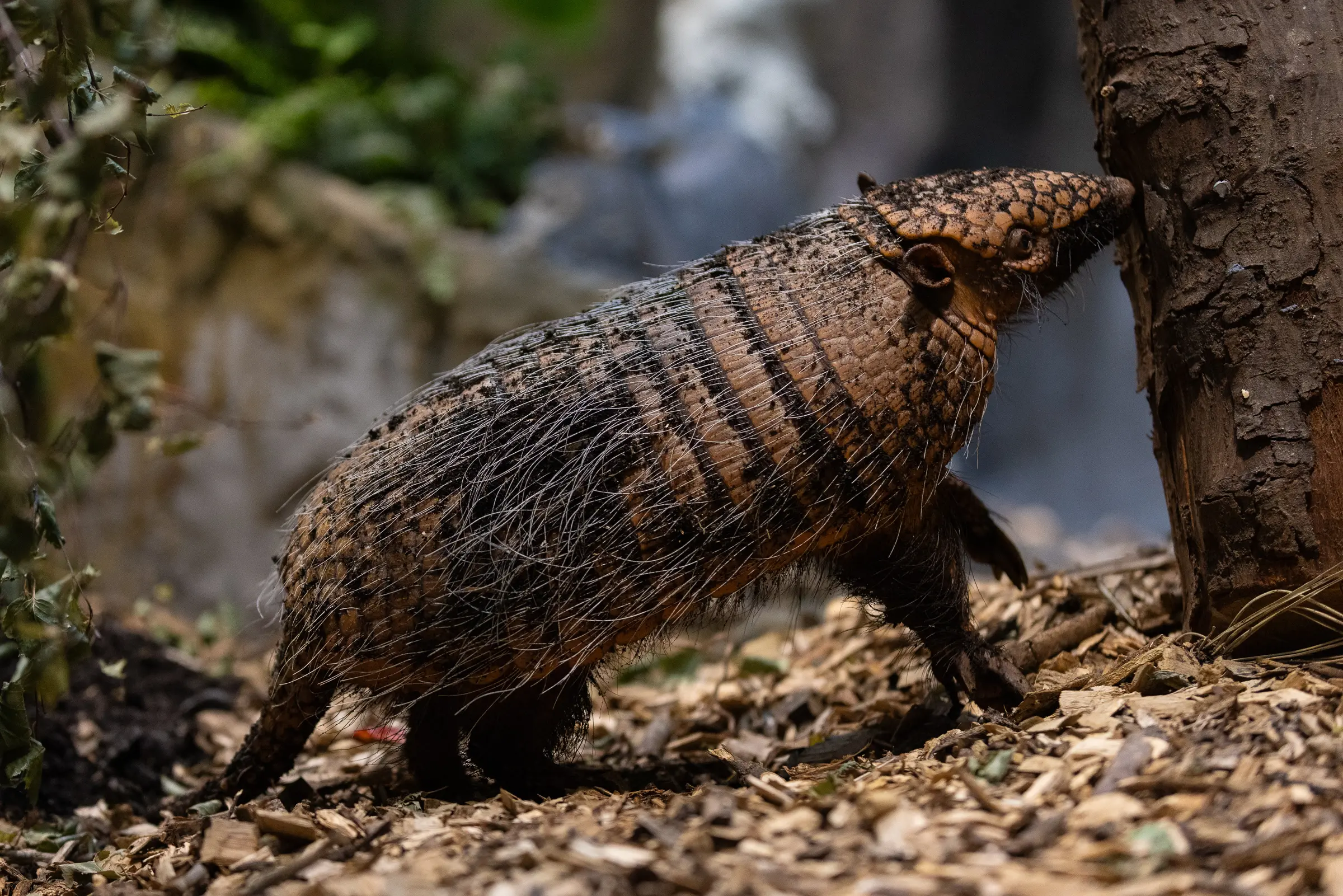
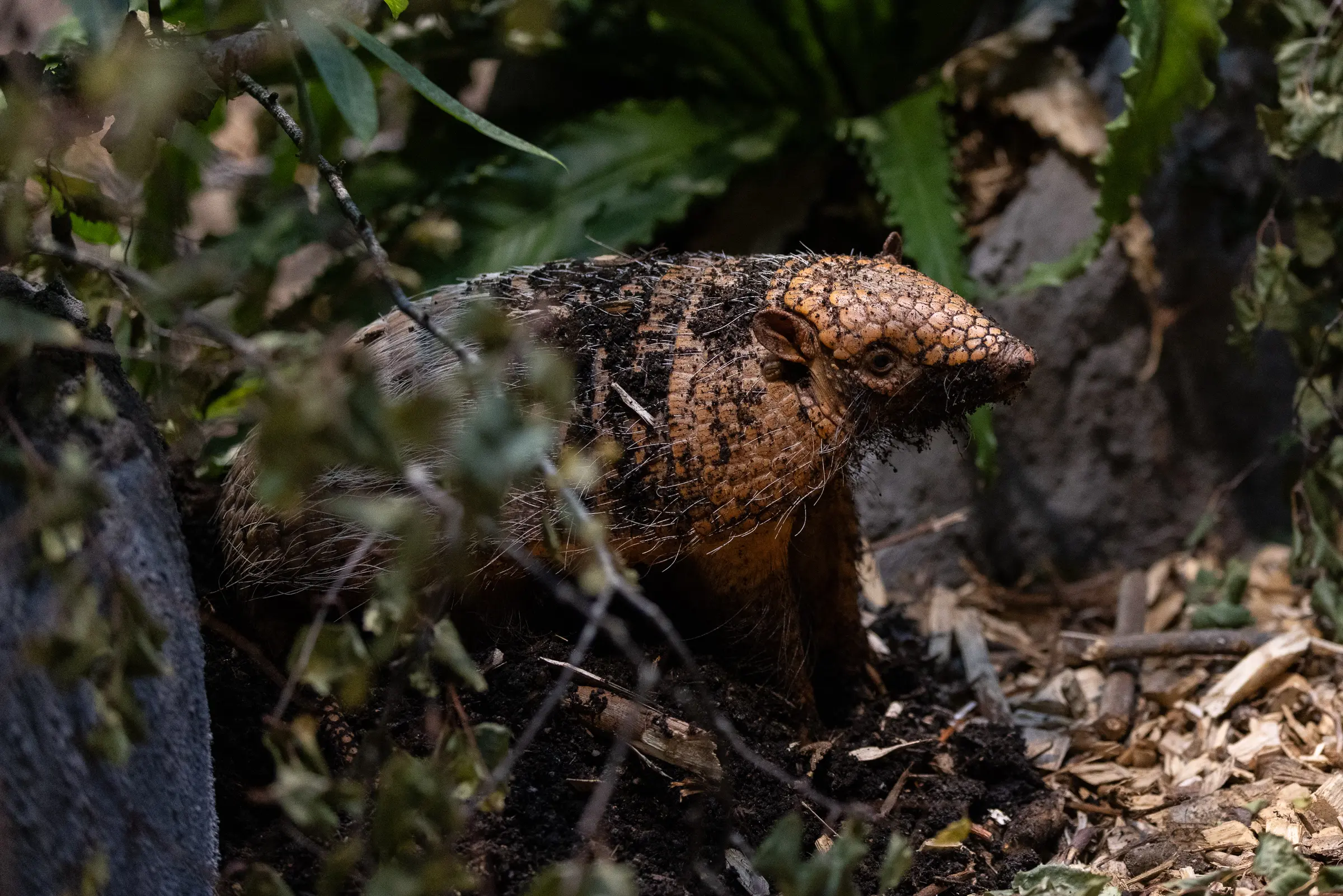
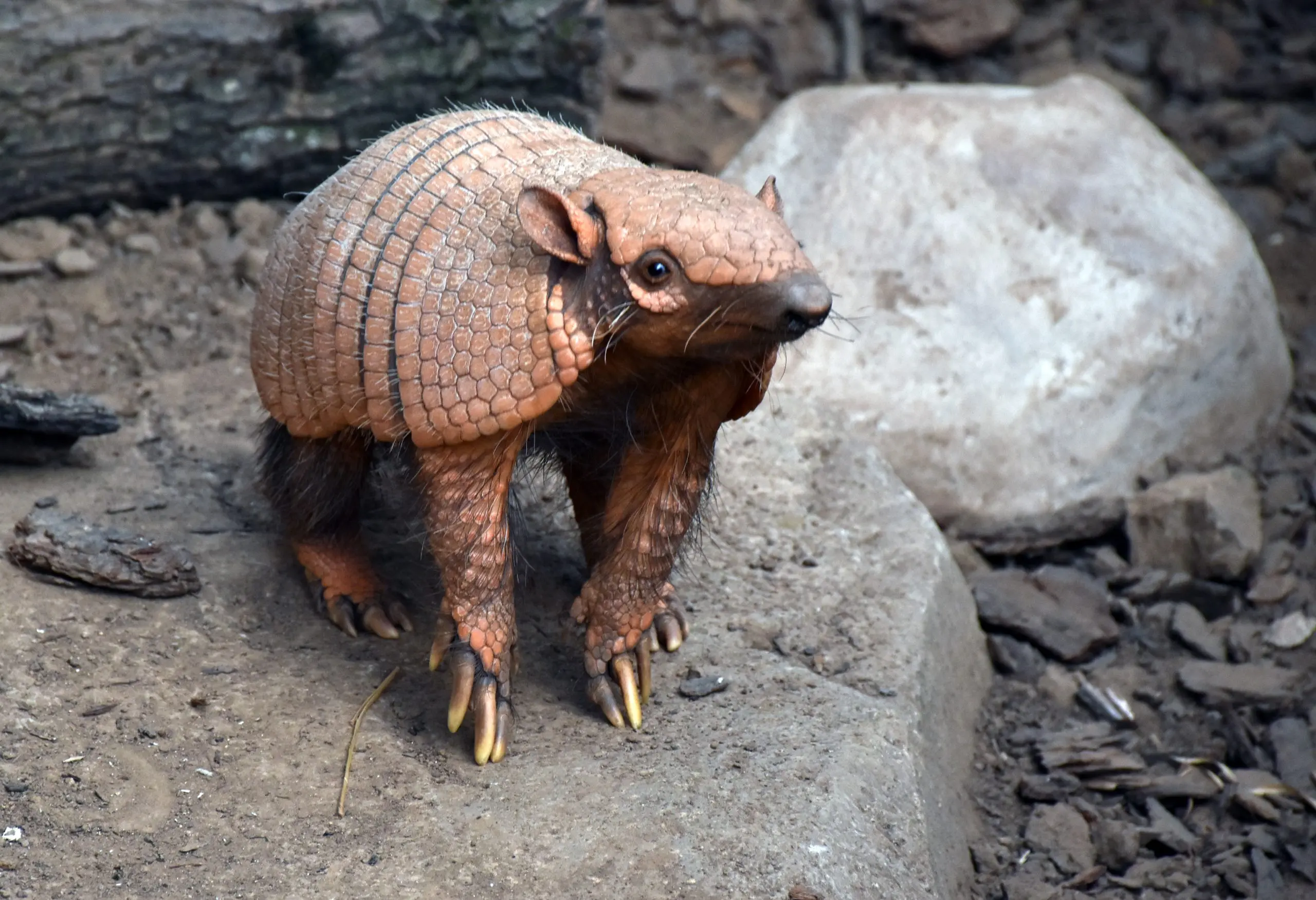
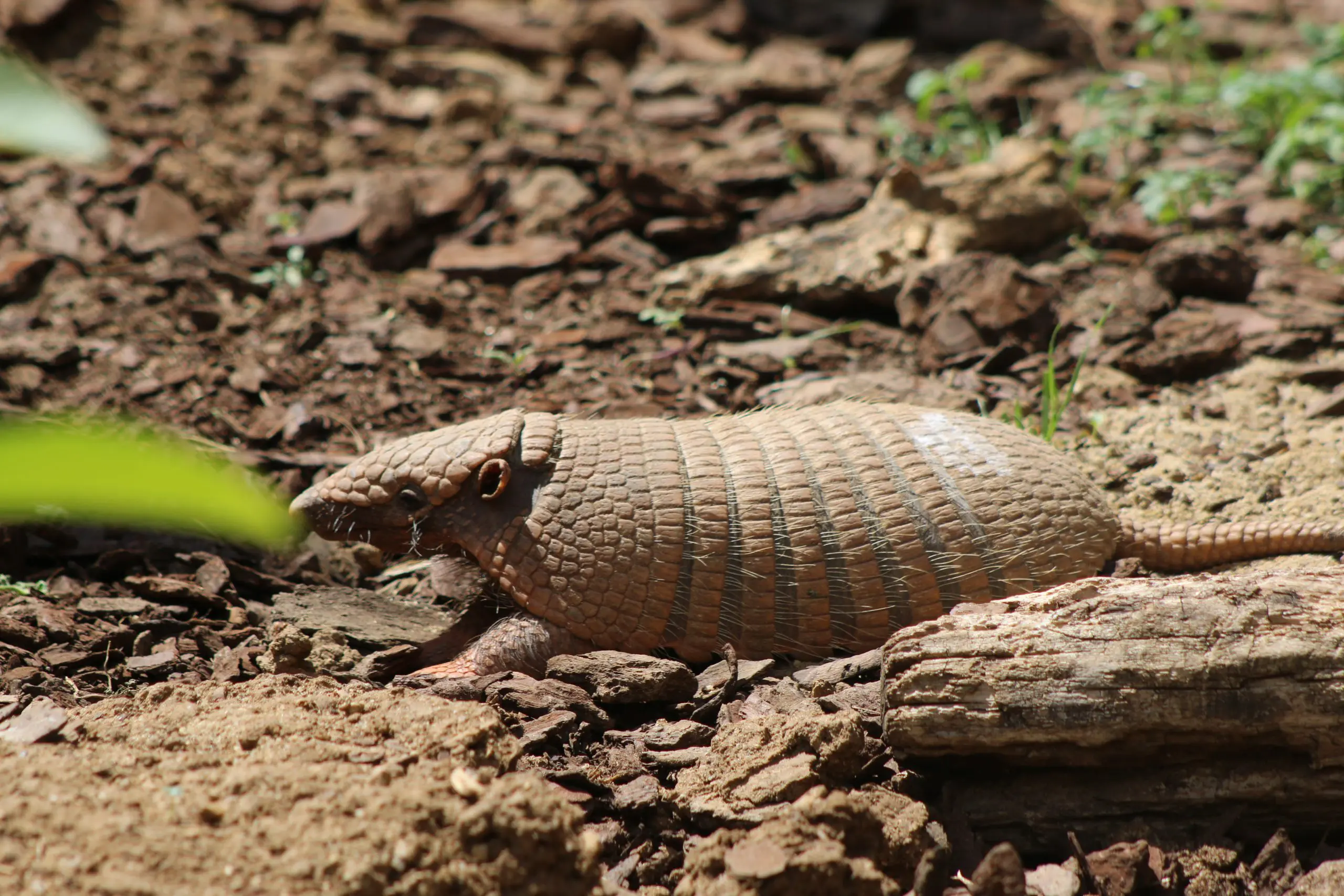
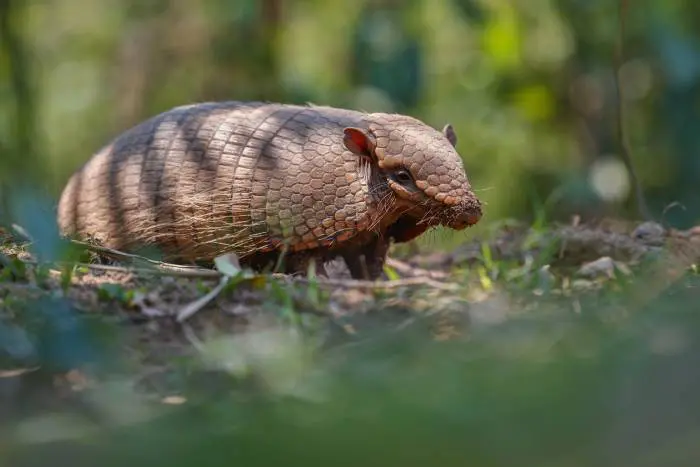
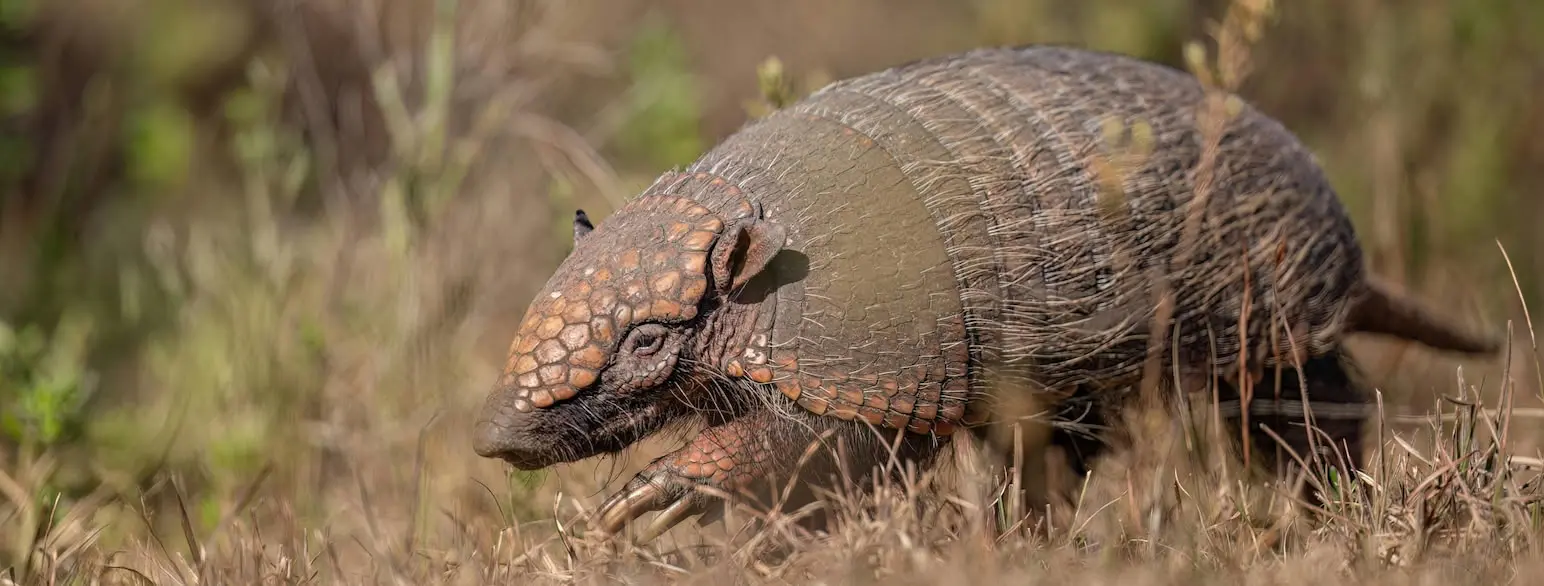
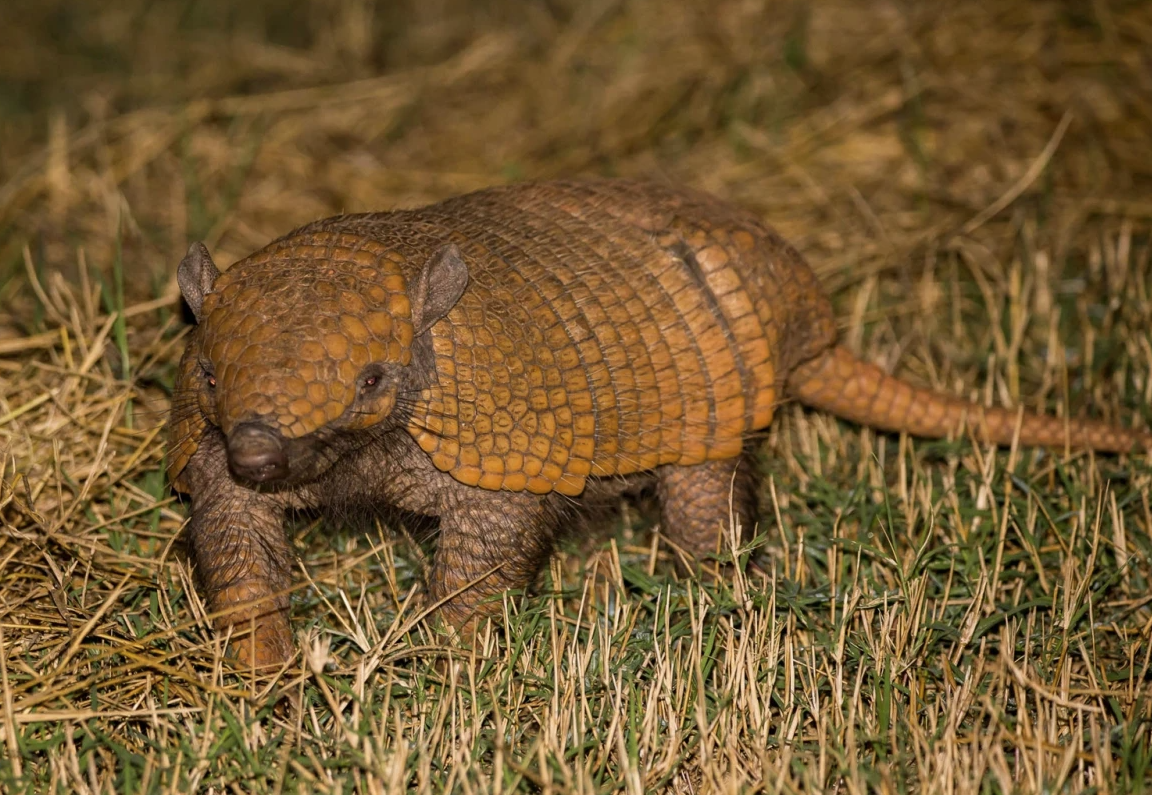
Six-banded armadillos are a species of small mammal from South America. They are best known and most recognisable for the segmented shell – known as a carapace – that runs along their back. Their head, tail, and parts of their limbs are also covered in scales for additional protection. They are pale yellow to reddish-brow in colour, and their bodies are loosely covered by thin, whisker-like hairs.
Six-banded armadillos grow to be between 40 and 50 centimetres in length, and typically weigh between 3 and 6.5 kilograms when fully grown.
The species is widely distributed throughout South America, and is highly adaptable. They can be found living in a variety of different habitat types, including savannas, shrublands, deciduous forests, and tropical forests.
General Information
Zoo location
The six-banded armadillos can be founding living in the Rainforest House at Dublin Zoo
Animal class
Mammalia
Animal order
Cingulata
Where do they live (Natural habitat)?
Six-banded armadillos can be found living in a variety of different habitat types, including savannas, shrublands, deciduous forests, and tropical forests.
How long do they live?
Six-banded armadillos can live for between 15 and 18 years.
What do they eat?
Six-banded armadillos are omnivores, meaning their diet consists of both animal and plant matter. They have a very broad diet, and have been observed feeding on frogs, lizards, small birds, insects, spiders, eggs, and a variety of plant matter.
They are also known scavengers, feeding on carrion (dead animals) that they might come across.
Group name
The collective noun for a group of armadillos is a ‘roll’.
Closest related species / sister species
Six-banded armadillos are most closely related to other armadillo species such as the dwarf armadillo and the screaming hairy armadillo. They are all part of the family Chlamyphoridae, which contains 14 species of armadillo.
Fun Facts!
The six-banded armadillo
Behaviours
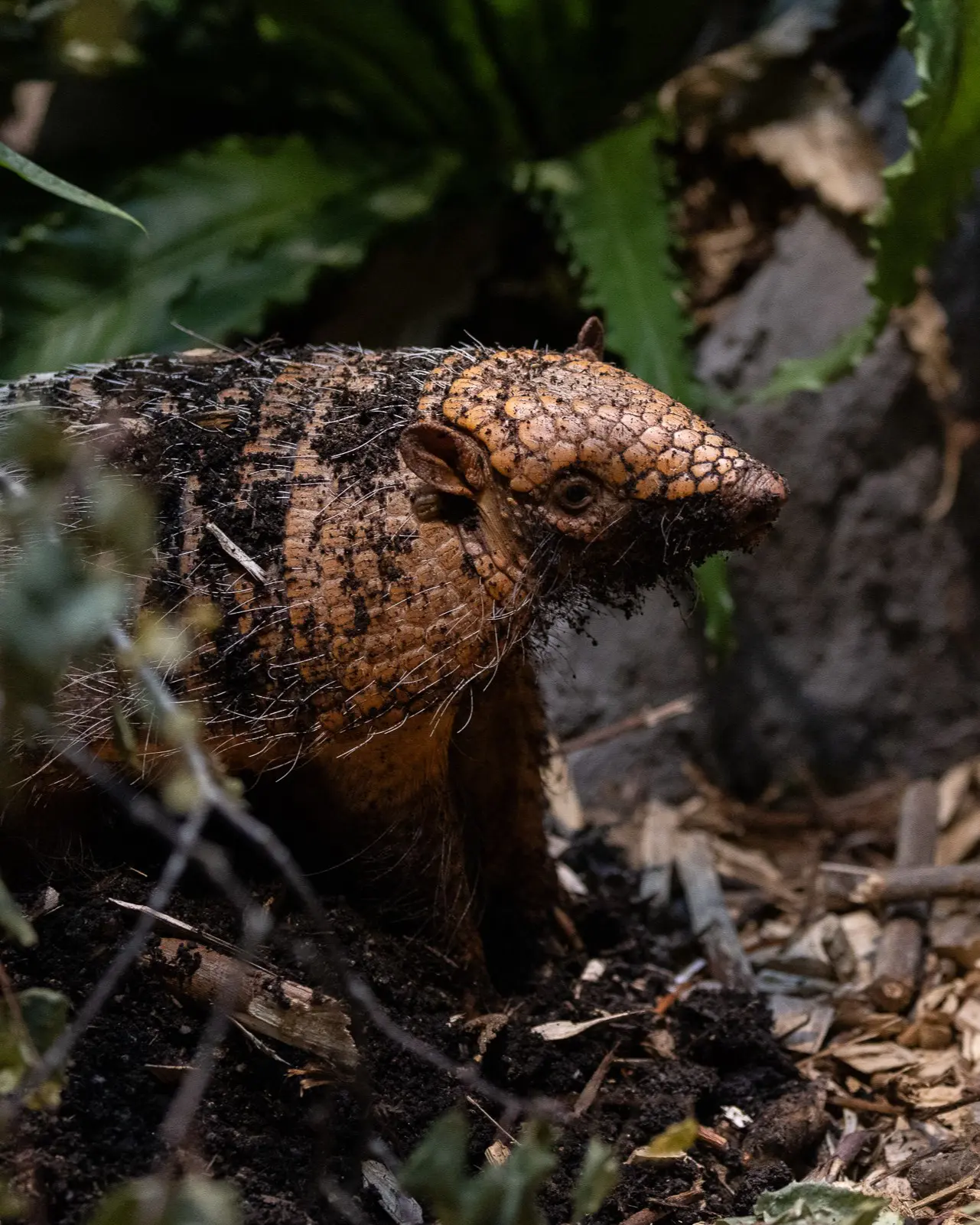
Six-banded armadillos are largely diurnal, meaning they are active during the day. However, they have also been known to come out at night. To rest in, they dig small burrows with a u-shaped entrance and mark them with a scent gland at the end of their tail.
When threatened, six-banded armadillos will flee into the undergrowth or long grass to escape from predators and other potential threats.
Reproduction and Life Cycle
A female armadillo will typically give birth to 2 offspring at a time, sometimes 3, after a pregnancy of just over 60 days.
The young weigh around 115 grams when born, and do not open their eyes until they are over 3 weeks old. They will quadruple their body weight in their first month, feeding on their mother’s milk before moving on to solid foods.
They reach maturity at around 9 months of age and can live for 15 to 18 years.
Adaptations
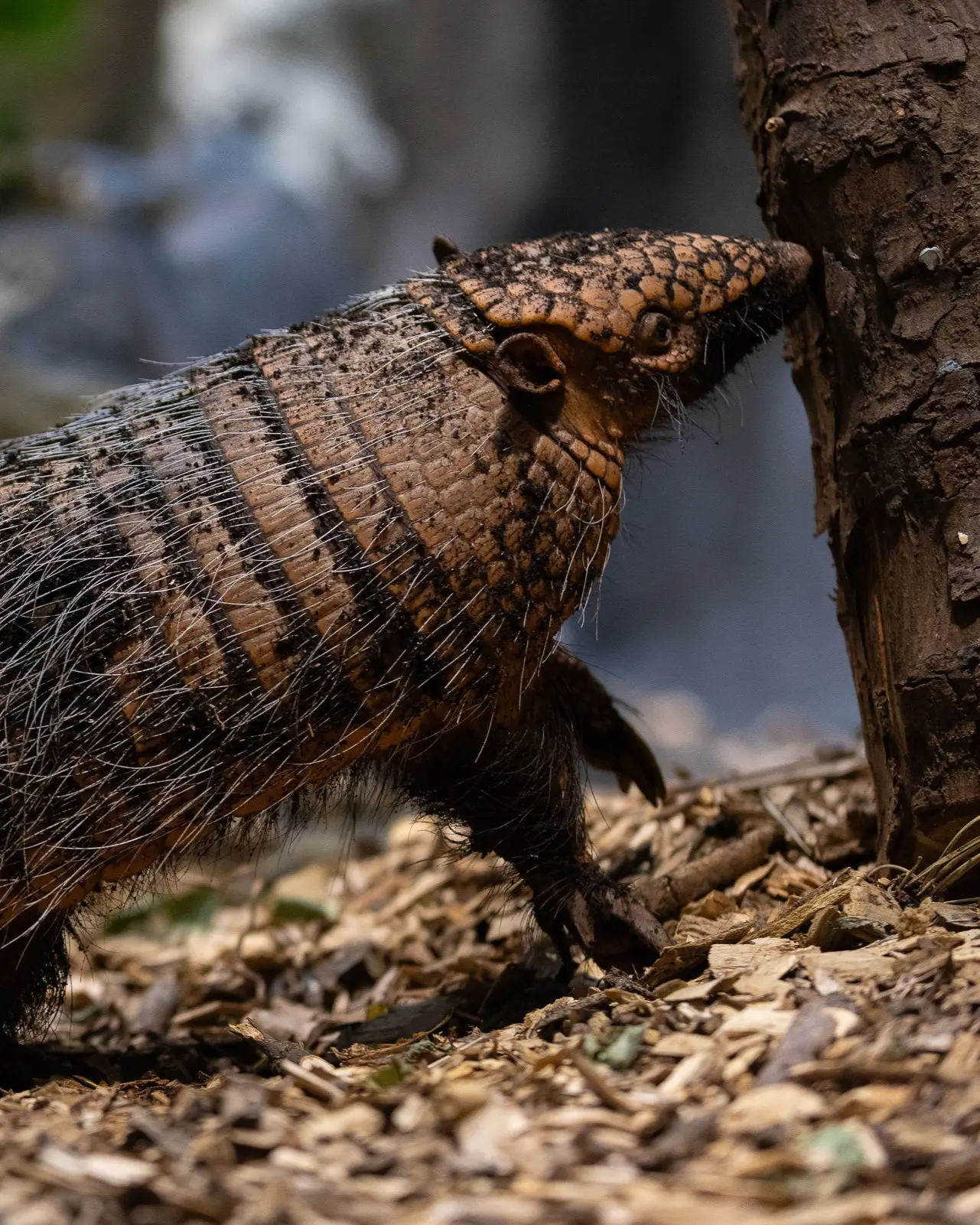
The thick scales covering the armadillo’s head and carapace help to protect it from predators, acting as a sort of armour. Though many people think armadillos can curl up into a ball to protect themselves, the three-banded armadillo is the only species observed with this ability. Six-banded armadillos are more likely to scurry away when threatened.
Their long, sharp claws are well suited for helping them to dig so that they can find food and construct burrows.
Conservation
Least Concern
The six-banded armadillo is listed as ‘Least Concern’ on the IUCN Red List of Endangered Species.
Threats
The species is very adaptable and widespread; however, it is hunted for its meat in some parts of South America and treated as a pest by farmers for damaging crops.
Frequently Asked Questions
Six-banded armadillos are found throughout much of South America. They are very adaptable, living in a variety of habitat types including savannas, shrublands, and forests.
Six-banded armadillos can live for between 15 and 18 years.
The scales of a six-banded armadillo are made of keratin. This is the same material found in our hair and nails, and also in the horns of animals like rhinos and bongos.
Six-banded armadillos are omnivores, meaning they eat both plant and animal matter. Their diet include shoots, seeds, insects, eggs, small birds, frogs, and carrion (dead animals).
While they can curl up slightly to protect themselves, they cannot completely curl up into a ball. The only armadillo species capable of this is the three-banded armadillo.
The six-banded armadillos can be founding living in the Rainforest House at Dublin Zoo, alongside several monkey species, sloths, and the lowland paca.