Volunteering
at Dublin Zoo
Are you an animal enthusiast? Would you like to learn more about animals, nature and conservation? Keep reading!
Why we need volunteers
As a charity, Dublin Zoo volunteers play a vital role in our mission for conservation as part of the Conservation Education Department.
We need volunteers to be conservation champions and ambassadors for wildlife, to align our conservation message to the visitor journey and inspire a passion for nature through a variety of volunteering duties.
What do volunteers do?
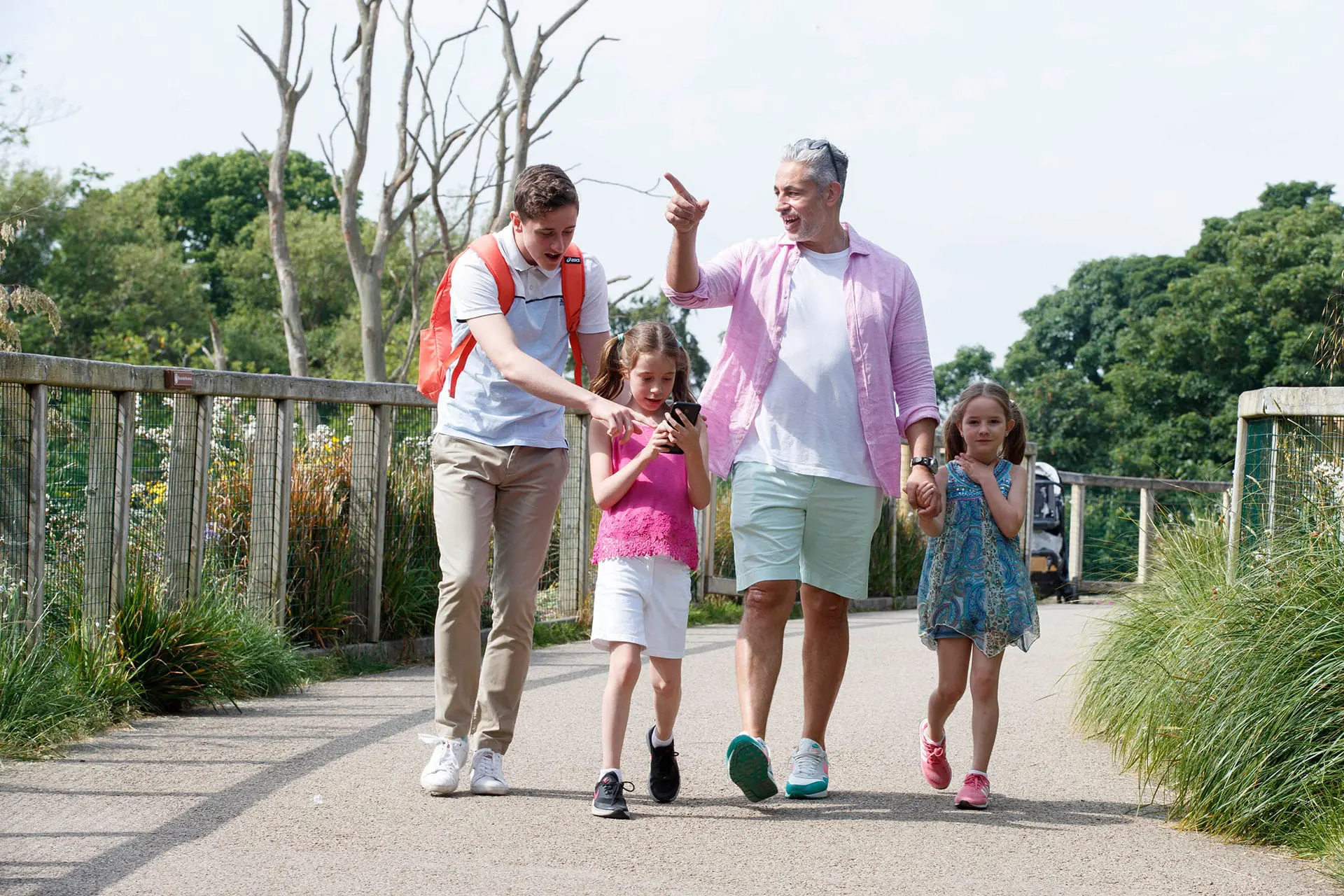
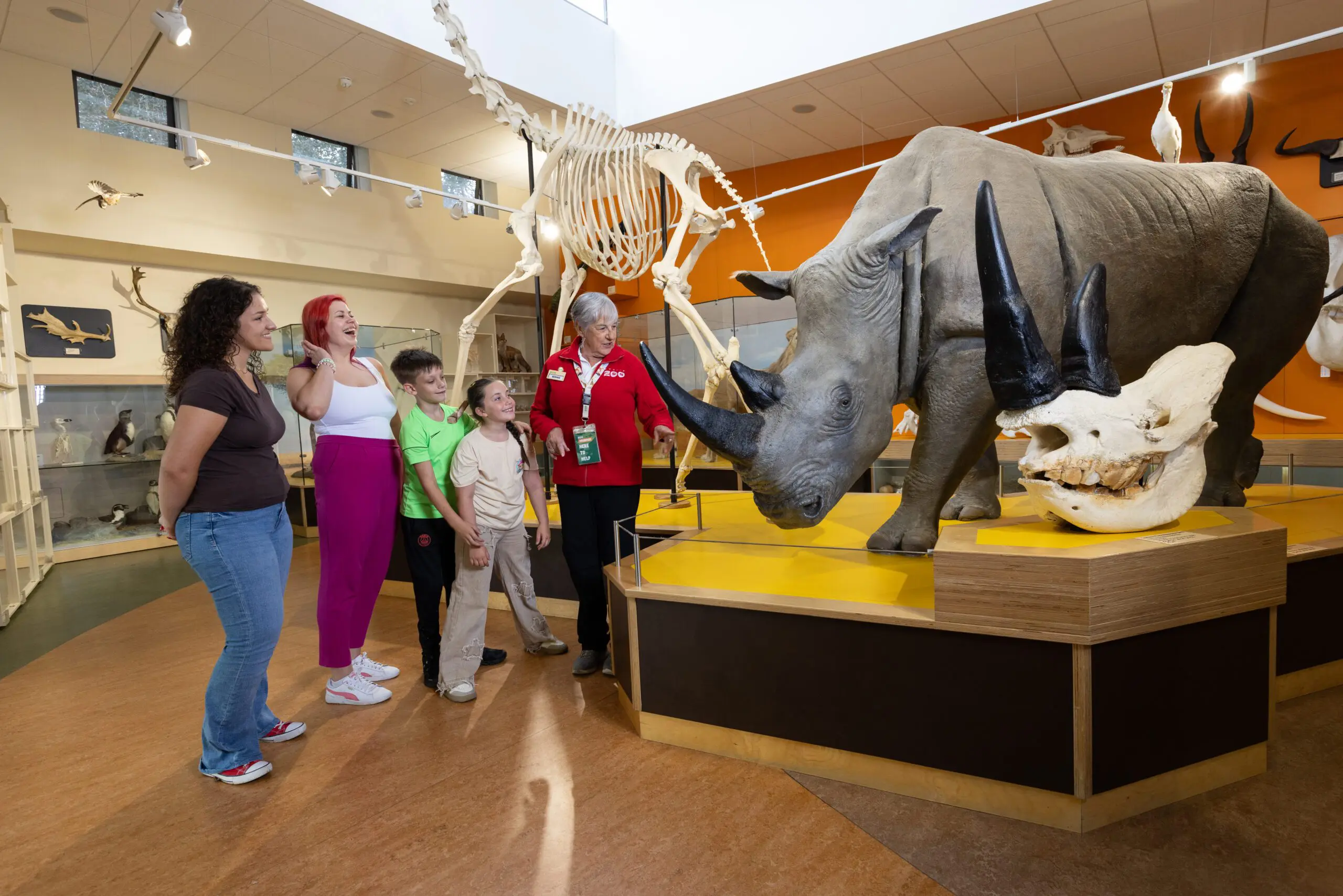
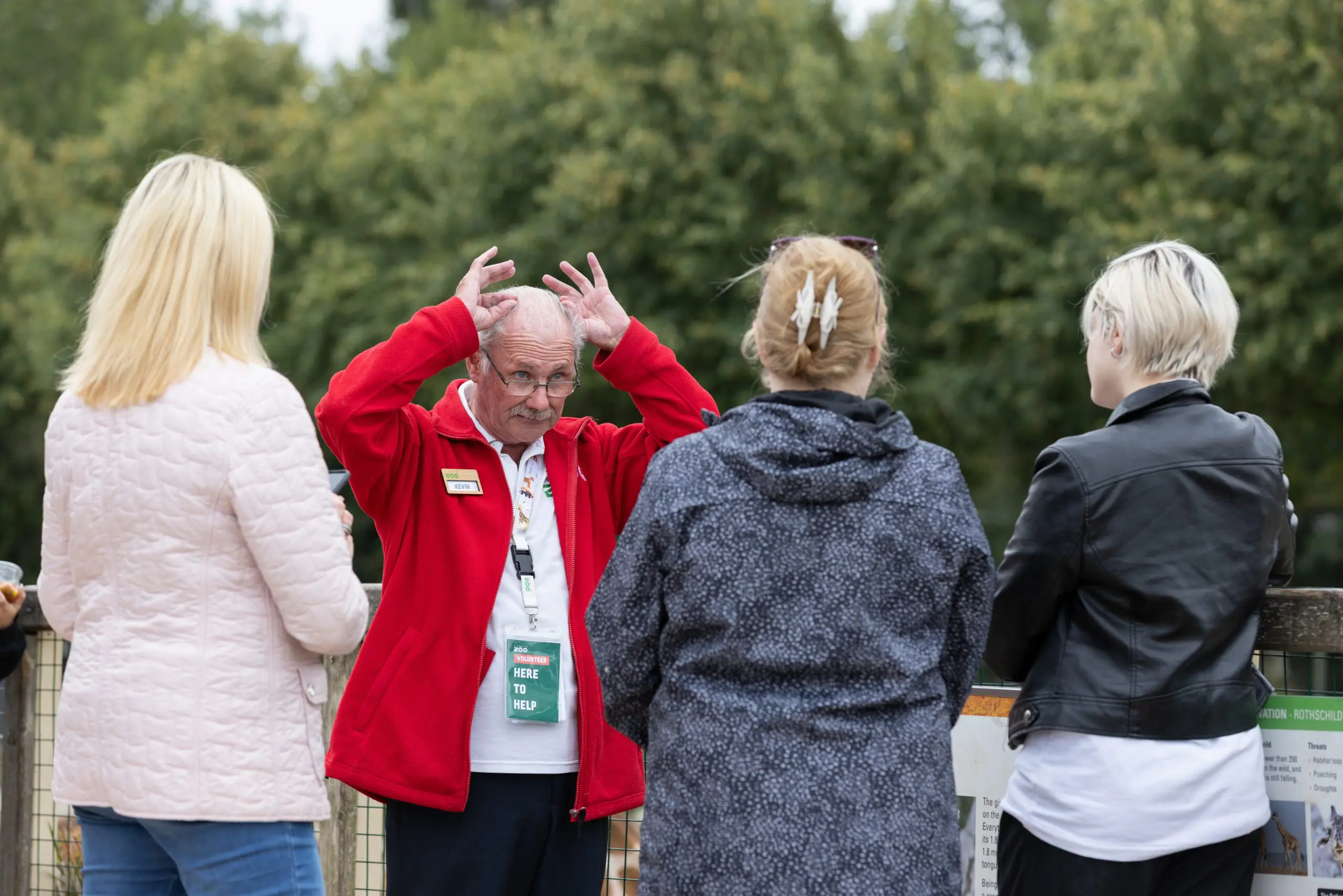
Our volunteers engage with visitors about our animals, the purpose of Dublin Zoo, our conservation partners, our history, and what they can do to help protect wildlife.
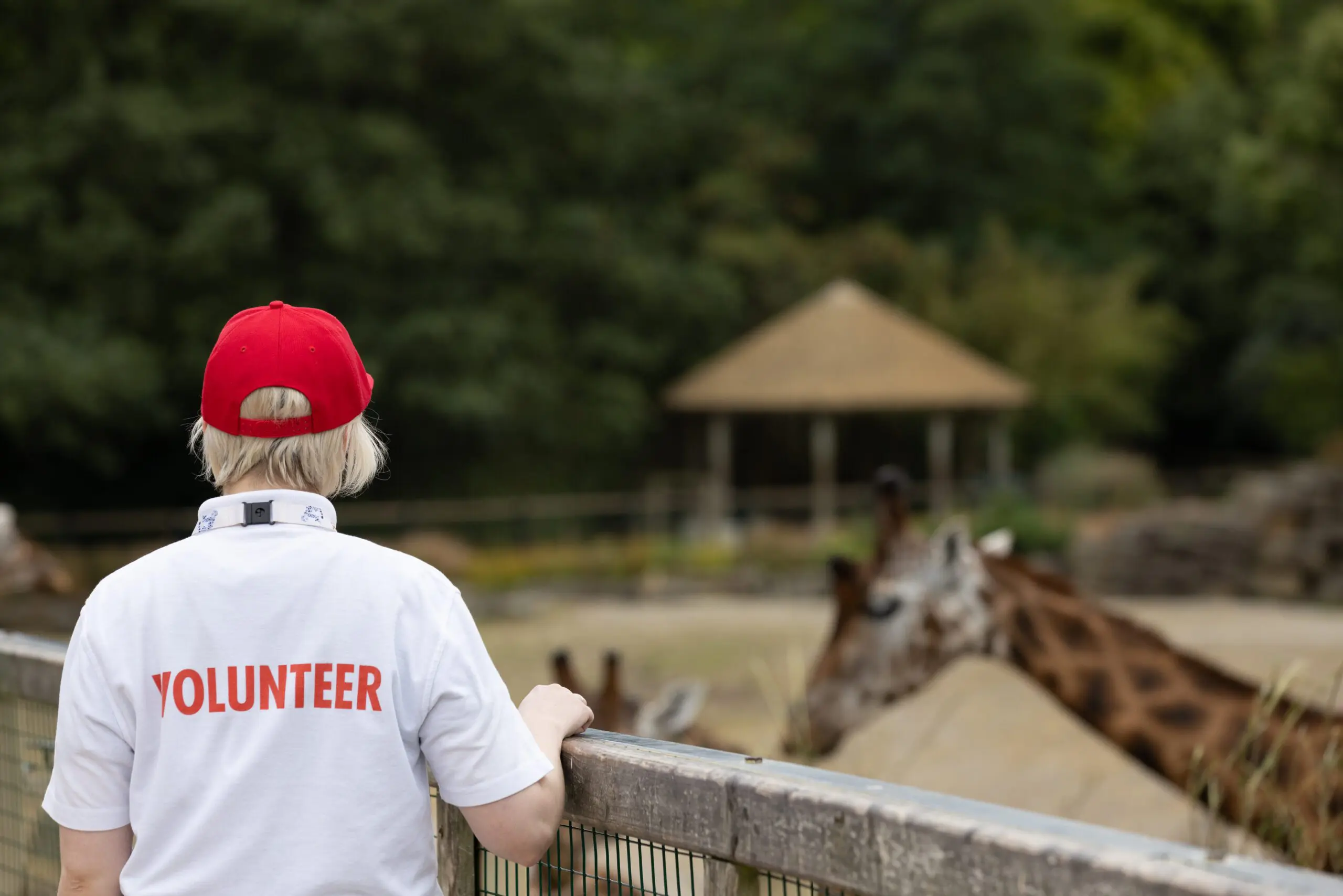
Volunteer duties do not involve direct contact with zoo animals.
Our volunteering duties complement the overall conservation education and visitor engagement work of Dublin Zoo. Our volunteers take part in variety of volunteering duties, all of which are valued and have an impact on our conservation mission. These include:
- Visitor Welcome: Volunteers assist in offering a friendly greeting to our visitors, marking the beginning of the visitor’s educational journey through the zoo, encouraging volunteer and visitor engagement to help spread our conservation message.
- Discovery Centre: Providing supplementary learning opportunities for visitors with a focus on biology, native species and tactile learning. Our volunteers share with visitors their knowledge and interesting stories behind all the artefacts on display.
- Animal Ambassadors: Our volunteers are assigned priority hotspots throughout the zoo, and will learn lots of facts about our individual animals to share with our visitors such as their special features, conservation threats and actions they can take to protect them. The focus of our priority hotspot changes based on our goals and what species is in focus.
- Aye-Aye Talks: As well as managing the flow of visitors through this habitat, volunteers provide mini talks for the unique experience of visiting our nocturnal house, explaining what aye-aye features and behaviours to look out for.
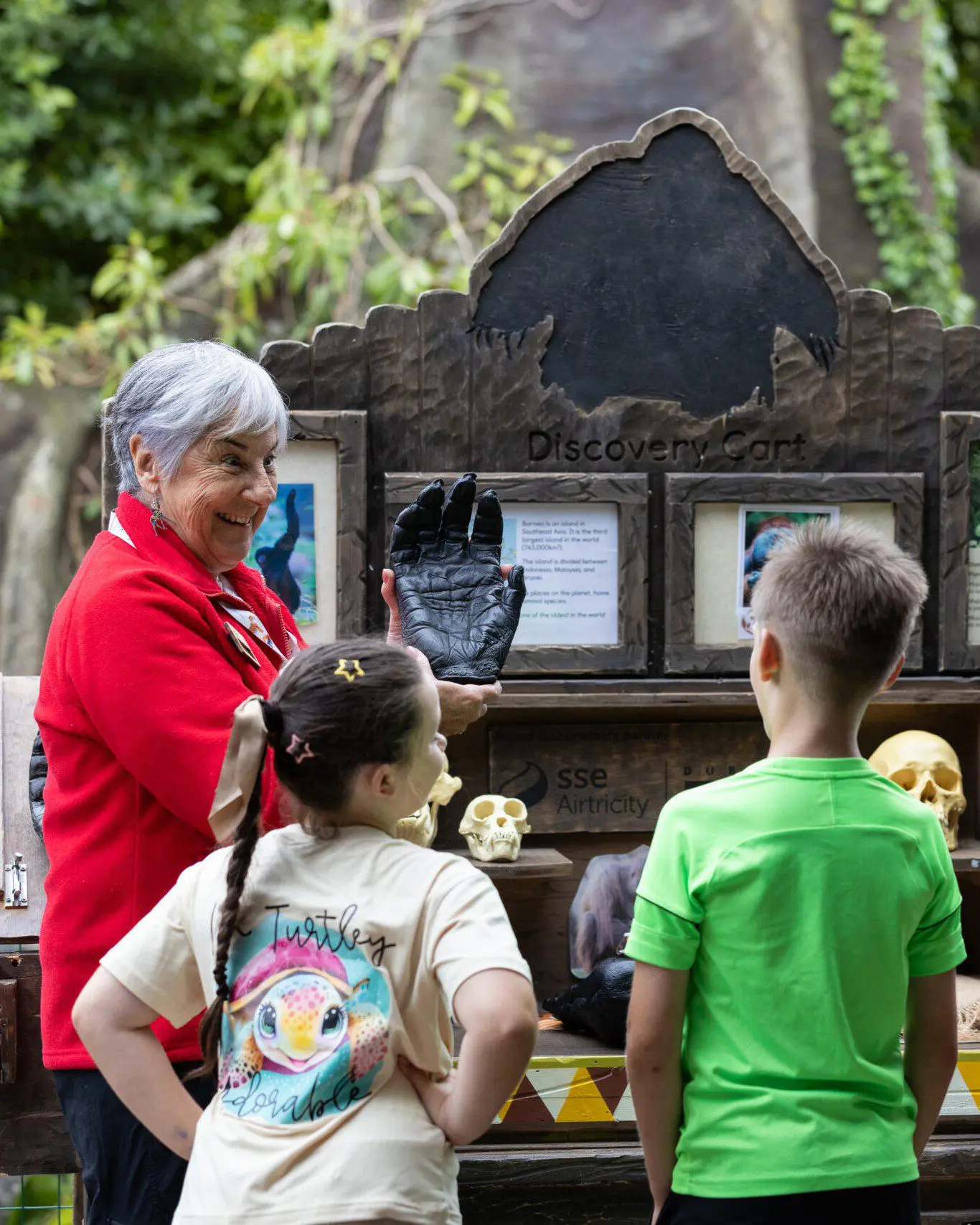
- Discovery Carts: We have three Discovery Carts on site which are mobile displays of bio-facts including replica and real skulls, bones, horns, and animal poo. Our volunteers demonstrate our bio-facts at different locations in the zoo, educating visitors about different biology facts and giving visitors the experience to touch, feel (and smell!) our bio-facts.
- Guided Tours: Some volunteers provide guided tours for groups of all ages, informing them about Dublin Zoo’s wonderful collection of animals and plants. Extra training is provided for this role for those interested in taking part.
- Animal Focus Days / Pop-up events: Volunteers assist with visitor engagement on animal focus days, giving special attention to the animal in focus using bio-facts and other educational resources.
- Animal Watch / Research Assist: Occasionally volunteers will assist our Animal Care or Conservation Science teams with their research by observing and collecting data about the animals in our care to assist in their welfare or giving their insight into visitor engagement and how we might enhance our visitor’s journey.
- Teaching Team Assistant: Volunteers provide support to the Conservation Education teaching team, assisting with their work on a variety of formal and informal learning programmes, from pre-school to third level.
Benefits of Volunteering with Dublin Zoo
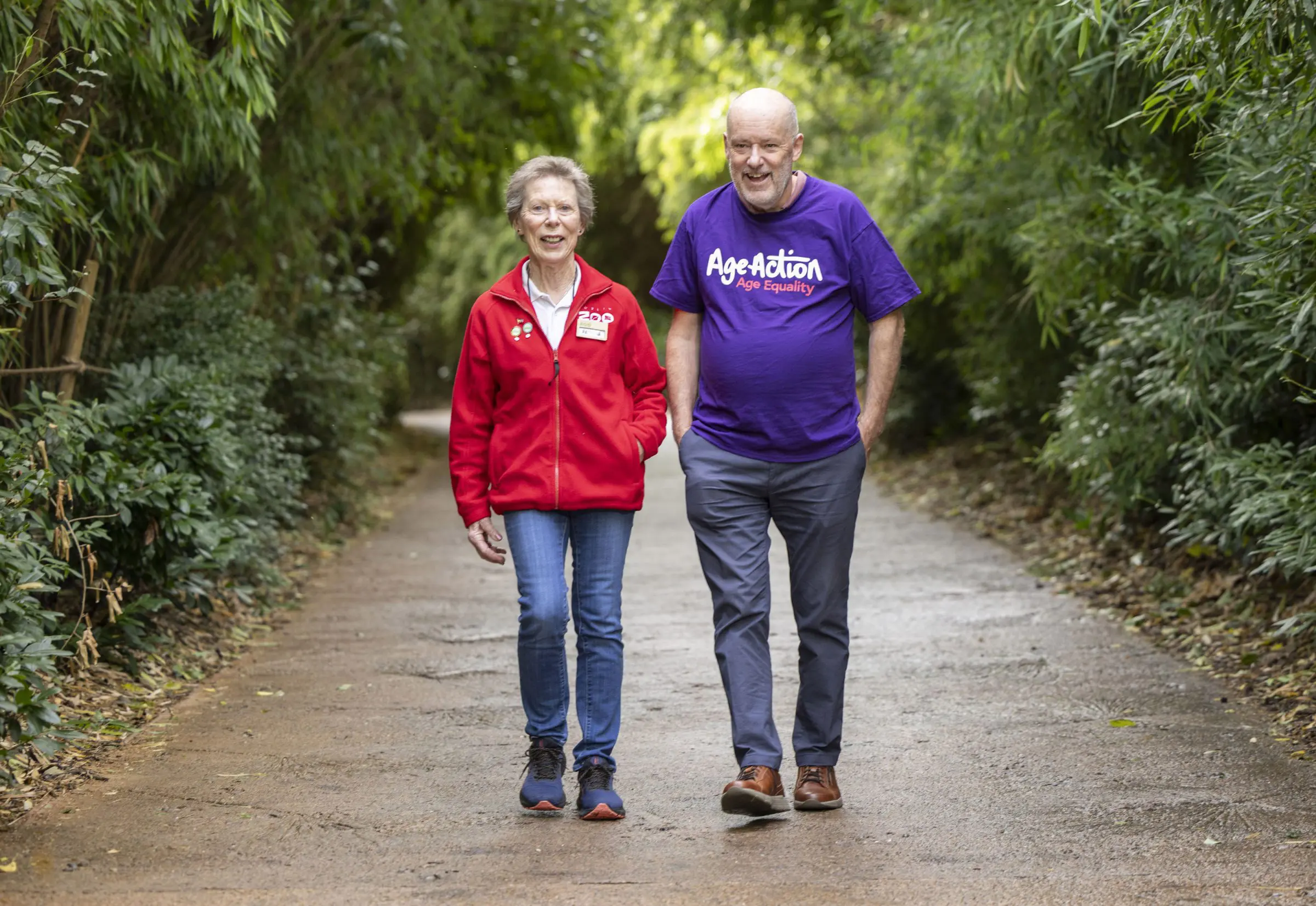
Becoming a Dublin Zoo volunteer creates opportunities for meeting new people, being active outdoors and offers many opportunities to learn more about the importance of wildlife and conservation.
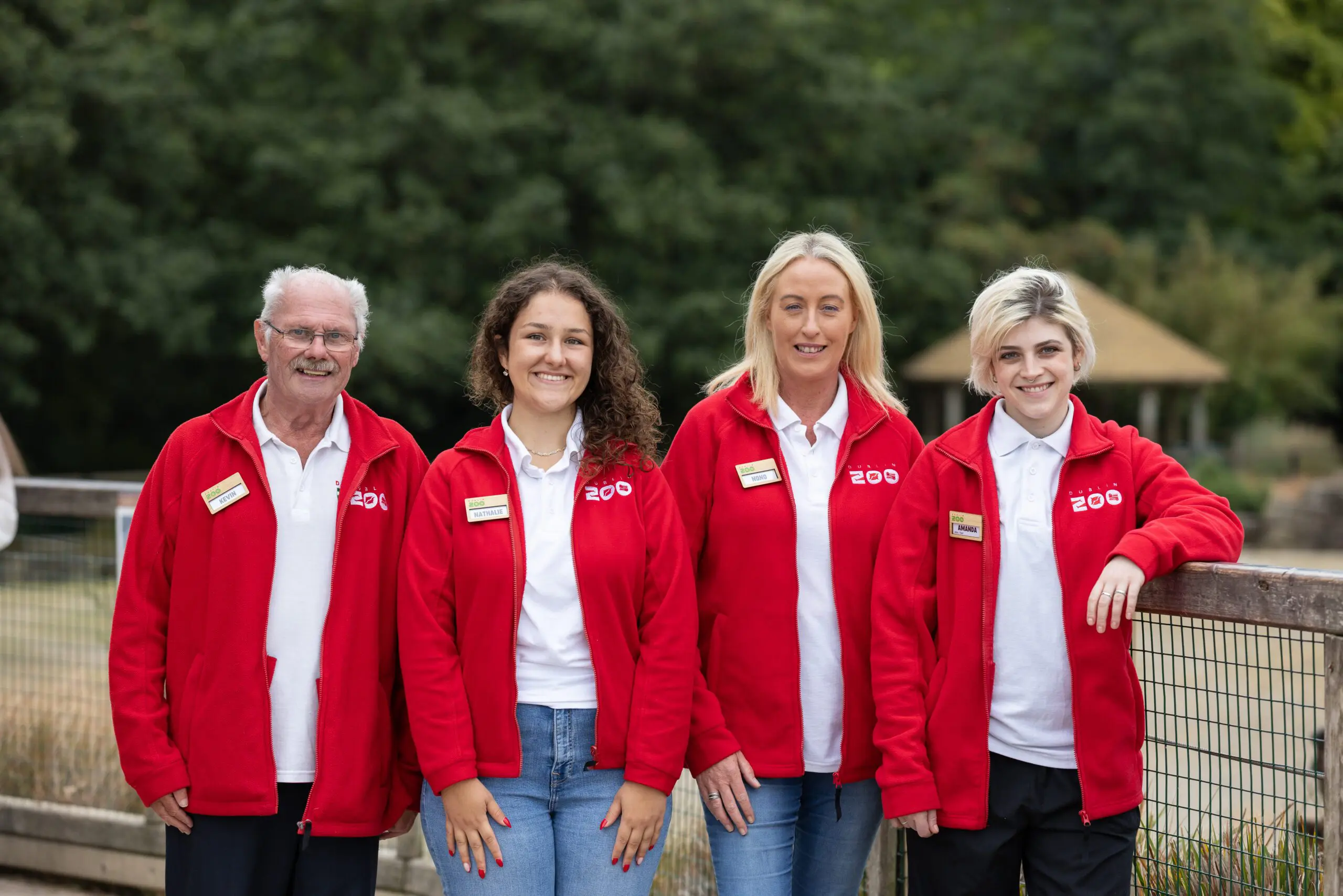
Dublin Zoo volunteers receive comprehensive training, a free uniform, regular ‘ZOONOOZ’ updates, and can attend zoo social events, lectures and zoo themed trips.
How to become a volunteer
The Dublin Zoo Volunteer Programme requires applicants to:
- Be at least 18 years of age.
- Have an interest and enthusiasm for people, wildlife and conservation (you do not need to have a background in conservation or education).
- Be available to volunteer one four-hour shift per week for the busy summer season March – August.
- Complete Garda Vetting.