Conservation
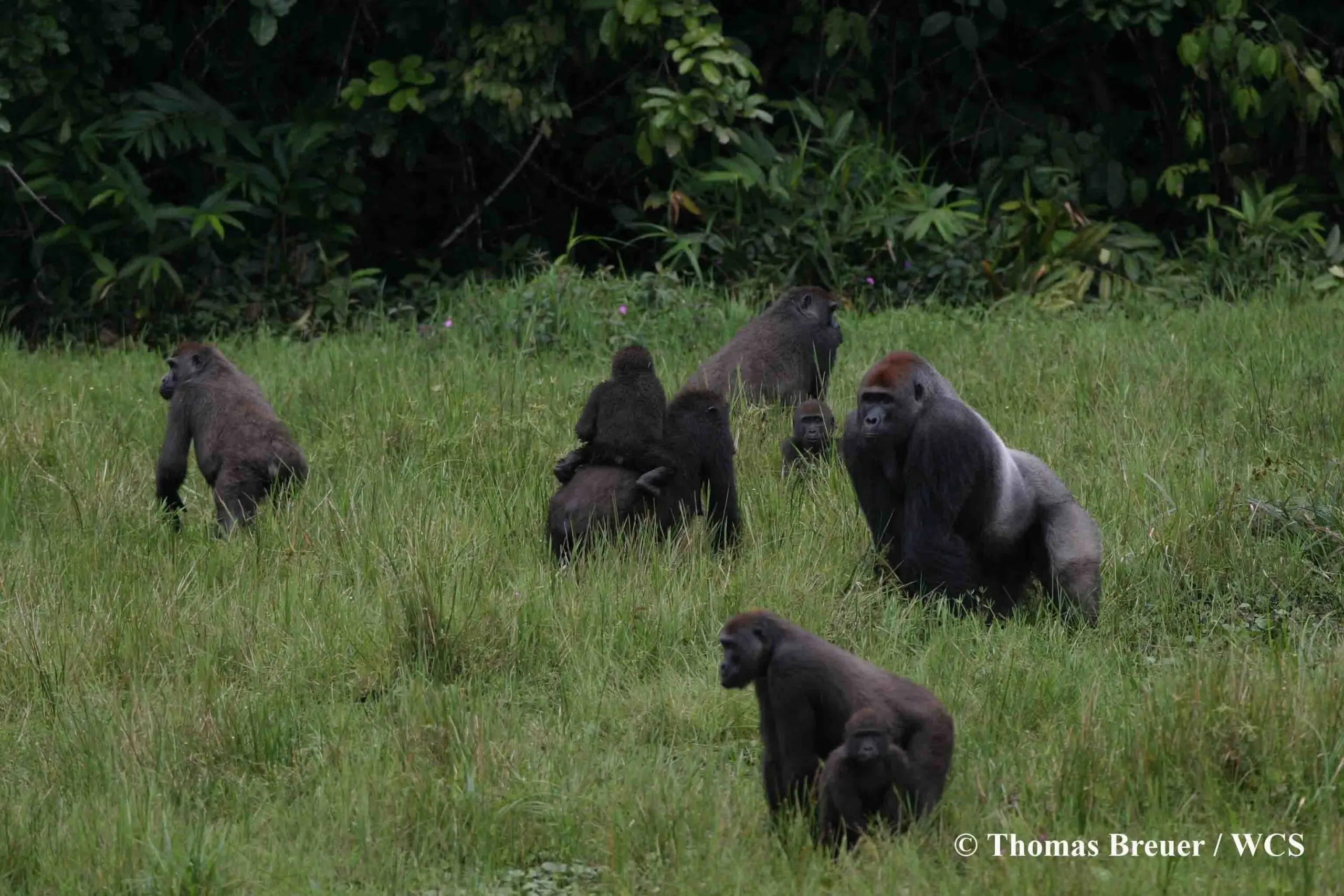
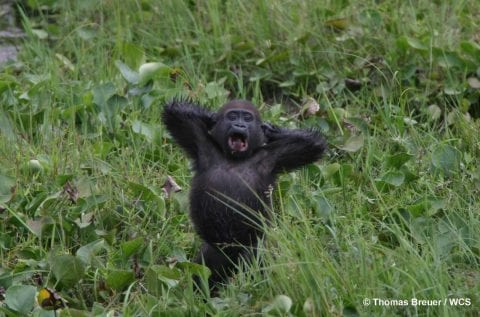 In 2010, Dublin Zoo began supporting the Mbeli Bai Study in the Republic of Congo. This project has been collecting valuable long-term data on gorillas in Mbeli Bai in the Nouabalé-Ndoki National Park since 1995. The national park is a rare example of an intact forest wilderness with low human disturbance.
Not only is this area an important stronghold for western lowland gorillas, but it is also home to forest elephants, chimpanzees, approximately 300 bird species and thousands of plant species. The Mbeli Bai Study provides a deterrent to hunting and logging. In fact, this area of the national park has been free from illegal human activities for over 20 years! The study also engages in local community outreach programmes and international awareness raising.
In 2010, Dublin Zoo began supporting the Mbeli Bai Study in the Republic of Congo. This project has been collecting valuable long-term data on gorillas in Mbeli Bai in the Nouabalé-Ndoki National Park since 1995. The national park is a rare example of an intact forest wilderness with low human disturbance.
Not only is this area an important stronghold for western lowland gorillas, but it is also home to forest elephants, chimpanzees, approximately 300 bird species and thousands of plant species. The Mbeli Bai Study provides a deterrent to hunting and logging. In fact, this area of the national park has been free from illegal human activities for over 20 years! The study also engages in local community outreach programmes and international awareness raising.
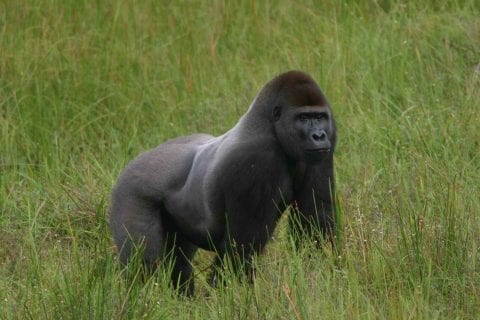 [Image credit: Thomas Breuer]
The Mbeli Bai study has developed into a prominent research site with the largest and longest-running data set on Western lowland gorillas available and an impressive track record of scientific publications. The study provides an example of how research can ensure conservation and safeguard wildlife and their habitats.
In addition, it has become an important site for the training of young Congolese naturalists and researchers, for environmental education and for eco-tourism. Due to its location and continuous research presence, the MBS has effectively deterred poaching from the area.
Finally, the study notes any unusual health signs for indications of Ebola or other diseases in gorillas. The work carried out by the Mbeli Bai study is making a real contribution to the conservation of western lowland gorillas.
In 2016, Team-leader Helen Clarke-Bennett travelled to the Congo to visit the Mbeli Bai Study, she got the opportunity to meet a researcher called Jana Robeyst. Sadly, soon afterwards Jana was tragically killed by a wild elephant.
This is a tribute to Jana Robeyst doing what she loved most.
[embed]https://www.youtube.com/watch?v=7wdqbXb253o[/embed]
**The Mbeli Bai Study is a collaboration between the Wildlife Conservation Society and the Government of the Republic Congo.
[Image credit: Thomas Breuer]
The Mbeli Bai study has developed into a prominent research site with the largest and longest-running data set on Western lowland gorillas available and an impressive track record of scientific publications. The study provides an example of how research can ensure conservation and safeguard wildlife and their habitats.
In addition, it has become an important site for the training of young Congolese naturalists and researchers, for environmental education and for eco-tourism. Due to its location and continuous research presence, the MBS has effectively deterred poaching from the area.
Finally, the study notes any unusual health signs for indications of Ebola or other diseases in gorillas. The work carried out by the Mbeli Bai study is making a real contribution to the conservation of western lowland gorillas.
In 2016, Team-leader Helen Clarke-Bennett travelled to the Congo to visit the Mbeli Bai Study, she got the opportunity to meet a researcher called Jana Robeyst. Sadly, soon afterwards Jana was tragically killed by a wild elephant.
This is a tribute to Jana Robeyst doing what she loved most.
[embed]https://www.youtube.com/watch?v=7wdqbXb253o[/embed]
**The Mbeli Bai Study is a collaboration between the Wildlife Conservation Society and the Government of the Republic Congo.