Animals
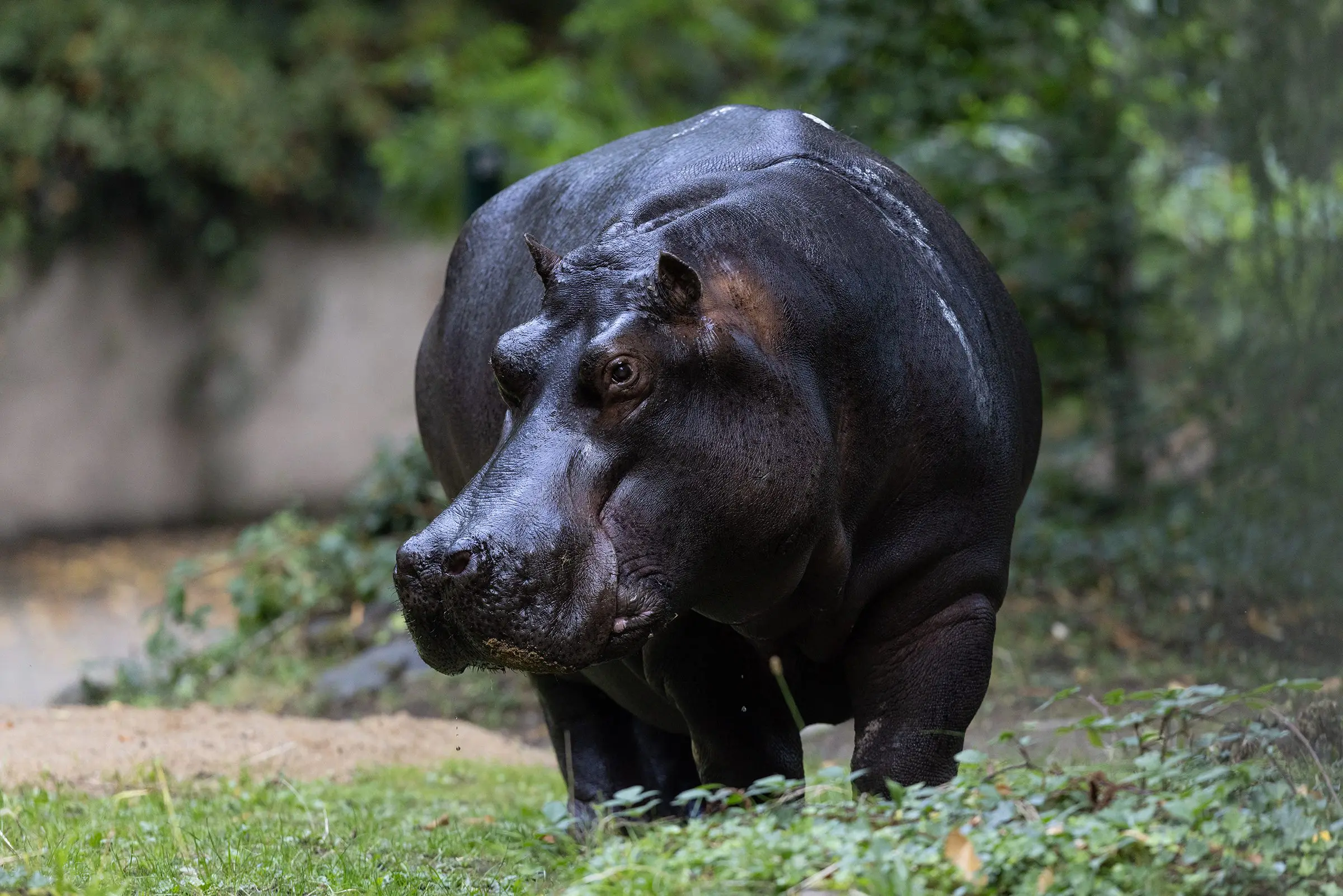
Imani the hippo undergoes historic cataract surgery at Dublin Zoo
Fri 12 DecemberOperation gives visually impaired female hippo sight in her left eye
 What you can do?
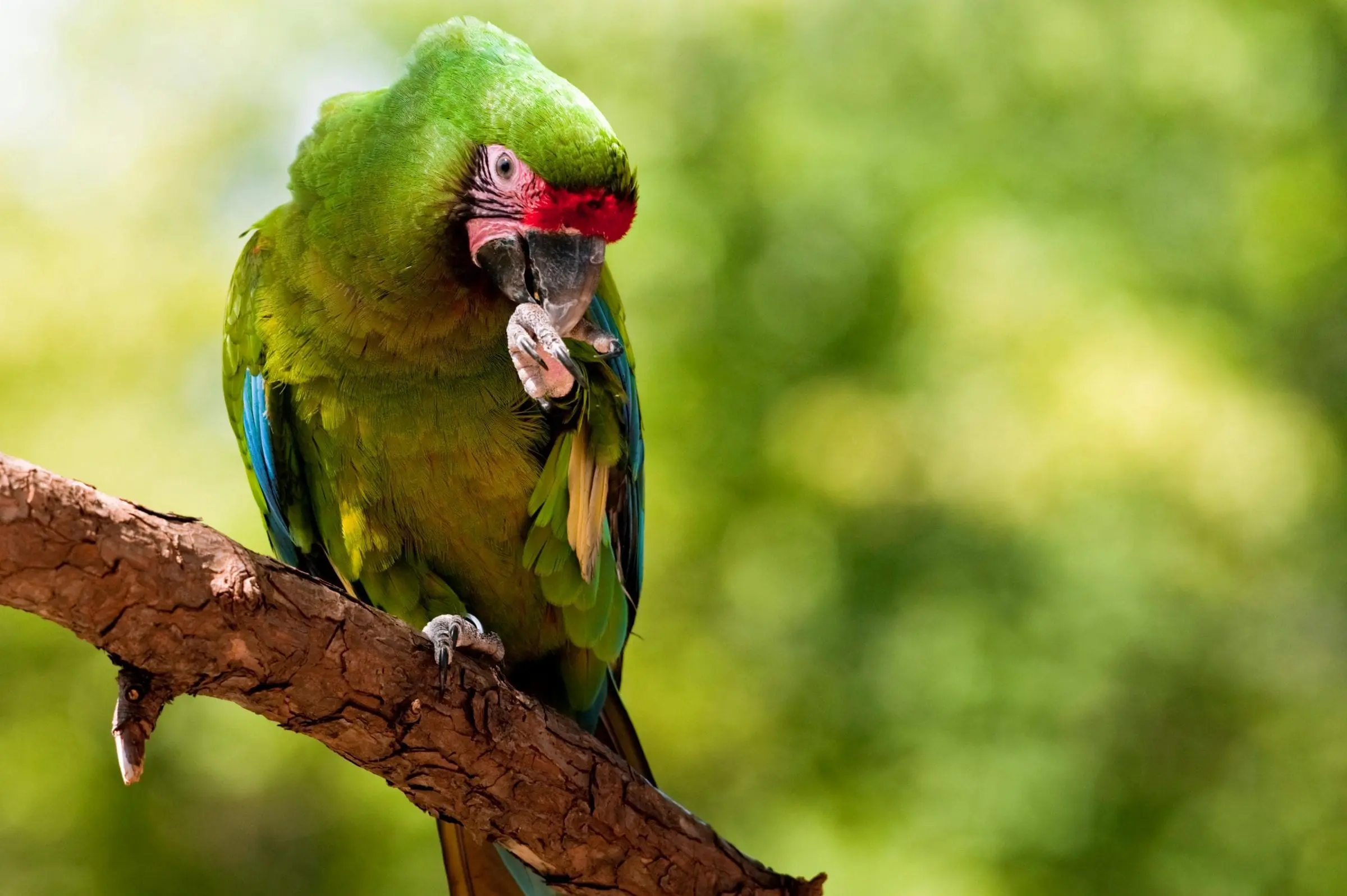
Habitat loss and degradation not only threaten parrots but lots of other species. We can help the wildlife around us by planting trees and pollinator-friendly plants; and only buying paper and wood products from certified sustainable sources.
To donate towards the conservation projects which Dublin Zoo support, click here.
What is Dublin Zoo doing to help parrots?
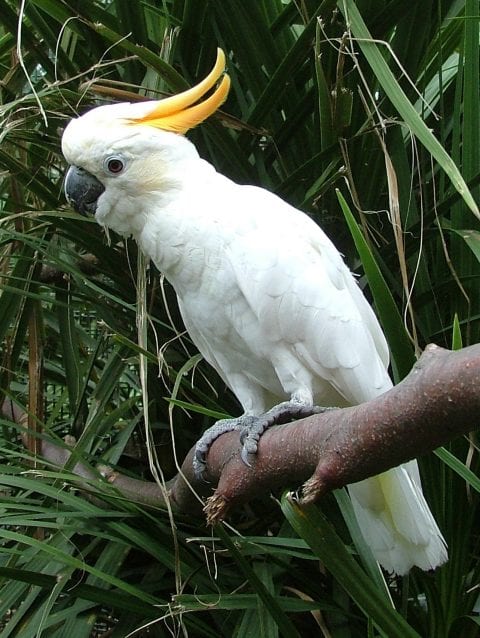
Dublin Zoo houses the citron-crested cockatoo, which is a species that are Critically Endangered and are part of European breeding programmes. Dublin Zoo also provides support to the coordinator of two breeding programmes for parrots (for the citron-crested cockatoo and Moluccan cockatoo) and support for the vice-chair of the Parrot TAG (Taxon Advisory Group; responsible for coordinating the work of zoos in Europe for parrots).
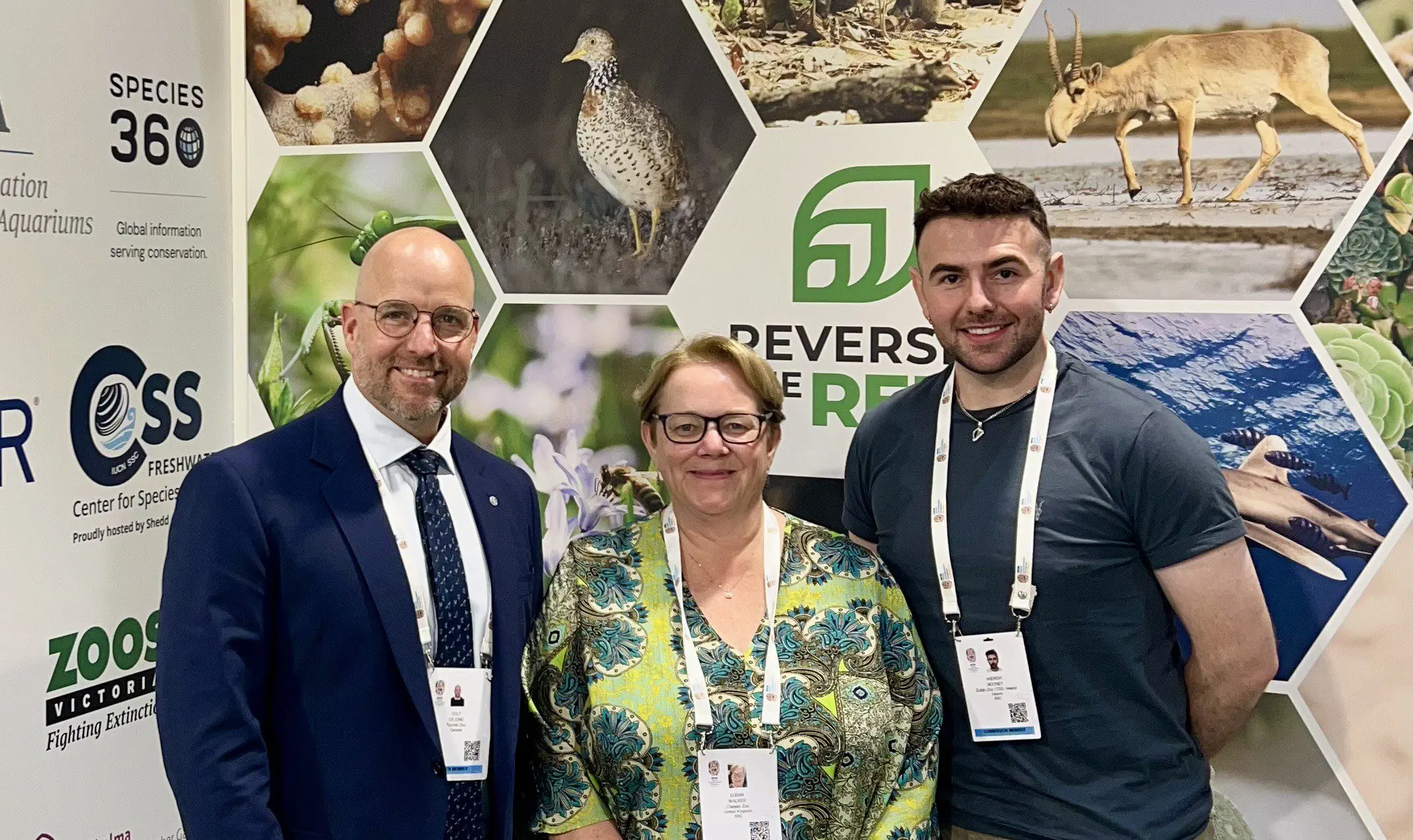
As the coordinator of two breeding programmes for parrots, we asked Sandra Molloy who is also the Registrar/Research and Conservation Coordinator at Dublin Zoo what the job requires?
Zoo breeding programmes aim to conserve healthy populations of animals in zoos while safeguarding the genetic health of the animals under our care. As coordinator of two breeding programmes, this entails receiving regular updates from zoos holding these species and making recommendations to transfer parrots, breed parrots or to recommend some institutions to hold non-breeding groups. There is only a limited amount of space in zoos so it is important to manage the zoo population size for each species.
The Parrot TAG (Taxon Advisory Group) is responsible for coordinating the work of zoos in Europe for parrots. This means liaising with breeding programme coordinators for parrot species and dealing with larger-scale parrot issues e.g. developing guidelines for virus management, improving breeding success in certain groups of parrots, encouraging greater support for parrot conservation in the wild etc.
If you would like to learn more about the EEP, click here.
What you can do?
Habitat loss and degradation not only threaten parrots but lots of other species. We can help the wildlife around us by planting trees and pollinator-friendly plants; and only buying paper and wood products from certified sustainable sources.
To donate towards the conservation projects which Dublin Zoo support, click here.
What is Dublin Zoo doing to help parrots?
Dublin Zoo houses the citron-crested cockatoo, which is a species that are Critically Endangered and are part of European breeding programmes. Dublin Zoo also provides support to the coordinator of two breeding programmes for parrots (for the citron-crested cockatoo and Moluccan cockatoo) and support for the vice-chair of the Parrot TAG (Taxon Advisory Group; responsible for coordinating the work of zoos in Europe for parrots).
As the coordinator of two breeding programmes for parrots, we asked Sandra Molloy who is also the Registrar/Research and Conservation Coordinator at Dublin Zoo what the job requires?
Zoo breeding programmes aim to conserve healthy populations of animals in zoos while safeguarding the genetic health of the animals under our care. As coordinator of two breeding programmes, this entails receiving regular updates from zoos holding these species and making recommendations to transfer parrots, breed parrots or to recommend some institutions to hold non-breeding groups. There is only a limited amount of space in zoos so it is important to manage the zoo population size for each species.
The Parrot TAG (Taxon Advisory Group) is responsible for coordinating the work of zoos in Europe for parrots. This means liaising with breeding programme coordinators for parrot species and dealing with larger-scale parrot issues e.g. developing guidelines for virus management, improving breeding success in certain groups of parrots, encouraging greater support for parrot conservation in the wild etc.
If you would like to learn more about the EEP, click here.
Operation gives visually impaired female hippo sight in her left eye