Animals
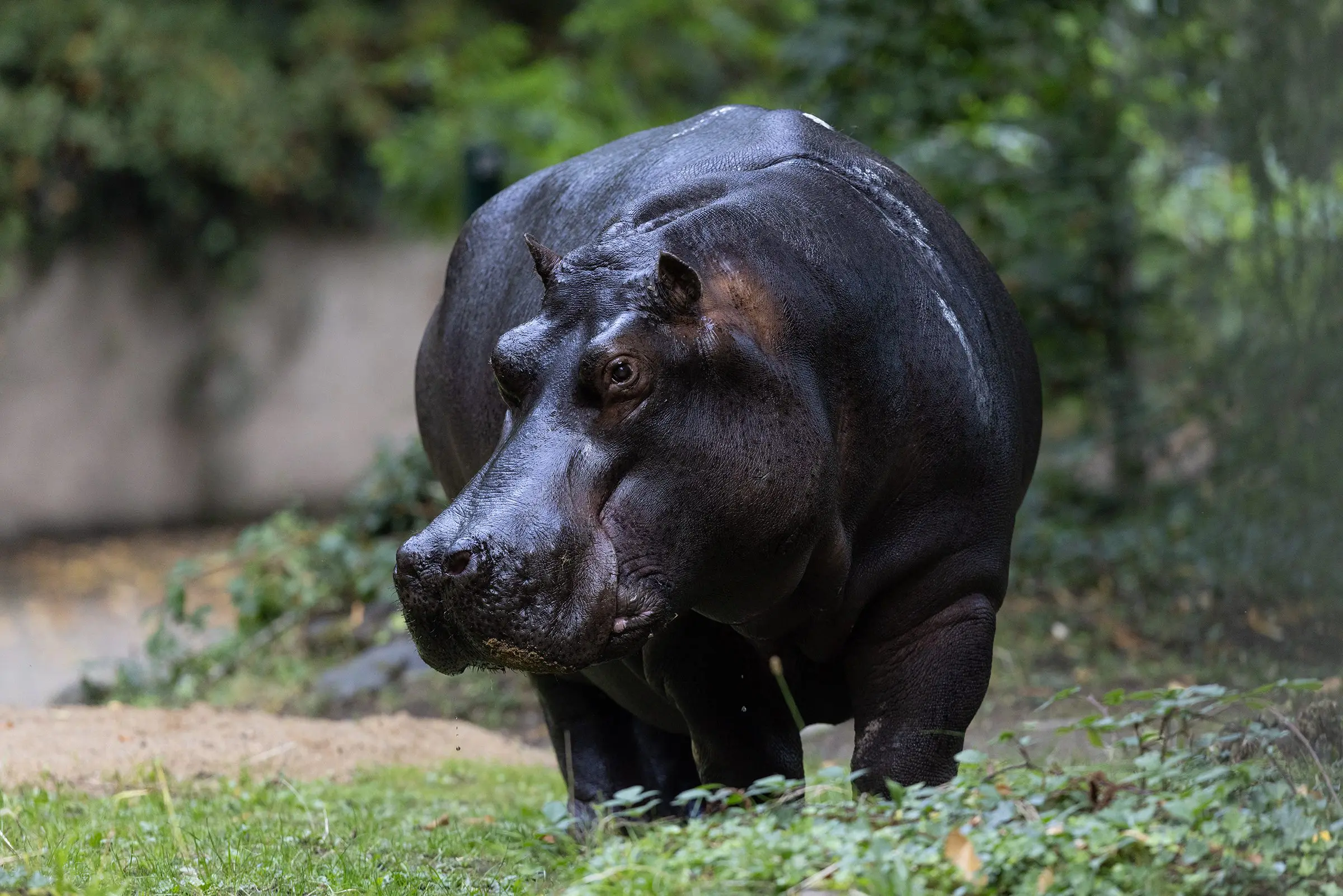
Imani the hippo undergoes historic cataract surgery at Dublin Zoo
Fri 12 DecemberOperation gives visually impaired female hippo sight in her left eye
 Helen added:
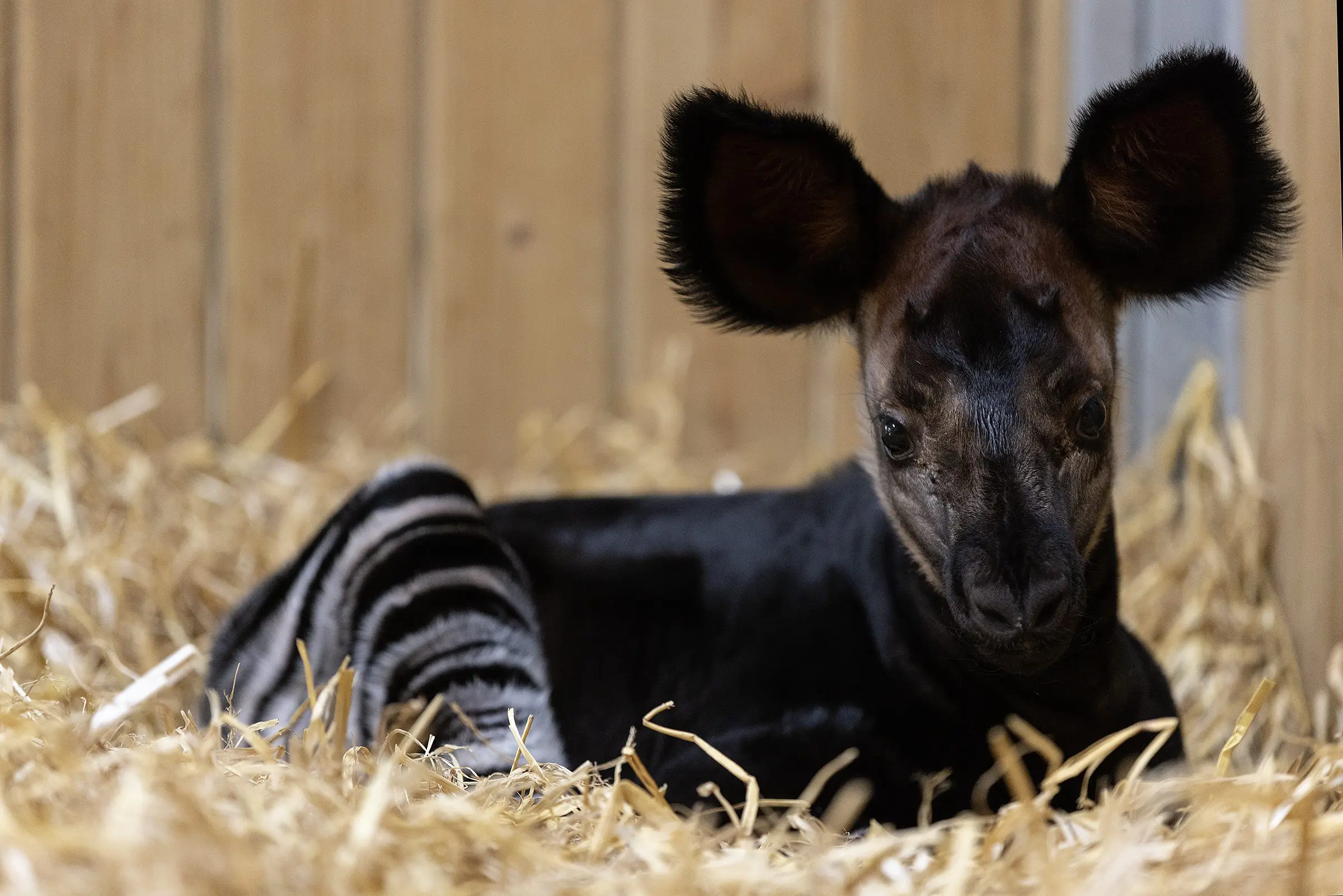
“The calf is thriving, and visitors exploring the African Plains area may be lucky enough to catch a glimpse of her in the coming days - and see just how much she has grown!”
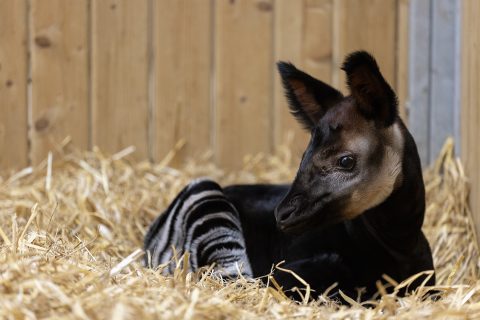
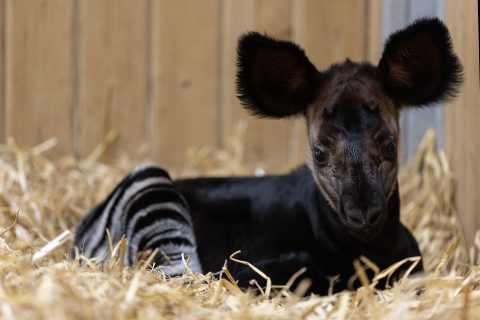
Okapis are large, hoofed mammals closely related to the giraffe. They have a reddish-brown, velvety coat with distinctive black-and-white stripes on their hind legs. Okapis are herbivores, feeding on a diet of leaves, shoots, fruits, and fungi. To meet these dietary needs, the okapis at Dublin Zoo are provided with a variety of foliage, including rose leaves - a particular favourite. For added enrichment, Dublin Zookeepers create “rose balls,” which are hanging baskets filled with rose leaves that encourage the okapis to use their long tongues to nibble at the nutritious treats. The okapi is listed as Endangered by the IUCN list (a critical indicator of the health of the world’s biodiversity) due to habitat loss, hunting, deforestation and civil unrest. Current population estimates range between 15,000 and 50,000 in the wild. Their natural habitat is the dense forests of the Democratic Republic of Congo (DRC) in Africa.
Dublin Zoo has supported okapi conservation since 2012, with financial contributions to support rangers and community services in and around the Okapi Wildlife Reserve in the DRC. The Okapi Wildlife Reserve monitors and protects okapi populations in the DRC.
Helen added:
“The calf is thriving, and visitors exploring the African Plains area may be lucky enough to catch a glimpse of her in the coming days - and see just how much she has grown!”
Okapis are large, hoofed mammals closely related to the giraffe. They have a reddish-brown, velvety coat with distinctive black-and-white stripes on their hind legs. Okapis are herbivores, feeding on a diet of leaves, shoots, fruits, and fungi. To meet these dietary needs, the okapis at Dublin Zoo are provided with a variety of foliage, including rose leaves - a particular favourite. For added enrichment, Dublin Zookeepers create “rose balls,” which are hanging baskets filled with rose leaves that encourage the okapis to use their long tongues to nibble at the nutritious treats. The okapi is listed as Endangered by the IUCN list (a critical indicator of the health of the world’s biodiversity) due to habitat loss, hunting, deforestation and civil unrest. Current population estimates range between 15,000 and 50,000 in the wild. Their natural habitat is the dense forests of the Democratic Republic of Congo (DRC) in Africa.
Dublin Zoo has supported okapi conservation since 2012, with financial contributions to support rangers and community services in and around the Okapi Wildlife Reserve in the DRC. The Okapi Wildlife Reserve monitors and protects okapi populations in the DRC.
Operation gives visually impaired female hippo sight in her left eye