White-naped Mangabey
The white-naped mangabey - also known as the white collared mangabeys
Species
Mammals
Habitat
Rainforest
Diet
Omnivores
Conservation Status
Endangered
White-naped Mangabey
Cercocebus lunulatus
Irish Name: Mangabaí baicbhán
ICUN Status: Endangered
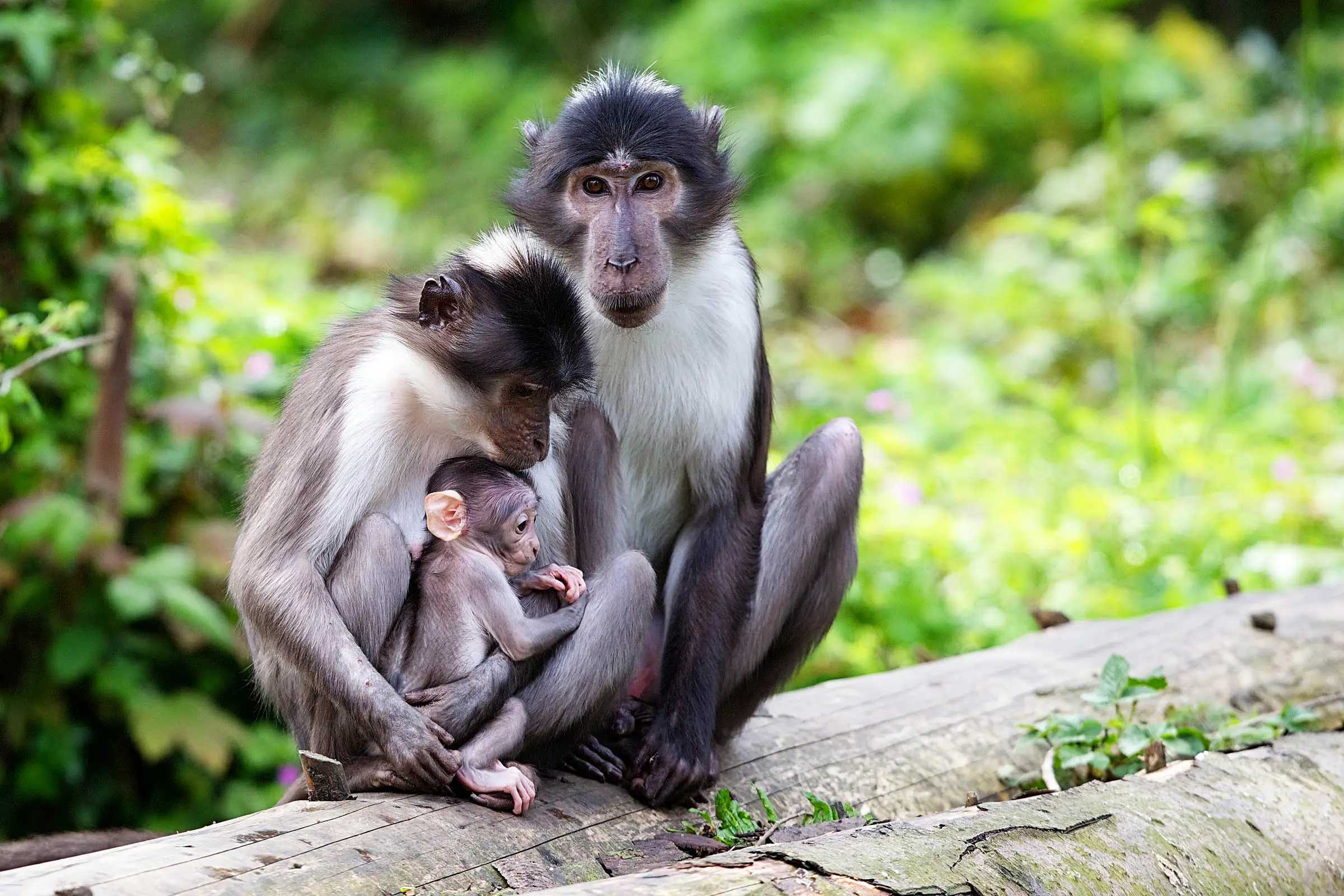
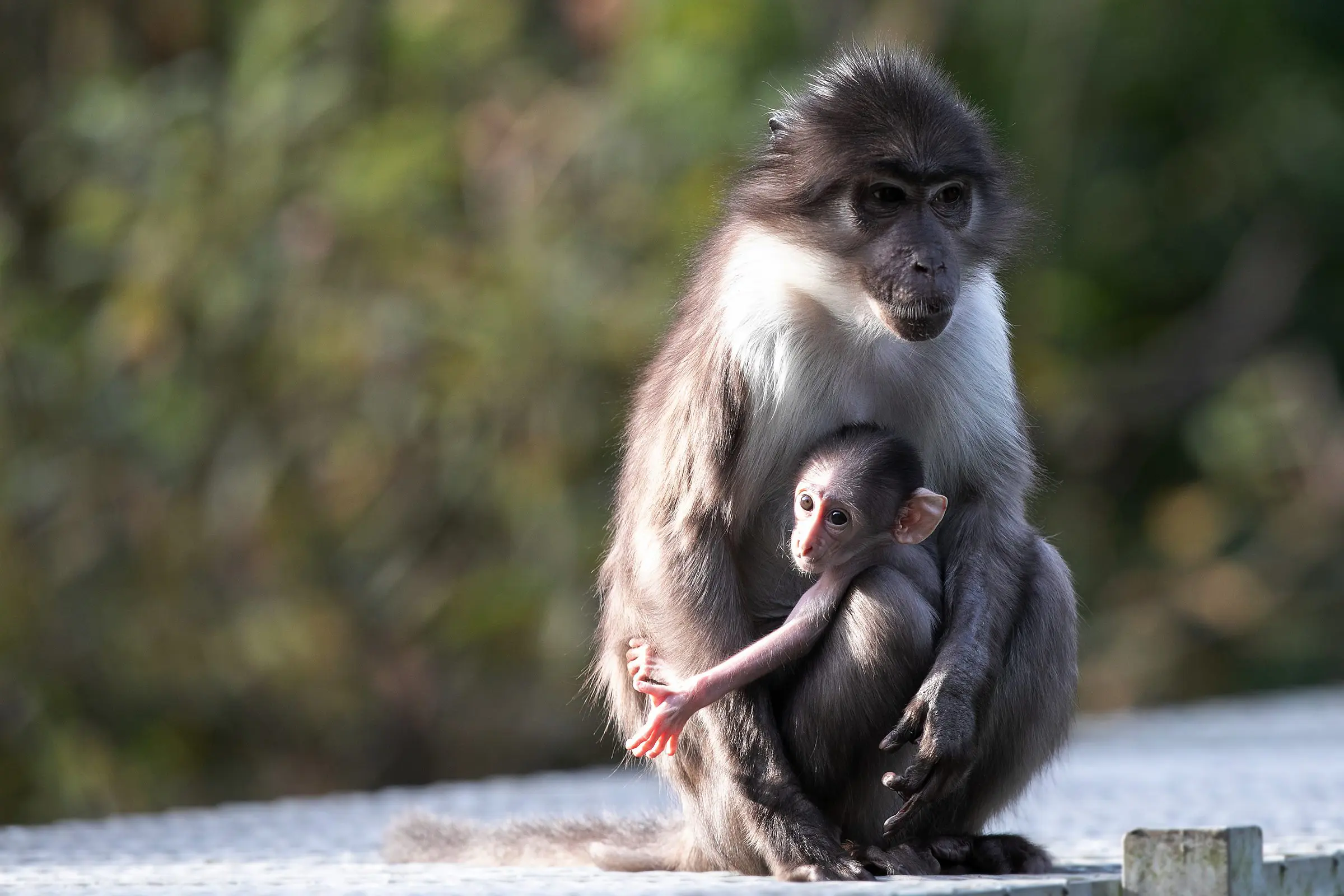
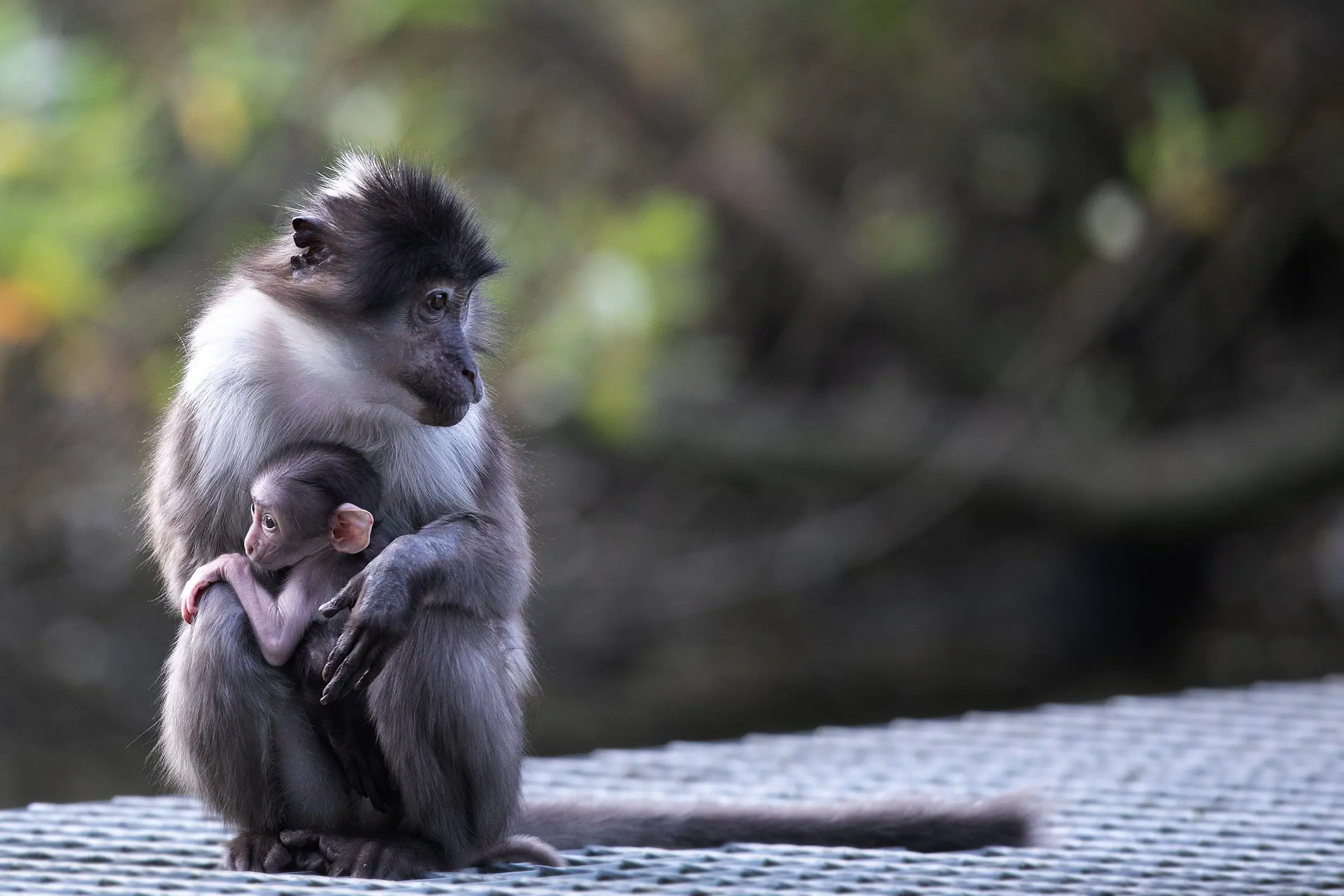
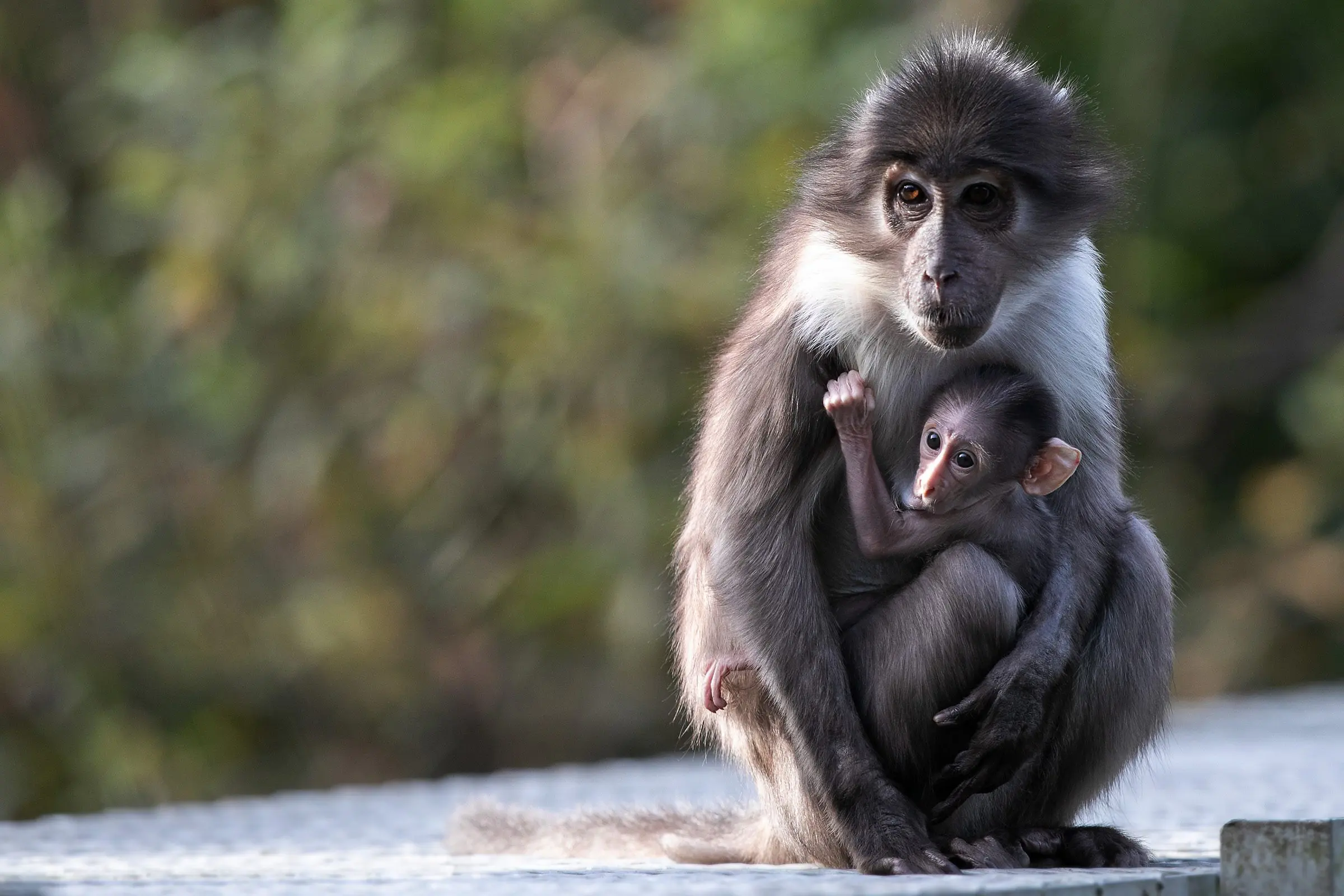
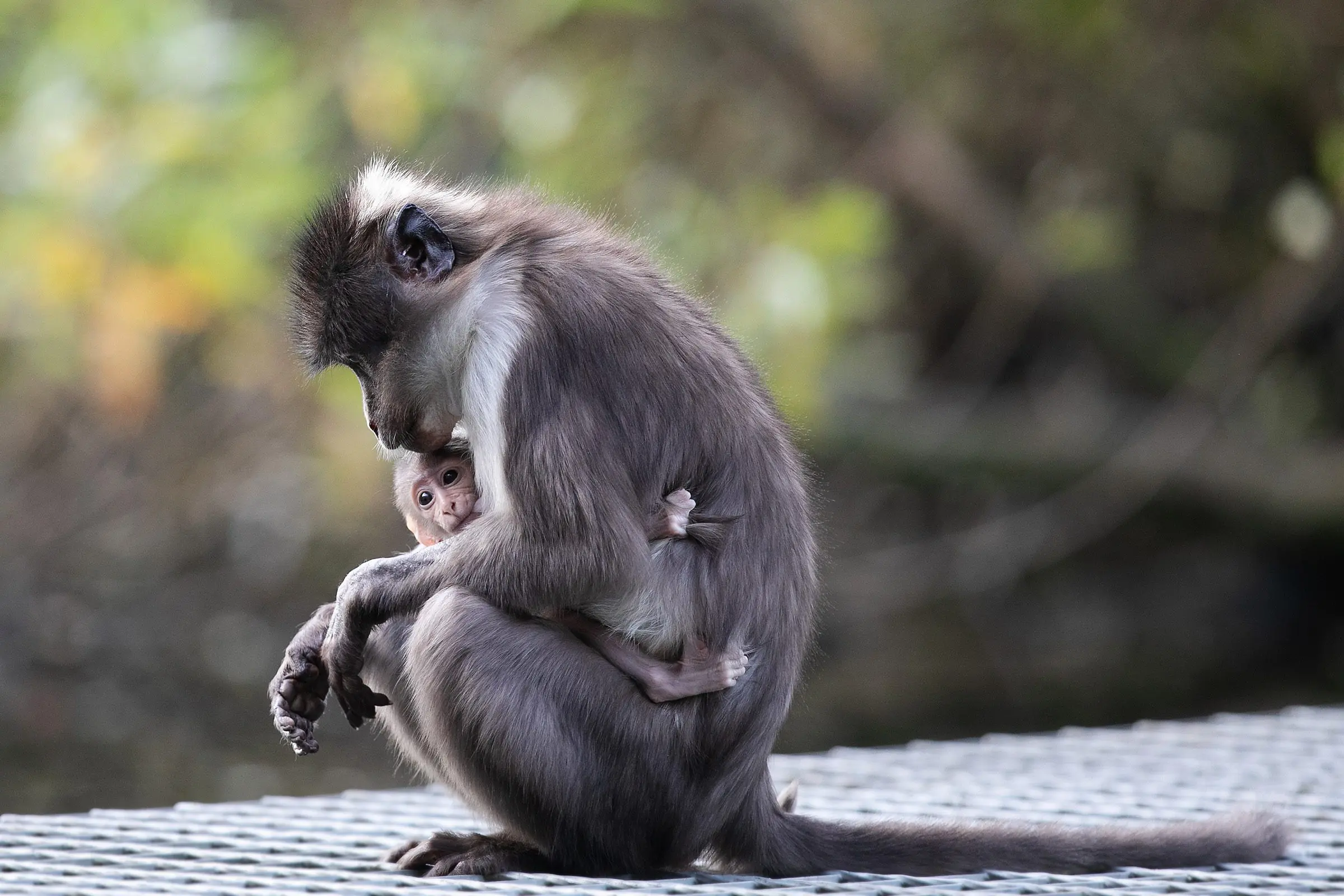
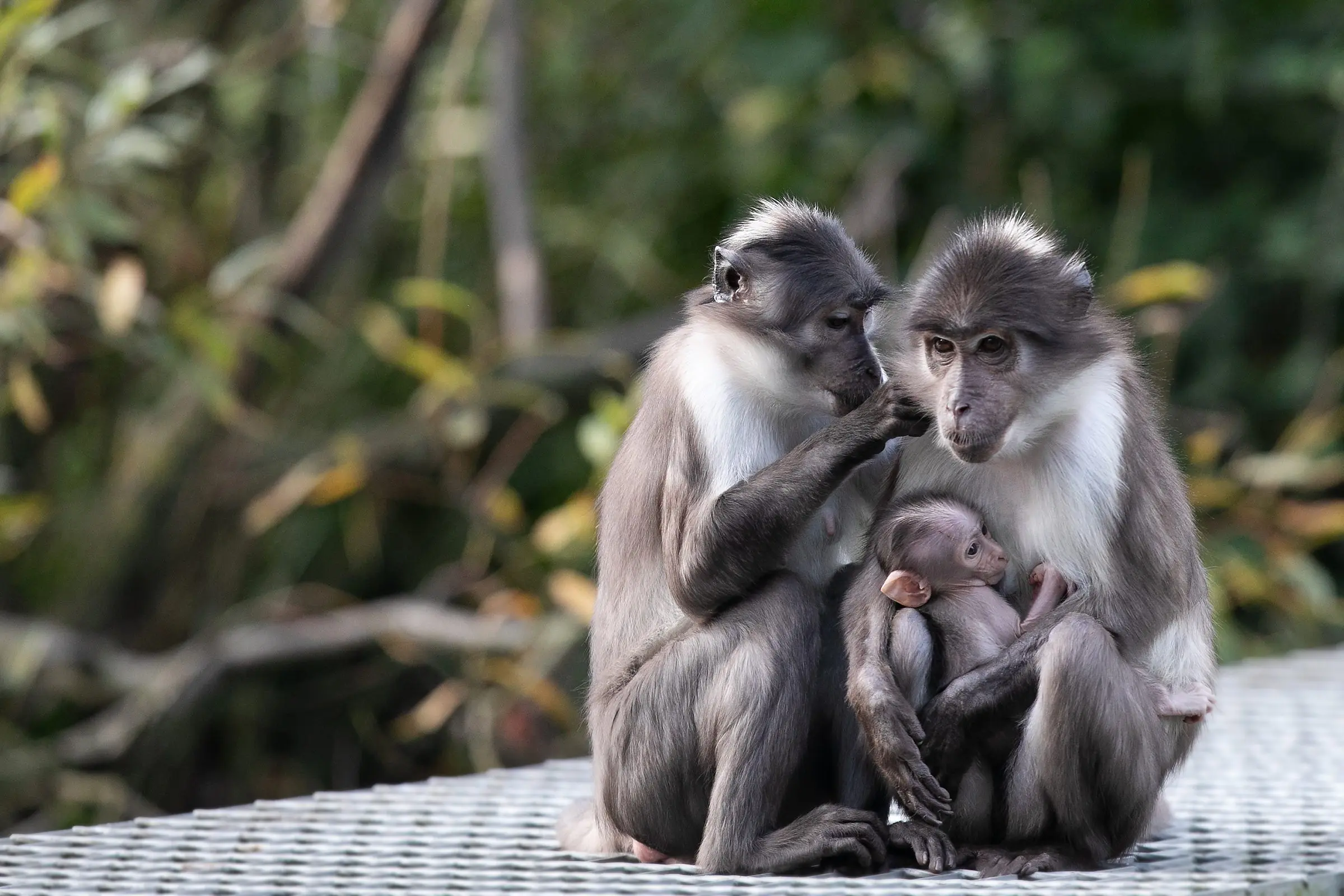
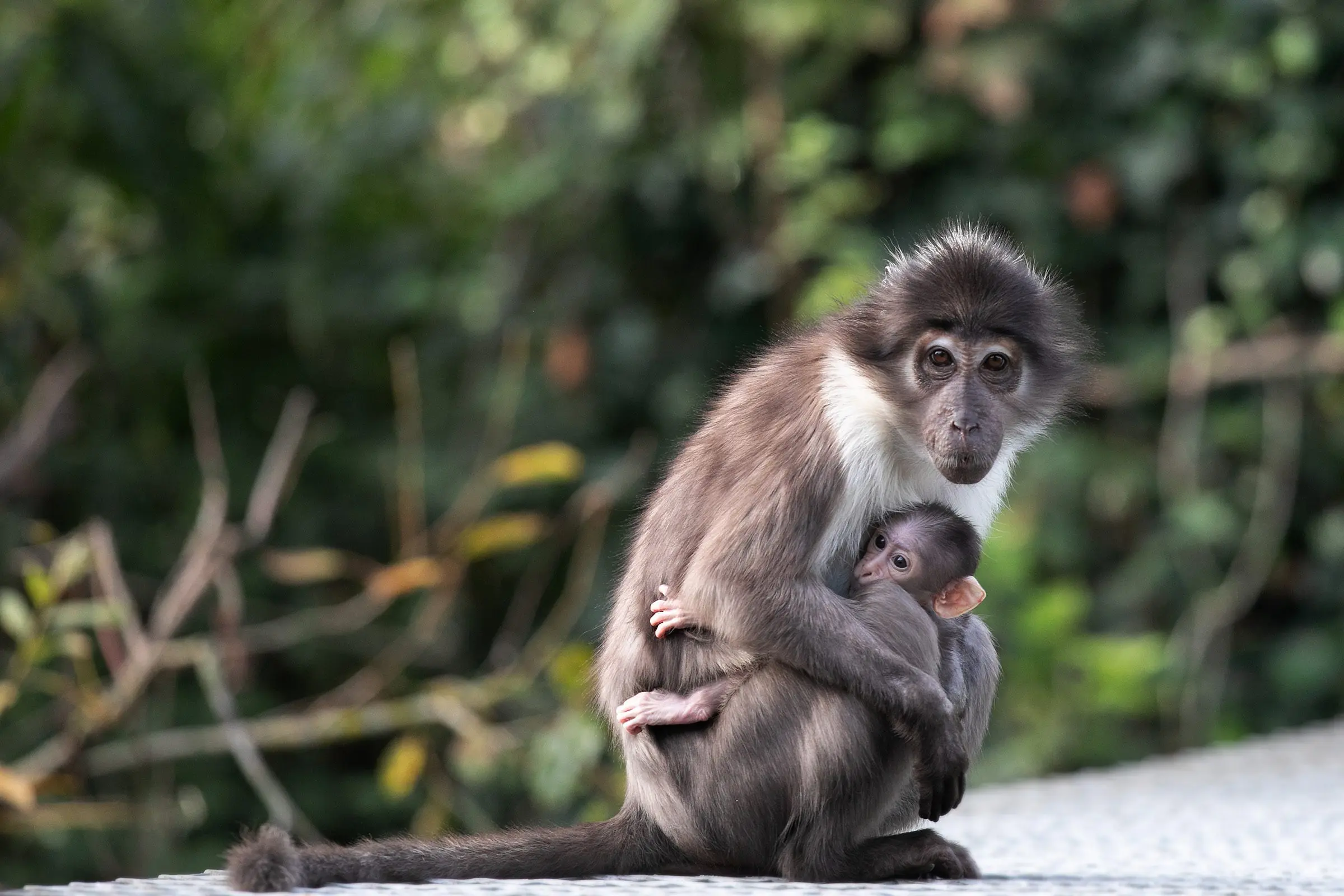
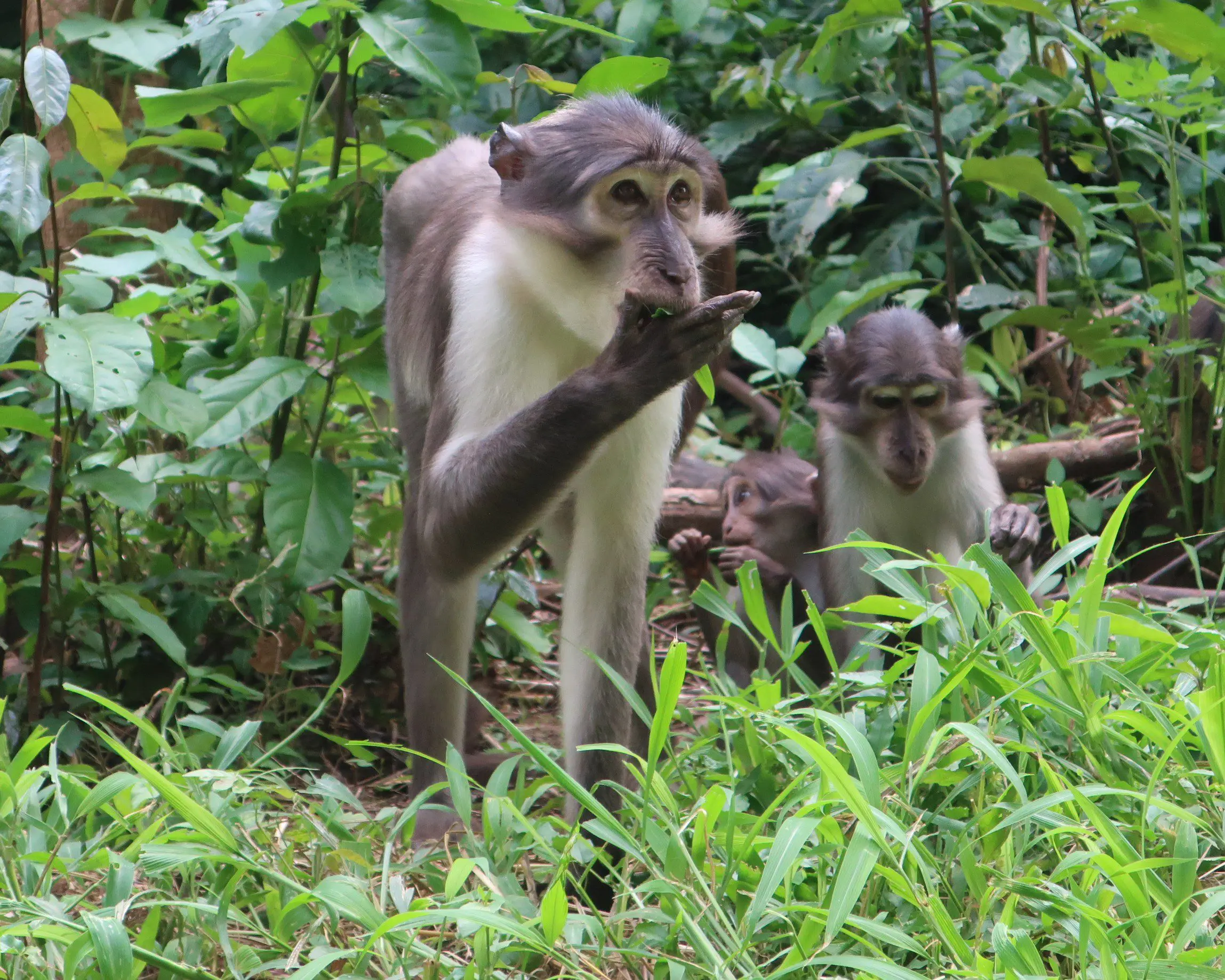
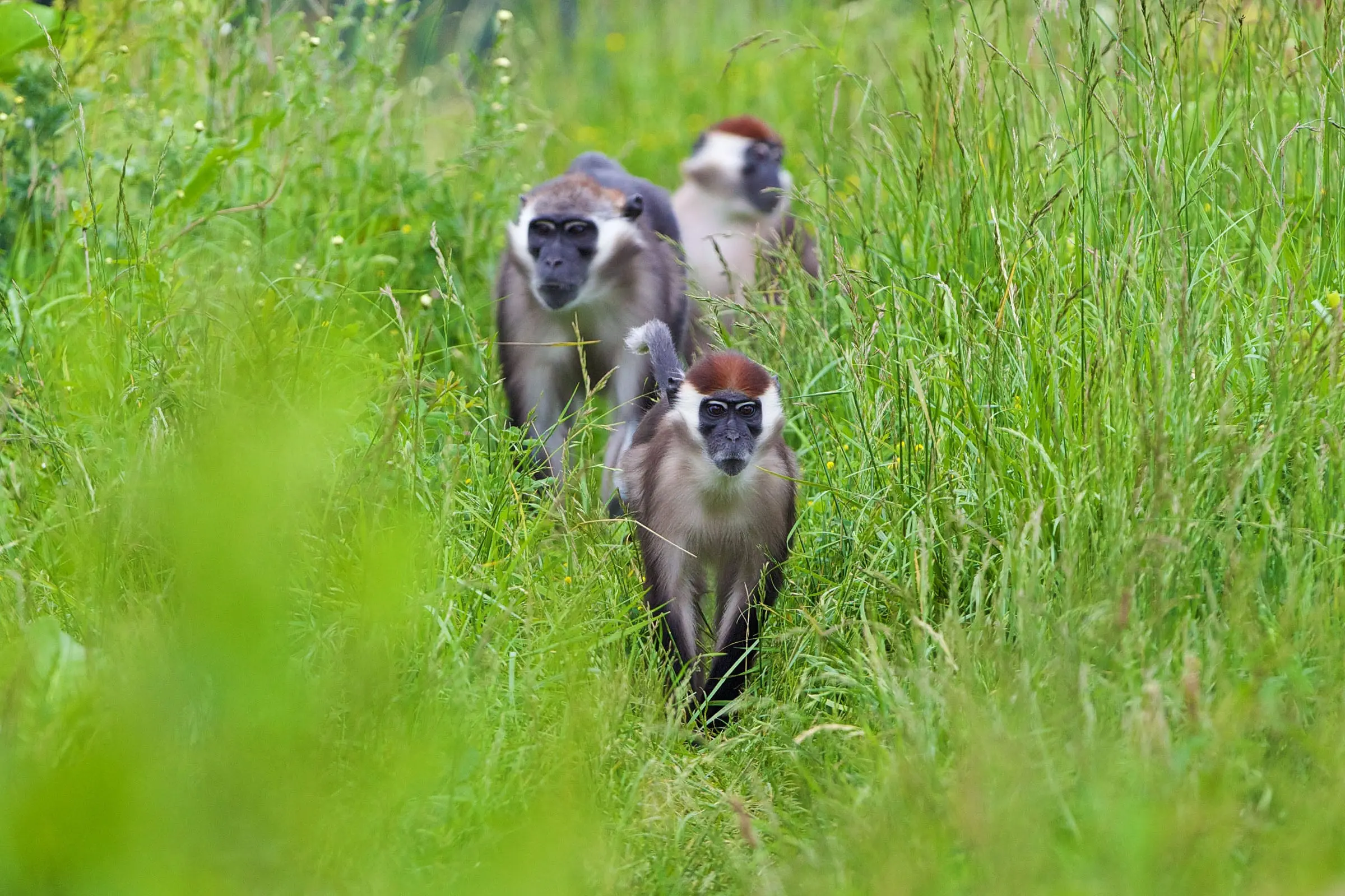
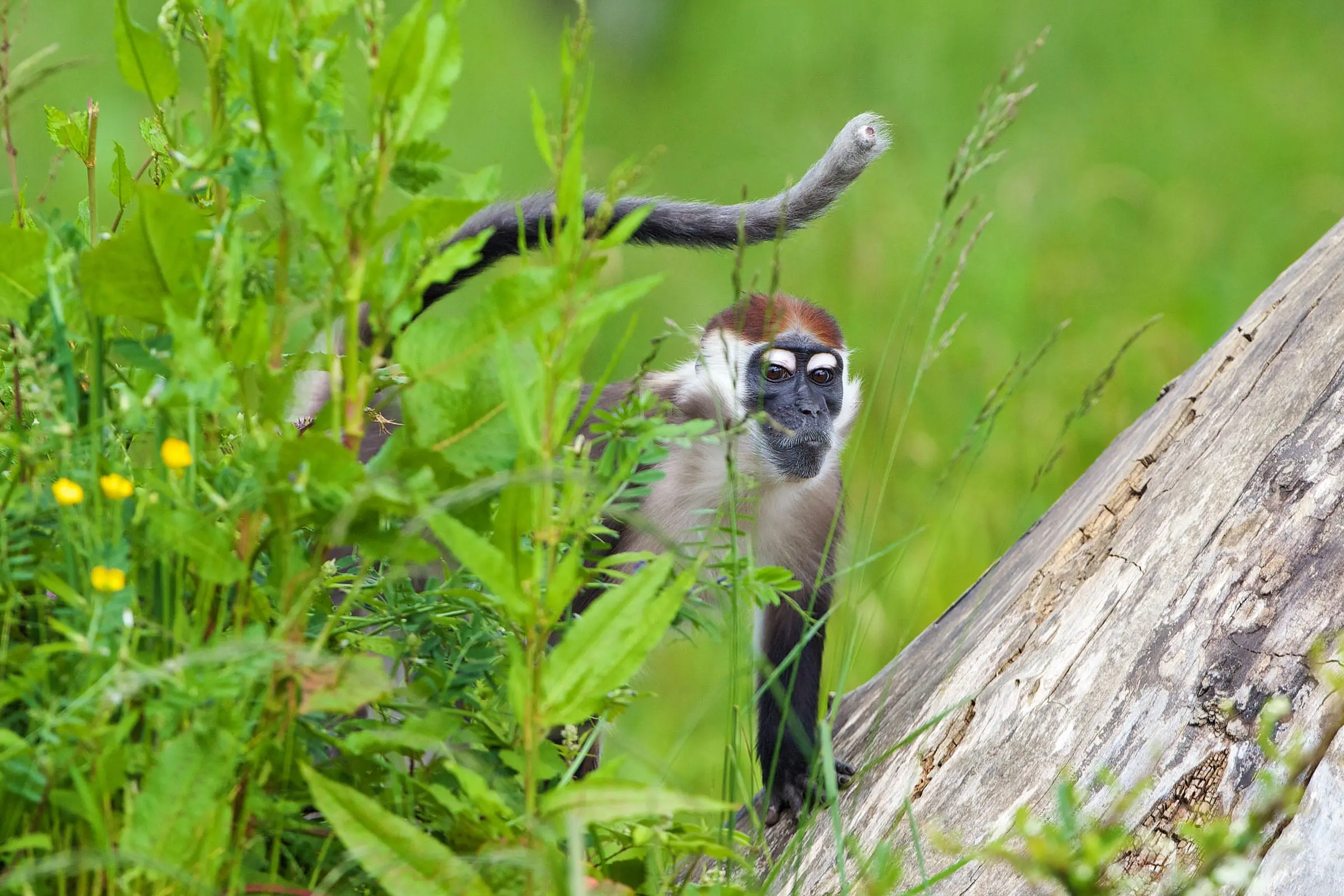
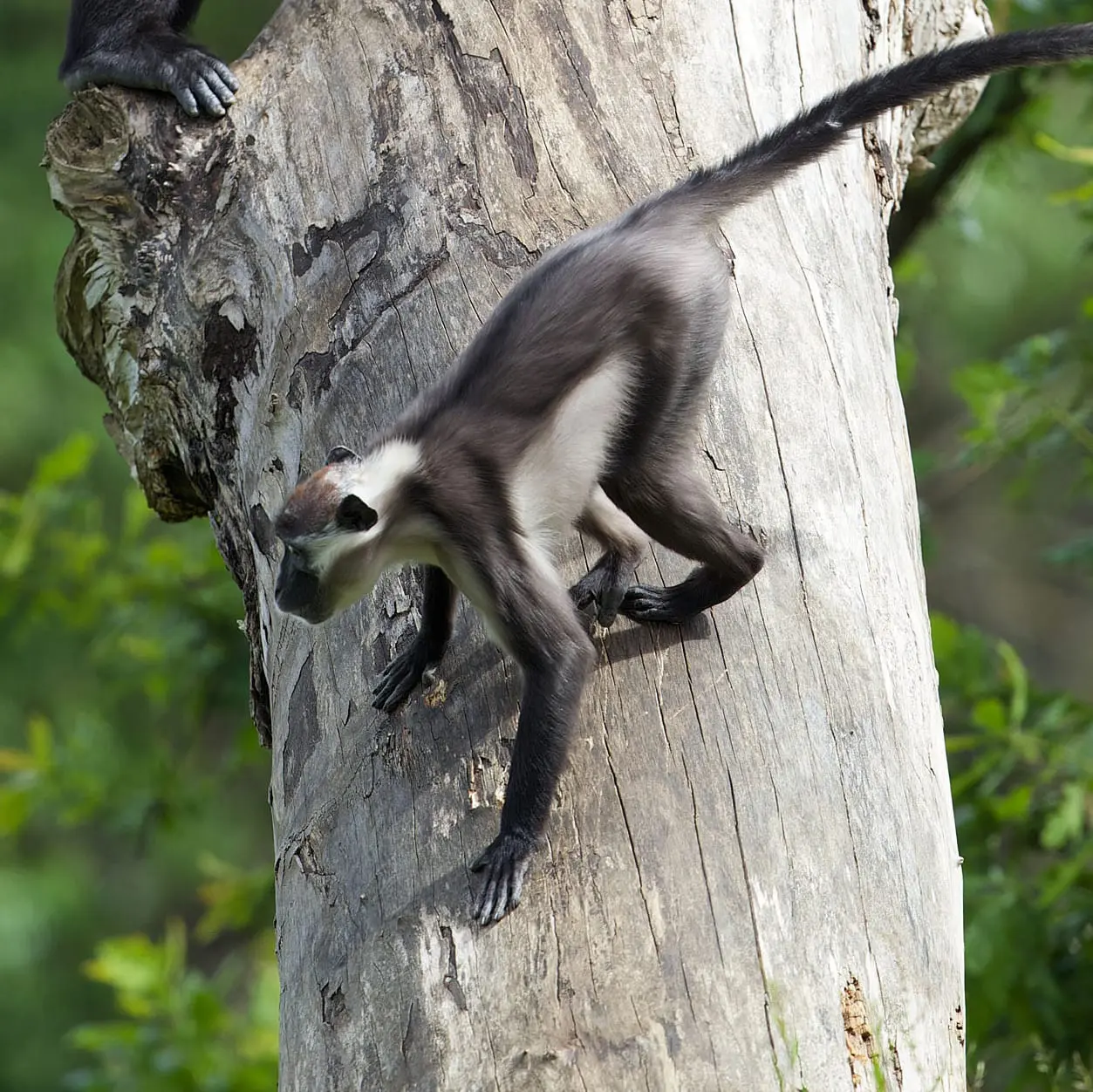
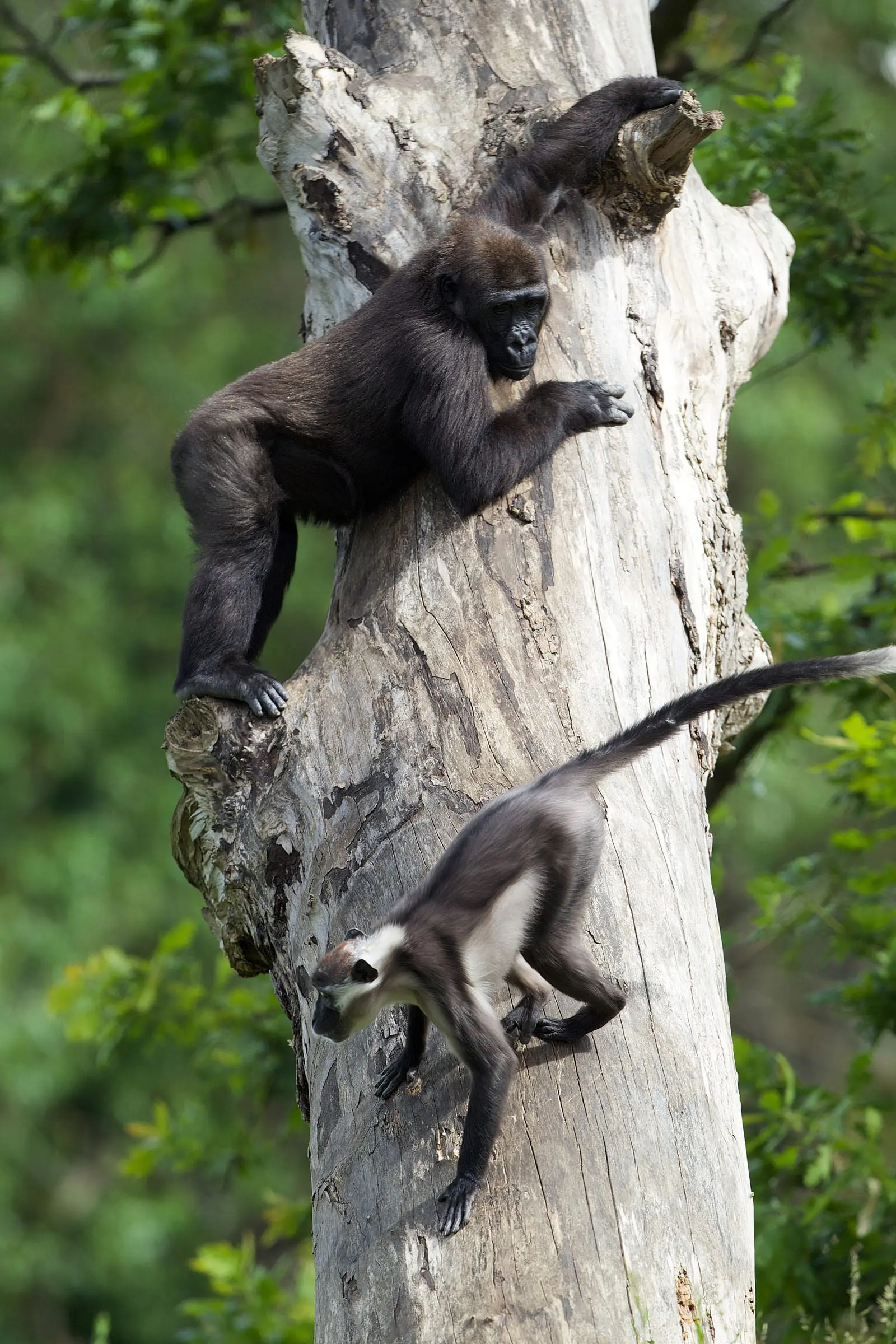
The white-naped mangabey – also known as the white collared mangabey – has a brownish-grey coat with a lighter-coloured chest and stomach. Their faces are greyish-pink with white eyelids and they have a white patch on the top of their head. They have a long black stripe running down their back.
General Information
Zoo location
African Plains
Animal class
Mammalia
Animal order
Primates
Where do they live (Natural habitat)?
The white-naped mangabey is found in rainforests and mangrove swamps in Western Africa (Ghana, Cote d’Ivoire, Burkina Faso).
How long do they live?
25-30 years
What do they eat?
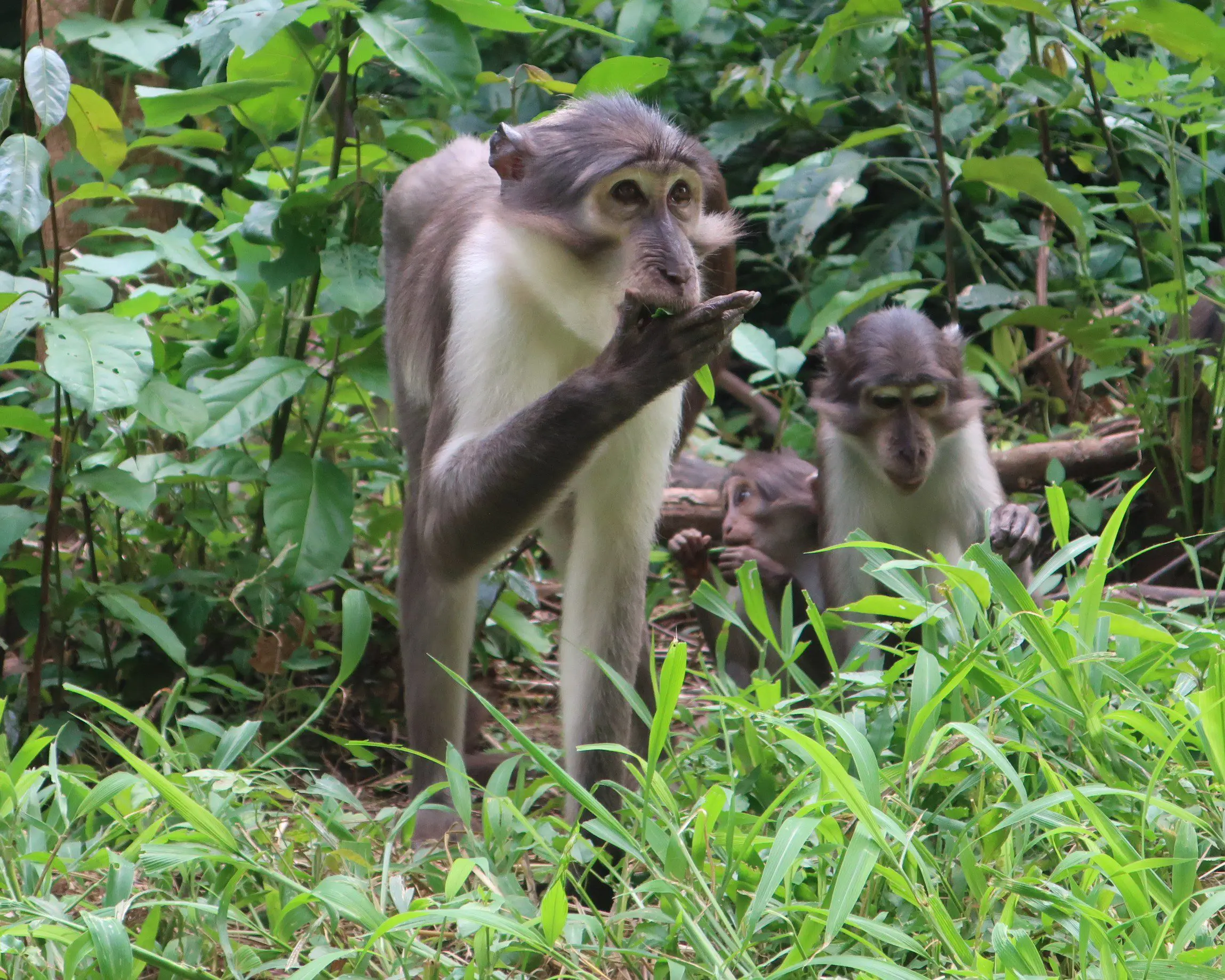
White-naped mangabeys are omnivores, meaning they feed on both plants and animals. They have a diverse diet that includes seeds, fruit, nuts, fungi and invertebrates. They mainly forage for food on the forest floor, but also spend time foraging in trees. They have strong jaws and large incisor teeth that allow them to eat hard nuts and fruit.
Group name
Troop
Closest related species / sister species
The white-naped mangabey was until recently considered a subspecies of the grey mangabey. Following a reclassification, it is now considered a separate species. Its closest related species is the sooty mangabey.
Fun Facts!
The white-naped mangabey
Family life
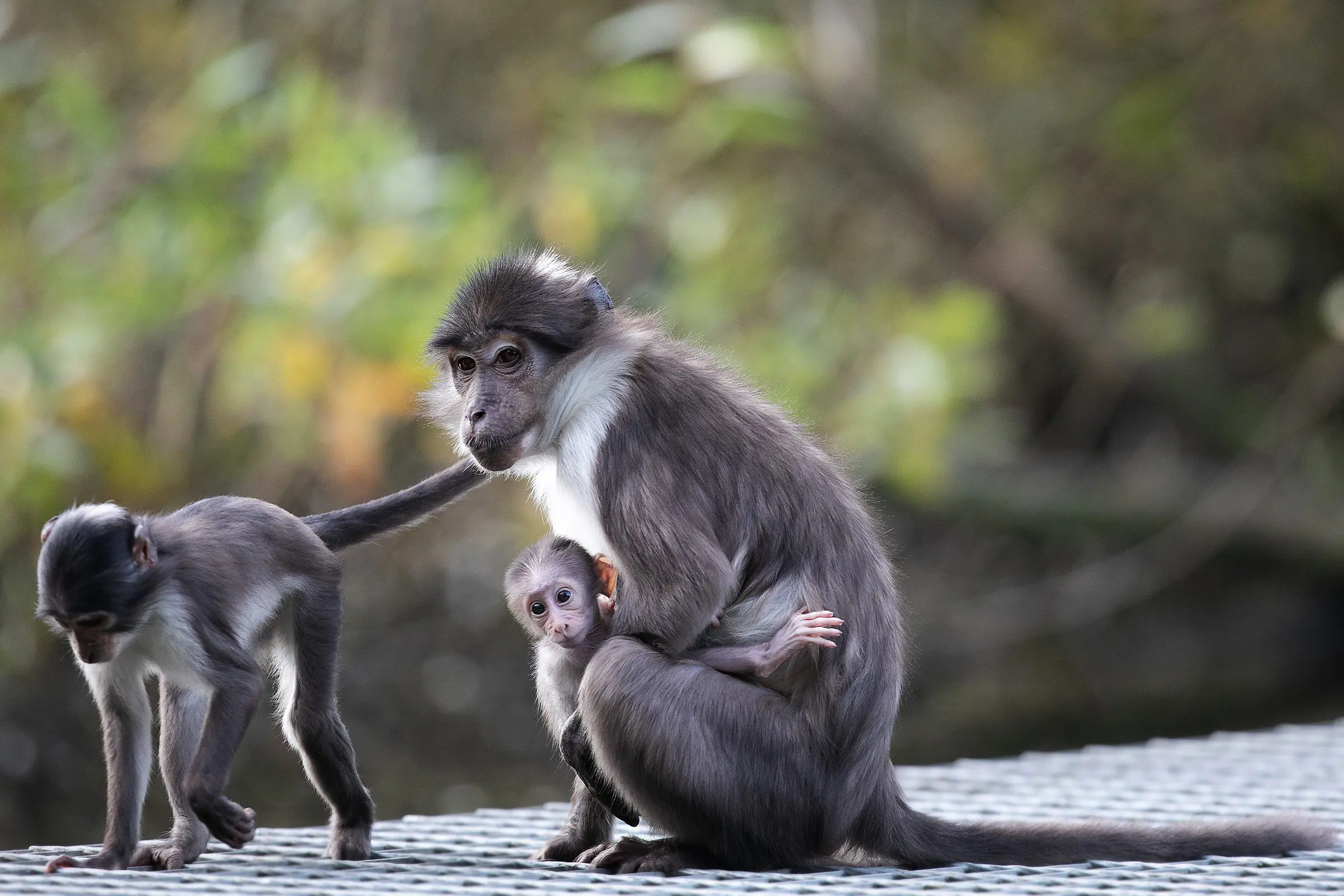
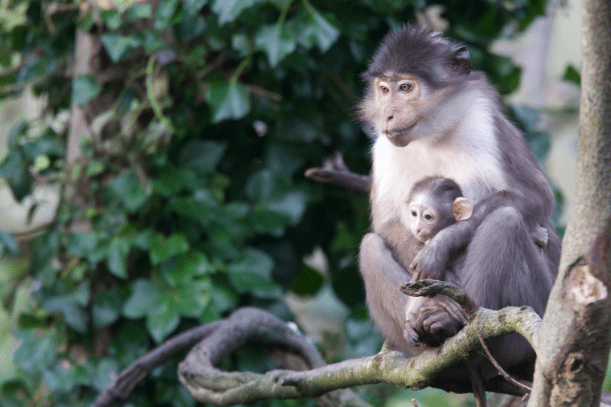
White-naped mangabeys are social animals. They live in troops of 10-90 individuals, this number usually depends on the availability of food and shelter. Each troop contains a number of males and females. There is usually one adult male per troop that acts as the leader and protector. However, in larger groups, there can be two to three dominant males that will forage for food with their own family unit. The females stay with their troops from birth. Males will leave the troop when they are 5 years old in search of another troop to join.
Baby name
Infant
Gestation (pregnancy) period
Approximately 6 months
Number of young at birth
One
Weight at birth
Approximately 400g
Age at maturity
Approximately 5 years
Size male adult
Length: 55+cm and they weigh between 4-9 kg.
Size female adult
Length: 45-47cm and they weigh between 4-9 kg.
Conservation
Endangered
The white-naped mangabey is listed as Endangered by the International Union for Conservation of Nature.
Current population estimate
Unknown but rapidly declining
Threats
The white-naped mangabey is under threat from the destruction of their habitat by deforestation. They are also poached (hunted) as bushmeat and are being killed for raiding farmers’ crops.
What is Dublin Zoo doing?
In 2001 Dublin Zoo was one of 11 European zoos, together with two nature conservation organisations, that established the West African Primate Conservation Action (WAPCA). The aim of WAPCA is the conservation of endangered primate species in western Africa, including the white-crowned mangabey. Dublin Zoo also participates in the EEP breeding programme for this species.
Frequently Asked Questions
Some species of mangabey can swim short distances.
Although mangabeys are predominately herbivorous (plant-eating), they also eat invertebrates such as insects and spiders.
White-naped mangabeys are currently classified as Endangered by the IUCN. Their exact population size is unknown but is known to be rapidly declining.