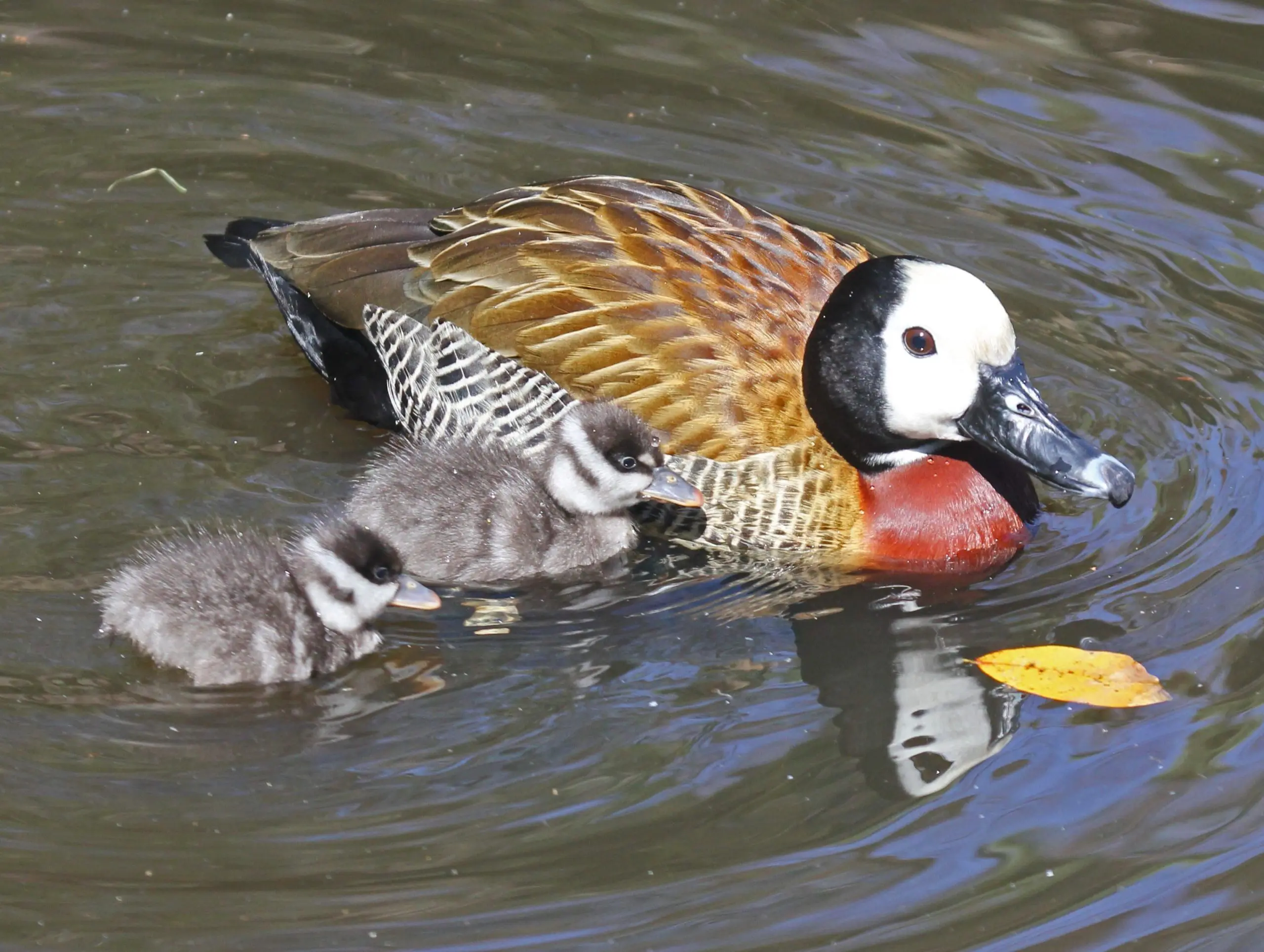
White-faced whistling duck
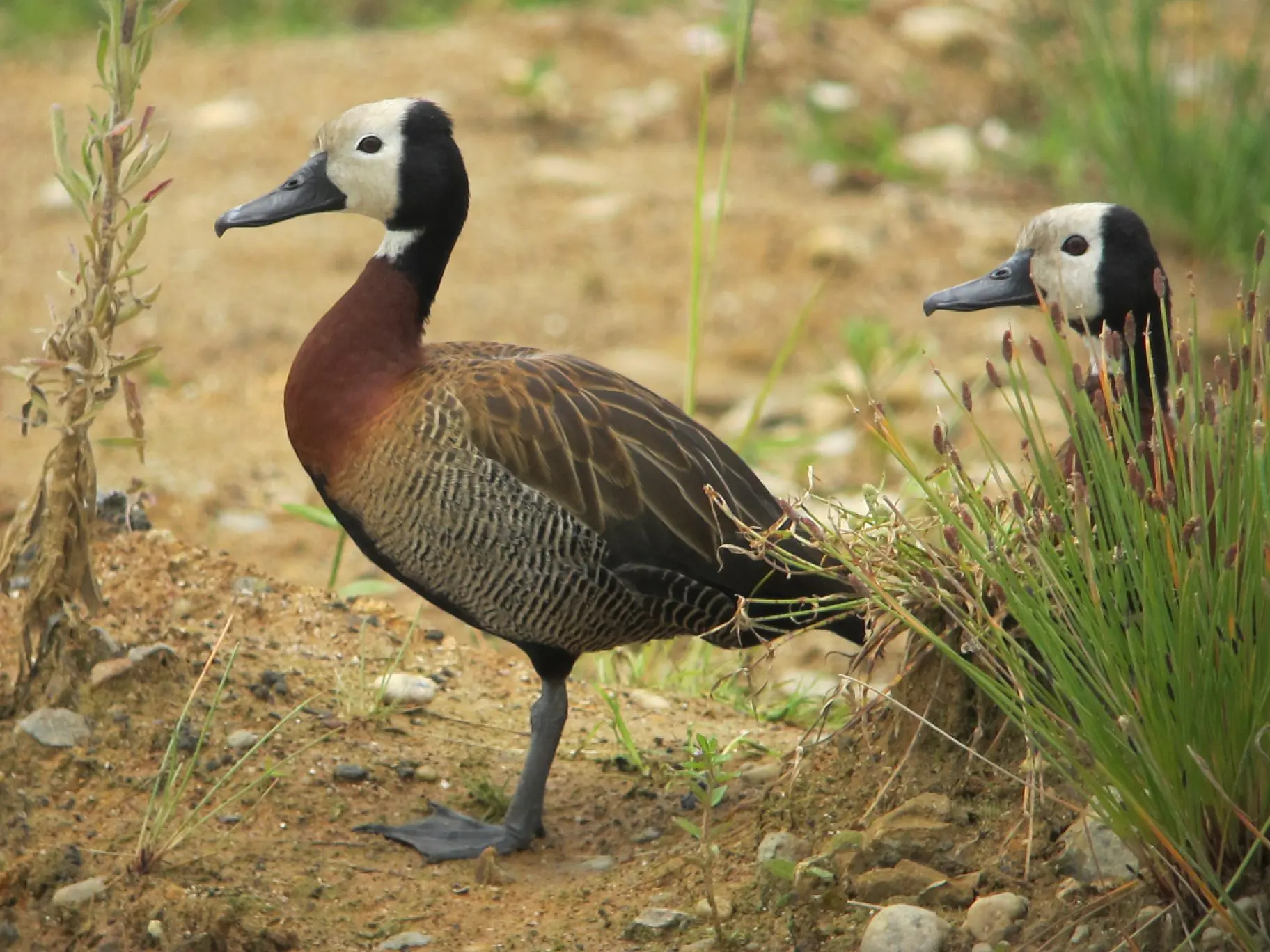
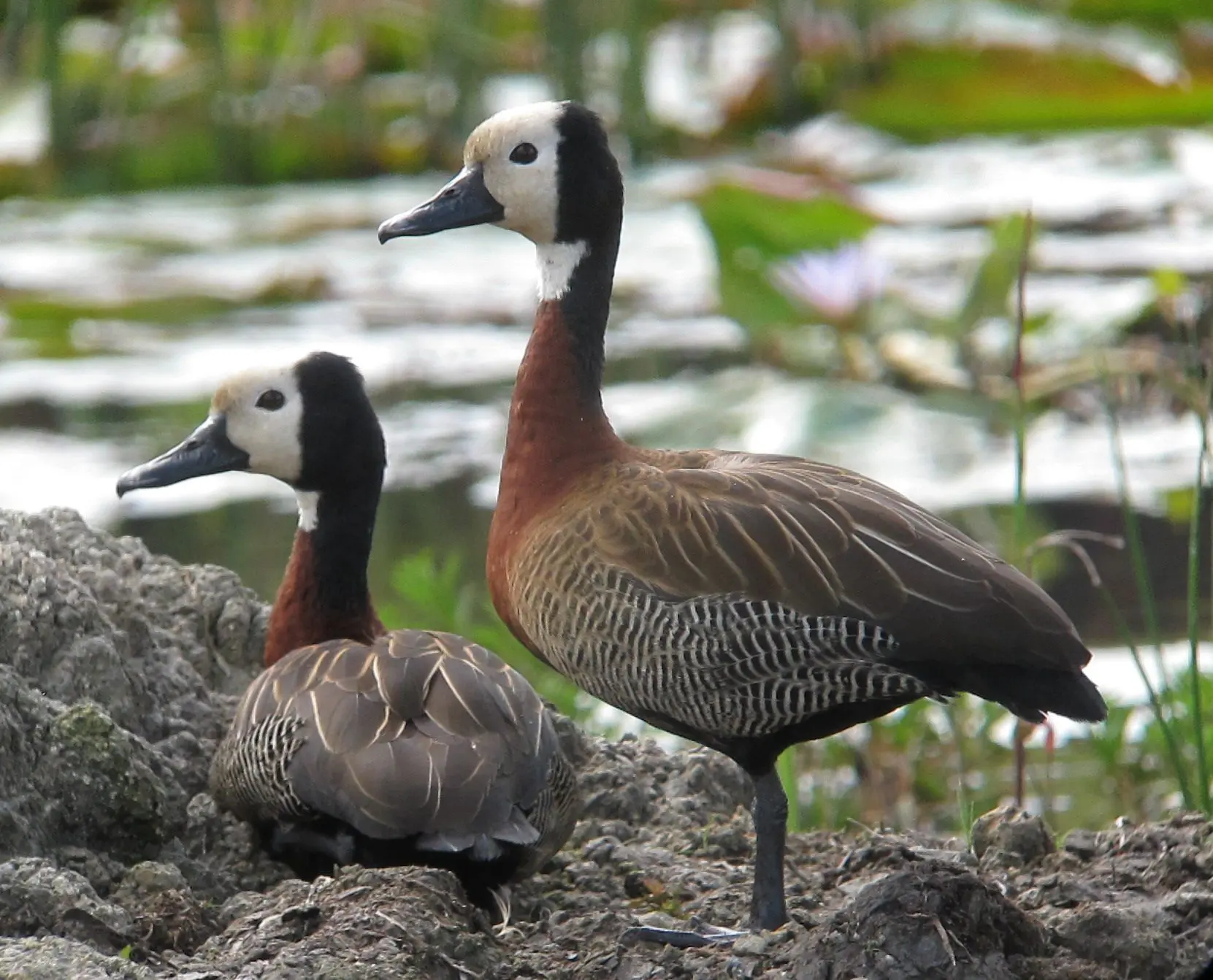
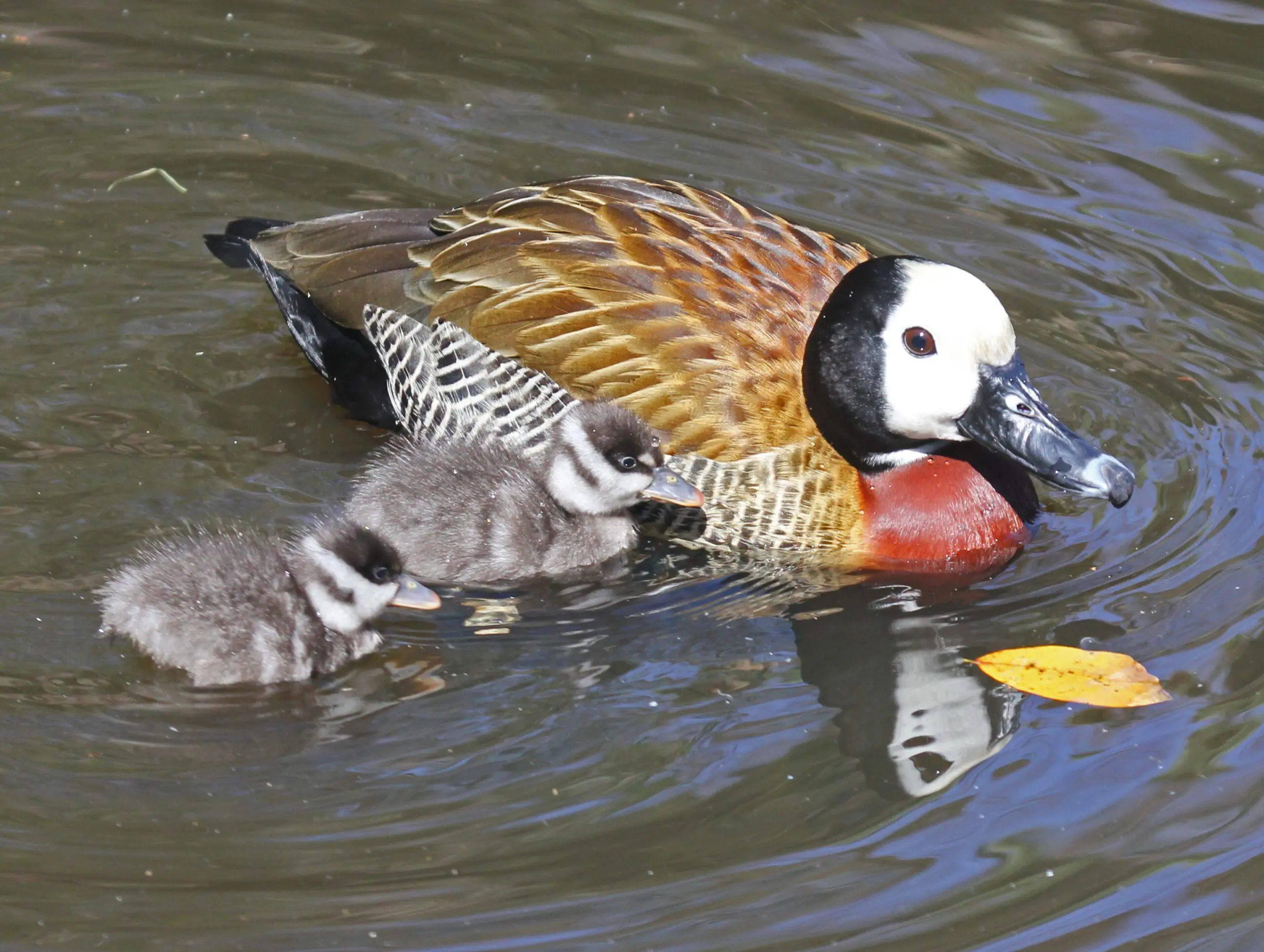
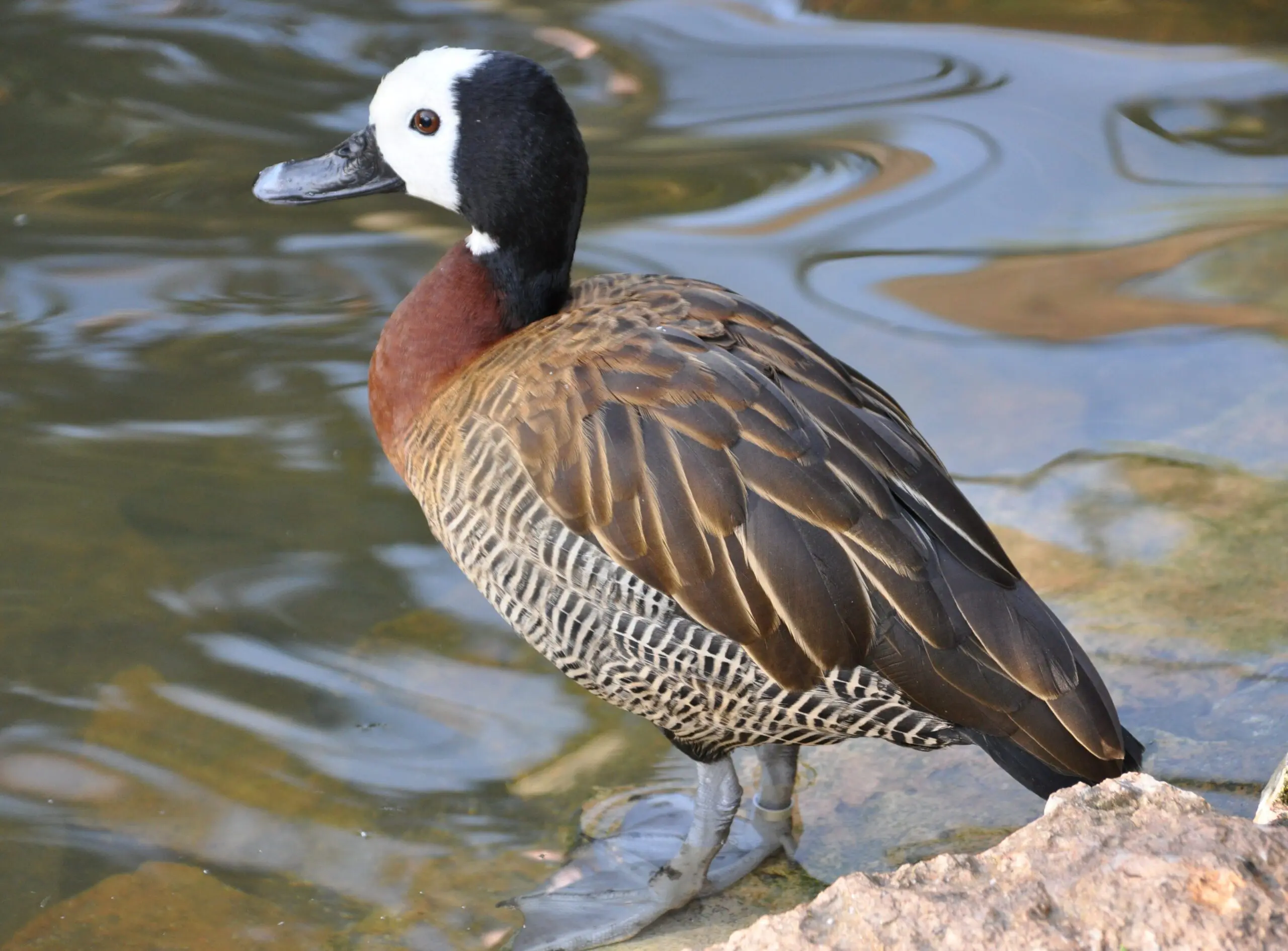
They have a grey bill with a white face, black head and neck, a chestnut-coloured lower neck and chest, and a brown body
Species
Birds
Habitat
Wetlands
Diet
Omnivore
Conservation Status
Least Concern
White-faced whistling duck
Lygodactylus williamsi
Irish Name: Lacha
ICUN Status: Least Concern
The white-faced whistling duck is a species of whistling duck from the subfamily Dendrocygninae. They have a grey bill with a white face, black head and neck, a chestnut-coloured lower neck and chest, and a brown body. As the name suggests, they make a distinctive whistling noise comprised of three notes. Adults typically weigh around 1 kilogram when fully grown.
They are widely distributed, being found throughout most of South America and sub-Saharan Africa.
General Information
Zoo location
Flamingo Lagoon
Animal class
Aves
Animal order
Anseriformes
Where do they live (Natural habitat)?
White-faced whistling ducks occupy a large range of habitats across their range, with a preference towards wetlands, flood plains, and lagoons.
How long do they live?
White-faced whistling ducks typically live for between 10 and 12 years.
What do they eat?
The white-faced whistling duck is an omnivore, feeding largely on seeds, grasses, and occasionally crustaceans and aquatic molluscs such as snails. They feed most frequently at night.
Group name
The collective name for a group of ducks depends on where they are. On land, they are referred to as a ‘waddle’, while on the water they are called a ‘raft’.
Closest related species / sister species
White-faced whistling ducks are most closely related to other whistling ducks in the genus Dendrocygna, which is comprised of 8 species including the West Indian whistling duck and the plumed whistling duck.
Fun Facts!
The white-faced whistling ducks
Behaviours
White-faced whistling ducks are highly social, even when compared to other whistling ducks. Flocks of these birds can sometimes number over 1,000 individuals. They frequently participate in mutual nibbling, and pairs will often call out to each other when separated.
They produce a high-pitched, three note whistling noise that is the easiest identifier of the species at a distance.
Reproduction and Life Cycle
White-faced whistling ducks typically live for between 10 and 12 years.
They are monogamous, meaning that pairs mate for life. In the wild, breeding typically occurs at the beginning of the wet season. Females will lay 8 to 12 eggs in a nest made either on the ground or among tall grass and reeds. The eggs incubate for 28 days before hatching, and the ducklings are precocious, meaning they are fully capable of swimming and feeding within a day of hatching. Both parents will tend to the eggs and the chicks in turn. Chicks typically fledge within 2 months.
Adaptations
Like most ducks and other waterfowl, white-faced whistling ducks have webbed feet for swimming.
They have a gland near their tails which secretes a waxy oil. The ducks will rub this oil over their feathers to waterproof them.
Like all birds, they shed their feathers to replace worn and damaged ones. This typically occurs after the breeding season, where the ducks will shed and re-grow their primary feathers over the course of three weeks. During this time, the birds cannot fly or swim and so must stay on land.
Conservation
Least Concern
White-faced whistling ducks are listed as ‘Least Concern’ on the IUCN Red List of Endangered Species.
Current population estimate
They are well distributed across wetland habitats in South America and Africa, with an estimated wild population of between 2.1 and 2.6 million individuals. This population is also thought to be increasing.
Threats
Despite how well it is doing now, this species may still come under threat from climate change, pollution, and habitat loss in the future.
Frequently Asked Questions
White-faced whistling ducks are about 60 centimetres long from beak to tail, and weigh around 1 kilogram when fully grown.
These ducks make a high-pitched, three-note whistling noise rather than the quacking noises that ducks are most famous for.
The white-faced whistling duck is wide-spread across South America and sub-Saharan Africa. They live in a variety of habitats, with a preference for wetlands, flood plains, and lakes.
White-faced whistling ducks are omnivores, meaning they eat both plant and animal matter. They primarily feed on seeds, grasses, crustaceans, and aquatic molluscs. They tend to feed most frequently at night.
Yes, white-faced whistling ducks can fly. They are known to migrate distances of over 100 kilometres, and even to perch in trees on occasion.
The white-faced whistling ducks can be found in the Flamingo Lagoon living alongside the Chilean flamingos, the black-crowned night herons, and the Eurasian spoonbills.
While we don’t look after any other duck species at Dublin Zoo, visitors can see a variety of wild Irish duck and other waterfowl species living among the zoo’s two central lakes. Visitors can see a variety of waterfowl including mallards, moorhens, coots, tufted ducks, and shelducks.