White-faced saki
Learn more about the white-faced Saki, commonly recognised for the males' distinctive white faces
Species
Mammals
Habitat
Rainforest
Diet
Herbivore
Conservation Status
Least Concern
White-faced saki
Pithecia pithecia
Irish Name: Sacaí aghaidhbhán
ICUN Status: Least Concern
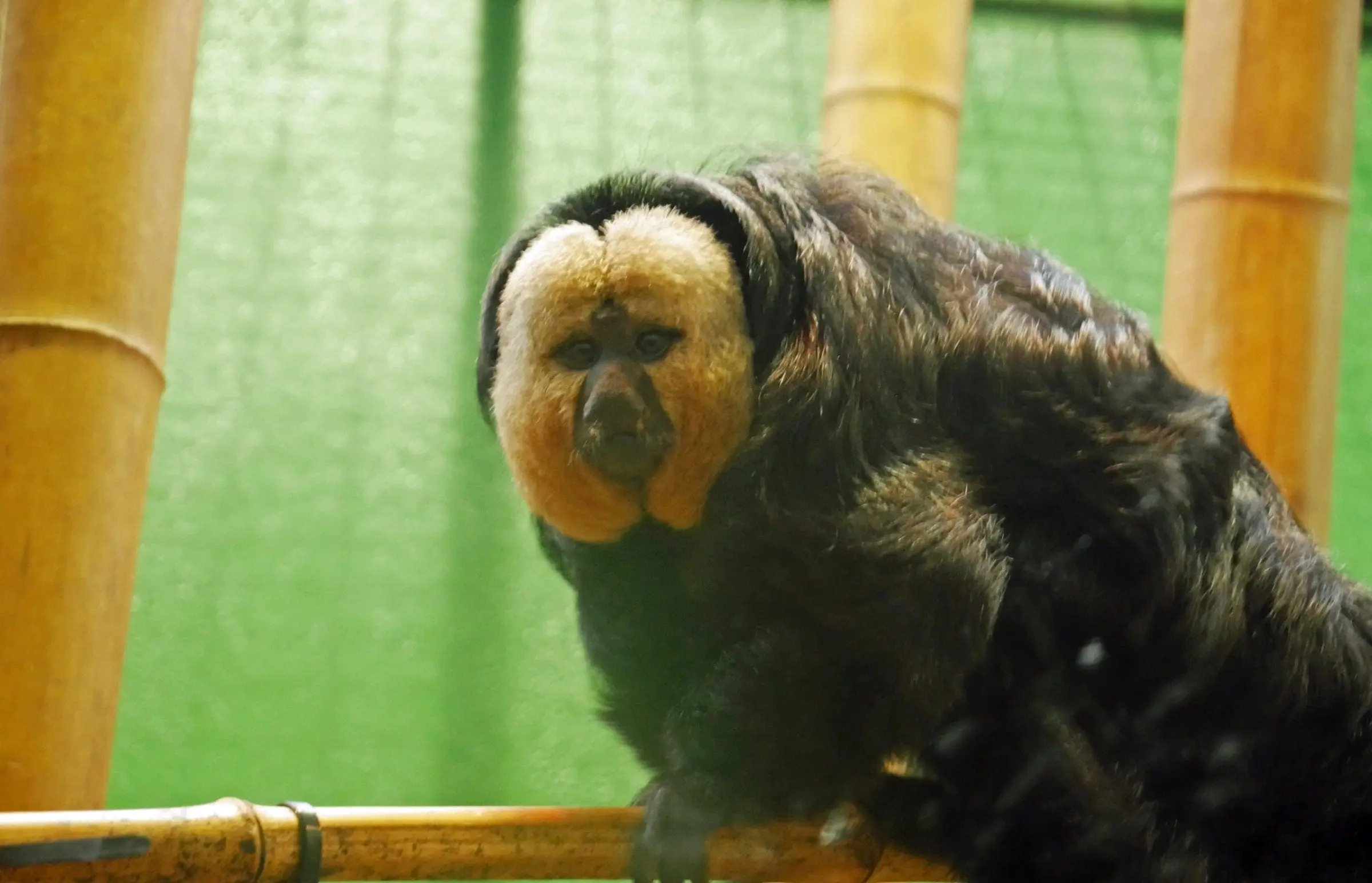
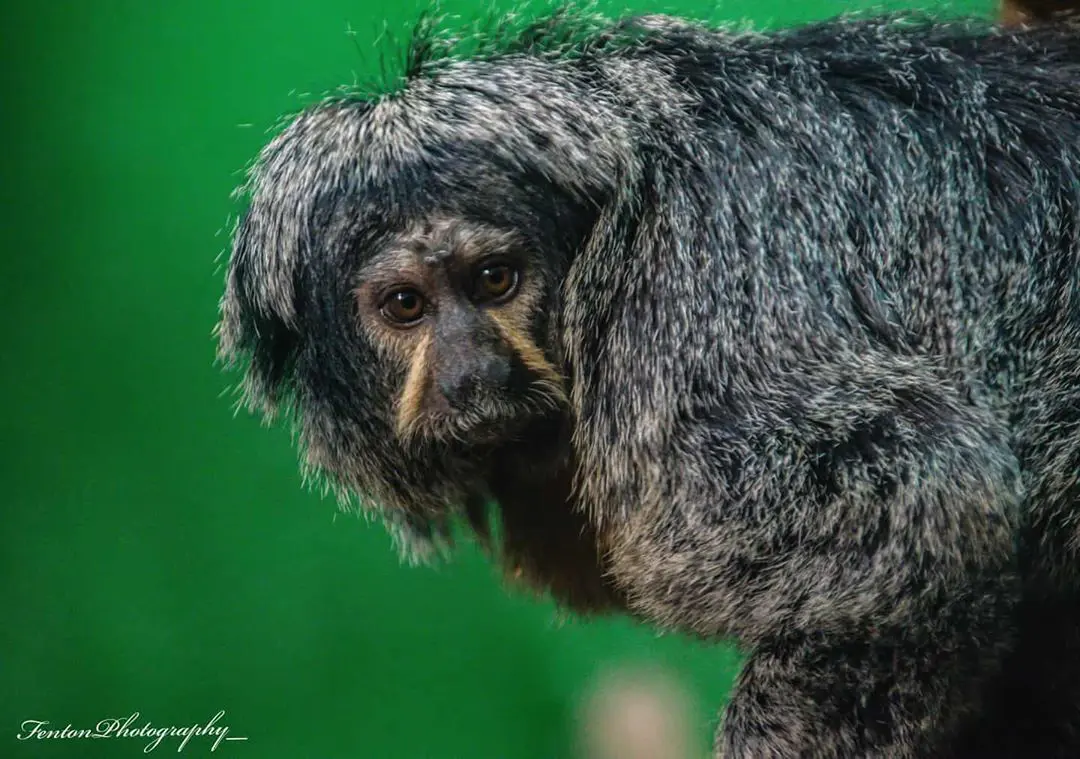
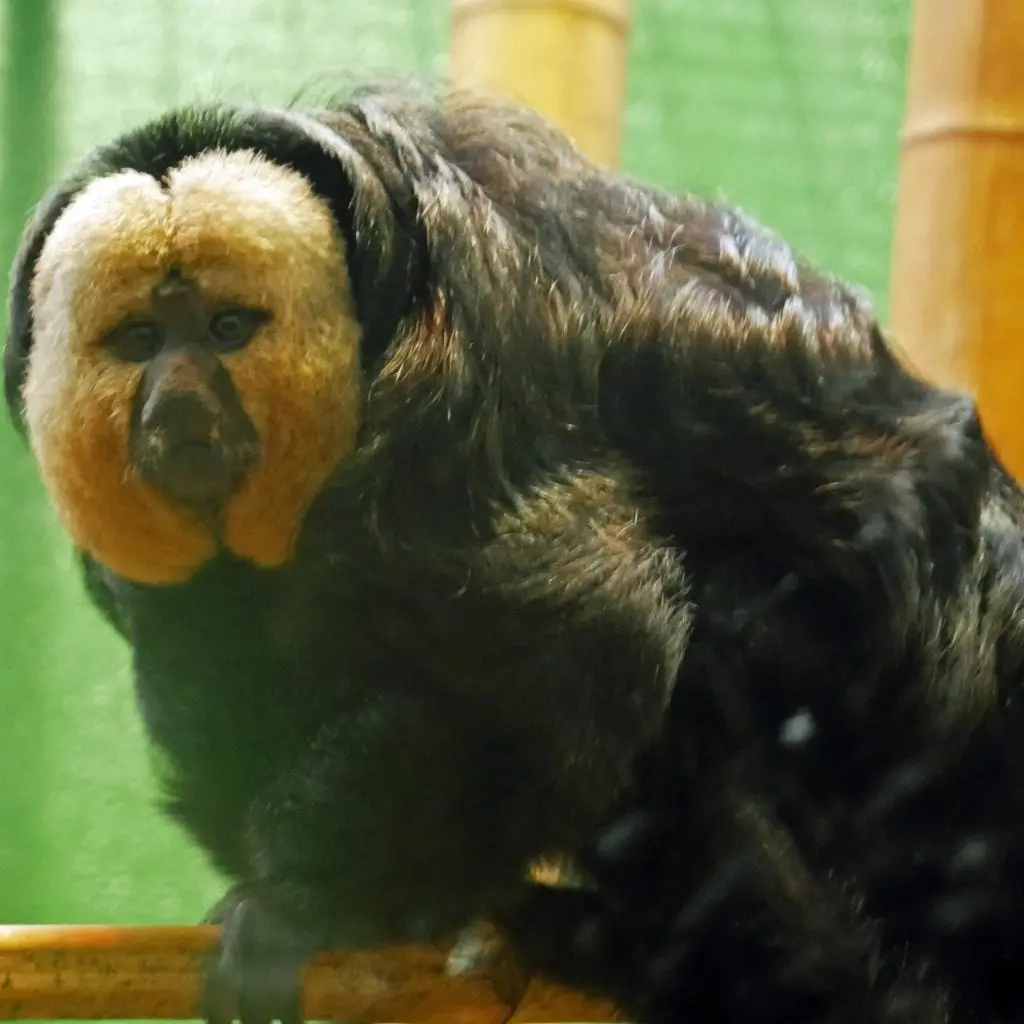
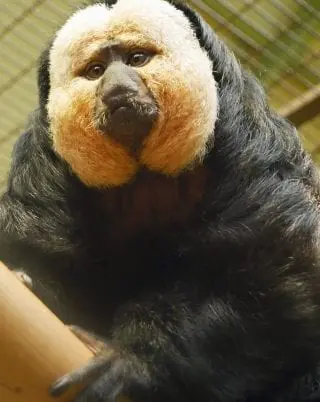
White-faced sakis belong to the group of New World monkeys. They are commonly recognised for the males’ distinctive white face. The males have long black fur, while the females have much lighter greyish coats with bright patches. They have a bushy tail and long thin fingers.
General Information
Zoo location
South American House.
Animal class
Mammalia
Animal order
Primates
Where do they live (Natural habitat)?
White-faced sakis live in rainforests in Brazil, Guyana, Venezuala, Suriname and French Guiana. They are found in the lower canopy of the forest rather than high in trees.
How long do they live?
Approximately 15 years in the wild and over 20 years in zoos.
What do they eat?
White-faced sakis mostly eat fruit and seeds. They also eat leaves, flowers, insects and other small animals. They have strong teeth that they use to crush hard seed shells and peel fruit.
Closest related species / sister species
The closest relative of the white-faced saki is the golden-faced saki, which had previously been considered a subspecies of the white-faced Saki.
Fun Facts!
The white-faced saki
Family life
White-faced sakis live in groups that vary in size from 4-12 individuals. It had been thought that they were monogamous (having only one mate at a time), but this is now believed to be the case only in zoos rather than in the wild. Adolescent siblings help with raising infants if they still live with their parents.
Baby name
Infant
Gestation (pregnancy) period
Approximately 5 months
Number of young at birth
One
Weight at birth
90-140 g
Age at maturity
Around 3 years
Size male adult
32-40cm in height, 1.8-2.4kg in weight
Size female adult
32-40cm in height, 1.4-1.9kg in weight
Conservation
Least Concern
The white-faced saki is classified as Least Concern by the International Union for Conservation of Nature.
Current population estimate
Unknown
Threats
The main threats to the white-faced saki are the destruction of their habitat due to deforestation and being hunted for the pet trade.
What is Dublin Zoo doing?
Dublin Zoo is part of the European breeding programme for the white-faced sakis and has successfully bred a number of sakis.