Snow leopard
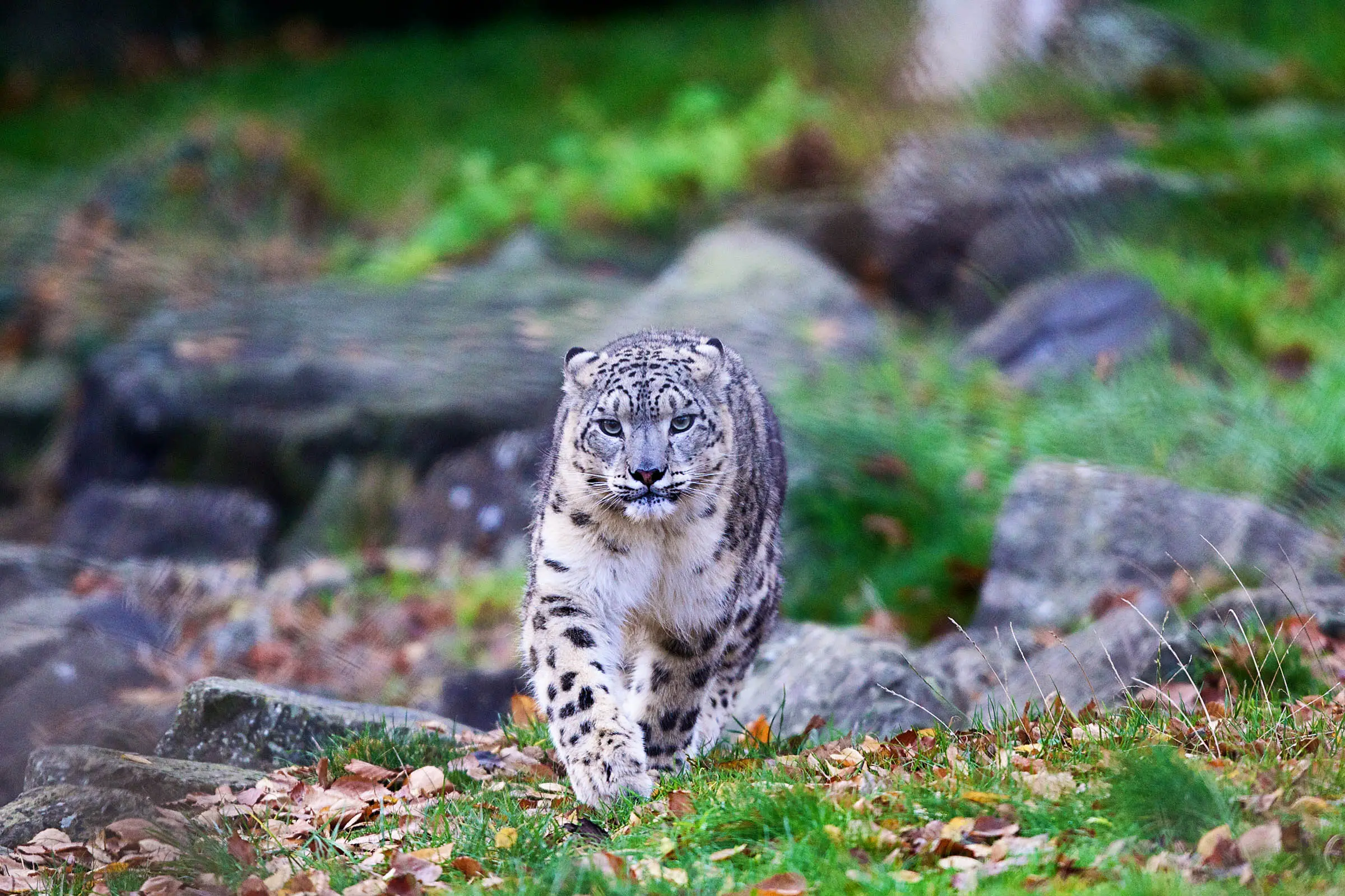
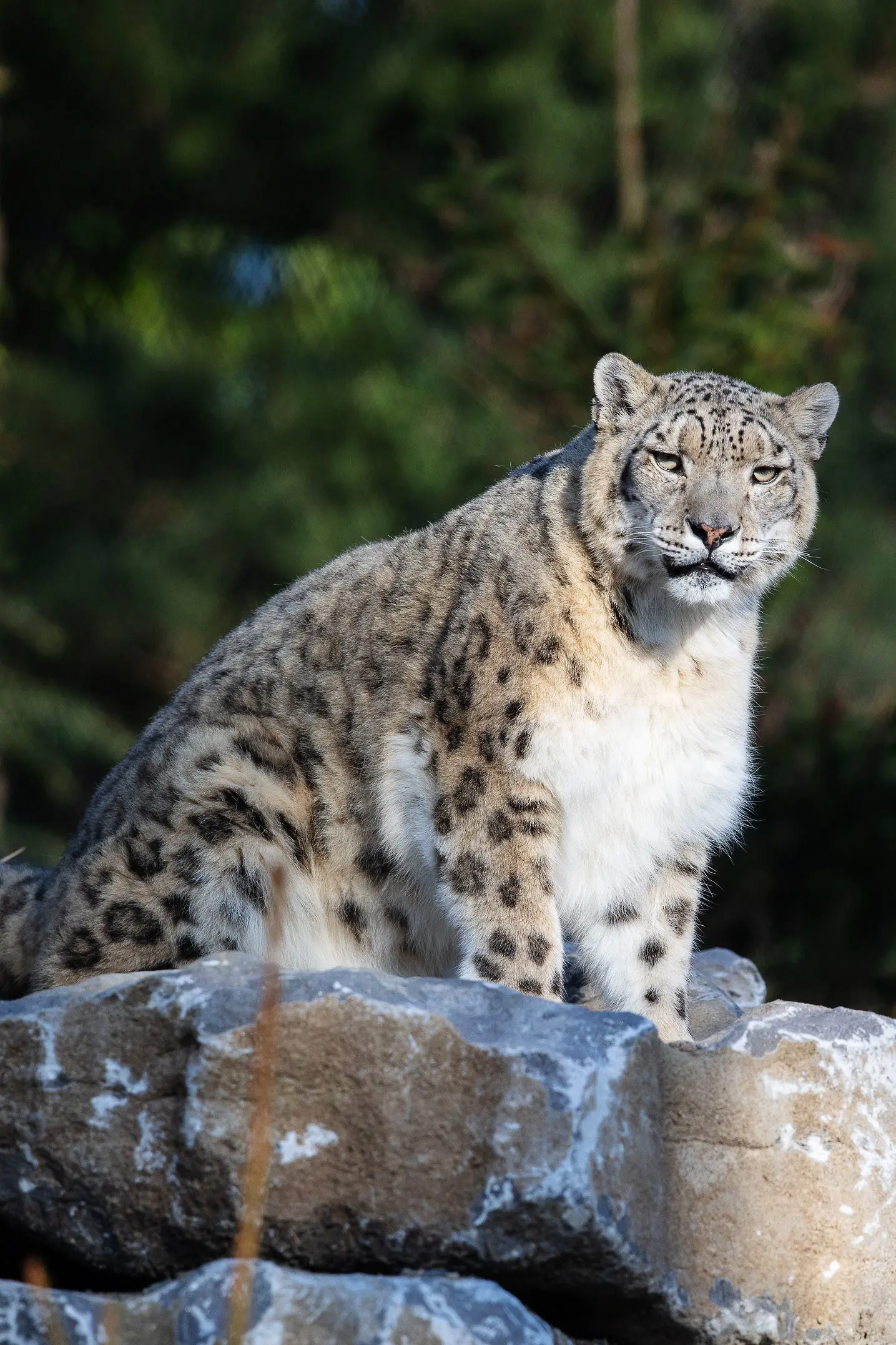
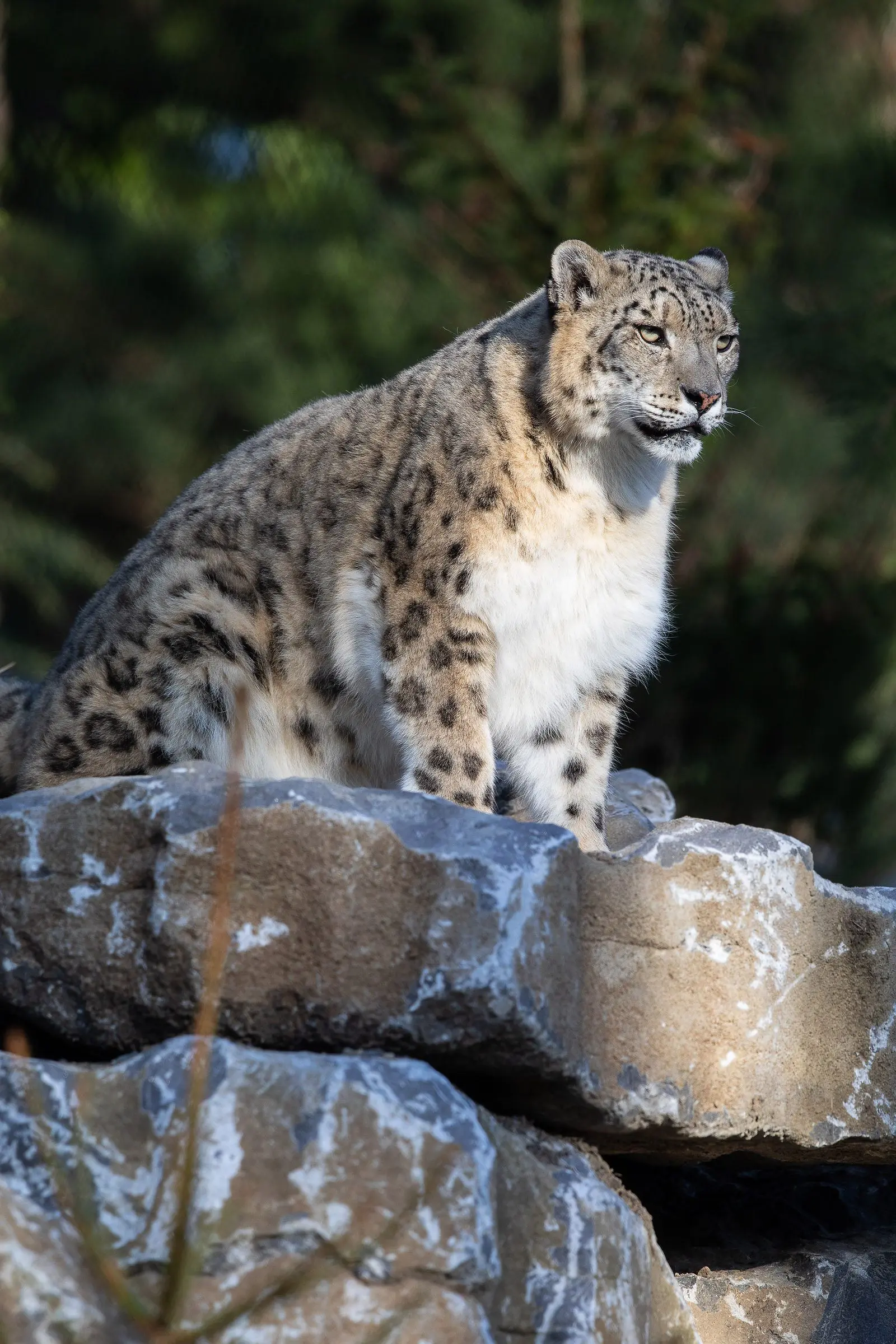
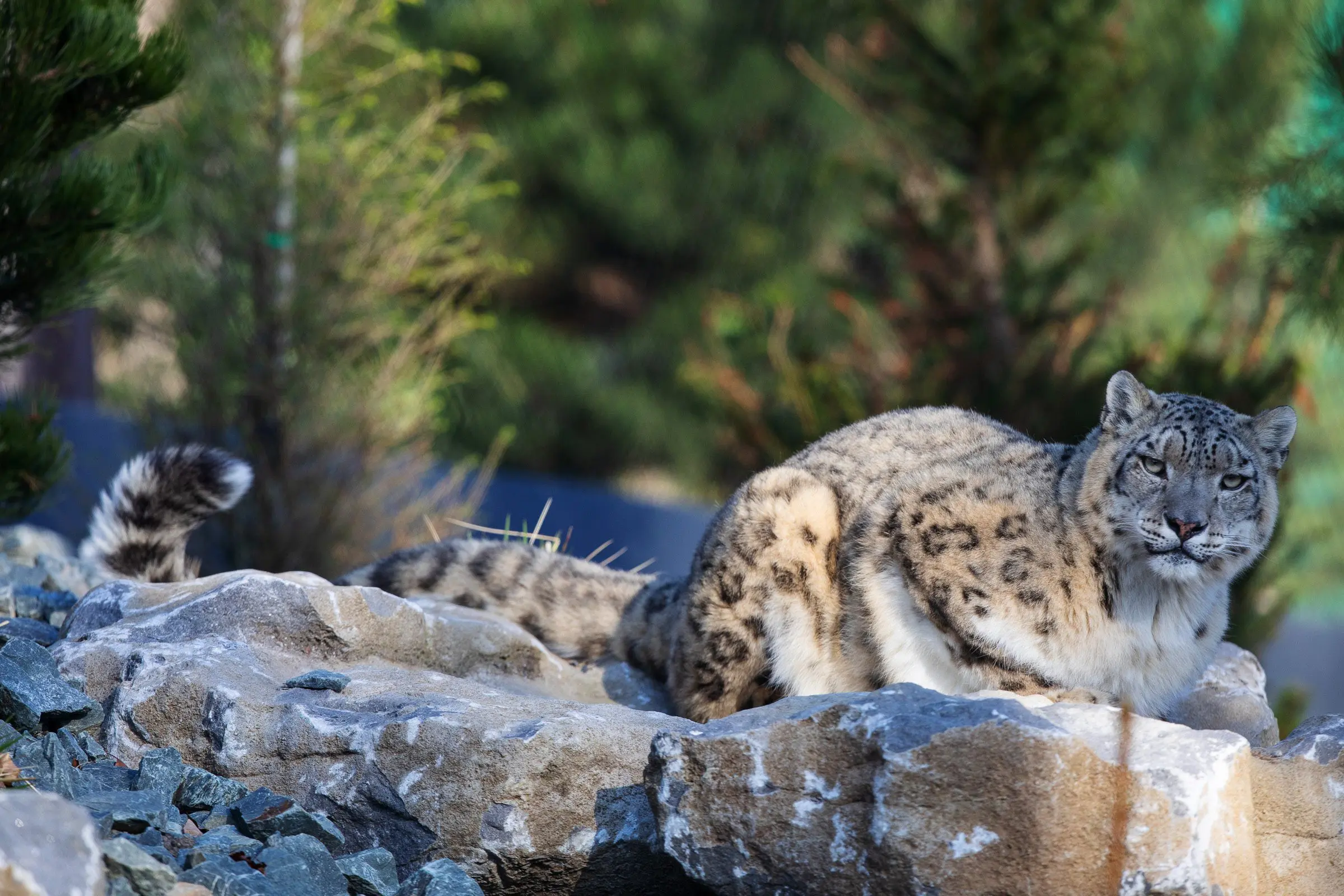
Snow leopards are big cats known for their silver, white and black fur and green eyes
Species
Mammals
Habitat
Mountains
Diet
Carnivores
Conservation Status
Vulnerable
Snow leopard
Panthera uncia
Irish Name: Liopard sneachta
ICUN Status: Vulnerable
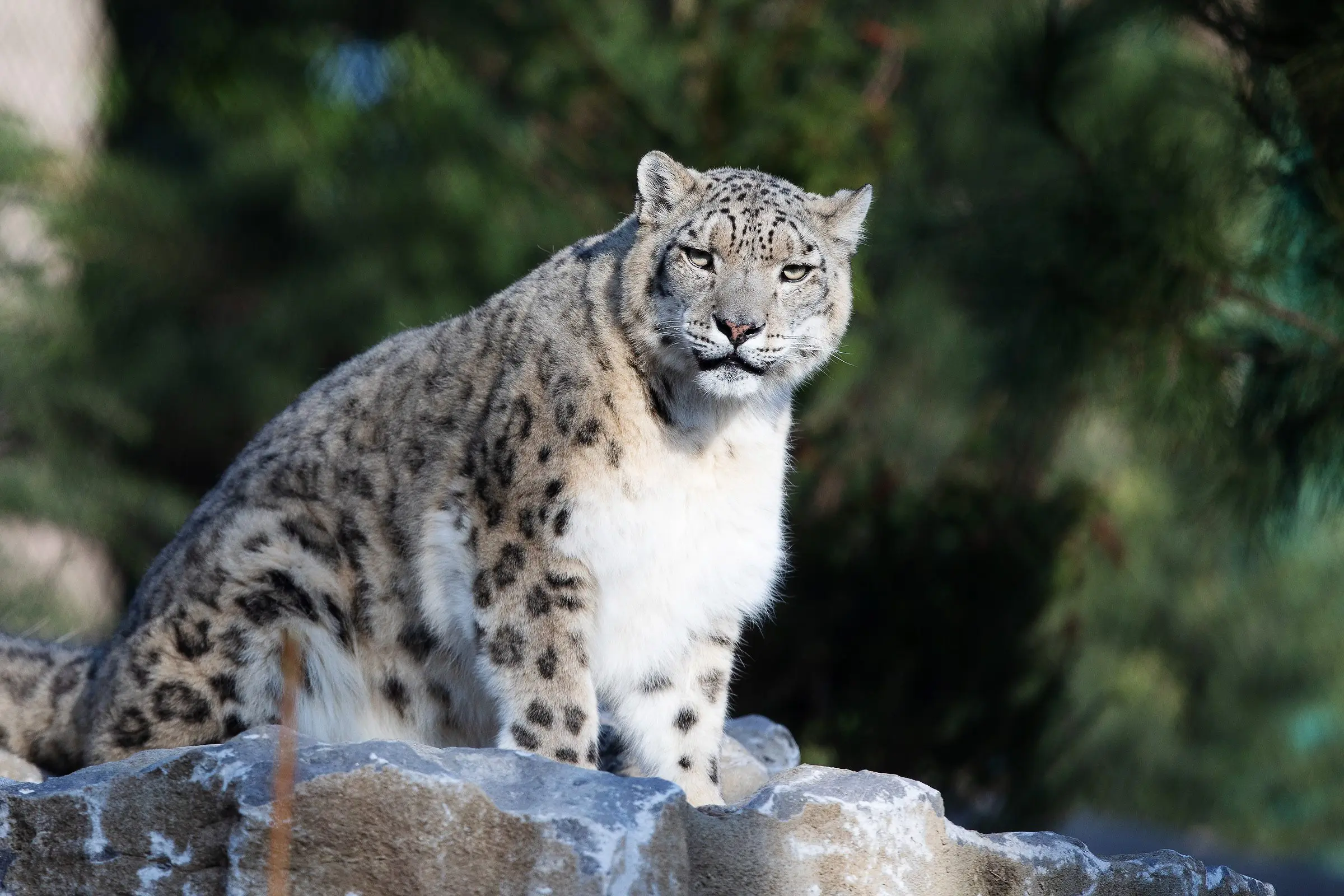
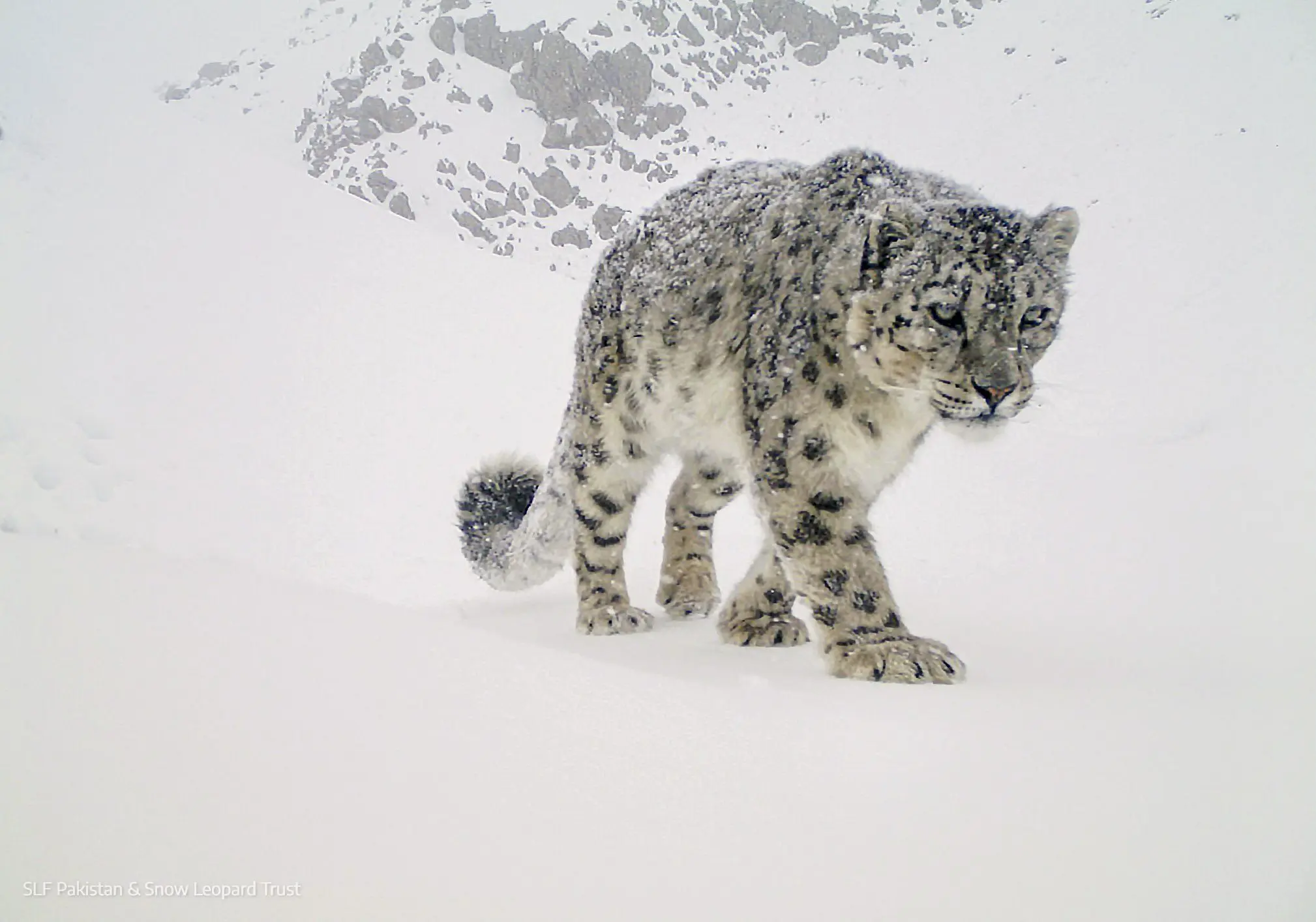
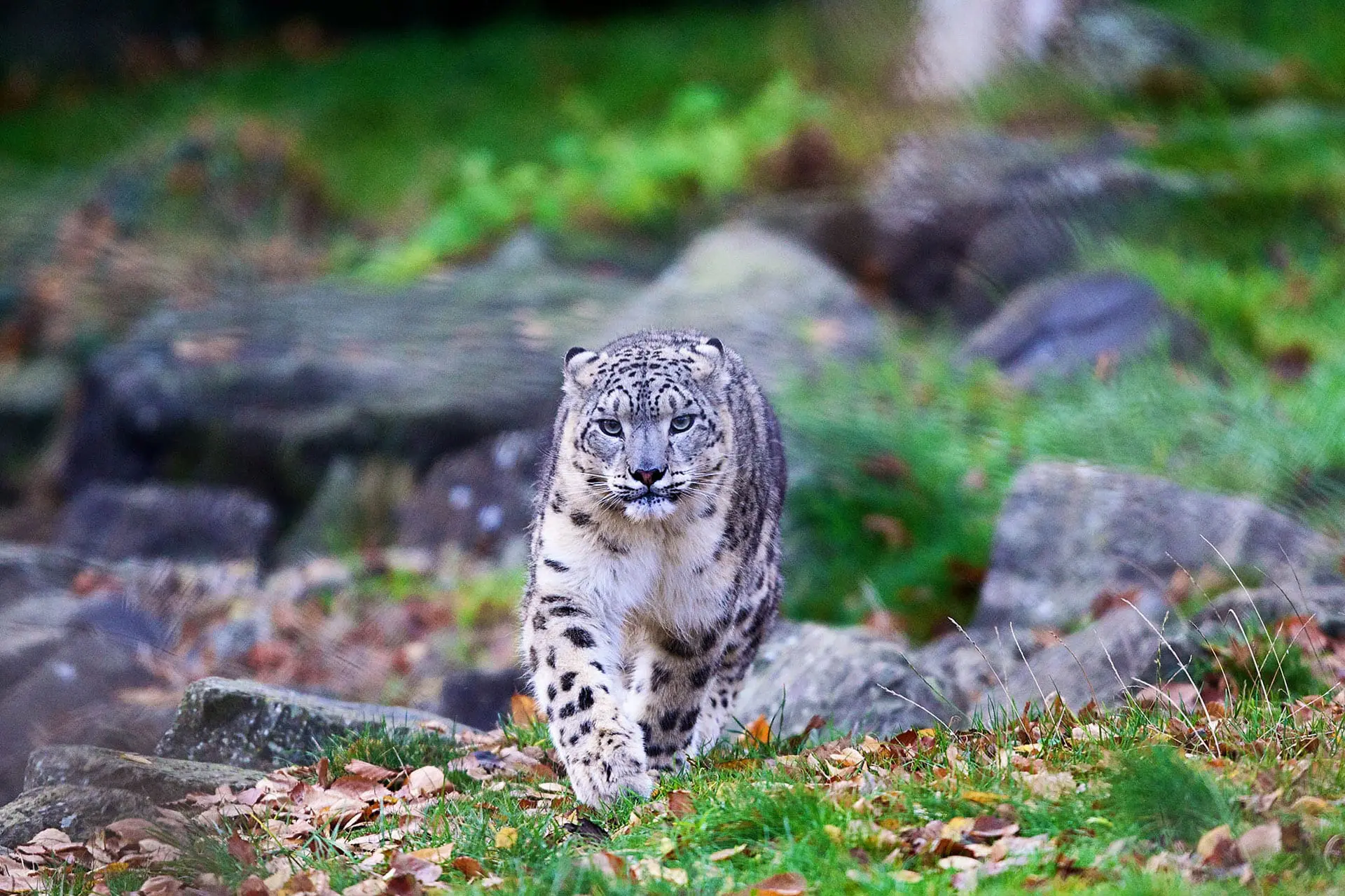
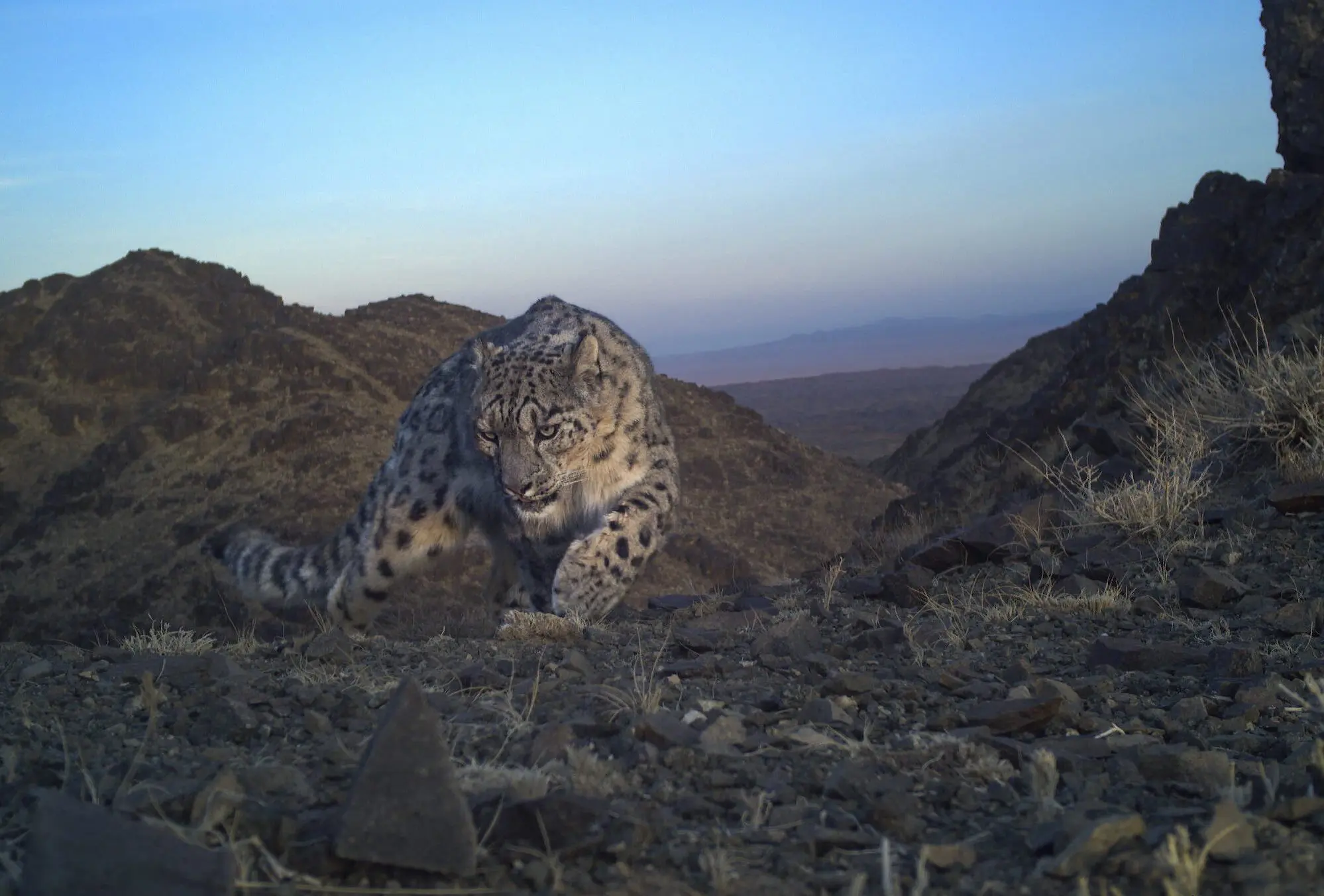
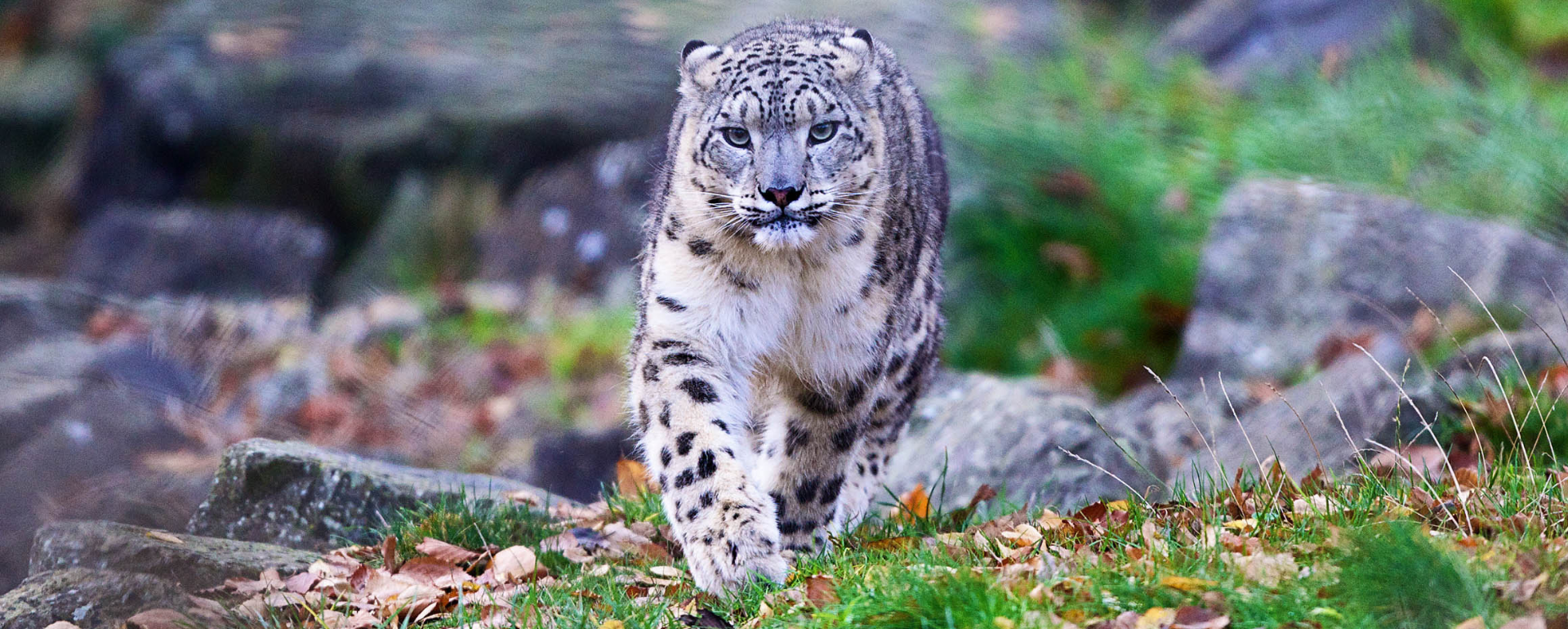
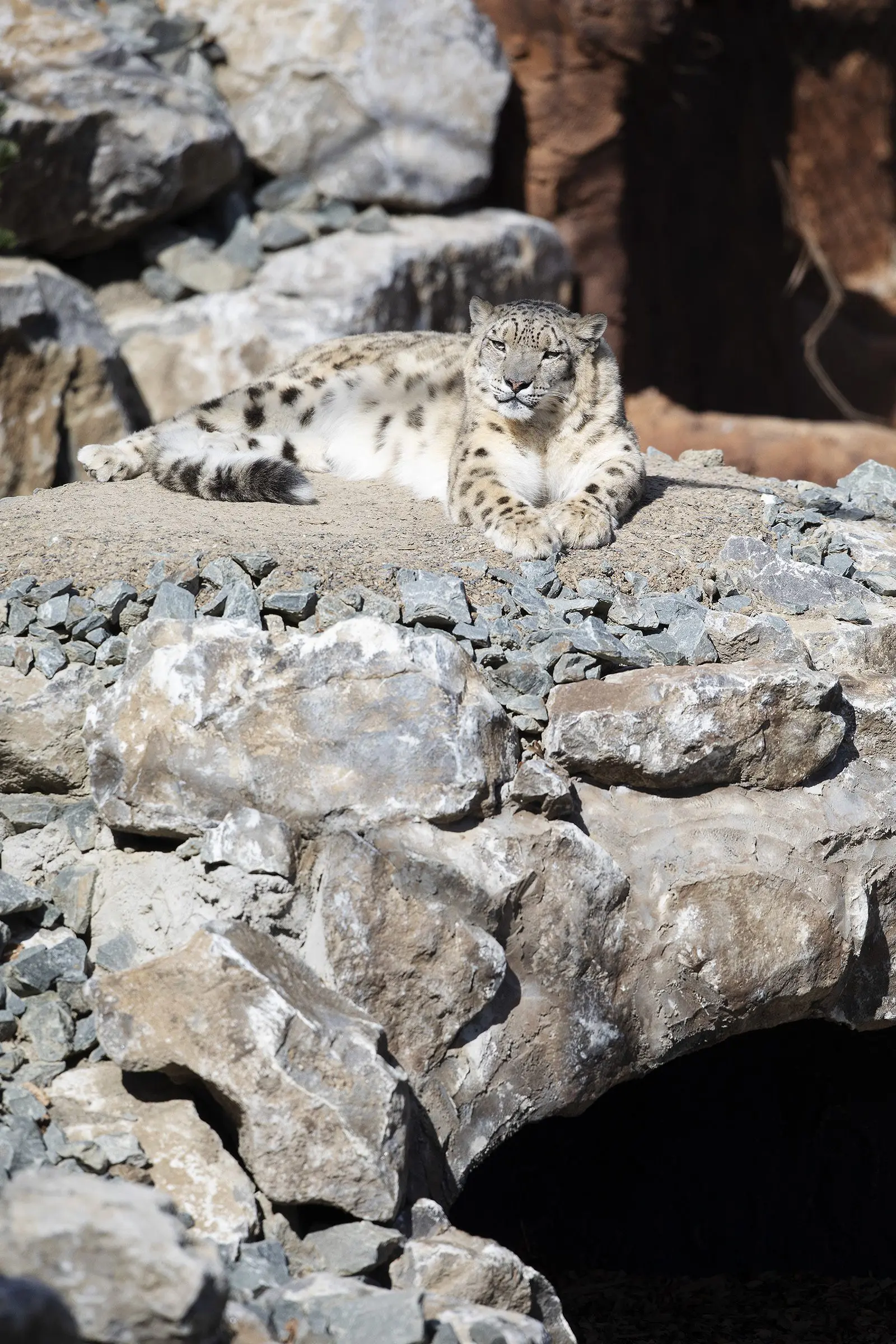
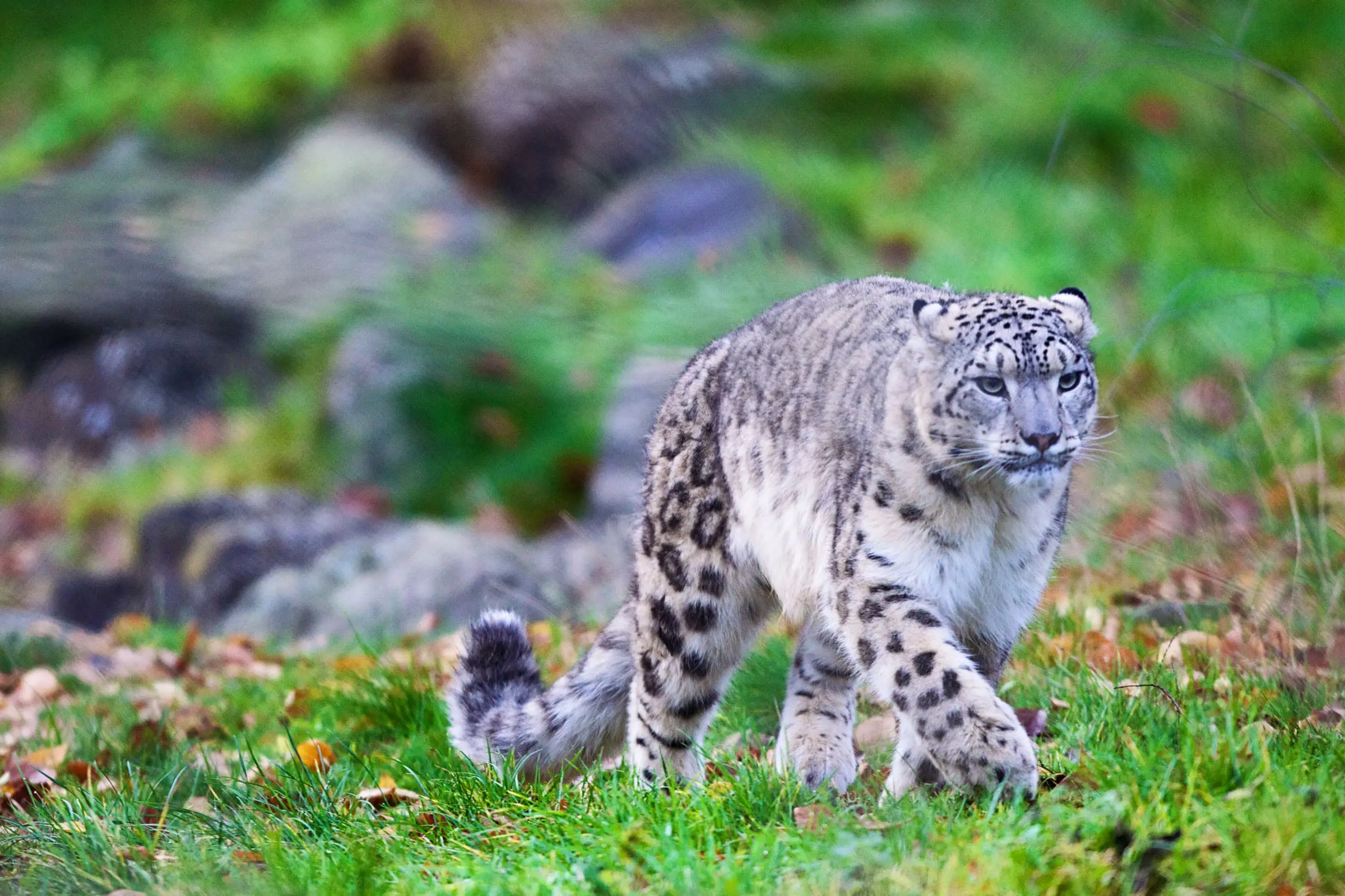
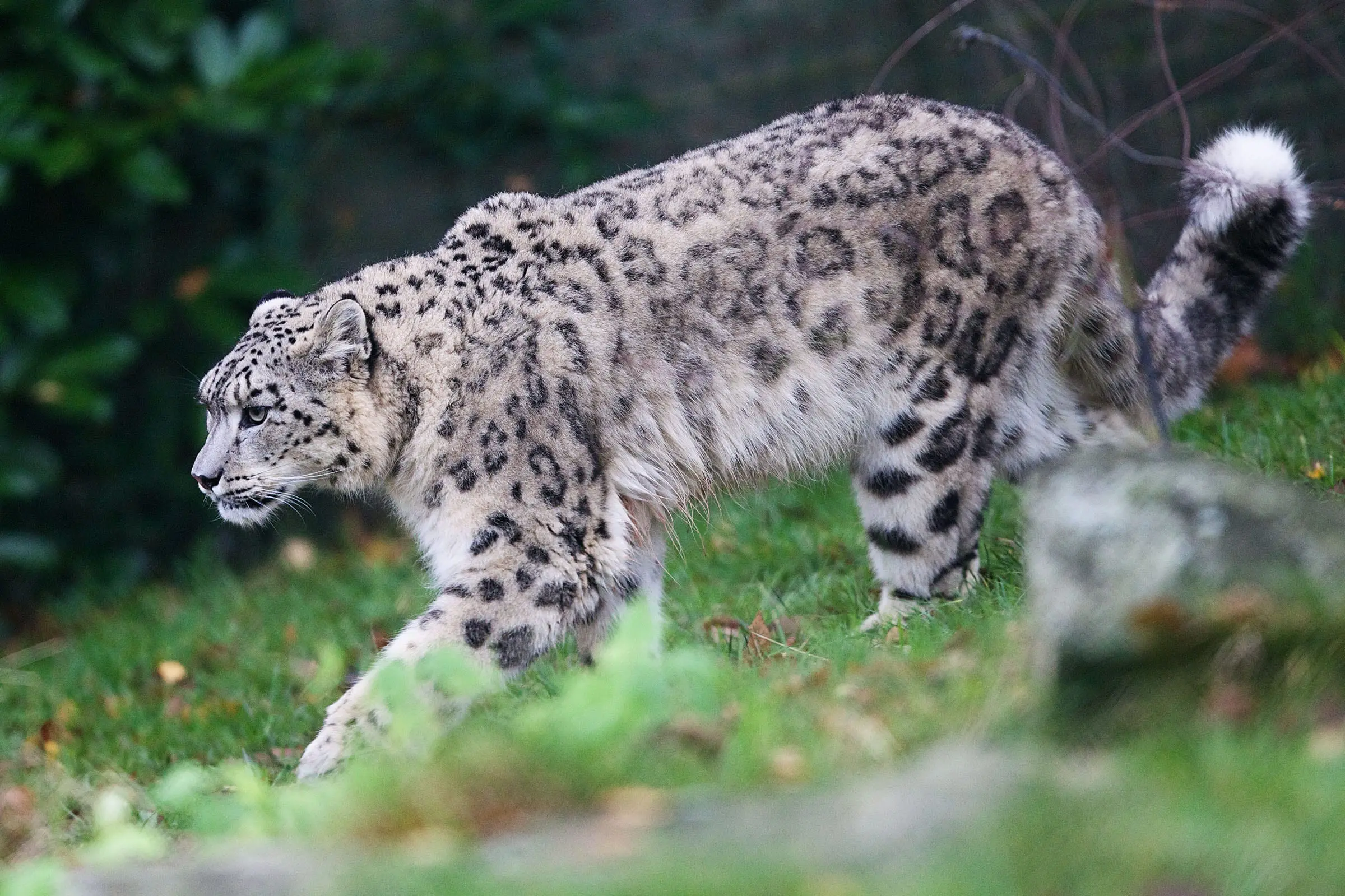
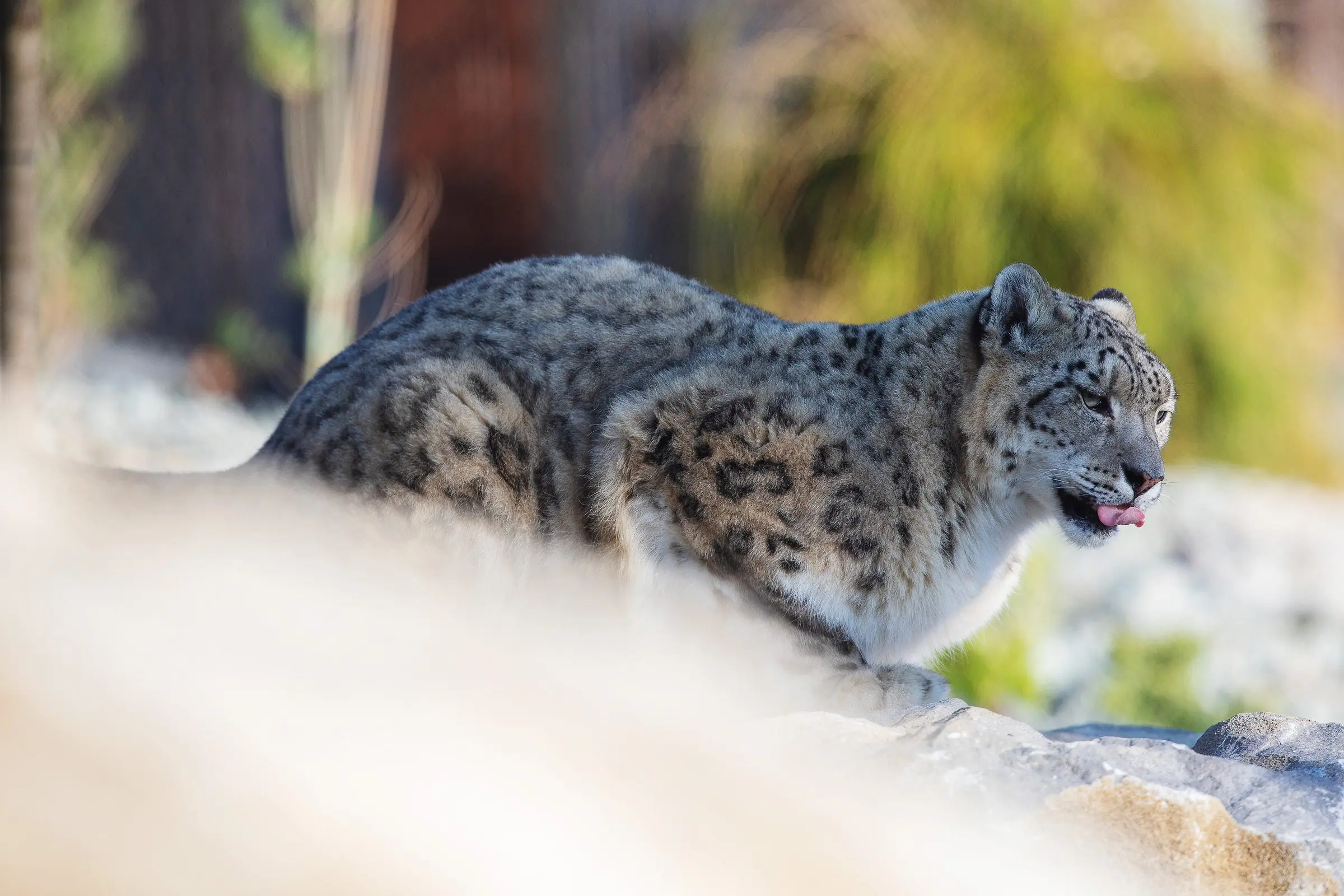
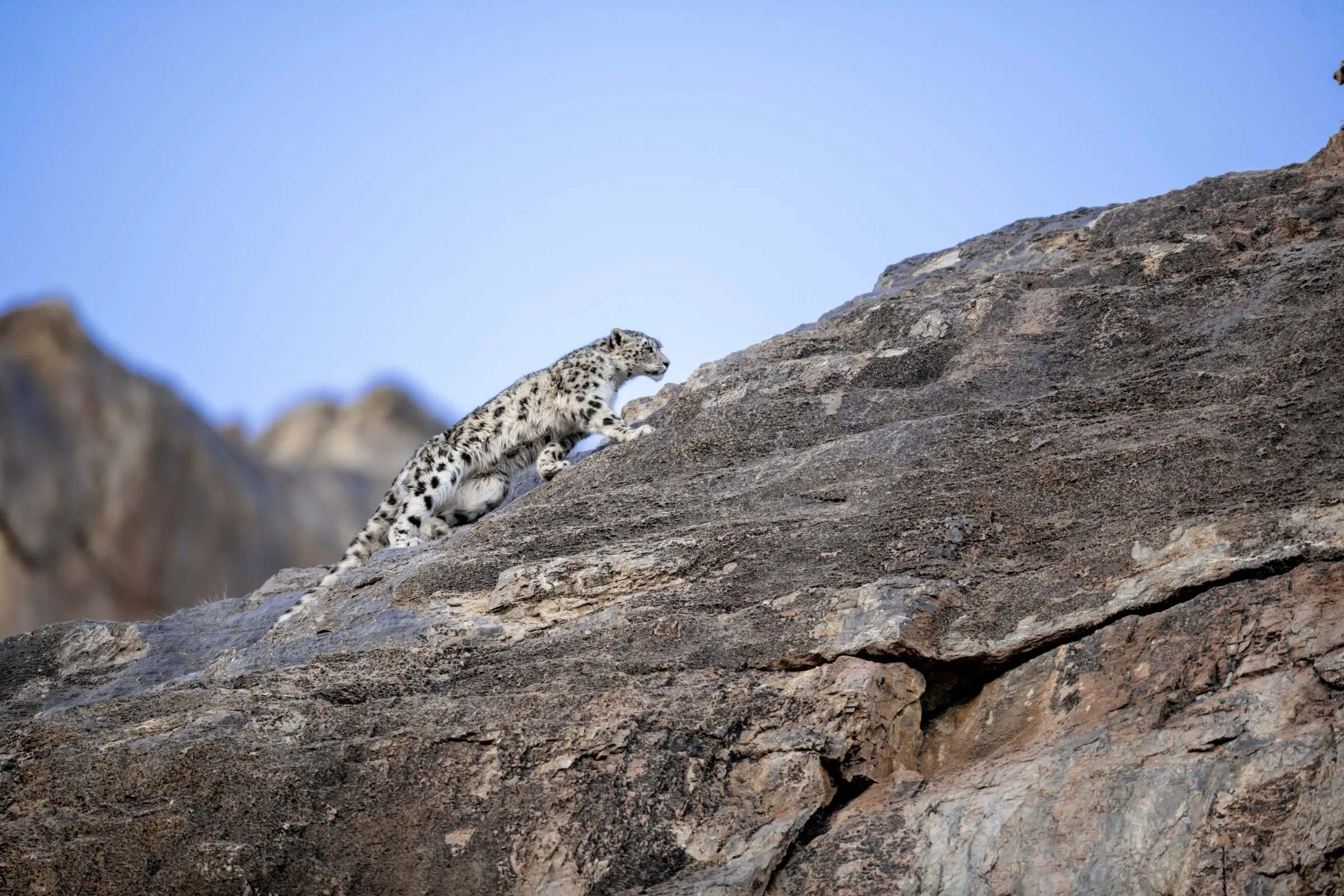
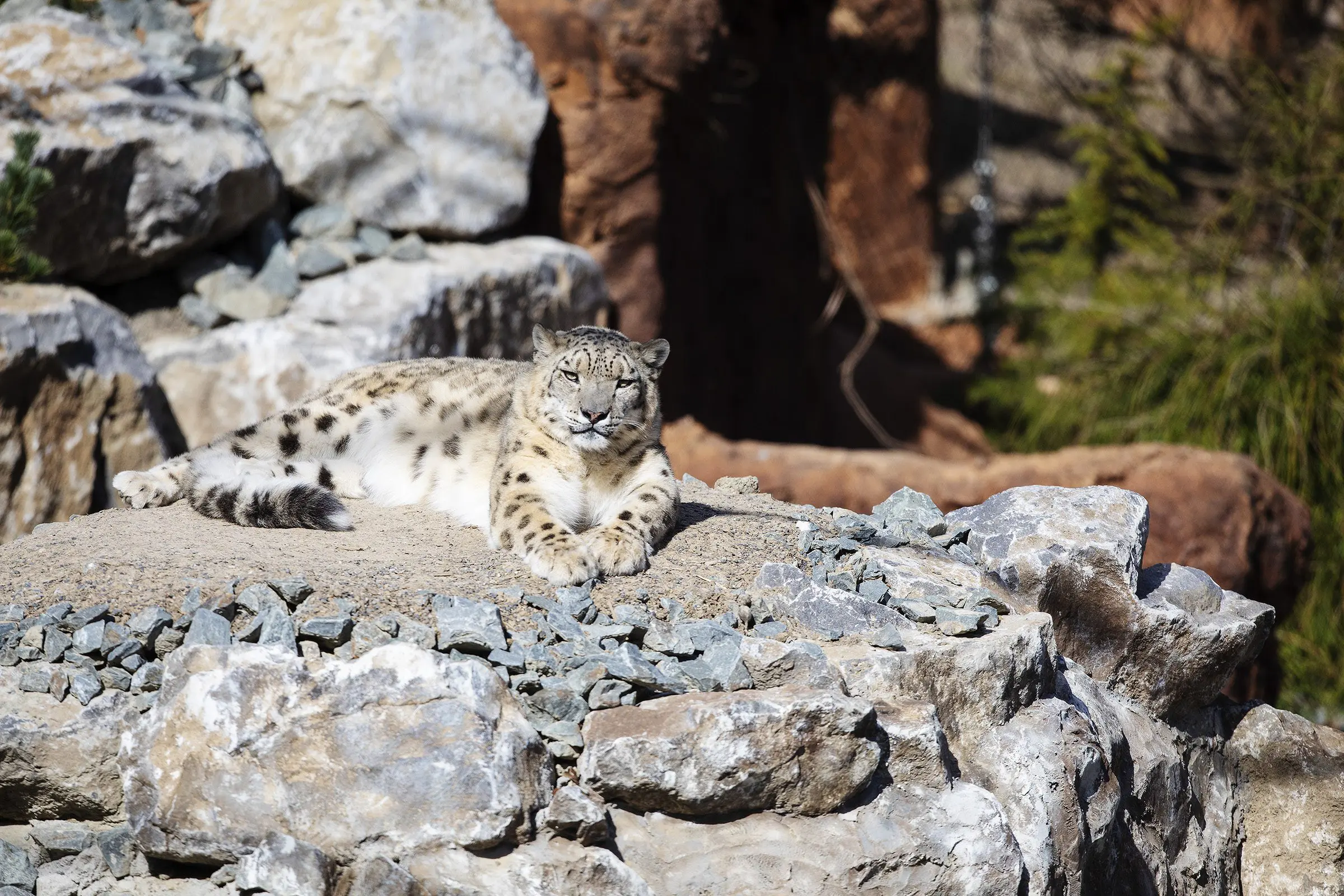
Snow leopards are big cats known for their beautiful silver, white and black fur and green eyes. They have a powerful jaw and thick fur that protects them from the cold. They have short stocky limbs for climbing and extra-large paws that act like snowshoes. They have a long thick furry tail which they use as a scarf to keep their heads warm in the cold mountainous climates they live in.
General Information
Zoo location
Himalayan Hills
Animal class
Mammalia
Animal order
Carnivora
Where do they live (Natural habitat)?
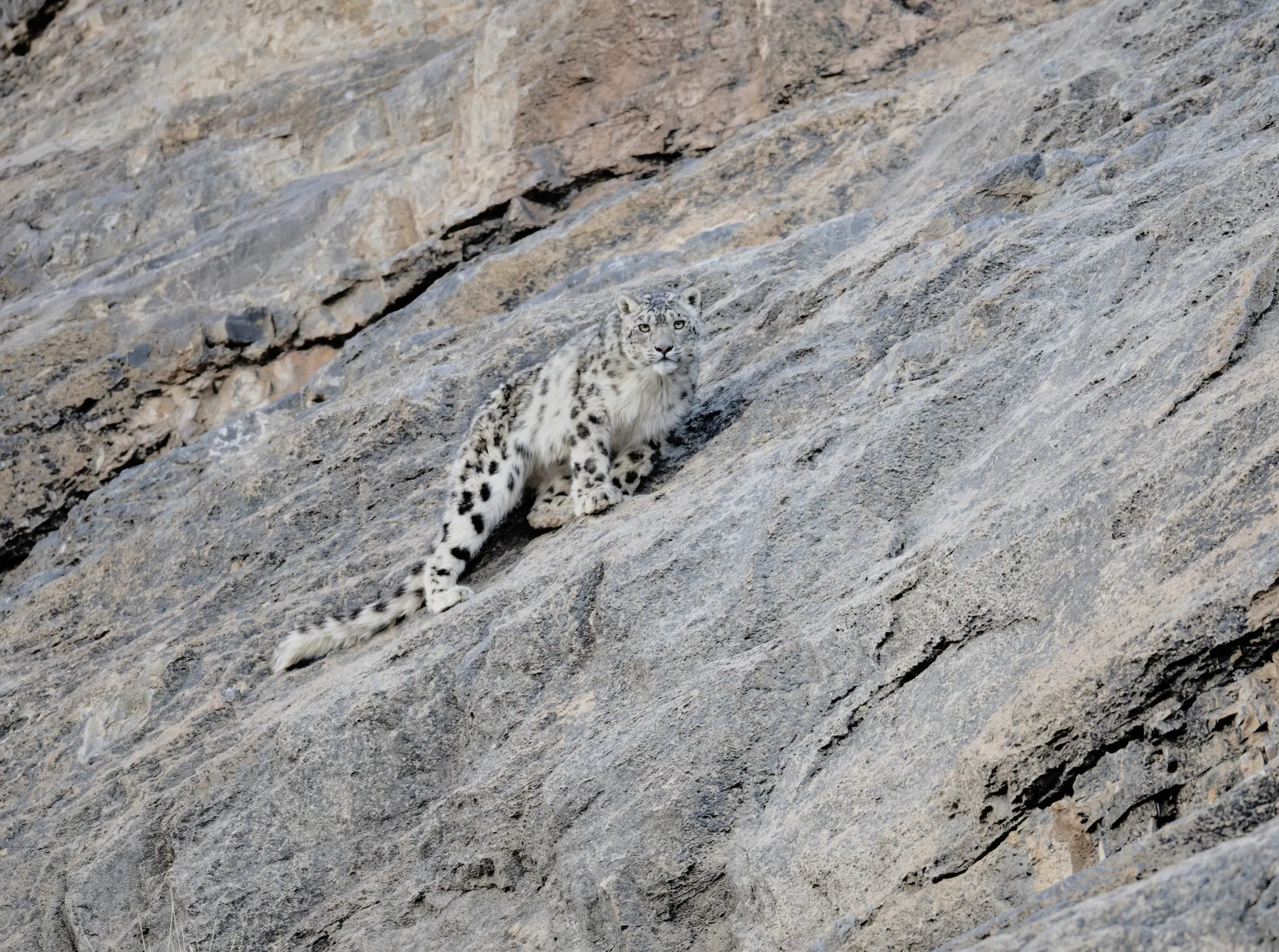
Snow leopards live in the mountains of Central Asia in countries such as Nepal, Pakistan, China, India, Russia and Mongolia, among others. In the Himalayas, snow leopards are usually found between 3,000 and 5,400 m above sea level. In Mongolia and Russia, they are found at lower altitudes.
How long do they live?
10-12 years in the wild, up to 20 in zoos.
What do they eat?
Snow leopards are carnivores (meat-eaters). Their main sources of food are the blue sheep (also known as bharal), the Asiatic ibex (a large wild goat), and the argali, a wild mountain sheep. They hunt a large animal approximately every 8-10 days.
Group name
Snow leopards are solitary so they do not have a group name.
Closest related species / sister species
The closest relative of the snow leopard is the tiger (Panthera tigris).
Fun Facts!
The snow leopard
Family life
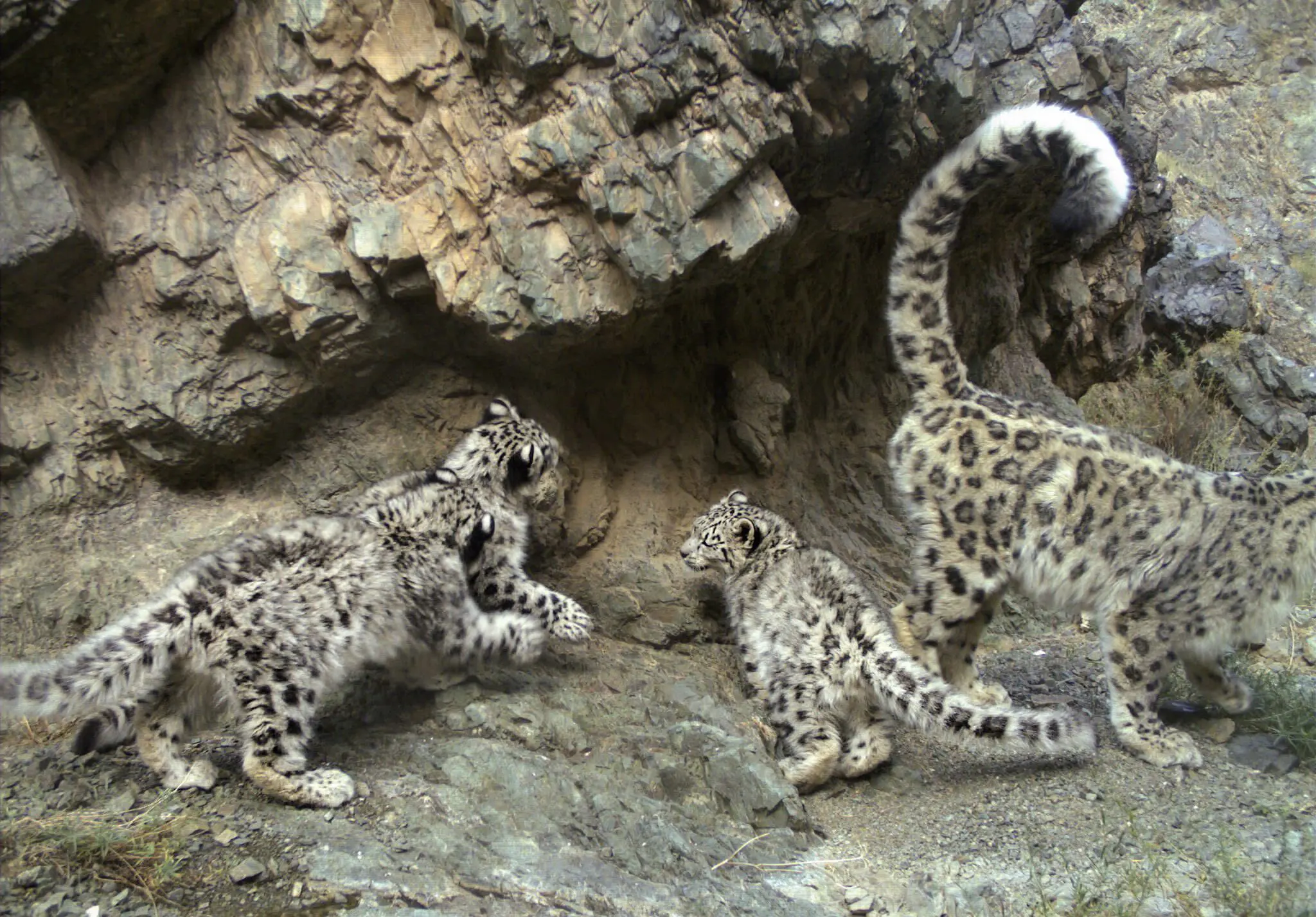
The snow leopard leads a solitary life, only coming together with others to mate. During this time, the male and female will stay together for a few days. The female will give birth in a sheltered den site and raises the cubs on her own. By 2 years old, the cubs become independent of their mother.
Baby name
Cub
Gestation (pregnancy) period
3 – 3.5 months
Number of young at birth
1-5 cubs (2-3 on average)
Weight at birth
300 – 600 g
Age at maturity
3 years for females and 4 years for males
Adult size
55- 65 cm in height, 90 – 115 cm in length, with a tail of approximately 100 cm.
Conservation
Vulnerable
The snow leopard is classified as Vulnerable by the International Union for Conservation of Nature.
Current population estimate
The IUCN estimates that less than 8,000 individuals are estimated to be living in the wild, scattered across 12 range countries.
Threats
Snow leopards sometimes come into conflict with local farmers, when they kill the farmers’ domestic livestock, causing the farmers large economic losses. They also face the threat of poaching for their body parts, as well as habitat loss and fragmentation, climate change and the poaching of the prey that they rely on for food.
What is Dublin Zoo doing?
In 2009, Dublin Zoo began working with the Snow Leopard Trust. The Snow Leopard Trust was founded in 1981 and is now the leading authority on the study and protection of snow leopards. Their conservation philosophy is based on sound science and research coupled with building community partnerships.
The funding from Dublin Zoo is going towards five on-going, sustainable and community-driven projects in Mongolia. India and Pakistan.
Frequently Asked Questions
Snow leopards are classified as Vulnerable by the IUCN. They sometimes come into conflict with local farmers, when they kill the farmers’ domestic livestock, causing them large economic losses. They also face the threat of poaching for their body parts, as well as habitat loss and fragmentation, climate change and the poaching of the prey that they rely on for food.
Snow leopards are carnivores (meat-eaters). Their main sources of food are the blue sheep (also known as bharal), the Asiatic ibex (a large wild goat), and the argali, a wild mountain sheep. They hunt a large animal approximately every 8-10 days.
Snow leopards live in the mountains of Central Asia in countries such as Nepal, Pakistan, China, India, Russia and Mongolia, among others. In the Himalayas, snow leopards are usually found between 3,000 and 5,400 m above sea level. In Mongolia and Russia, they are found at lower altitudes.
The IUCN estimates that 2,700-3,400 mature individuals live in the wild.
55- 65 cm in height, 90 – 115 cm in length, with a tail of approximately 100 cm.
Snow leopards can live up to 10-12 years in the wild, and up to 20 in zoos.
Snow leopards can run at top speeds of up to 65 km per hour.
Snow leopards can jump as far as 15 m and can jump 6 m vertically.
Snow leopards are top predators in their environment; they prey on herbivores. This helps keep animal populations in control in the area so that it doesn’t become over-grazed, leaving no food for other wildlife. This means that by protecting snow leopards, we are also protecting lots of other species in the same region.
We can help save snow leopards by supporting projects like The Snow Leopard Trust. We can also try to make sustainable choices in our lives that will help protect the environment.
Snow leopards have short but wide nasal cavities that heat the freezing air prior to it reaching the lungs.
Snow leopards stalk their prey, usually from higher up, and then pounce on it from a distance.
Snow leopards eat a large animal every 8-10 days. They will also settle for much smaller prey if that’s all that’s available.