Scimitar-horned oryx
It is said that sightings of scimitar-horned oryx inspired some of the stories of unicorns
Species
Mammals
Habitat
Desert
Diet
Herbivores
Conservation Status
Endangered
Scimitar-horned oryx
Oryx dammah
Irish Name: Oracs adharca simeatáir
ICUN Status: Endangered
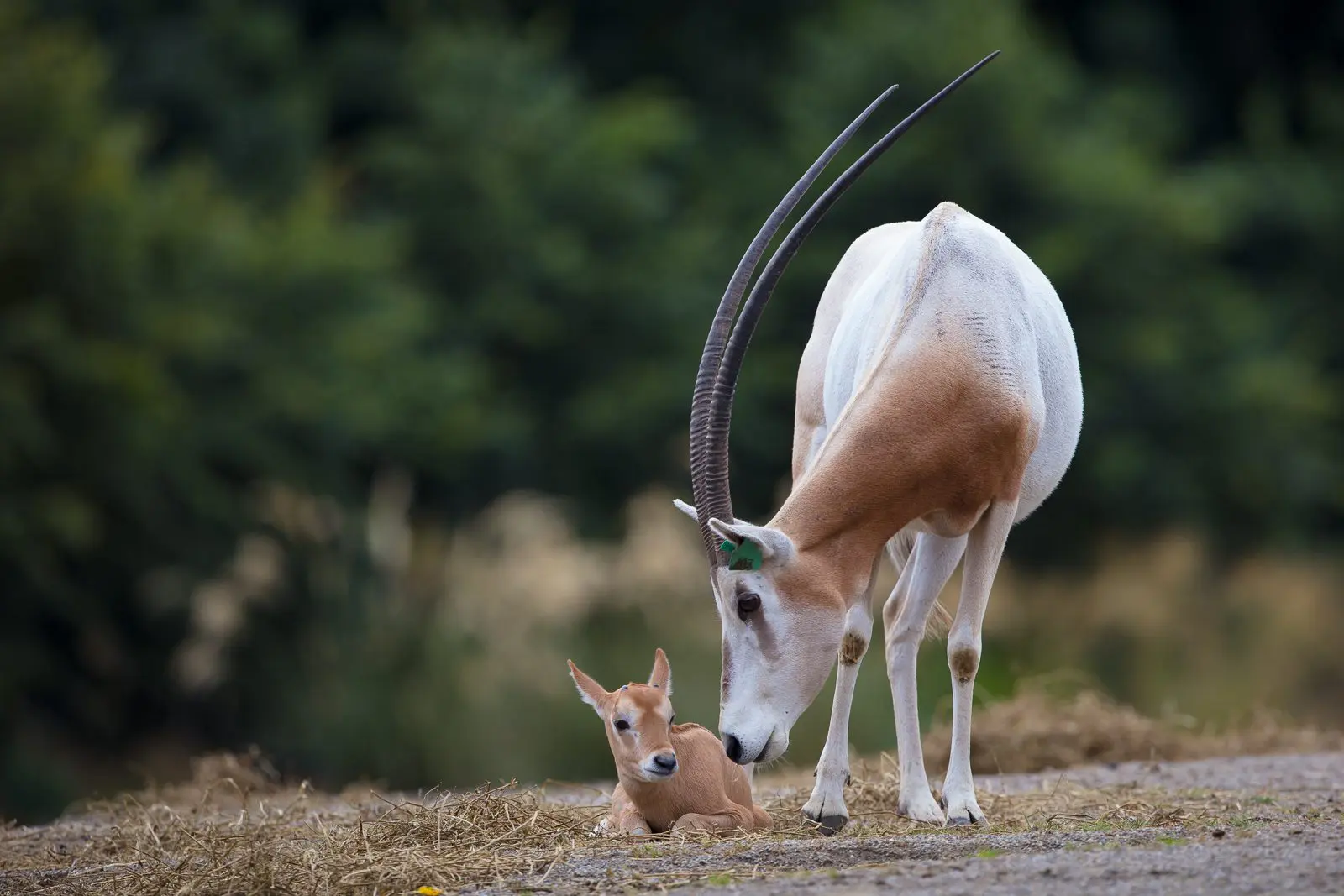
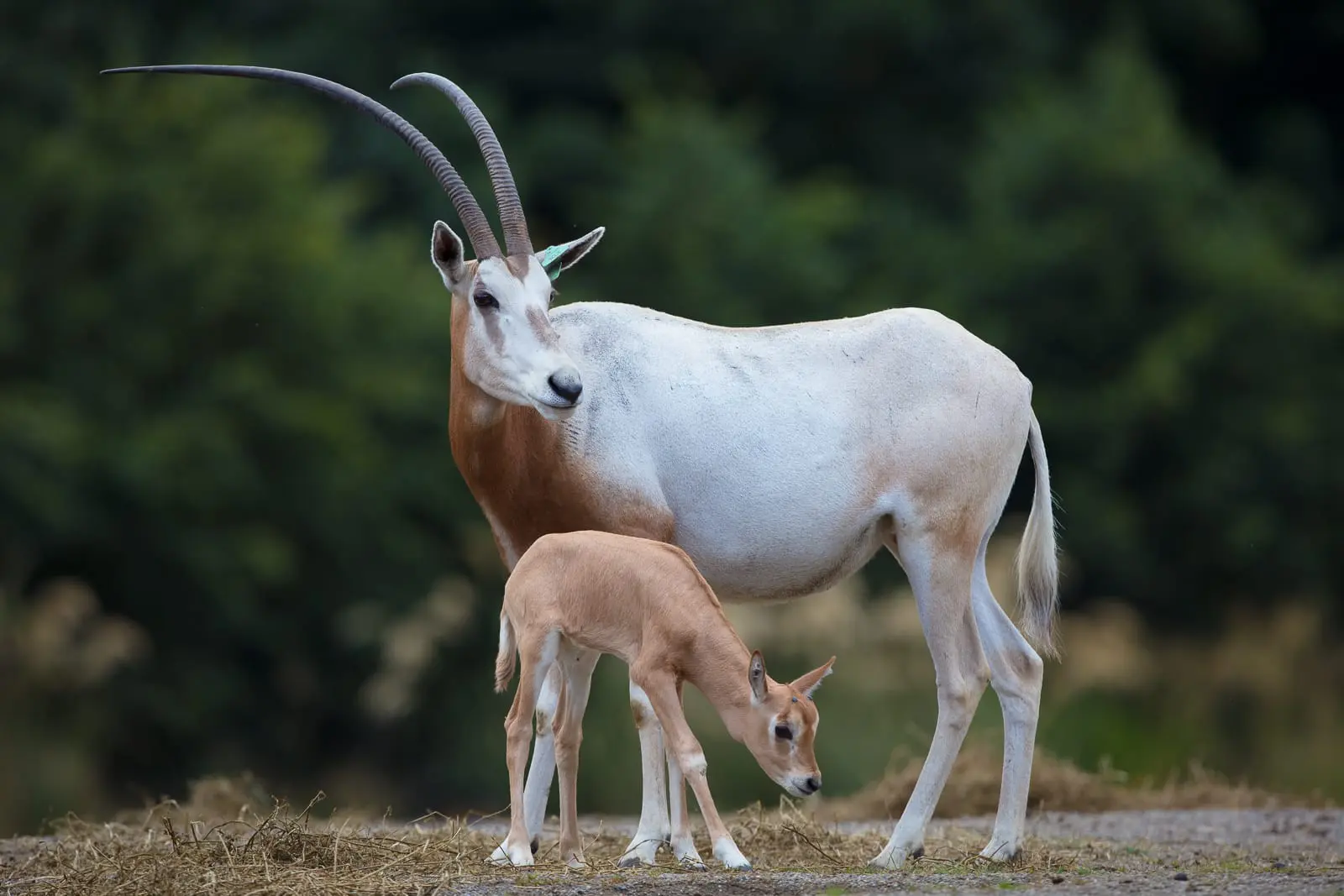
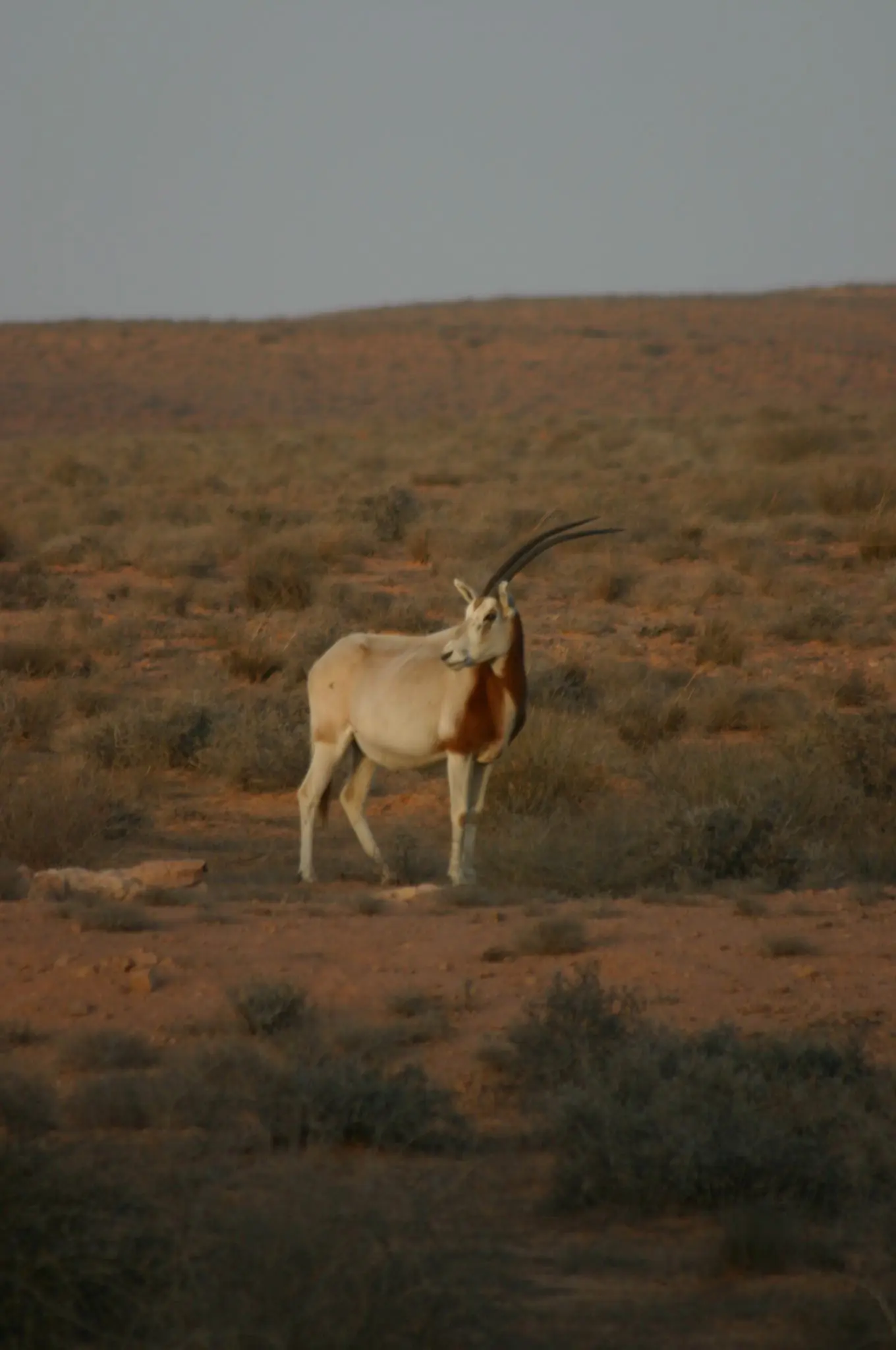
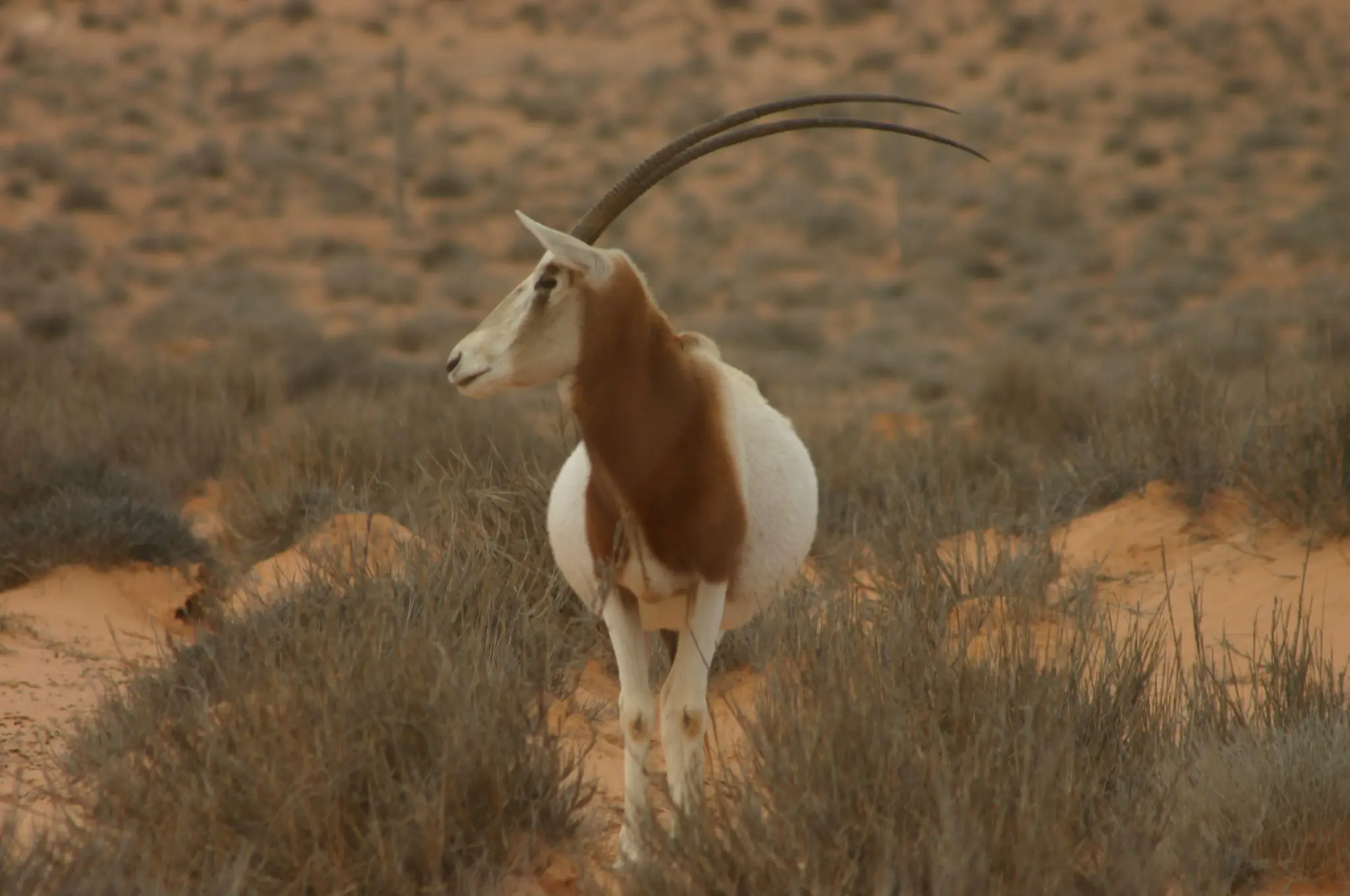
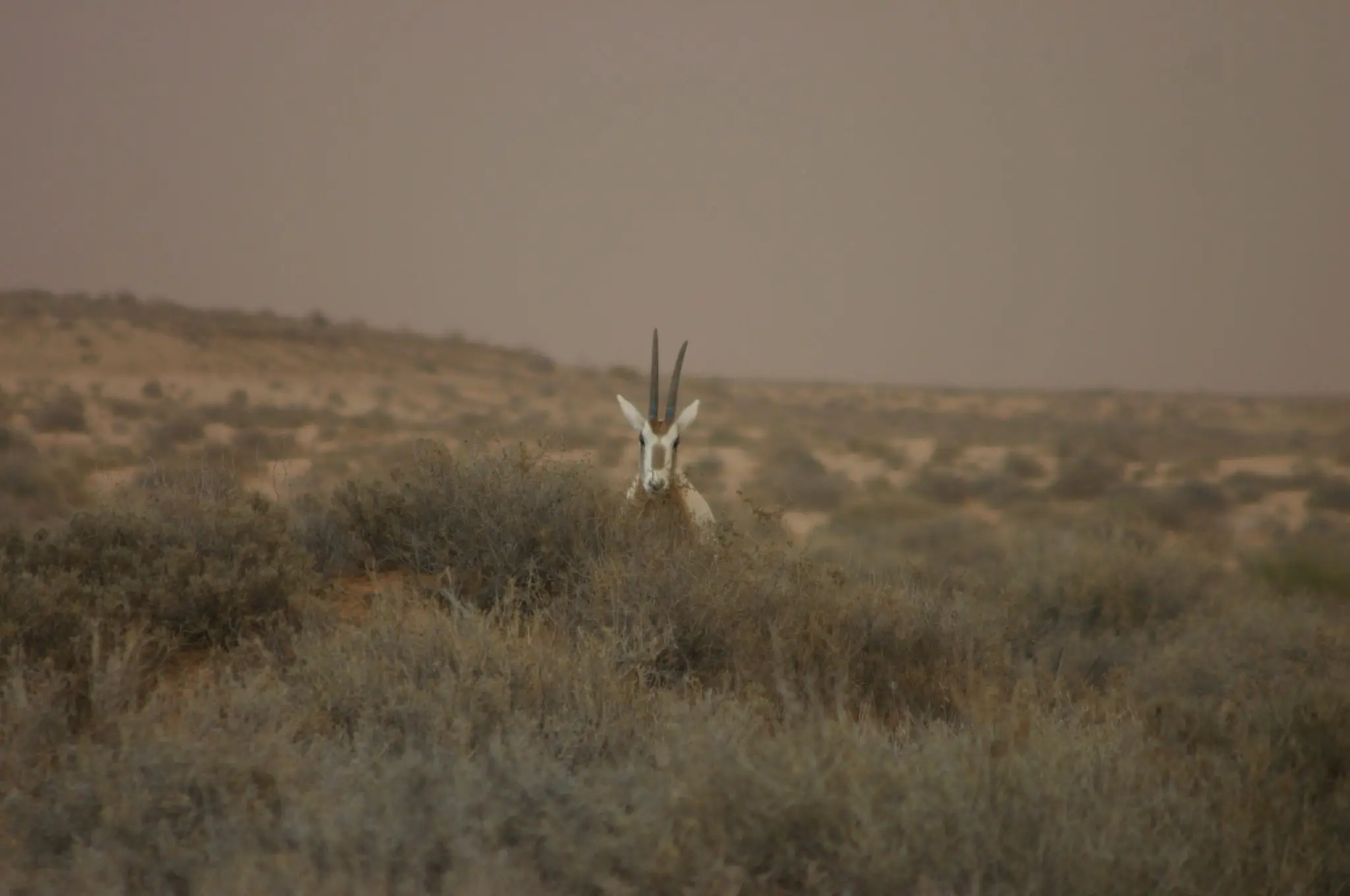
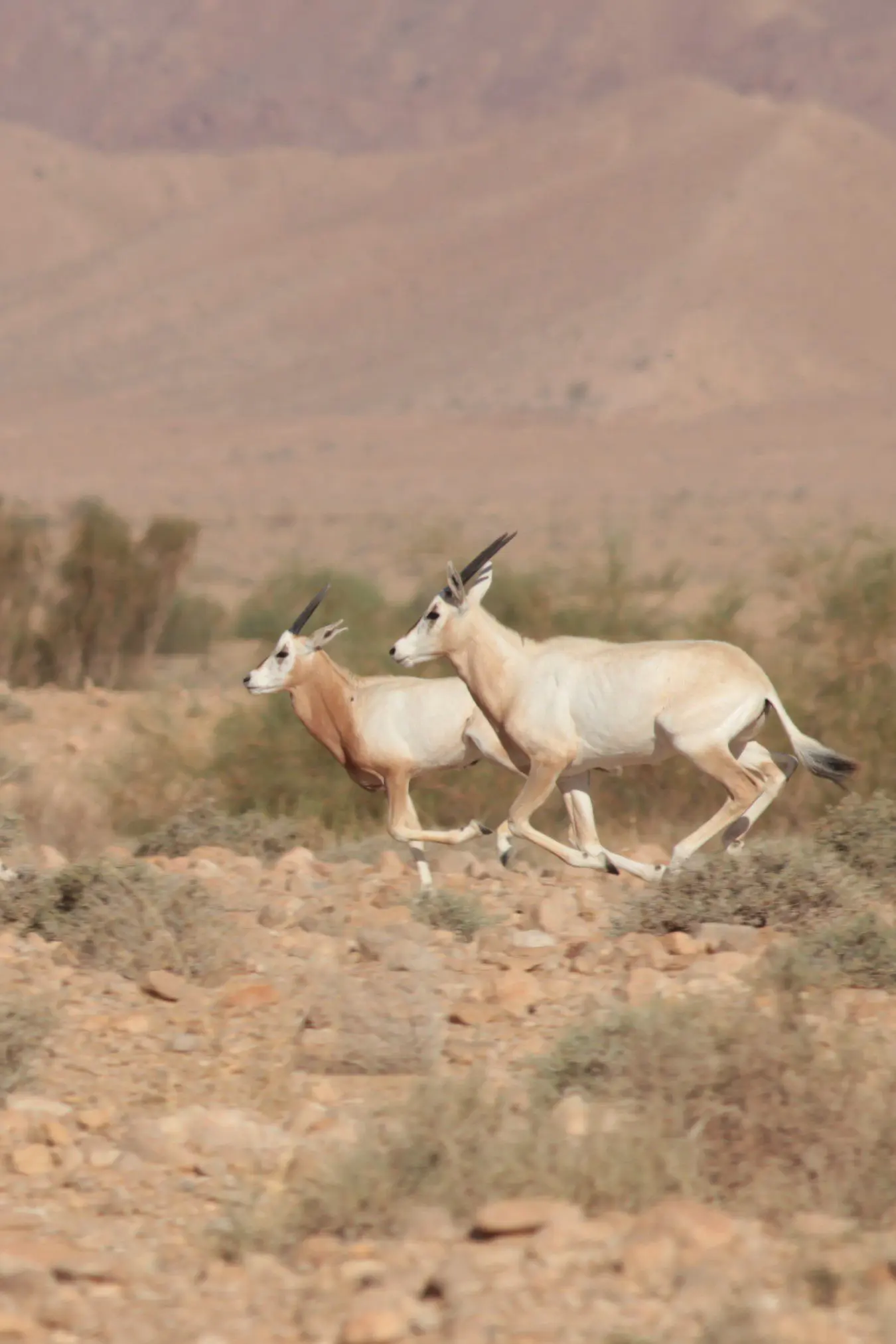
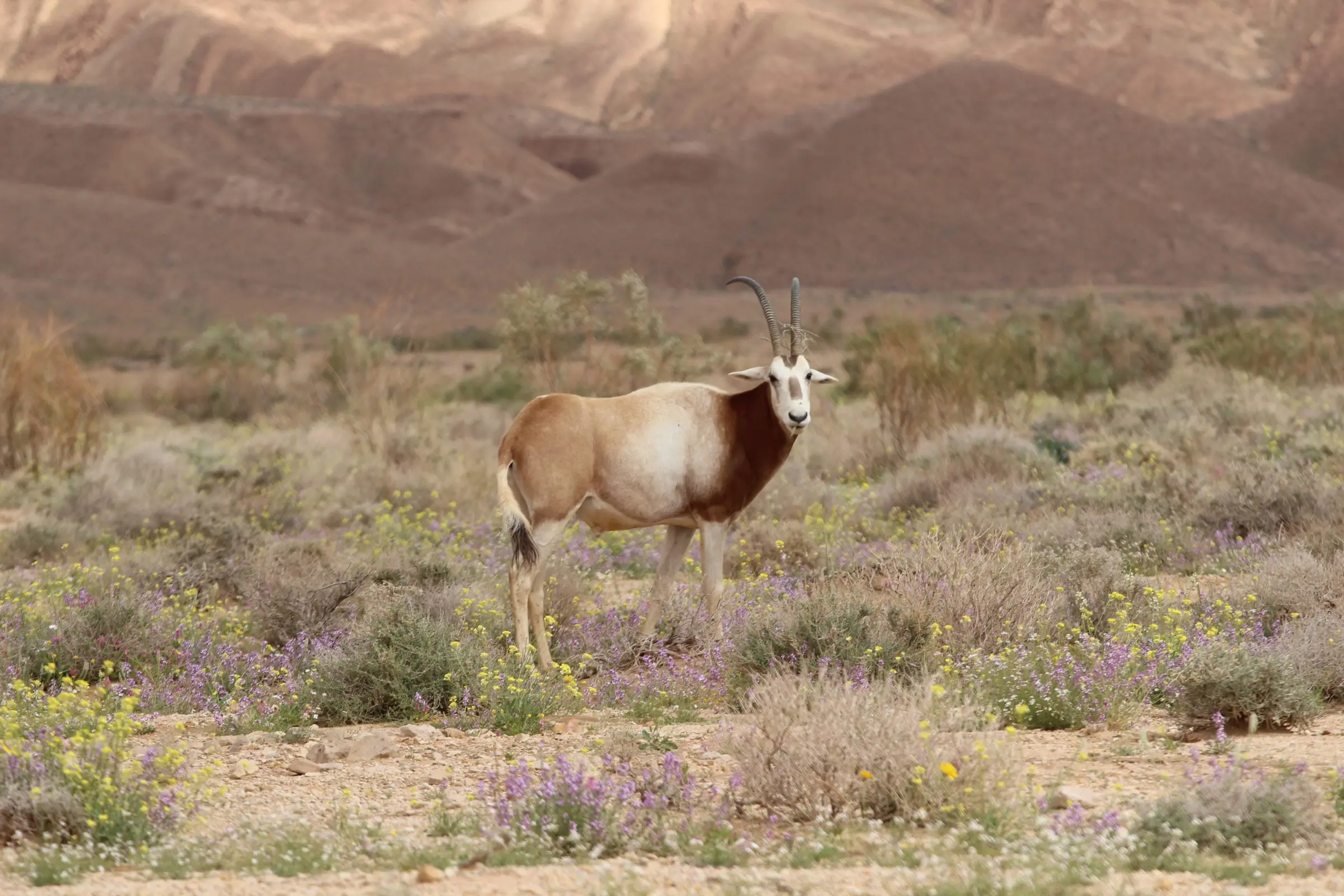
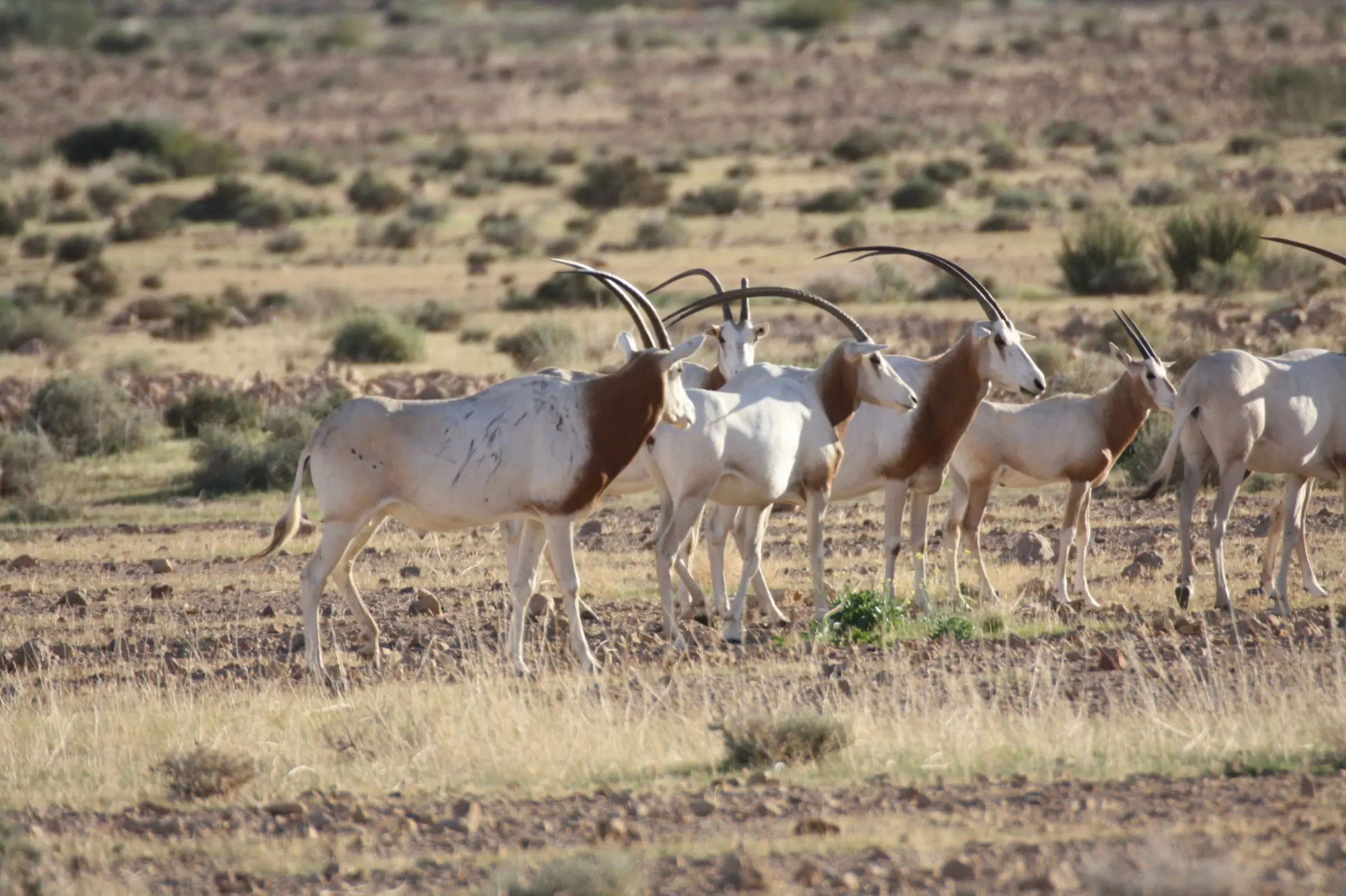
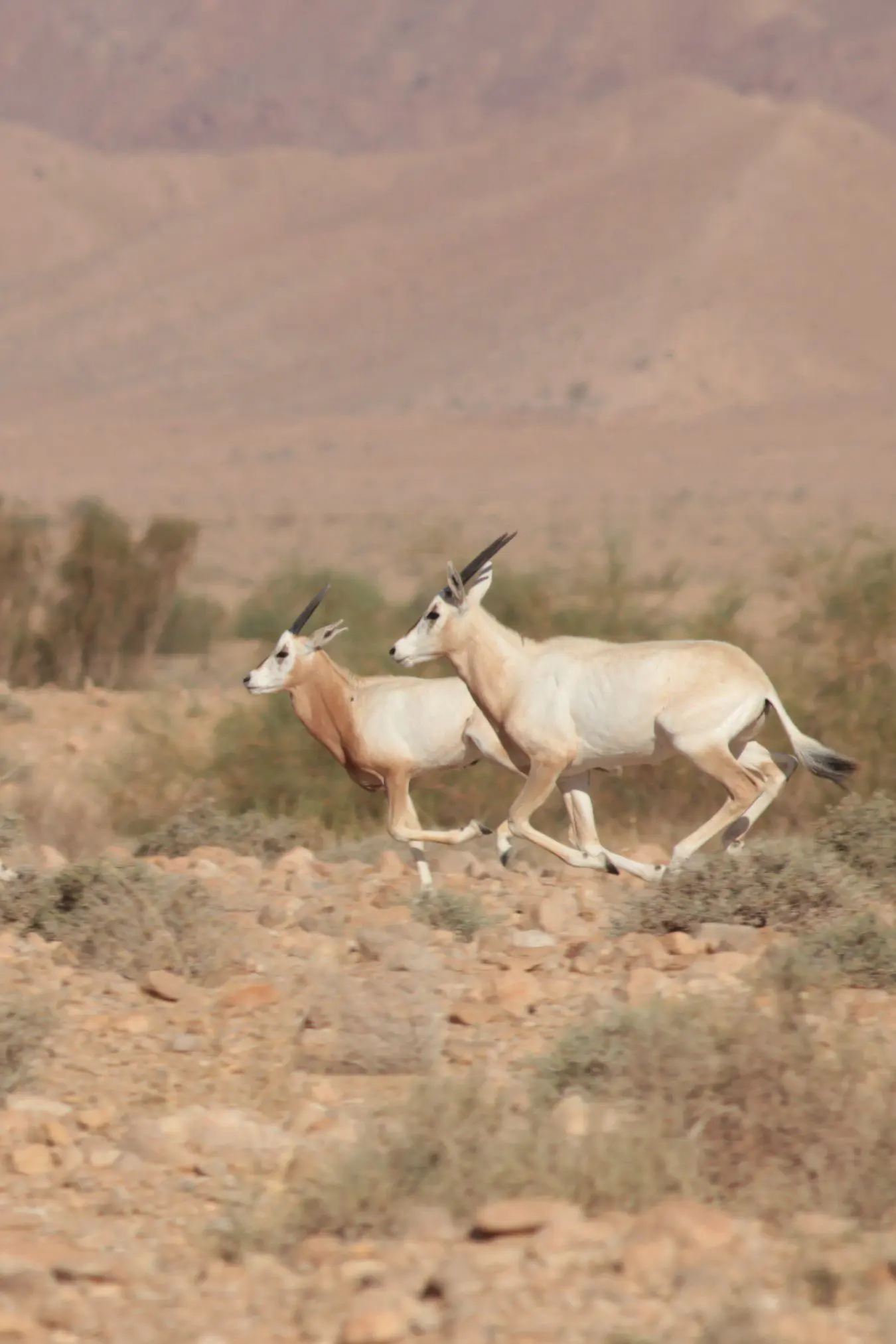
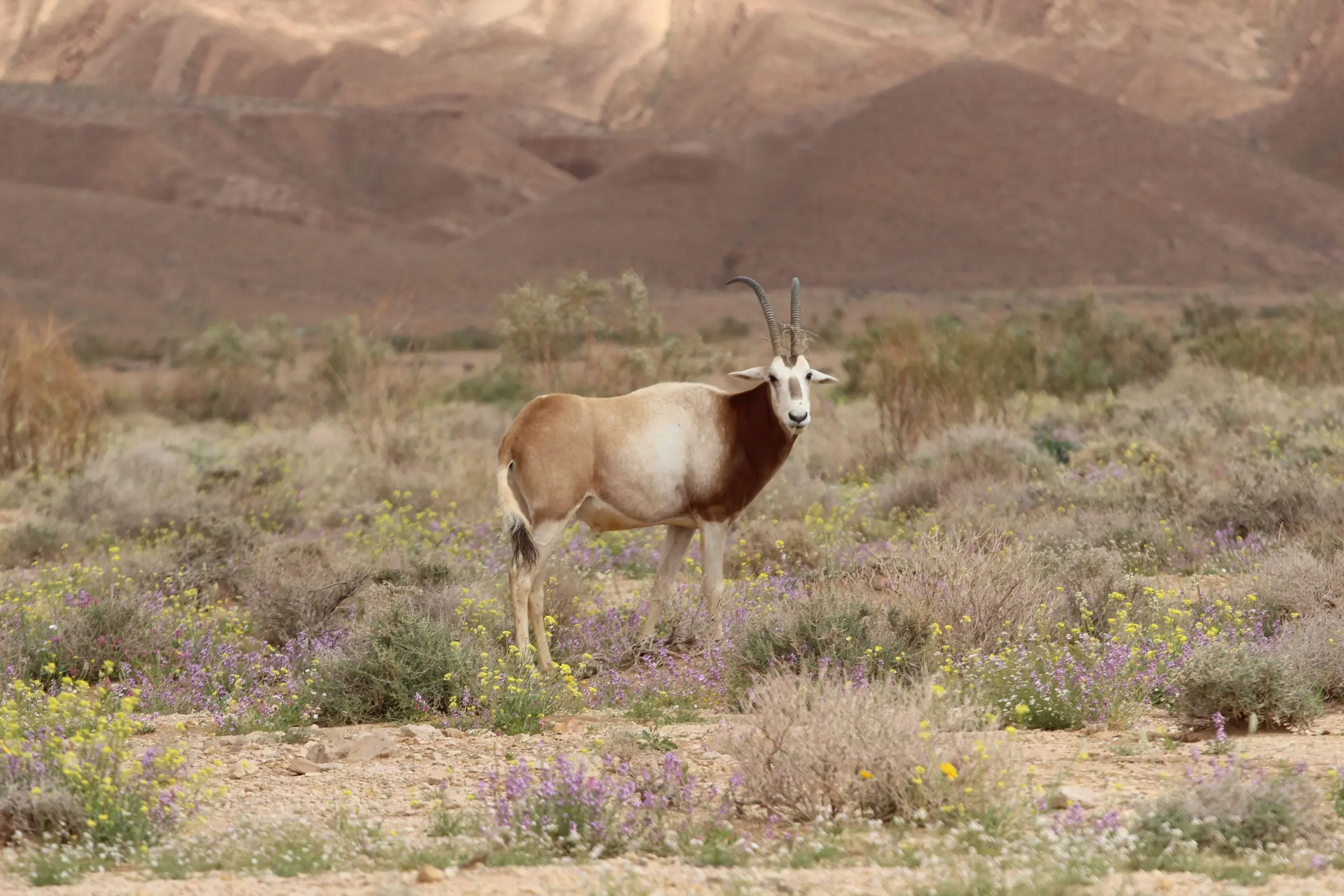
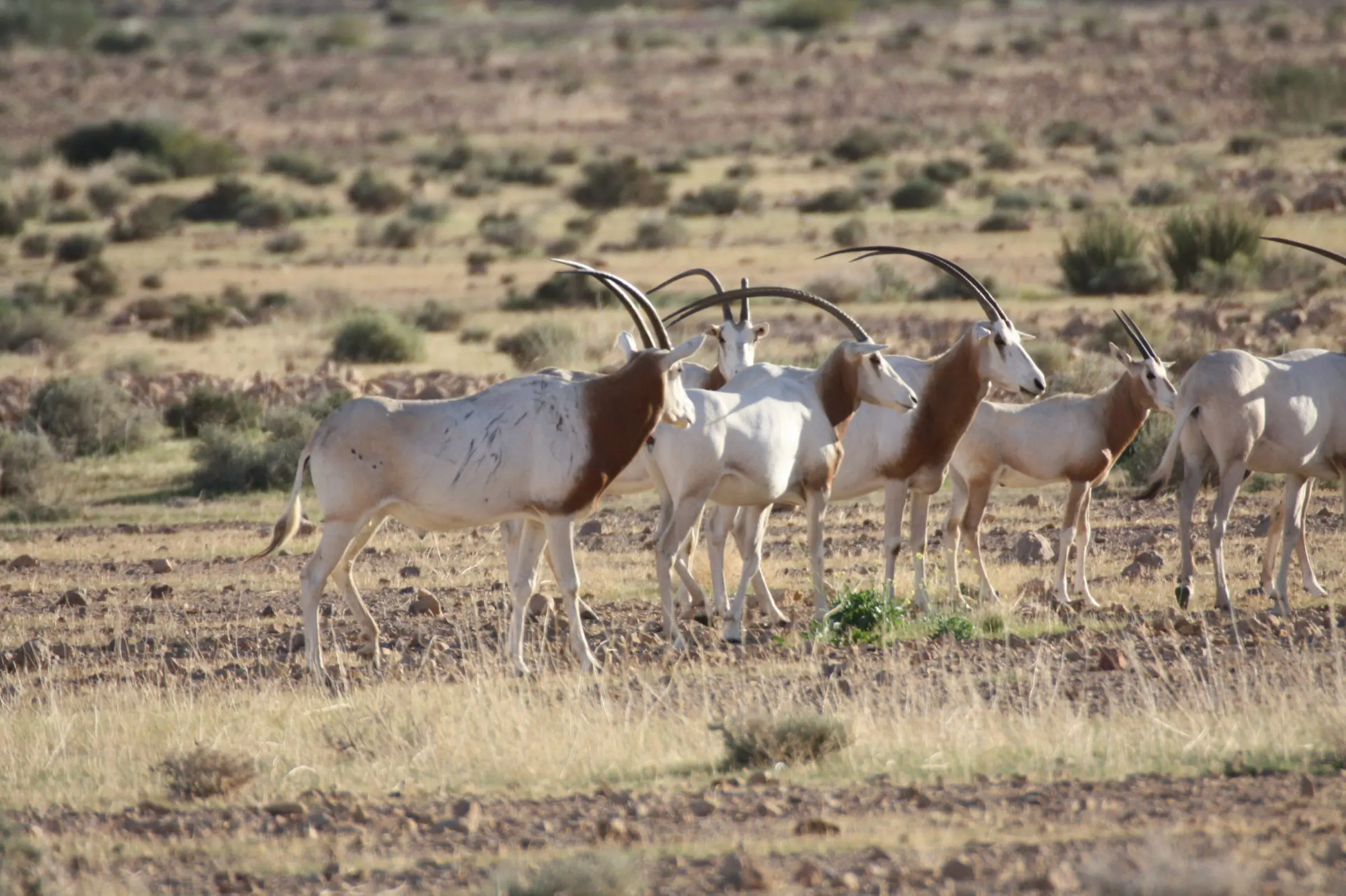
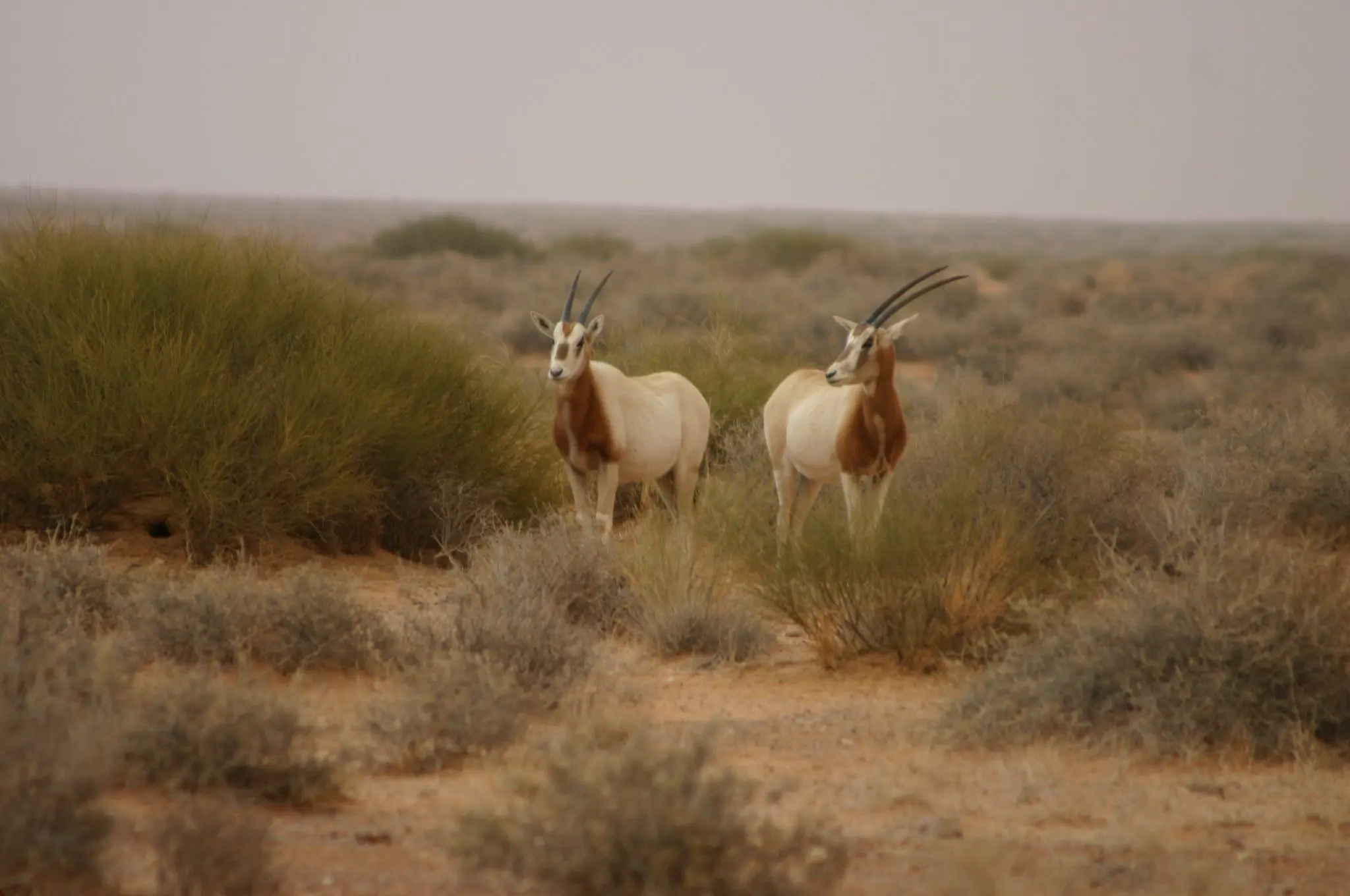
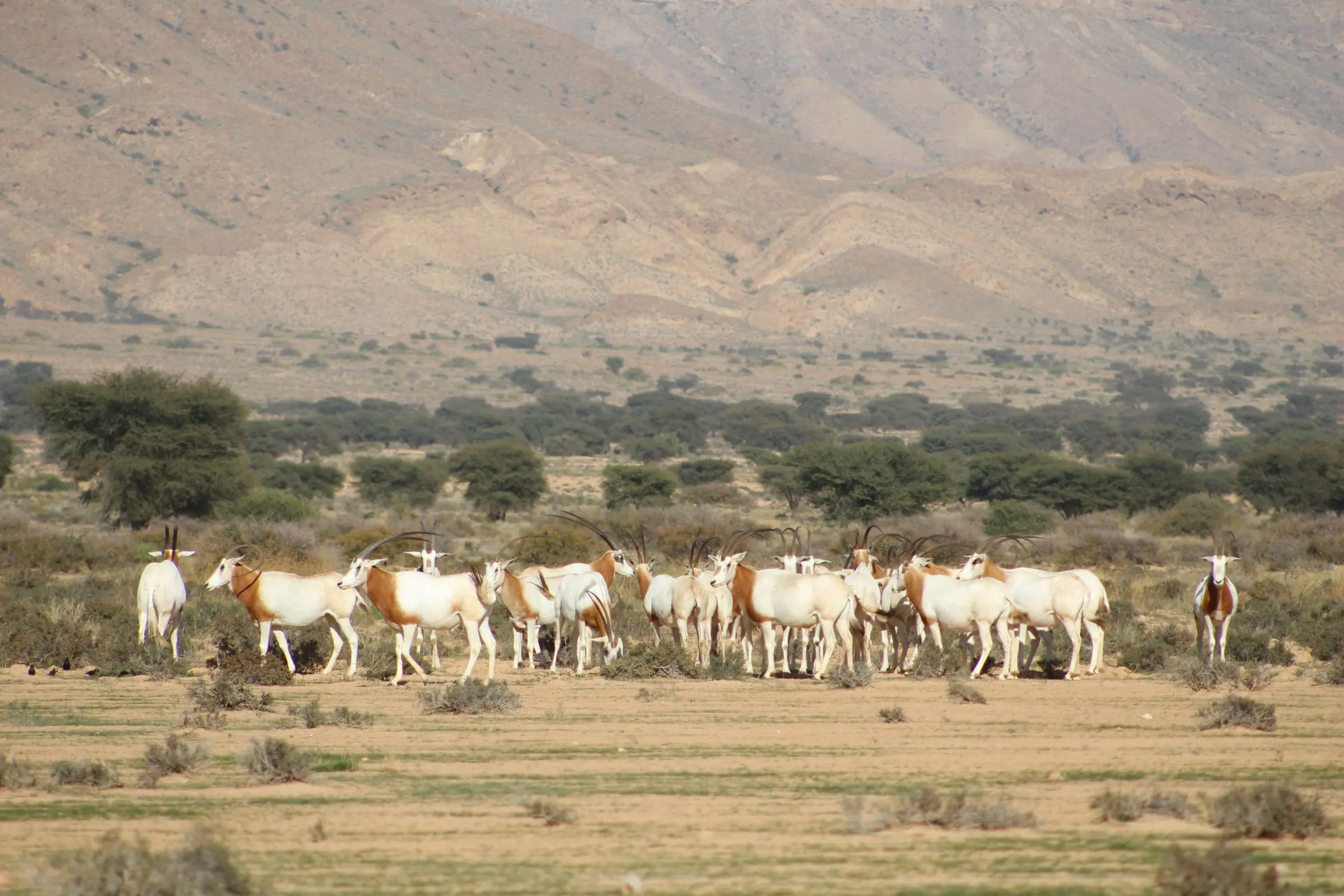
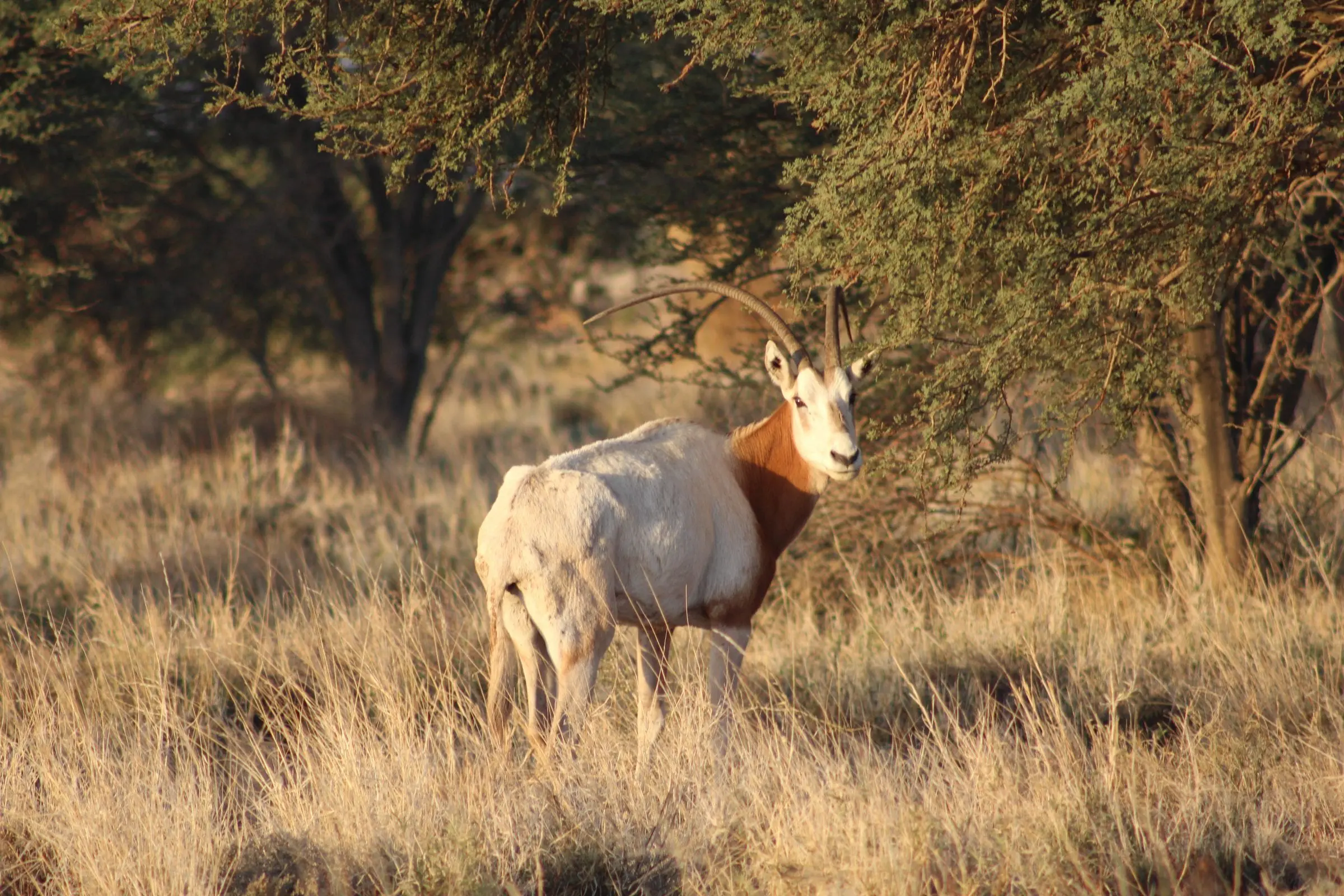
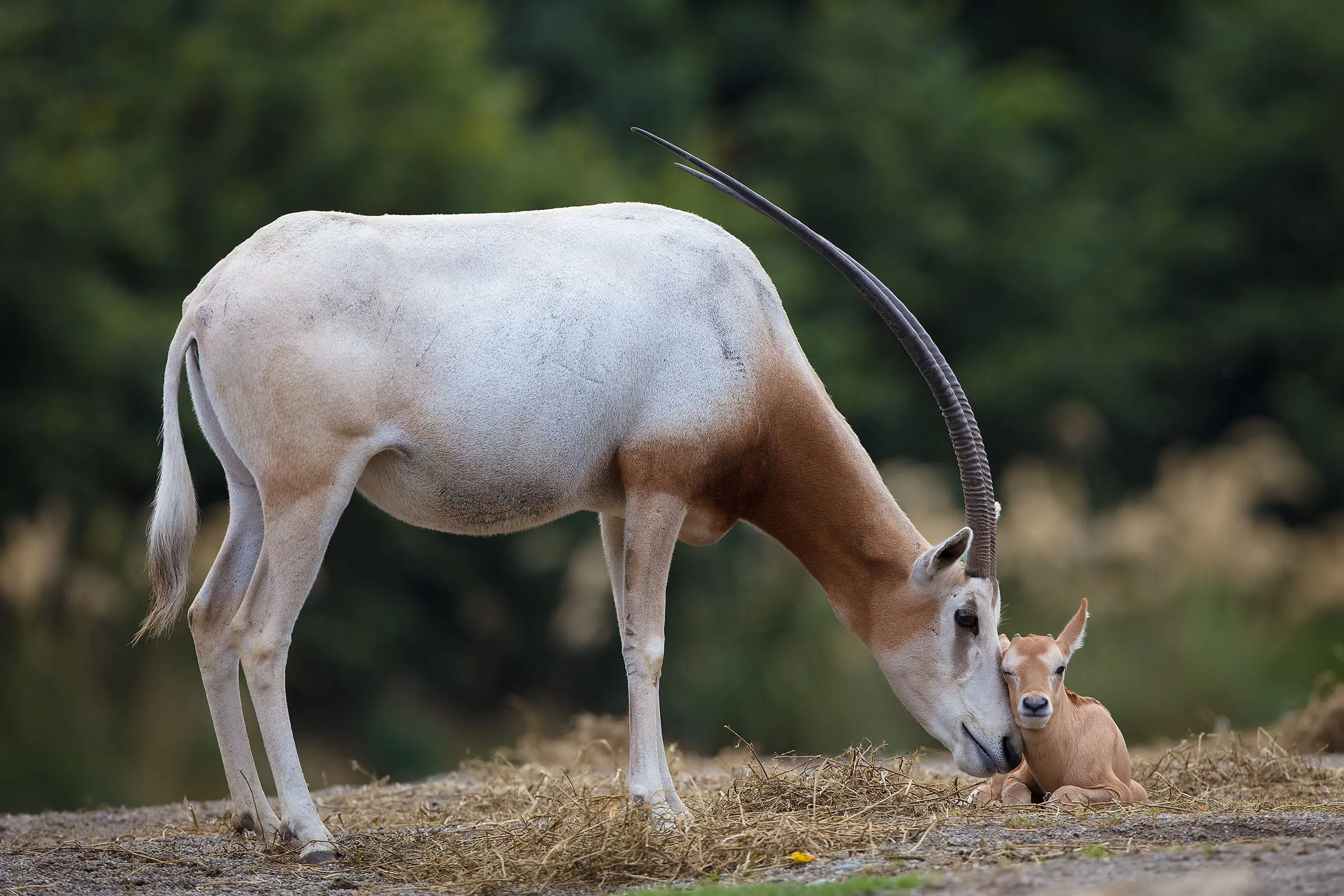
Scimitar-horned oryx are a species of antelope, they have white/cream coloured hair with reddish-brown necks and a long, dark, tufted tail. They once populated many areas in northern Africa, but only small, reintroduced populations exist today. They have long scimitar-shaped horns, after which they are named.
General Information
Zoo location
African Savanna
Animal class
Mammalia
Animal order
Artiodactyla
Where do they live (Natural habitat)?
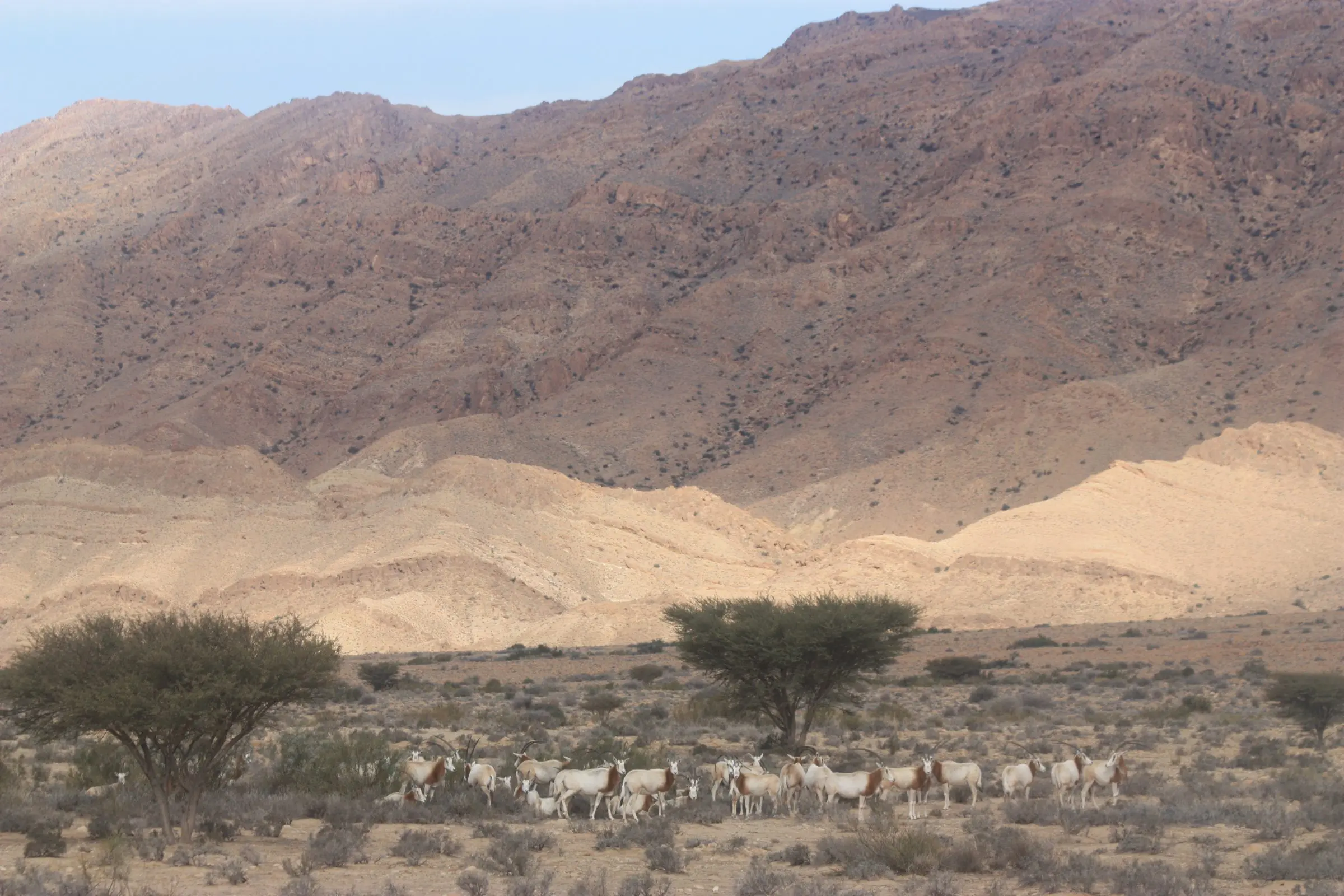
Scimitar-horned oryx once lived in Algeria, Burkina Faso, Chad, Egypt, Libya, Mali, Mauritania, Niger, Nigeria, Senegal, Sudan, Tunisia and Western Sahara.
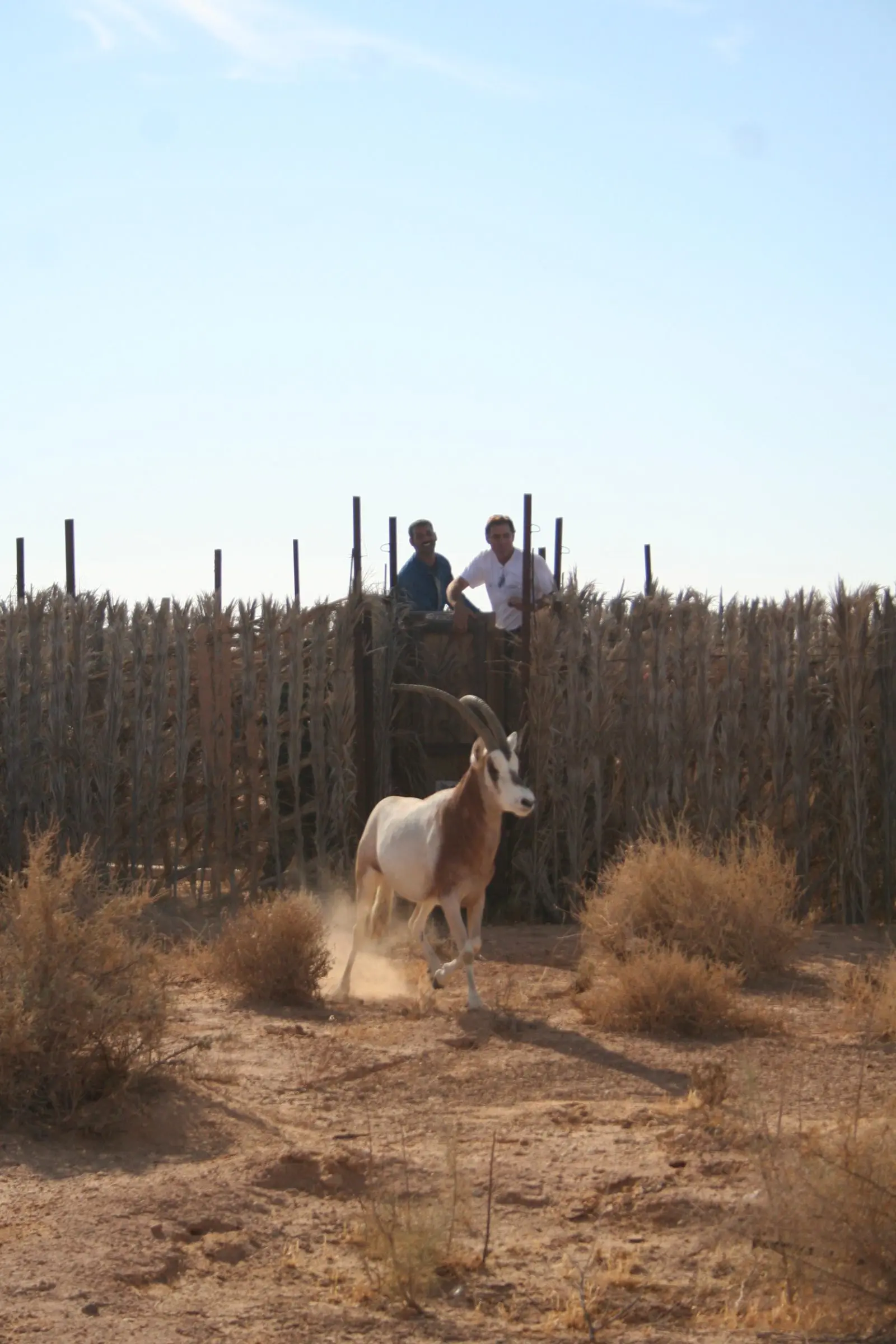
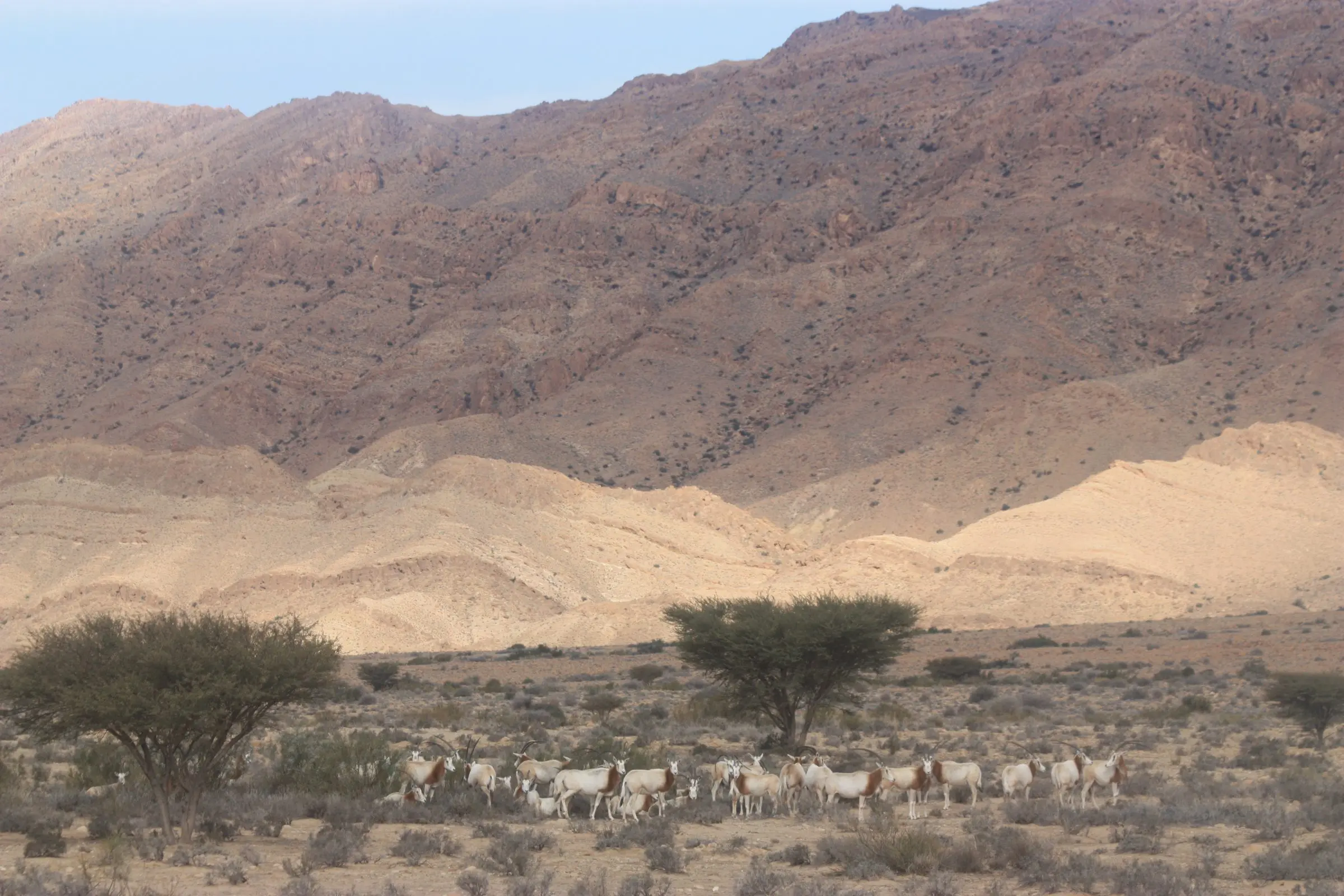
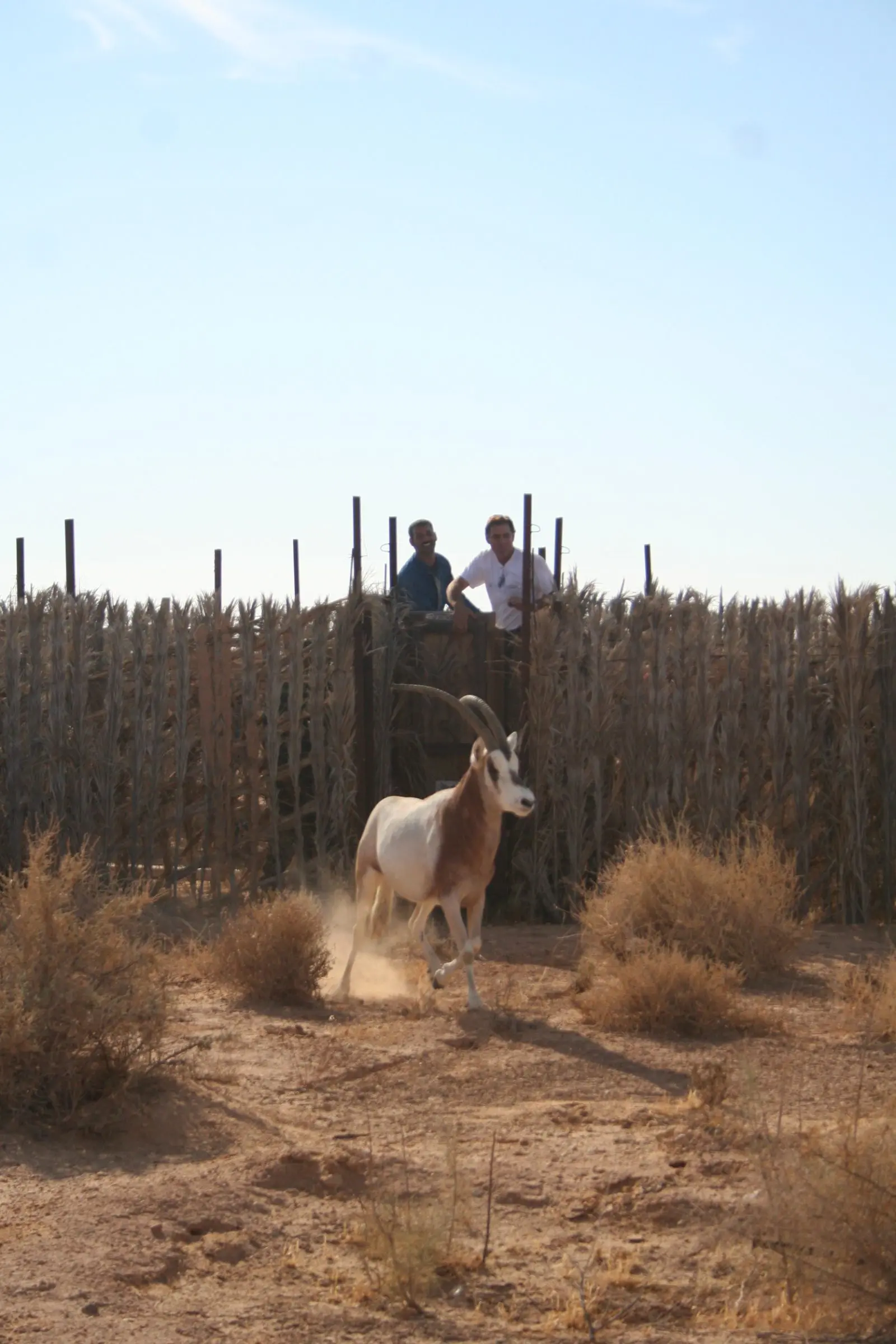
Herds are currently being reintroduced to reserves in Morocco, Tunisia, Senegal and Chad. Scimitar-horned oryx populations have been released into four protected areas in Tunisia and one in Senegal as part of reintroduction programmes. A self-sustaining wild population now thrives in Chad, following a successful reintroduction project involving zoos from around the world.
How long do they live?
Scimitar-horned oryx can live up to 20-24 years.
What do they eat?
Oryx are herbivores. They mostly eat grasses and shrubs. Living in some of the drier parts of the world, oryx in the wild need to be constantly on the move to find new grazing grounds. They get most of their water from the plants that they eat.
Group name
Herd
Closest related species / sister species
Scimitar-horned oryx are most closely related to the three other species that make up the genus Oryx: the Gemsbok, East African and Arabian oryx.
Fun Facts!
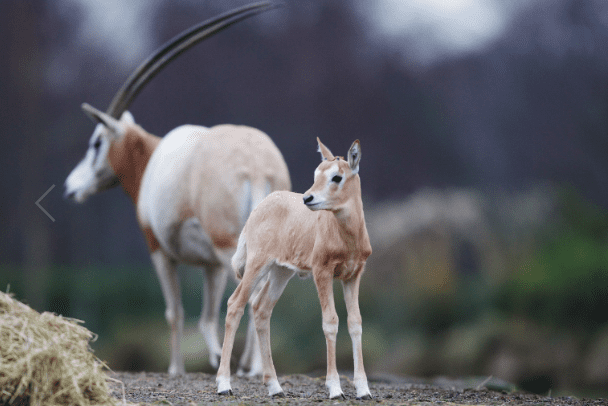
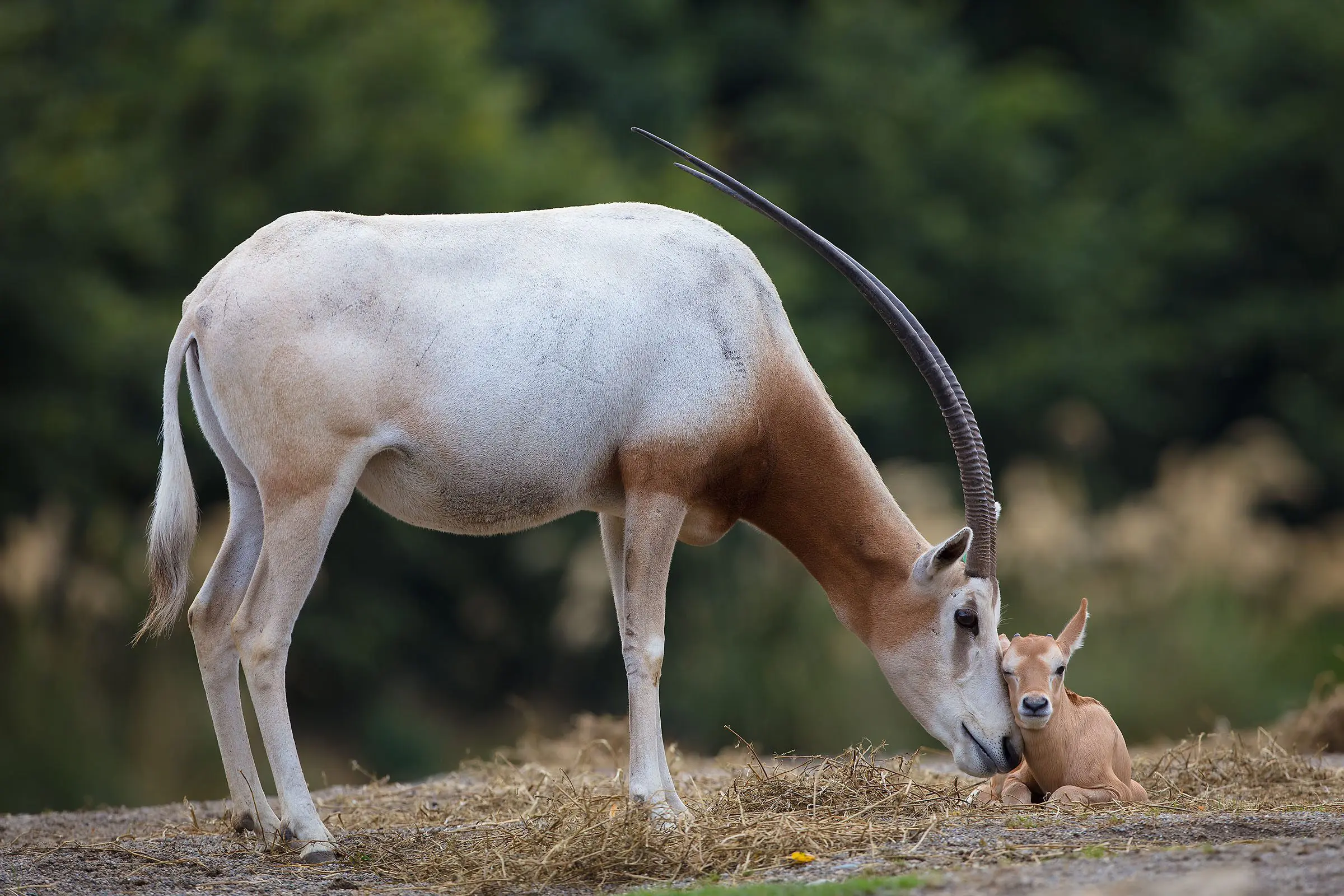
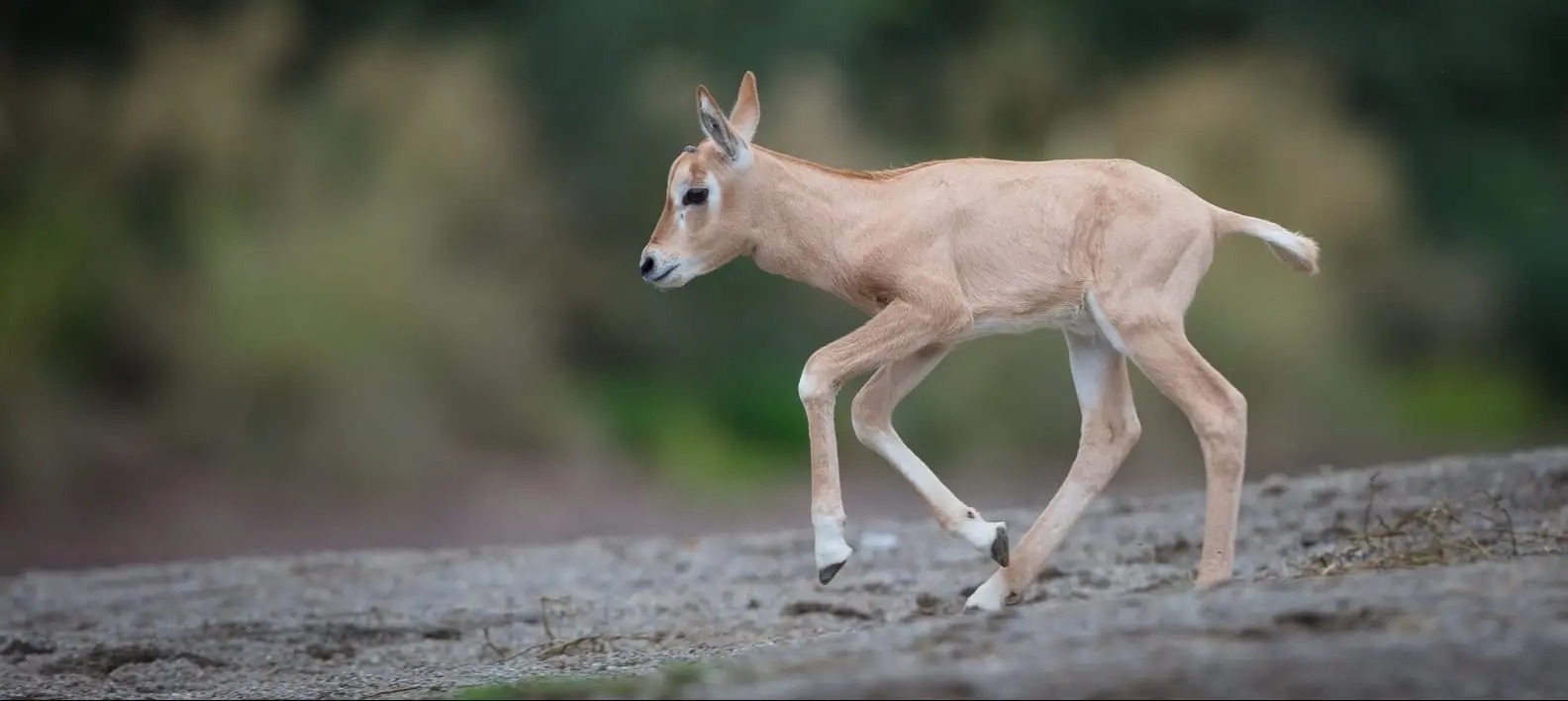
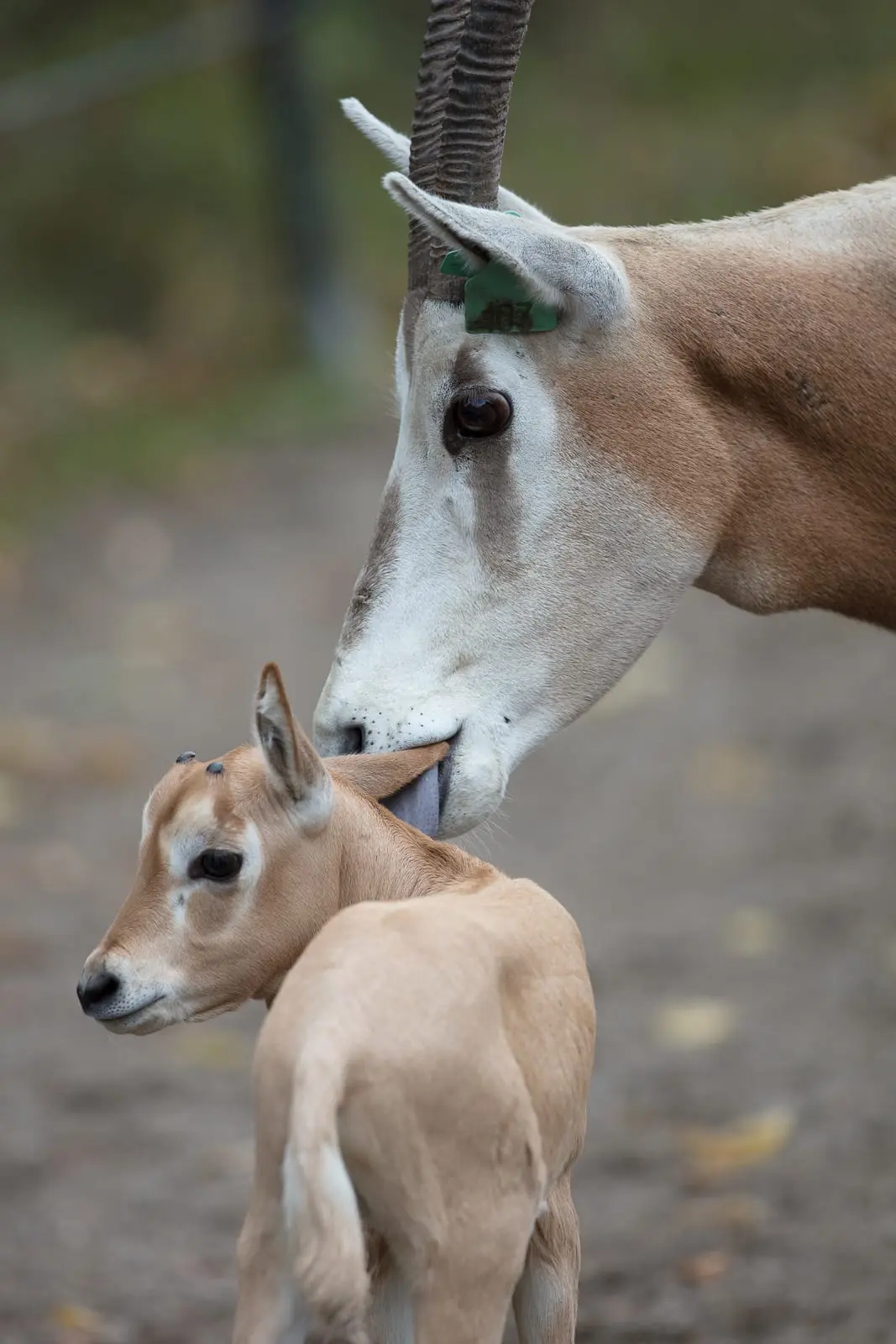
Oryx calf born at Dublin Zoo
The scimitar-horned oryx
Family life
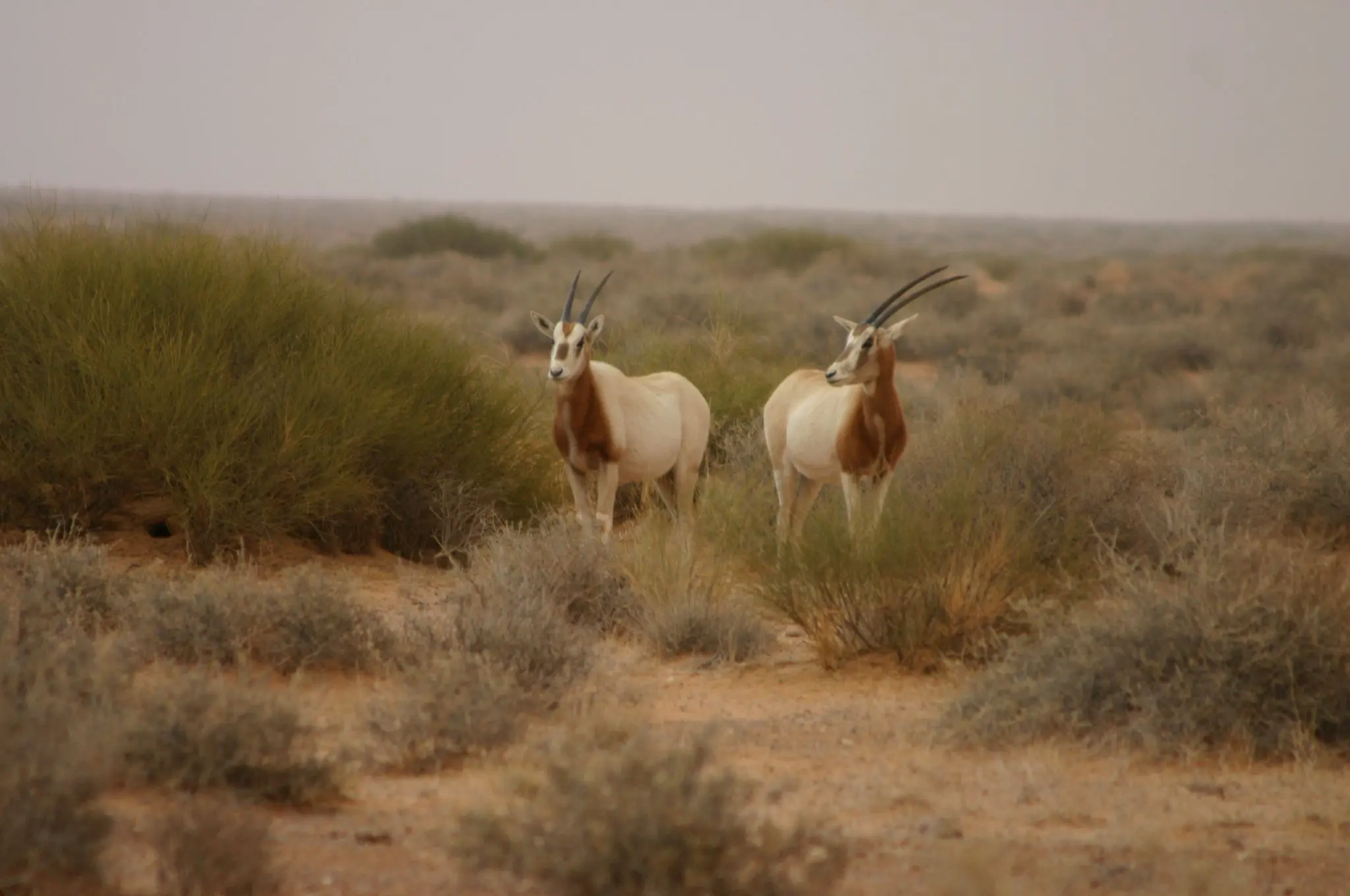
Scimitar-horned oryx live in large social herds made up of females, their calves and a dominant bull. Historically, herds would migrate long distances searching for fresh grazing areas and water. They breed all year round. The calves are able to get up and follow their mothers within an hour of being born.
Baby name
Calf
Gestation (pregnancy) period
8-9 months
Number of young at birth
One
Weight at birth
Scimitar-horned oryx calves weigh approximately 10kg at birth.
Age at maturity
1.5-2 years
Adult size
They are approximately 1.5 m tall at the shoulder and 1.5 – 2.5 m in length.
They weigh 100 – 210 kg.
Conservation
Endangered
Today, the scimitar-horned oryx is listed as Endangered on the IUCN Red List. However, the species became extinct in the wild in the early 1990s due to overhunting and habitat loss. The scimitar-horned oryx only survives today thanks to the work of zoos around the world, which have maintained a genetically secure insurance population, which has since been used for reintroduction efforts.
Current population estimate
Thanks to a successful reintroduction programme involving zoos from all around the world, there are now wild populations of scimitar-horned oryx in Chad, currently numbering over 600 individuals. There are also small populations in fenced protected areas in Tunisia, Senegal and Morocco.
Threats
Overhunting, habitat loss and competition for grazing land with domestic livestock.
What is Dublin Zoo doing?
Dublin Zoo supports a scimitar-horned oryx reintroduction programme in Tunisia, a country where they were previously found in the wild. We also take part in an international breeding programme for scimitar-horned oryx.
Frequently Asked Questions
Scimitar-horned oryx once lived in Algeria, Burkina Faso, Chad, Egypt, Libya, Mali, Mauritania, Niger, Nigeria, Senegal, Sudan, Tunisia and Western Sahara. Herds are currently being reintroduced to parks in Morocco, Tunisia and Senegal, with the hope of releasing them into the wild in the future. A wild population is now thriving in Chad, thanks to reintroduction efforts from zoos.
Scimitar-horned oryx are herbivores. They mostly eat grasses and shrubs.
Scimitar-horned oryx are classified as Endangered by the International Union for the Conservation of Nature.
The species became extinct in the wild in the early 1990s due to overhunting and habitat loss. The scimitar-horned oryx only survives today thanks to the work of zoos around the world, which have maintained a genetically secure insurance population, which has since been used for reintroduction efforts.
Scimitar-horned oryx were driven to extinction in the wild due to overhunting, habitat loss and competition for grazing land with domestic livestock.
Thanks to a successful reintroduction programme involving zoos from all around the world, there are now wild populations of scimitar-horned oryx in Chad. There are also small populations in fenced protected areas in Tunisia, Senegal and Morocco.