Plant Life
Explore the fascinating world of Plant Life at Dublin Zoo
Species
Plant Life
Habitat
General
Diet
N/A
Conservation Status
Still to be evaluated
The Living Lungs:
Discover the Vital World of Plant Life
Dublin Zoo is much more than just animals – it’s home to over 2,000 plant species that are as important to us as the animals themselves. Plants are essential to nearly all life on Earth, and our horticulture team works tirelessly to create beautiful, healthy habitats.
From dense bamboo to the native Irish oak, these plants are carefully chosen to reflect the animals’ natural habitats and ensure they feel right at home here at Dublin Zoo.
Explore the dedicated sections below to learn about the incredible biodiversity of our grounds and the essential role plants play in global conservation.
Gunnera
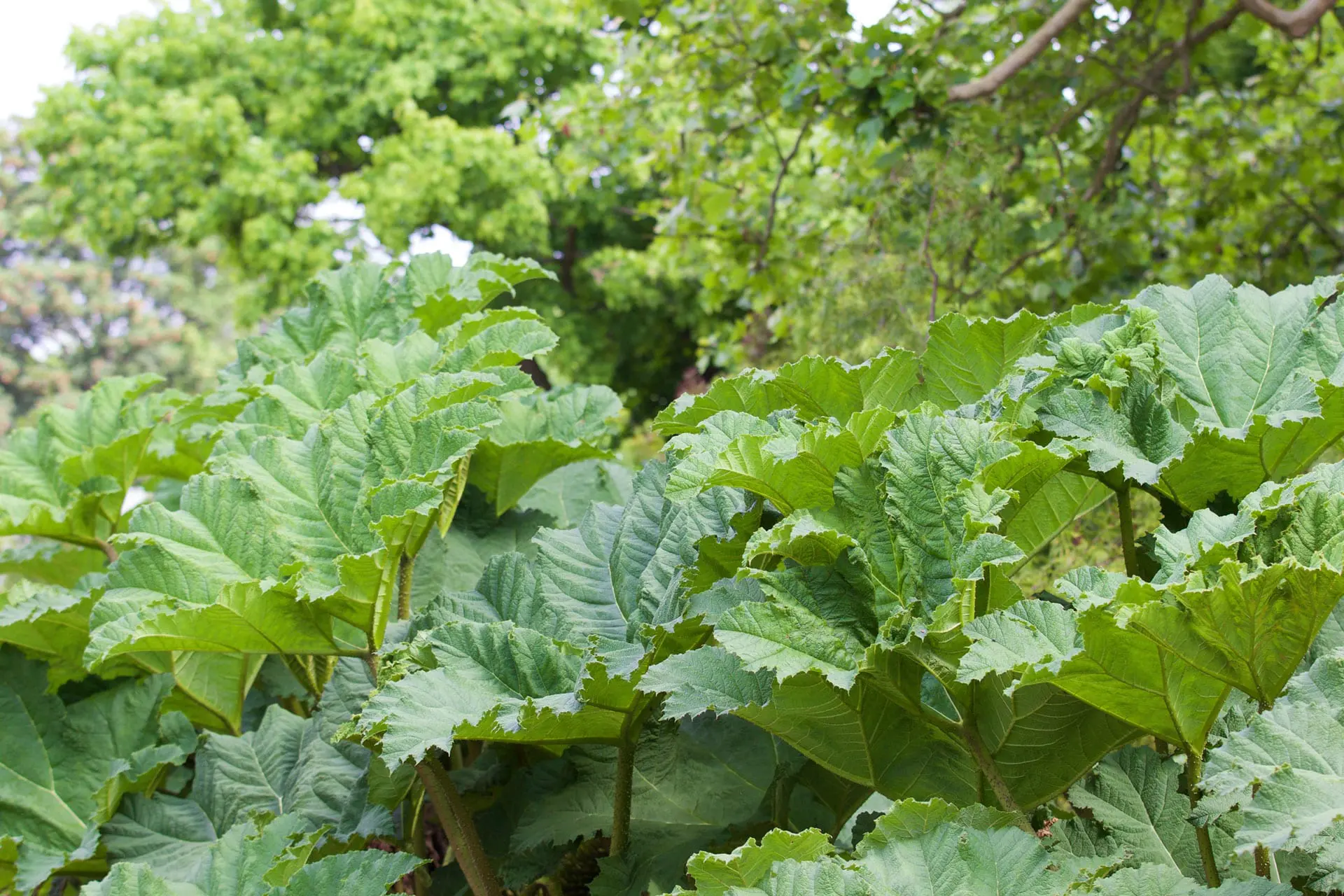
This spectacular South American plant can grow two metres high and wide in a single spring season.
Gunneras have a unique relationship with micro-organisms called bluegreen algae. These algae enter the plant through glands at the base of its stem. The algae provide the plant with nitrogen in return for carbon.
This species comes from southeastern Brazil. Much smaller species are found in New Zealand, Central America and South Africa. Scientists believe the group first arose when the continents were joined together in a supercontinent known as Gondwanaland. Gunneras spread and evolved as the continents drifted apart.
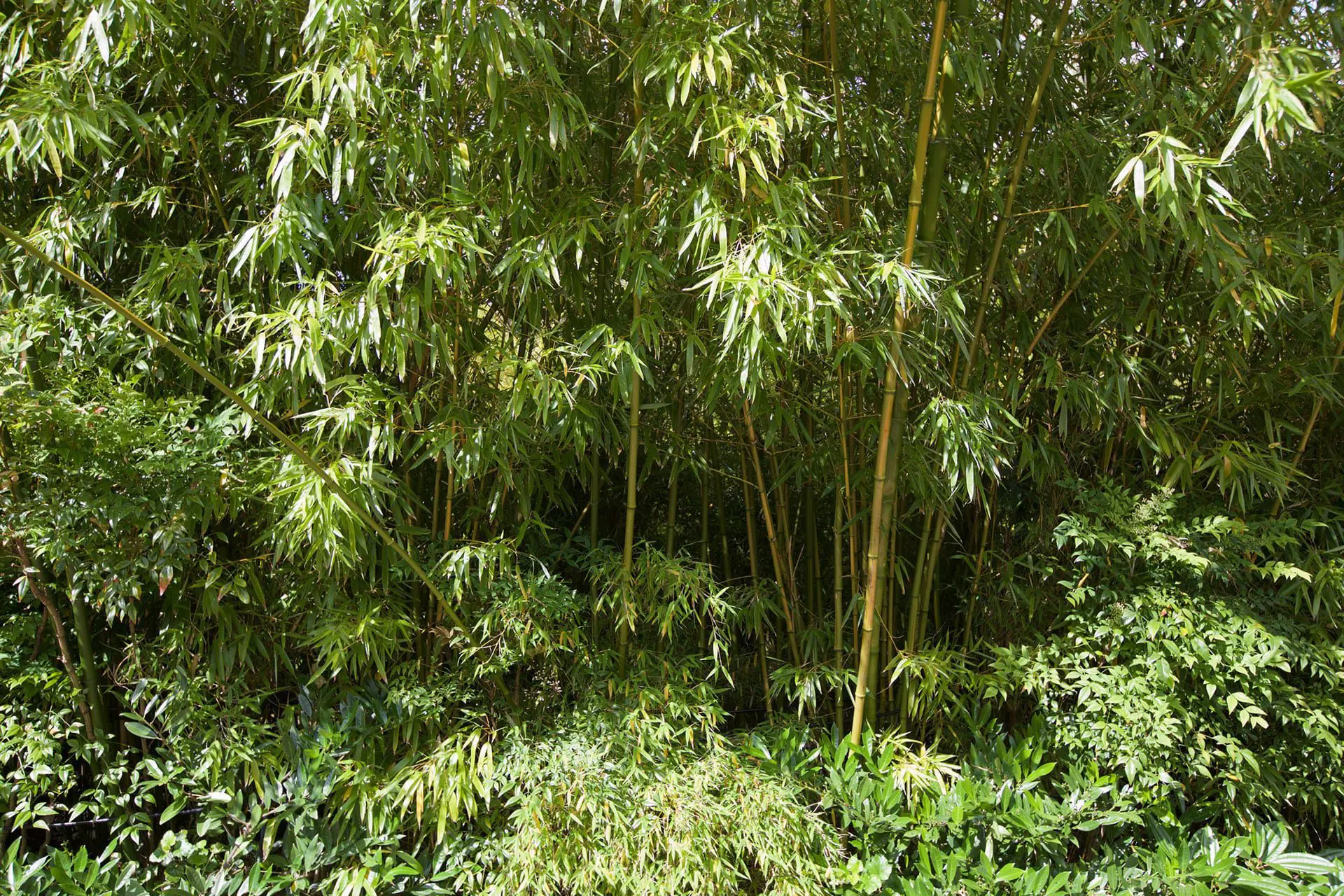
Bamboo
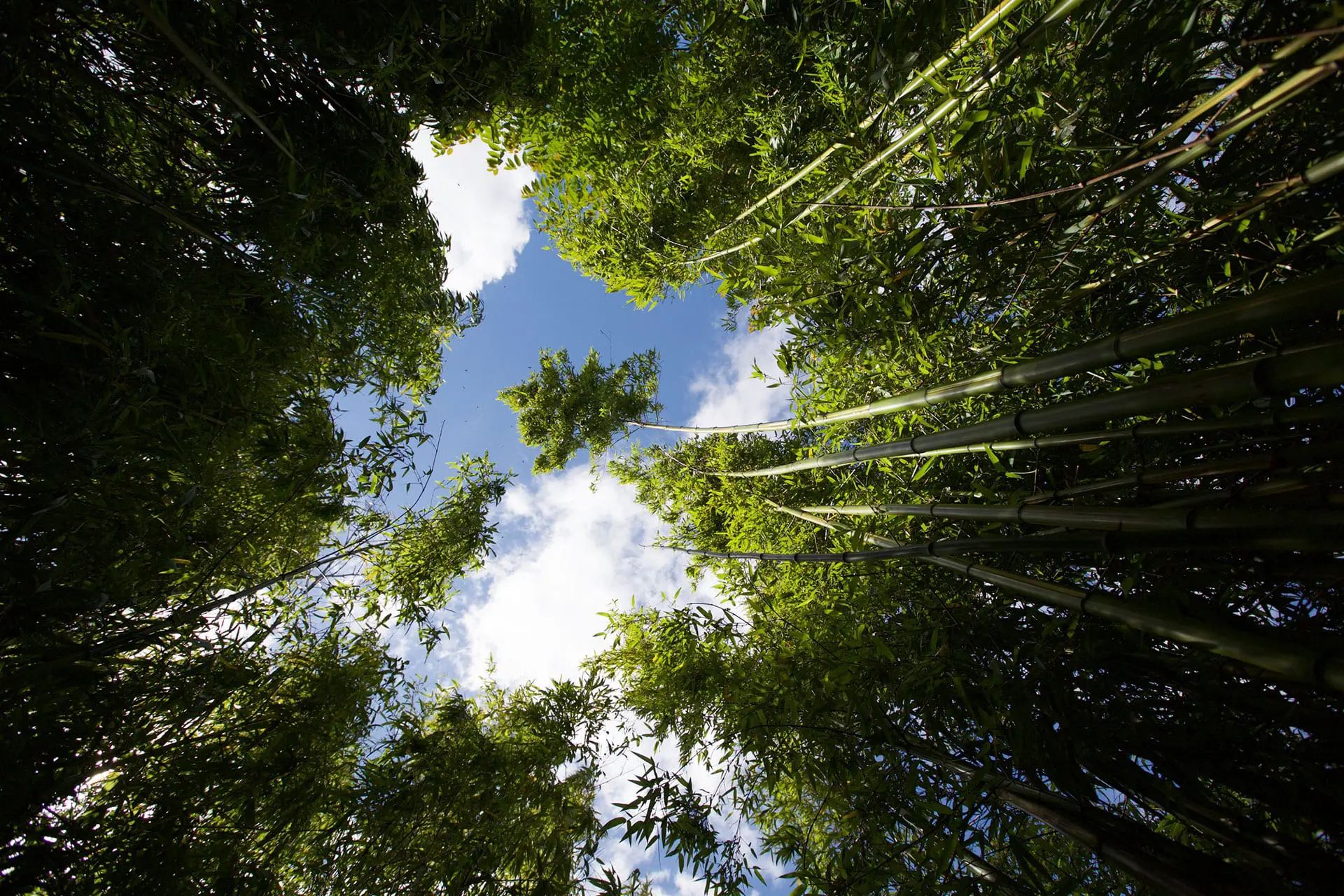
Bamboo is a fast-growing woody grass and one of the dominant plants of Asian forests. Some species can grow up to 30 metres tall, with hollow stems that are both lightweight and incredibly strong.
Bamboo is famous for its rapid growth. In warmer climates, it can grow more than 25 centimetres in a single day. Even at Dublin Zoo, bamboo can reach its full height during a short growing season each year.
Bamboo also has a unique life cycle. Plants of the same species can flower at the same time, even when growing in completely different parts of the world. Scientists are still unsure what triggers this remarkable event.
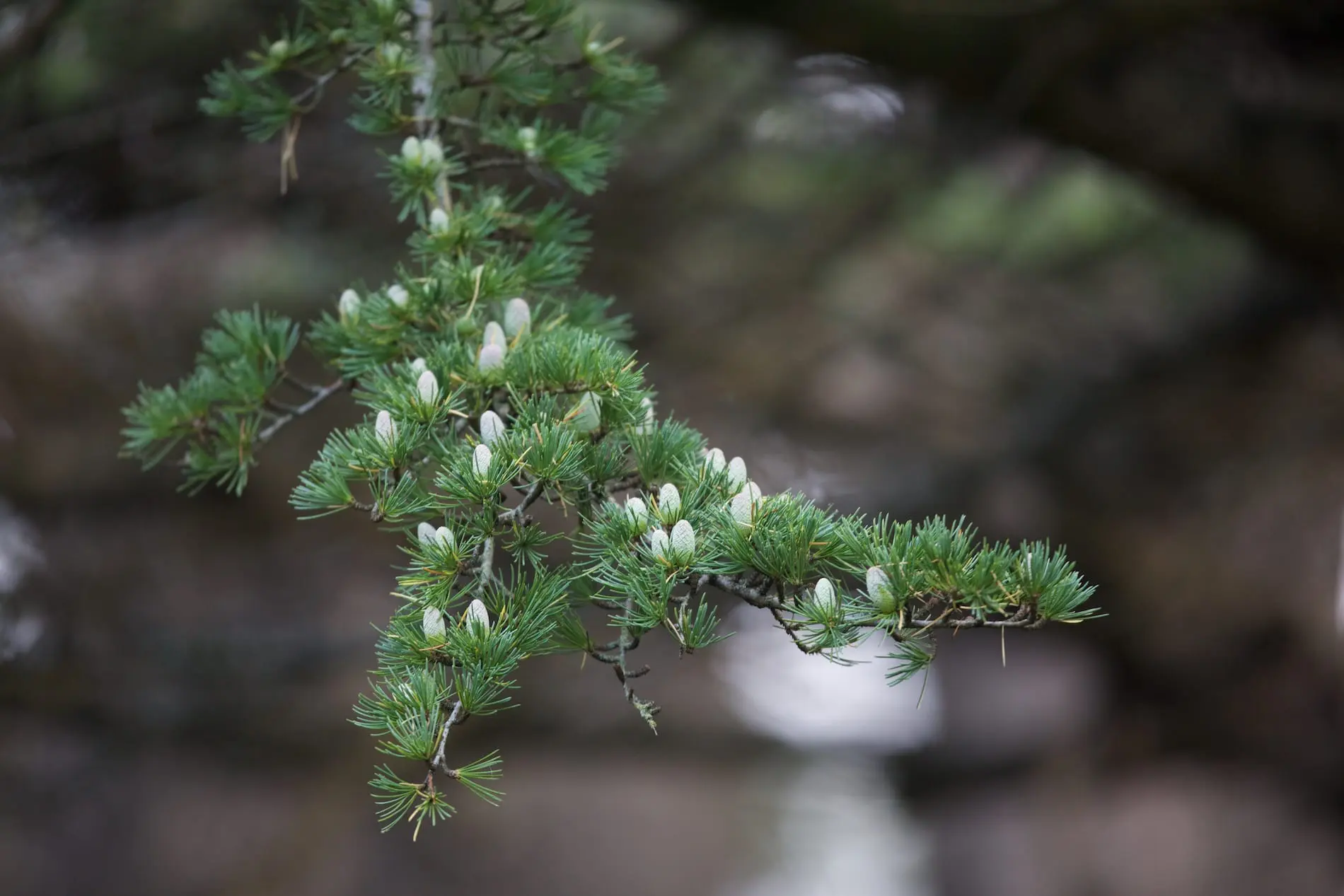
Deodar
This magnificent tree is nearly as old as the zoo. It was planted around 1850, when it was the fashion to grow new and exotic trees.
The deodar is a type of cedar that grows wild in the western Himalayas. It is the national tree of Pakistan and is also sacred to Hindus. The name comes from the Sanskrit words ‘deva’ (god) and ‘daru’ (wood).
Chemical compounds in deodar wood make it rot resistant and insect proof. It is often used to build temples, public buildings and house boats. The aromatic wood repels insects, so it is also used in the storage of meat and grain stores, and on hangers to ward off clothes moths.
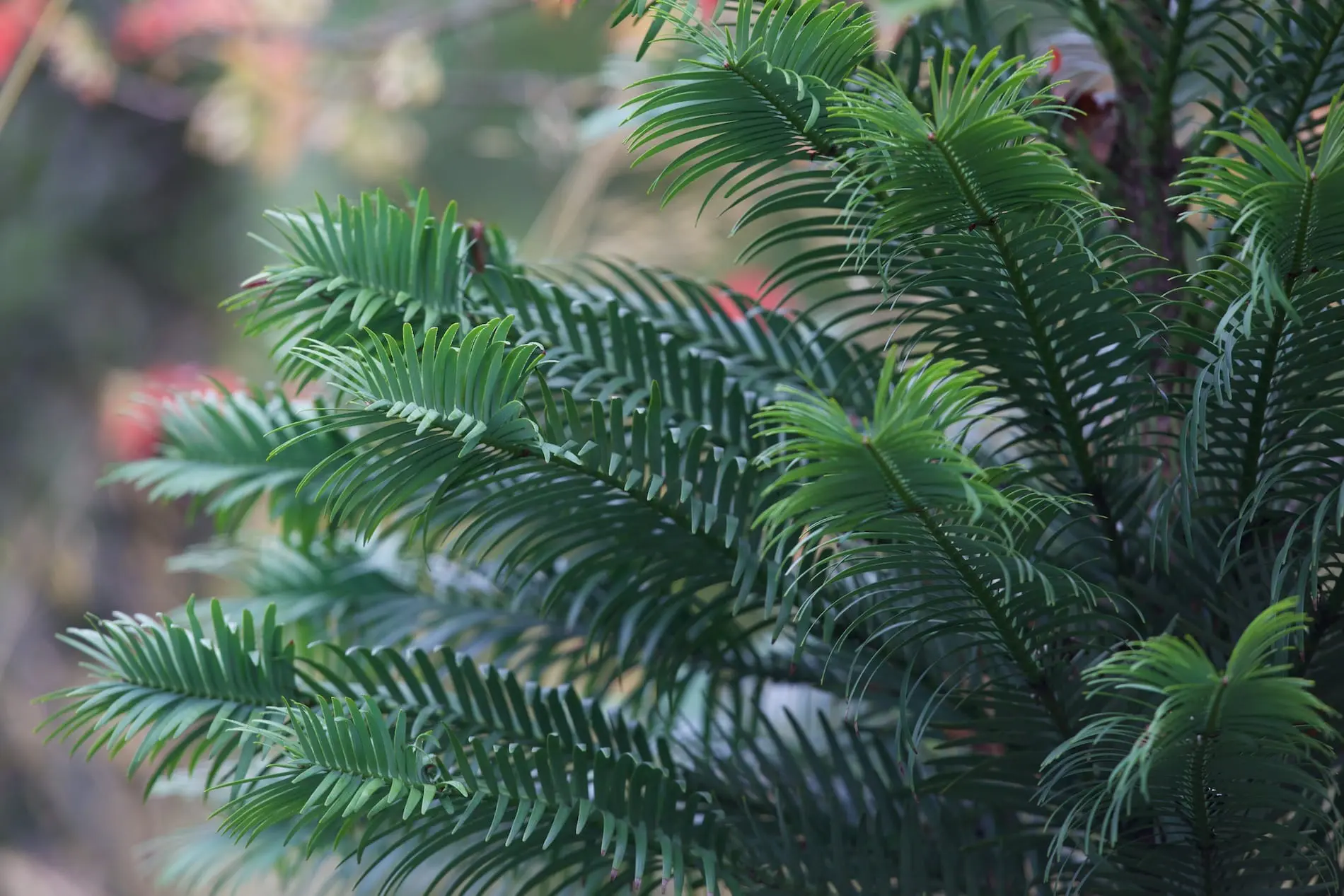
Wollemi Pine
This is a ‘living fossil’, the only surviving member of a group of plants that date back to the age of dinosaurs.
In 1994, David Noble, an Australian National Park ranger in the Blue Mountains, discovered some unusual trees – so unusual, they were previously known only from fossils.
Only 100 survive in the wild today and they are under threat from a fungal disease, but they grow well in parks and gardens. A percentage of the price of each nursery plant sold goes to support conservation projects.
Grasses and Grazers
Grasses and grazers have evolved together, shaping the savanna ecosystem we see today.
Much of Africa dried out 10 to 4 million years ago and forests gave way to open grasslands.
Grasses thrived in the dry and sunny conditions. Large grazing herbivores quickly evolved to take advantage of this new habitat, soon followed by predatory carnivores.
The pressure of their intense grazing led to changes. New grass species evolved with silica in their leaves. This made them harder to chew. The herbivores, in turn, evolved stronger grinding teeth to cope.
Boreal Forest
Nearly a third of all the forest cover on earth lies south of the Arctic circle, stretching in a great band across Russia, Europe and North America.
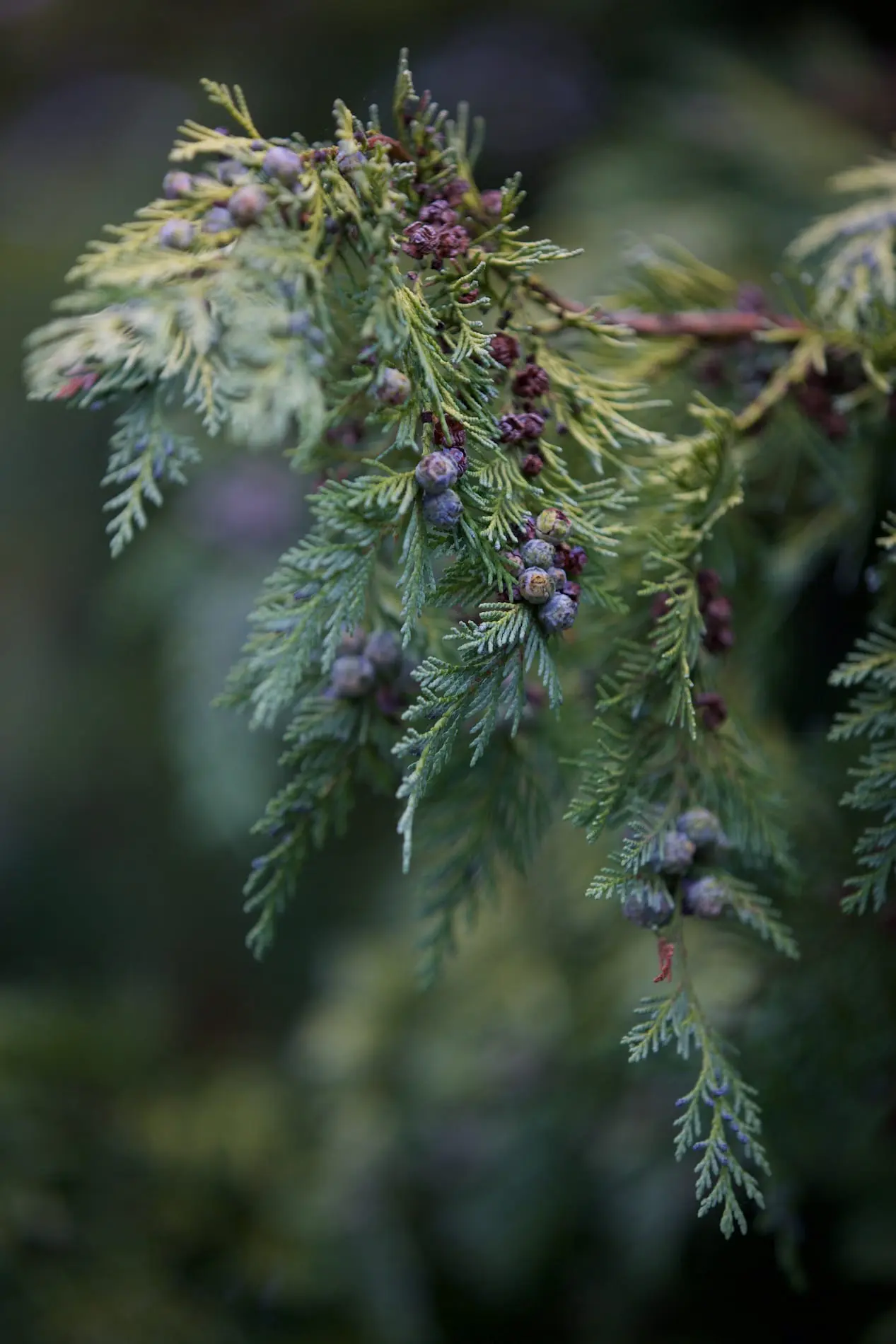
In boreal forests, the dominant trees are conifers. They have evolved to cope with cold and dry conditions. Their thin, needle-like leaves reduce water loss and their drooping branches shed snow.
Conifers keep their leaves all year, ready to work whenever the sun is strong enough. In the far north, the growing season is very short and trees only put on a few weeks’ growth each year. Here, in Ireland’s mild and moist climate, they grow very well.
The Plant Life at Dublin Zoo
Gorilla Rainforest
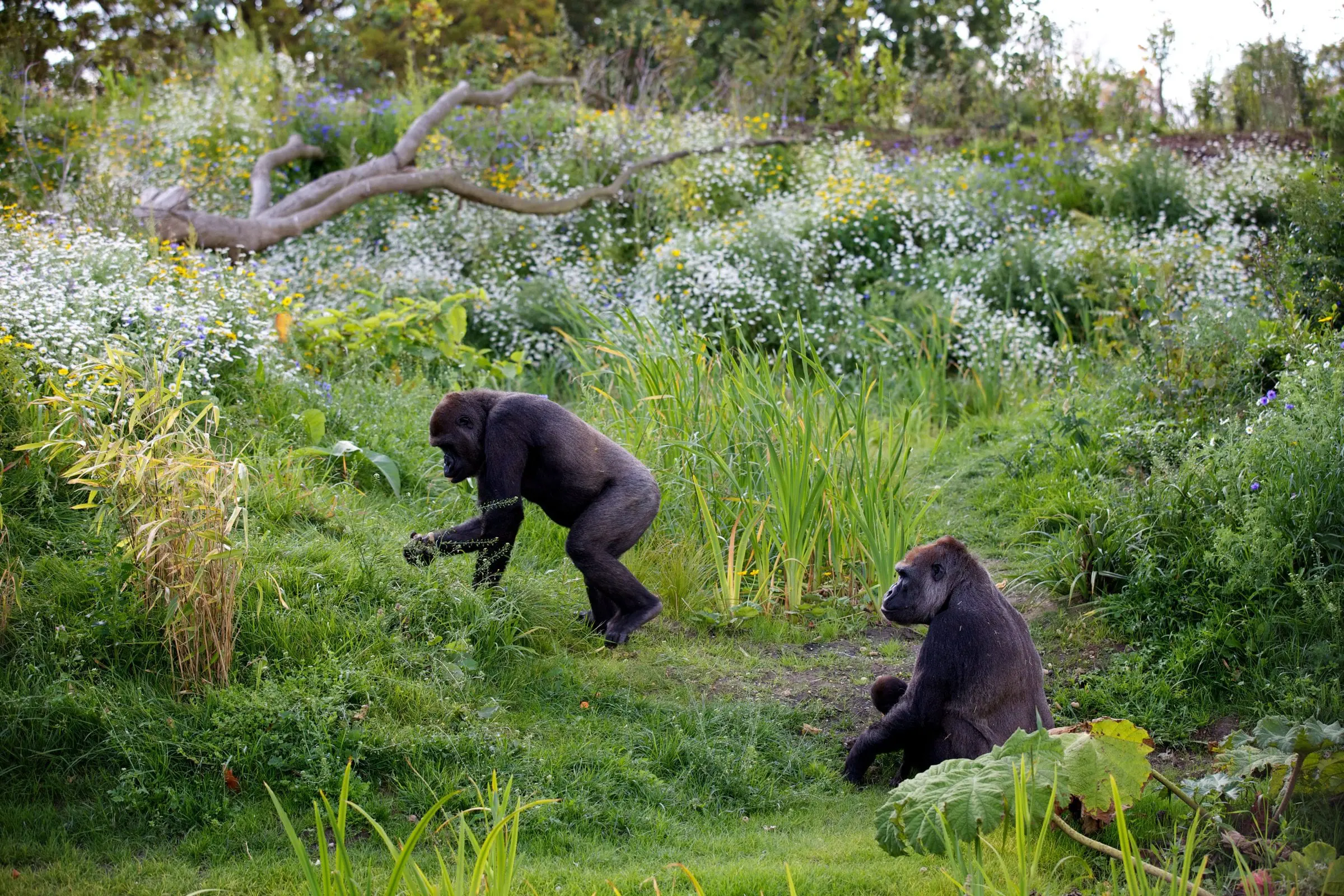
Our habitat is inspired by the watery clearings or ‘bais’, where gorillas gather to feed in the Congolese rainforest.
We have planted a dense mix of trees, shrubs, grasses and water plants for the gorillas to explore. Searching for food among the vegetation is an important natural behaviour.
Our gorillas are learning what they can and cannot eat. We have included some plants that produce bitter chemicals as a defense against damage by insects and foraging primates.
African Savanna
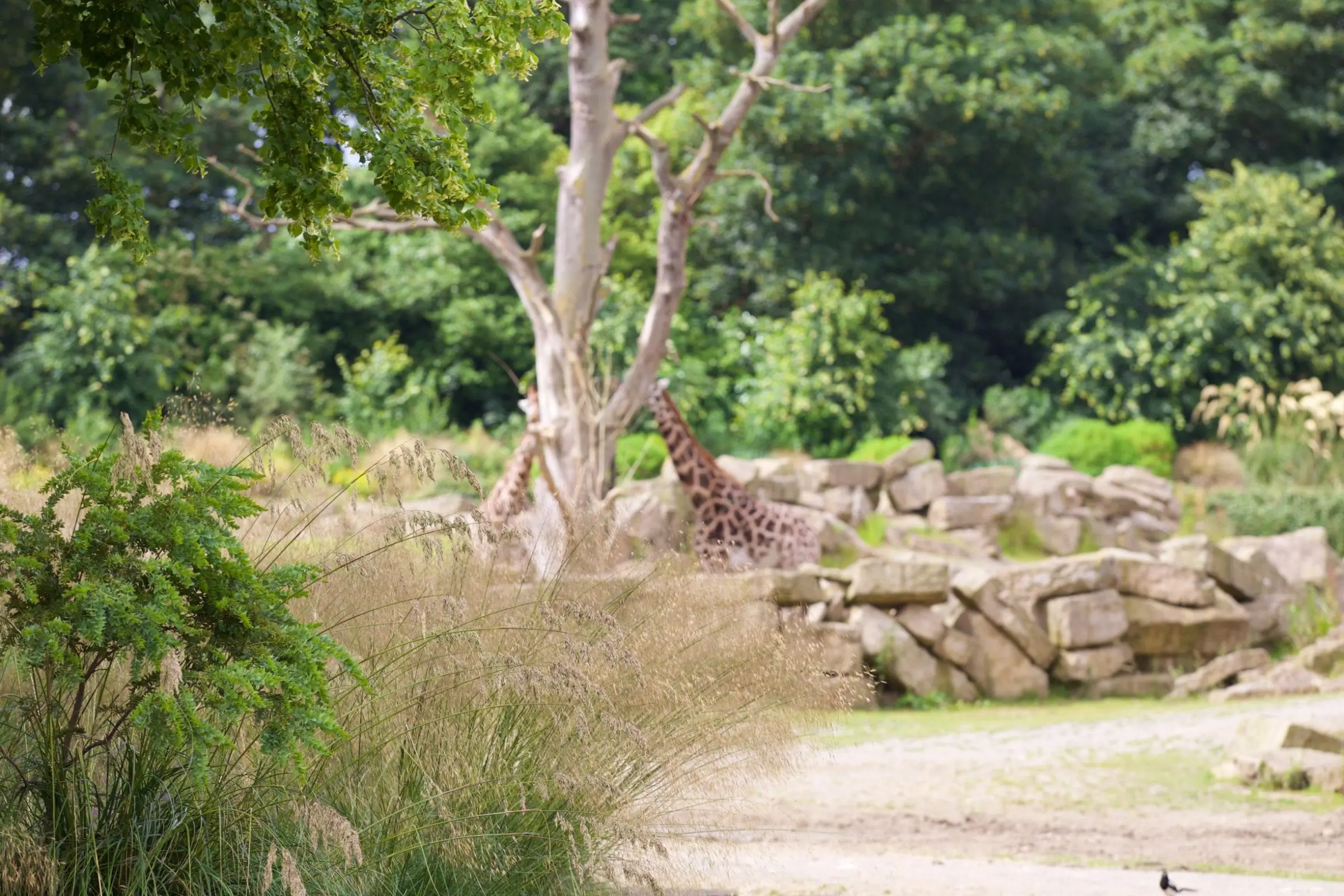
We design our planting very carefully to create habitats that reflect the wild habitats of our animals.
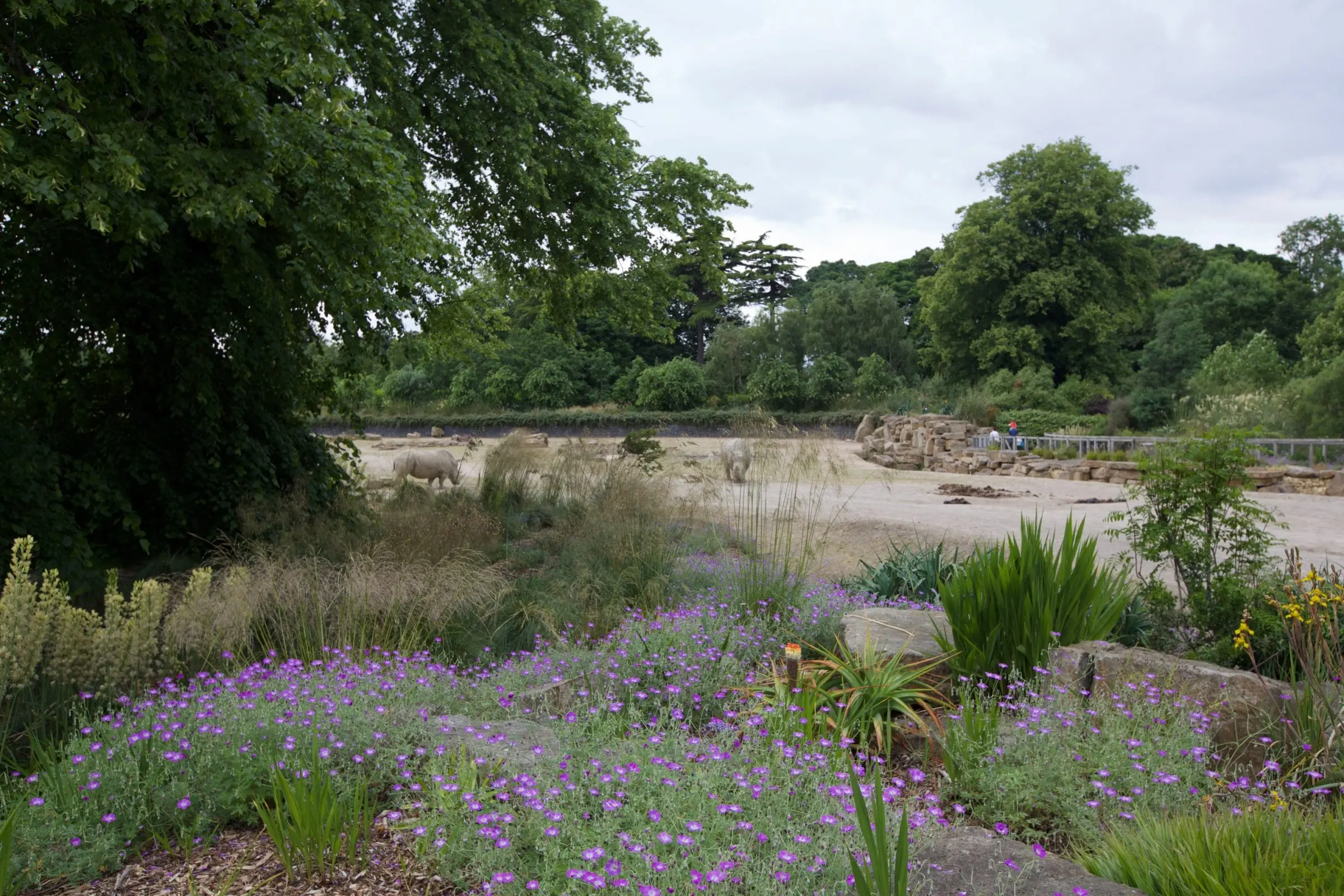
Grasses dominate the savanna landscape. They can resist long periods of drought and grow quickly when the rain comes. Great migrating herds of herbivores follow the rain to feed off this new growth.
Grasses support even more life underground than above it. Their roots form a dense mass in the soil, helping to reduce soil erosion in heavy rain and storing food to regrow after drought. These roots are home – and food – to a vast number of invertebrates.
Lake Edges
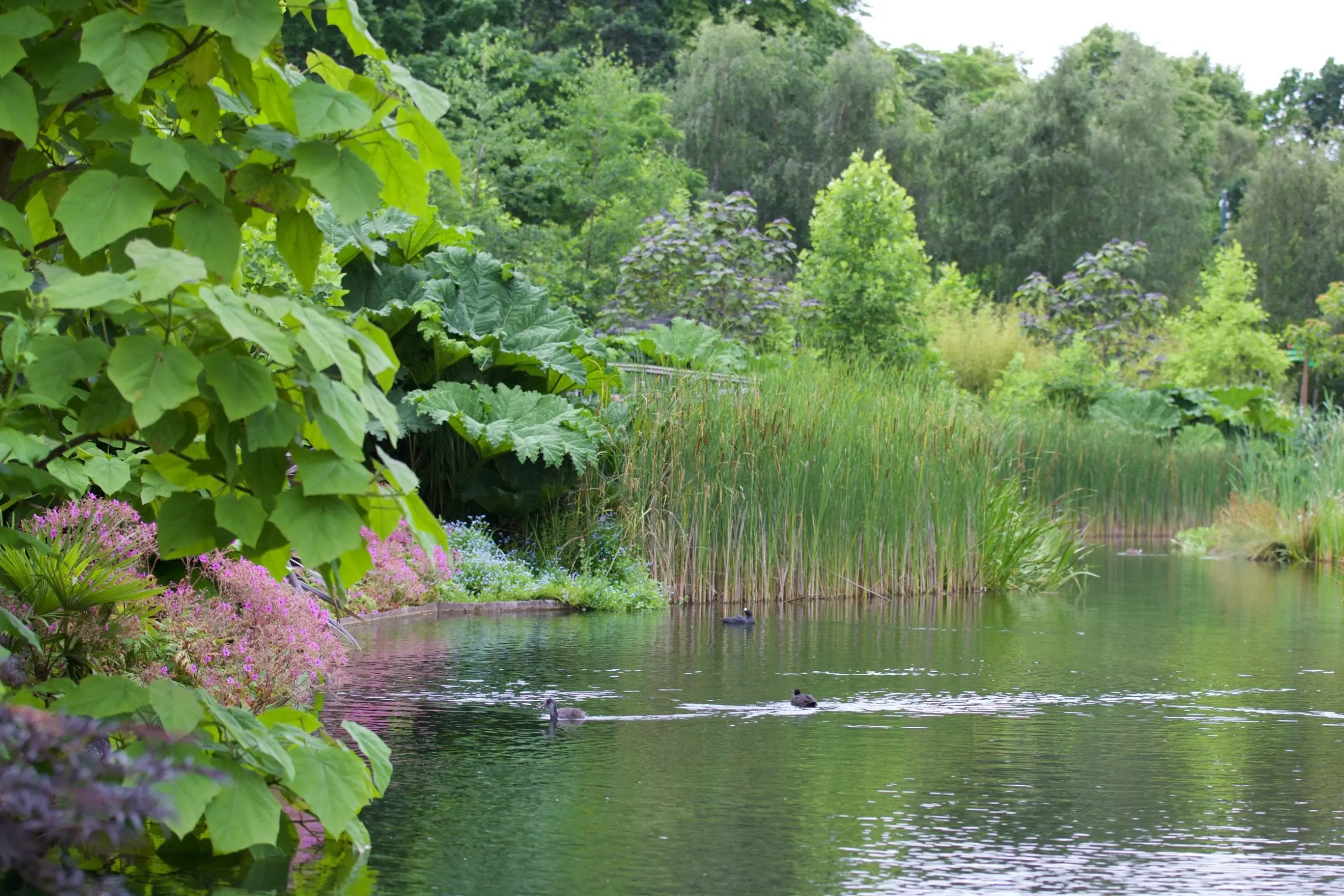
The edges of lakes and ponds are rich habitats where land and water meet. These areas support a wide variety of plant life, from moisture-loving grasses to flowering plants that thrive in wet soils.
Plants growing at the water’s edge help stabilise the soil, reducing erosion and improving water quality. They also provide shelter and nesting sites for birds, insects and other wildlife.
Over time, these plants can slowly spread into the water, creating new habitats and increasing biodiversity across the Zoo.