Okapi
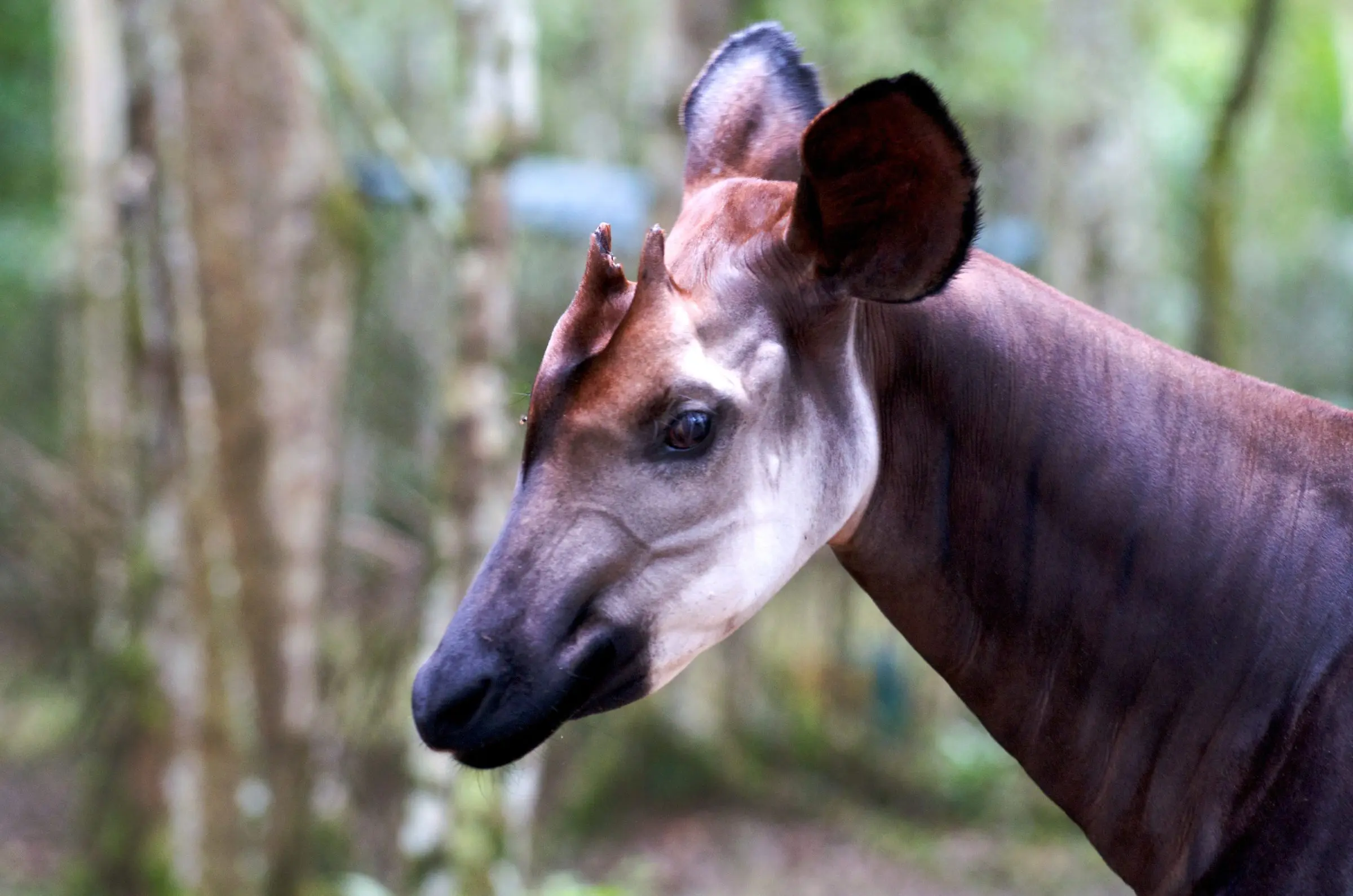
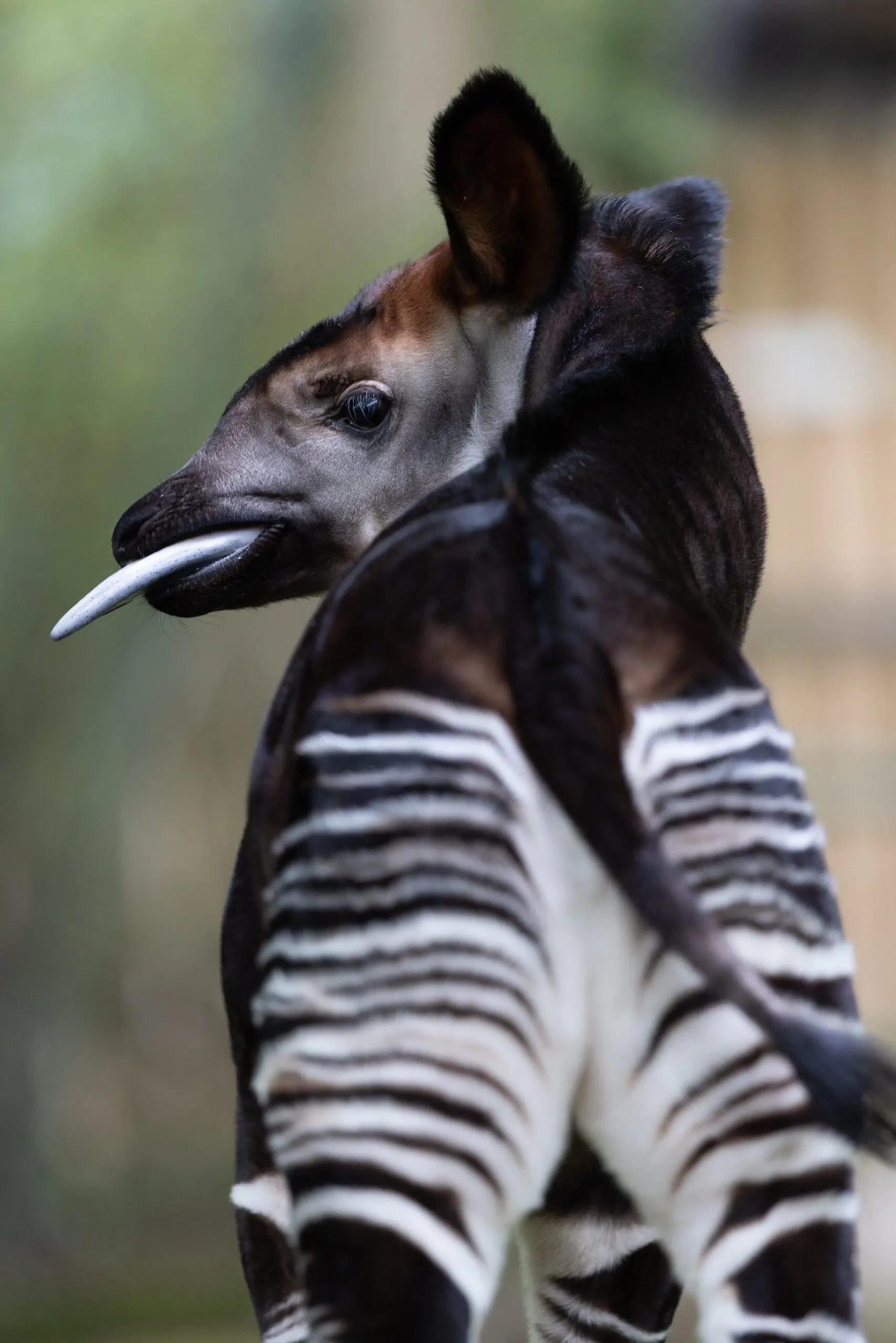
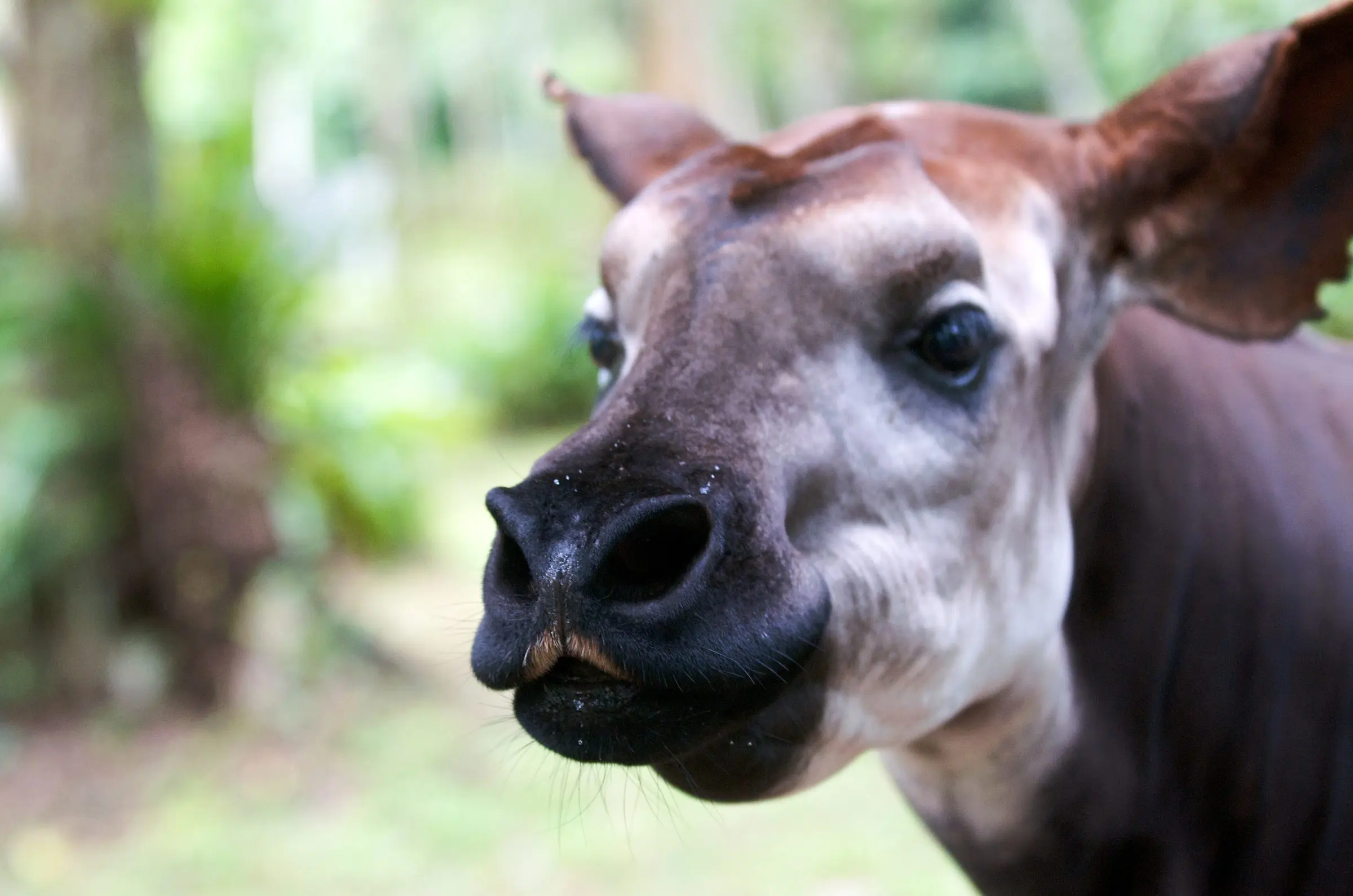
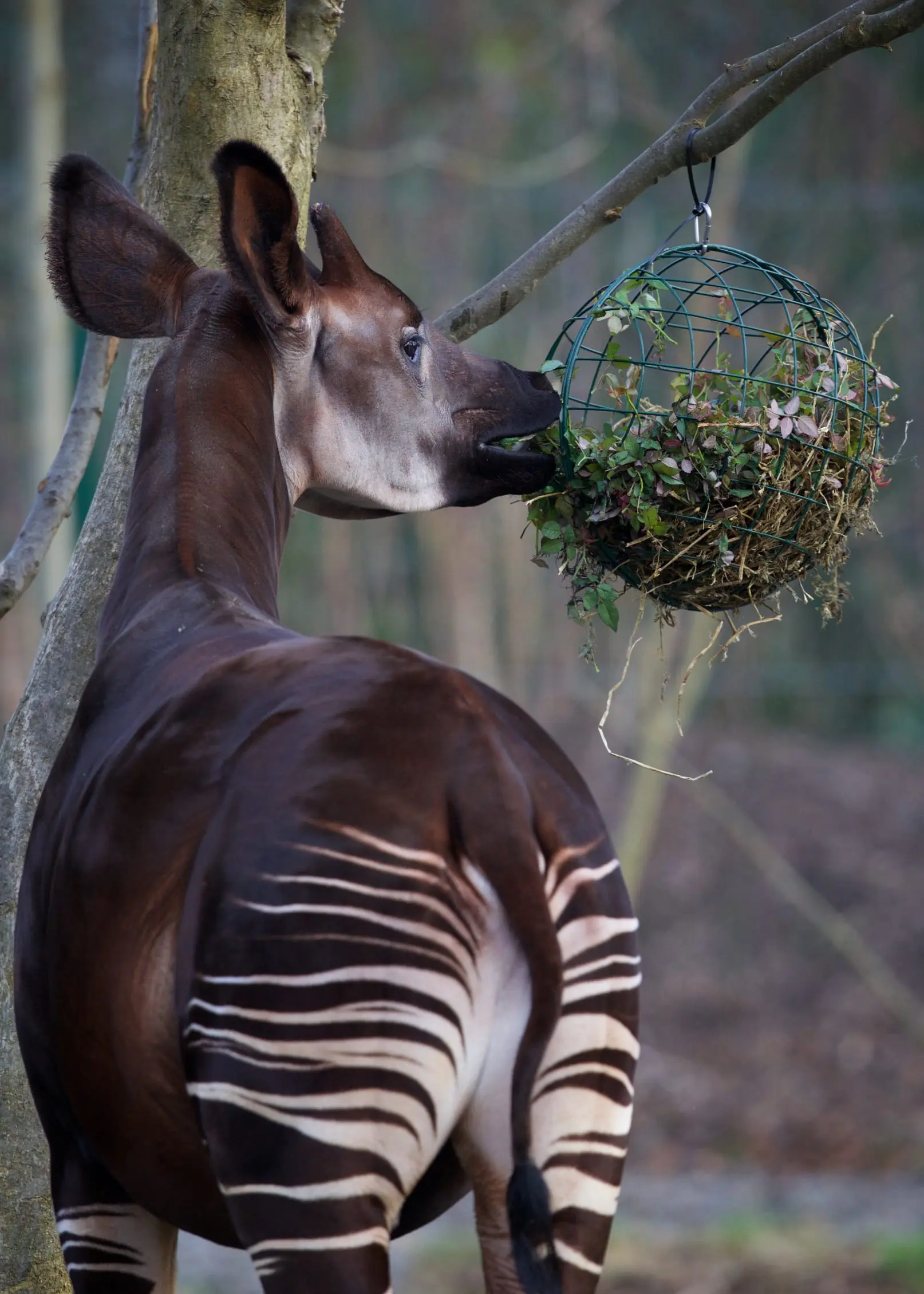
The okapi is the only living relative of the giraffe with zebra-like stripes on its legs and a long, prehensile blue tongue used to strip leaves from branches
Species
Mammals
Habitat
Forest
Diet
Herbivore
Conservation Status
Endangered
Okapi
Okapia johnstoni
Irish Name: Ócáipe
ICUN Status: Endangered
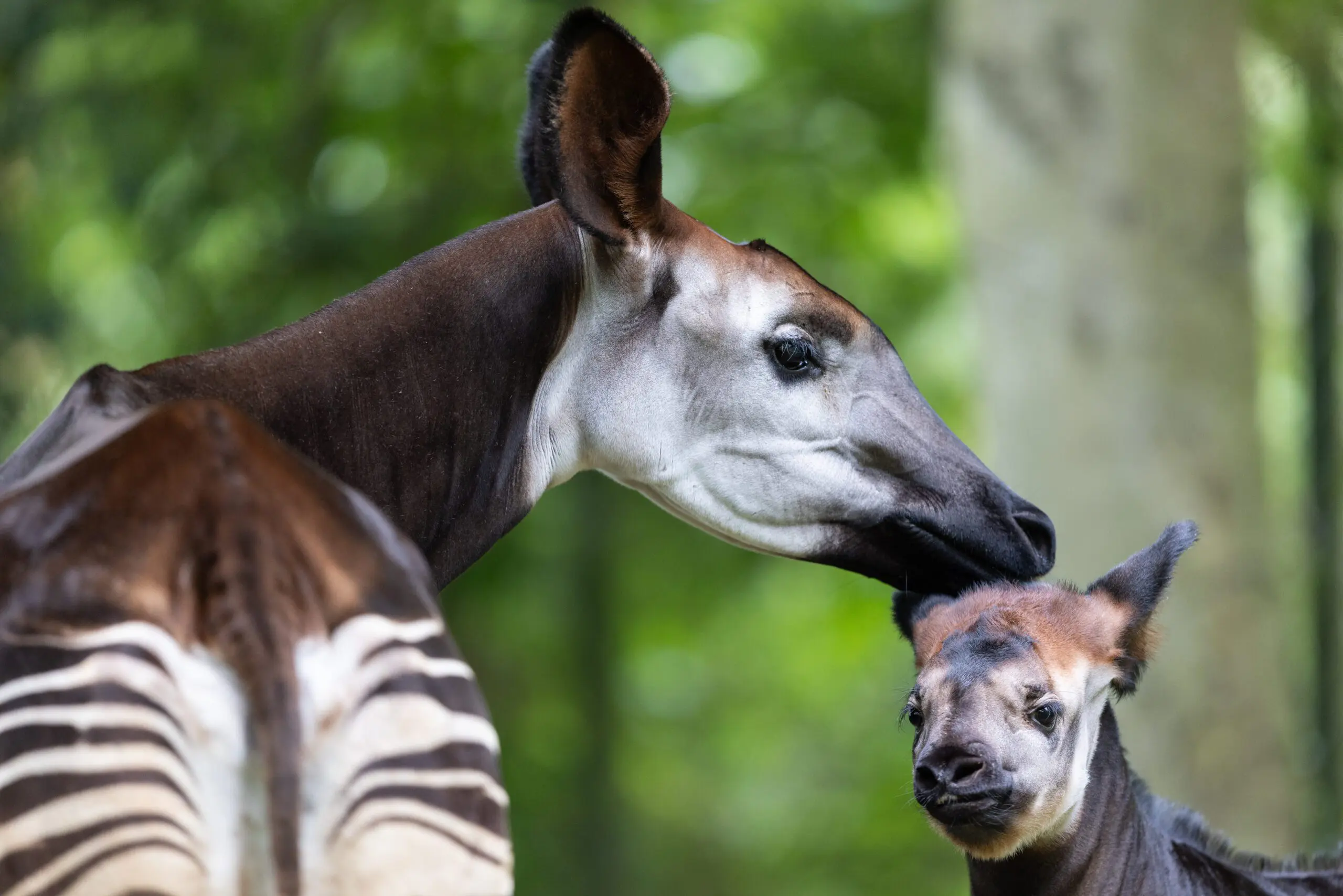
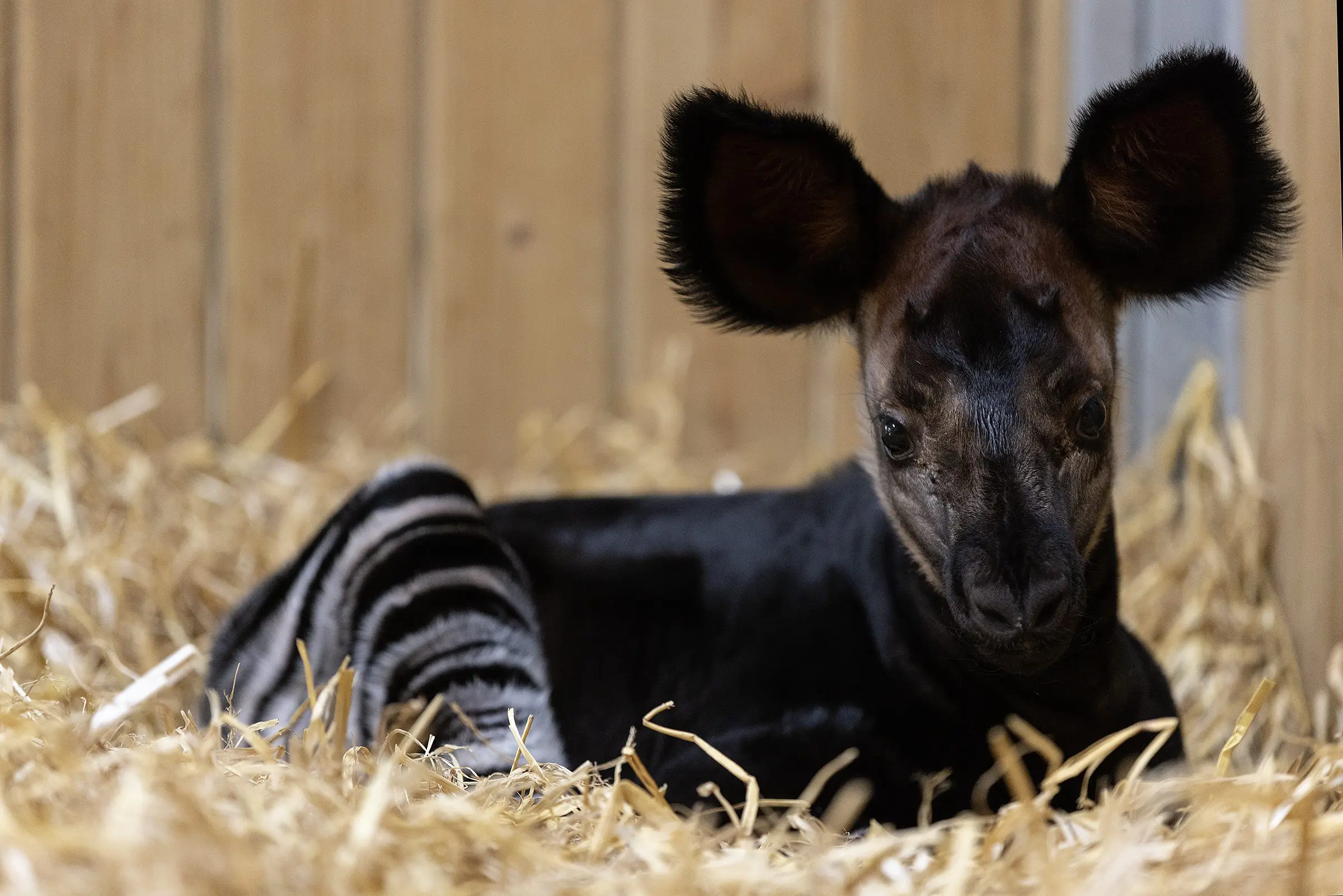
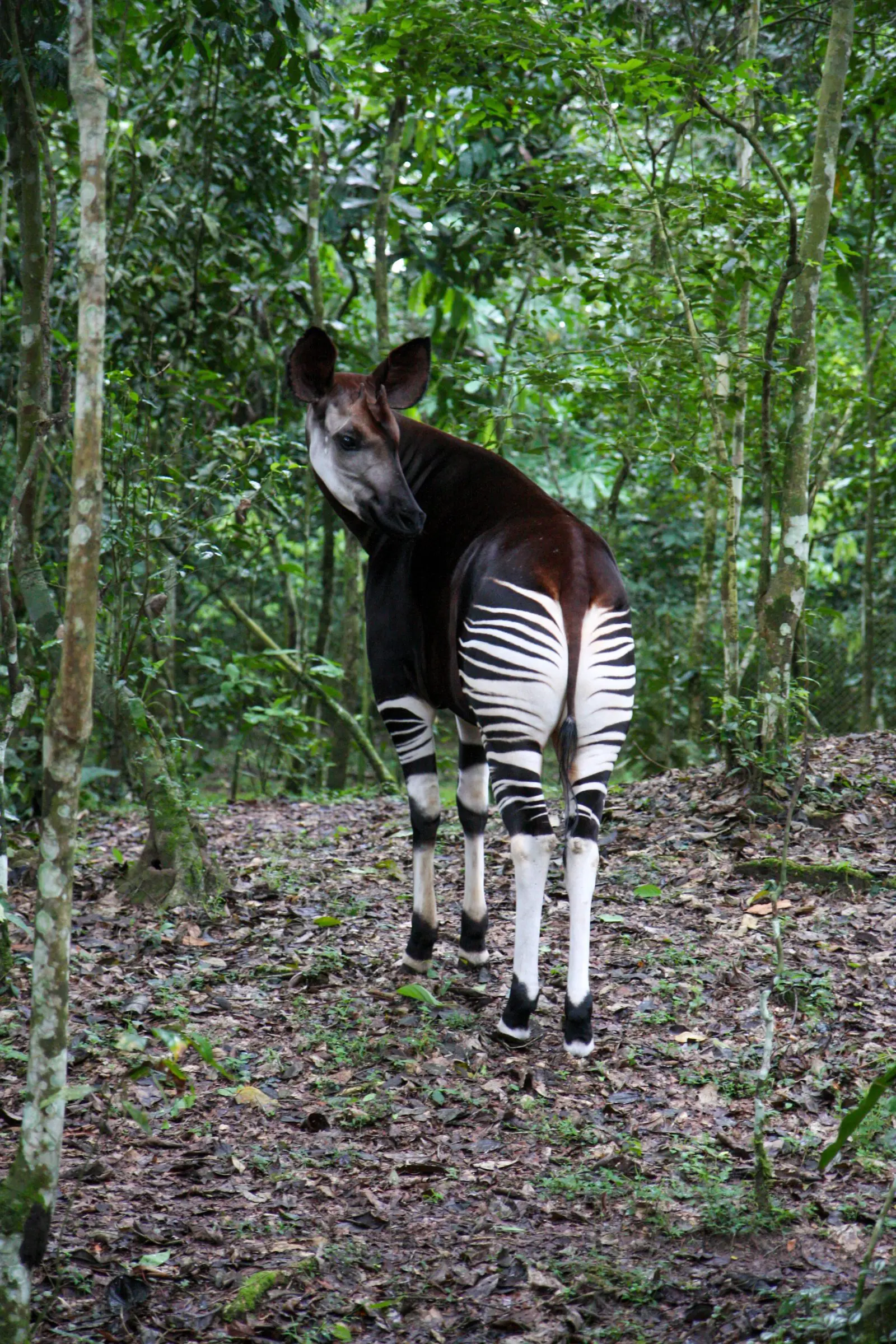
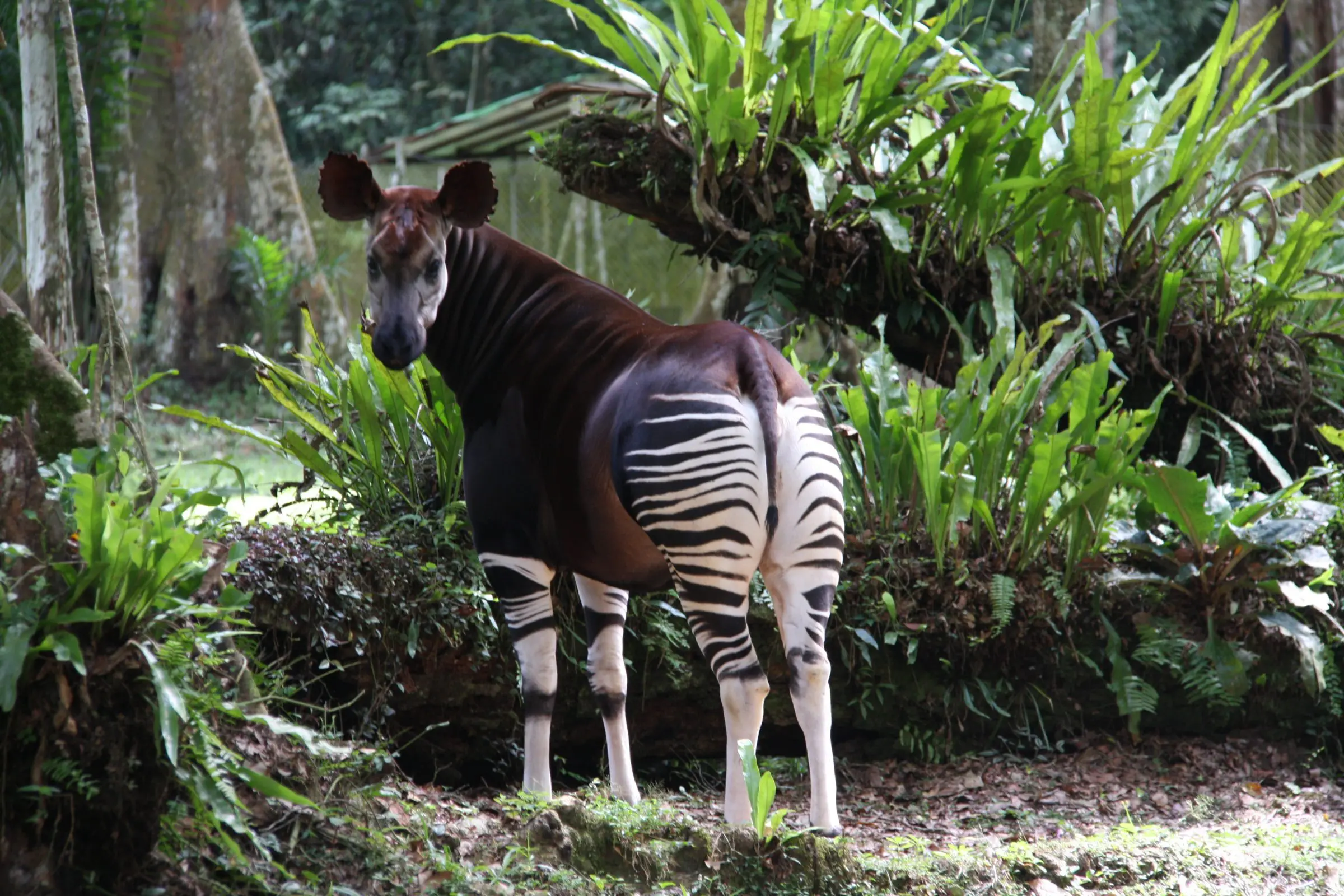
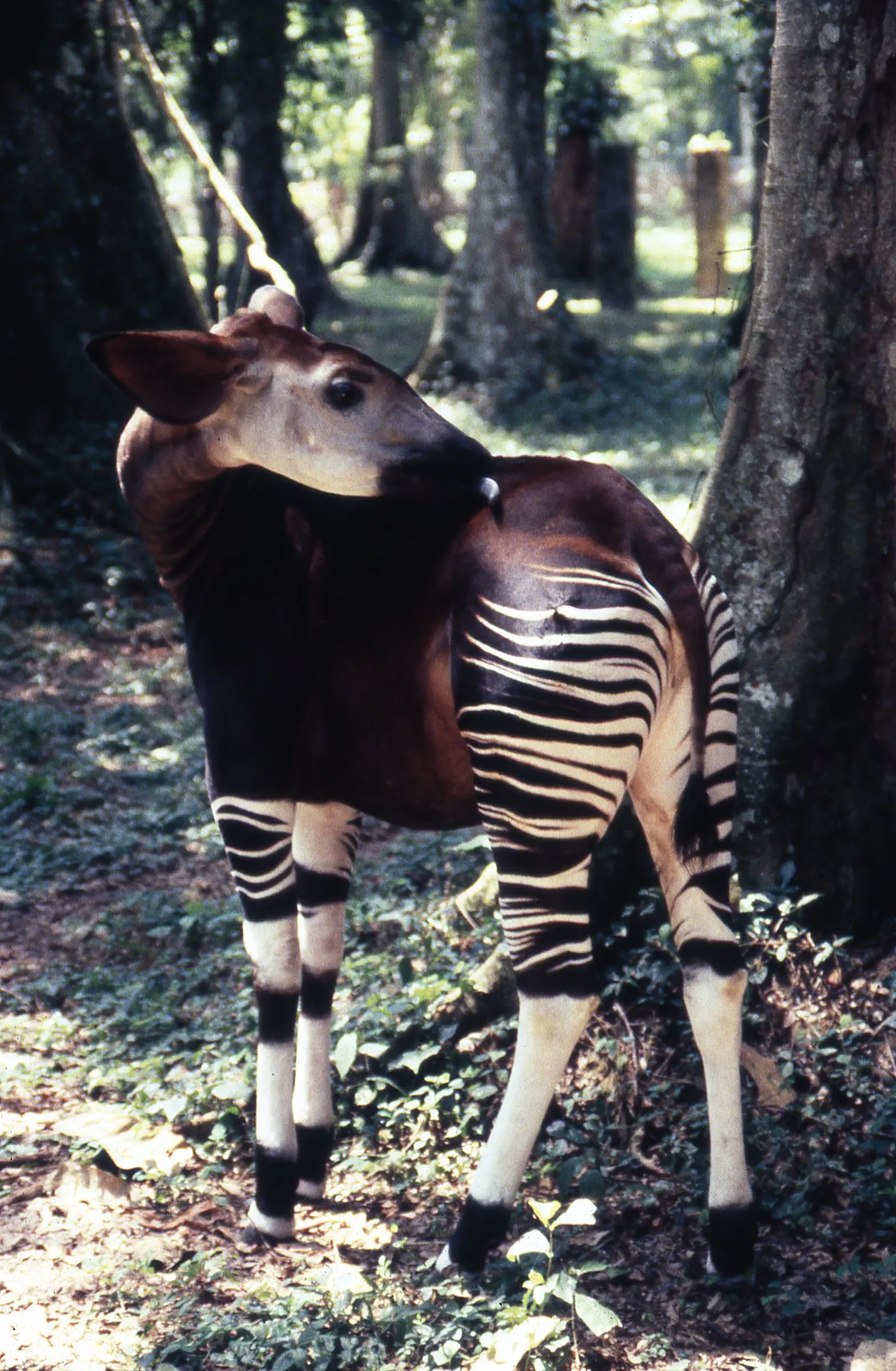
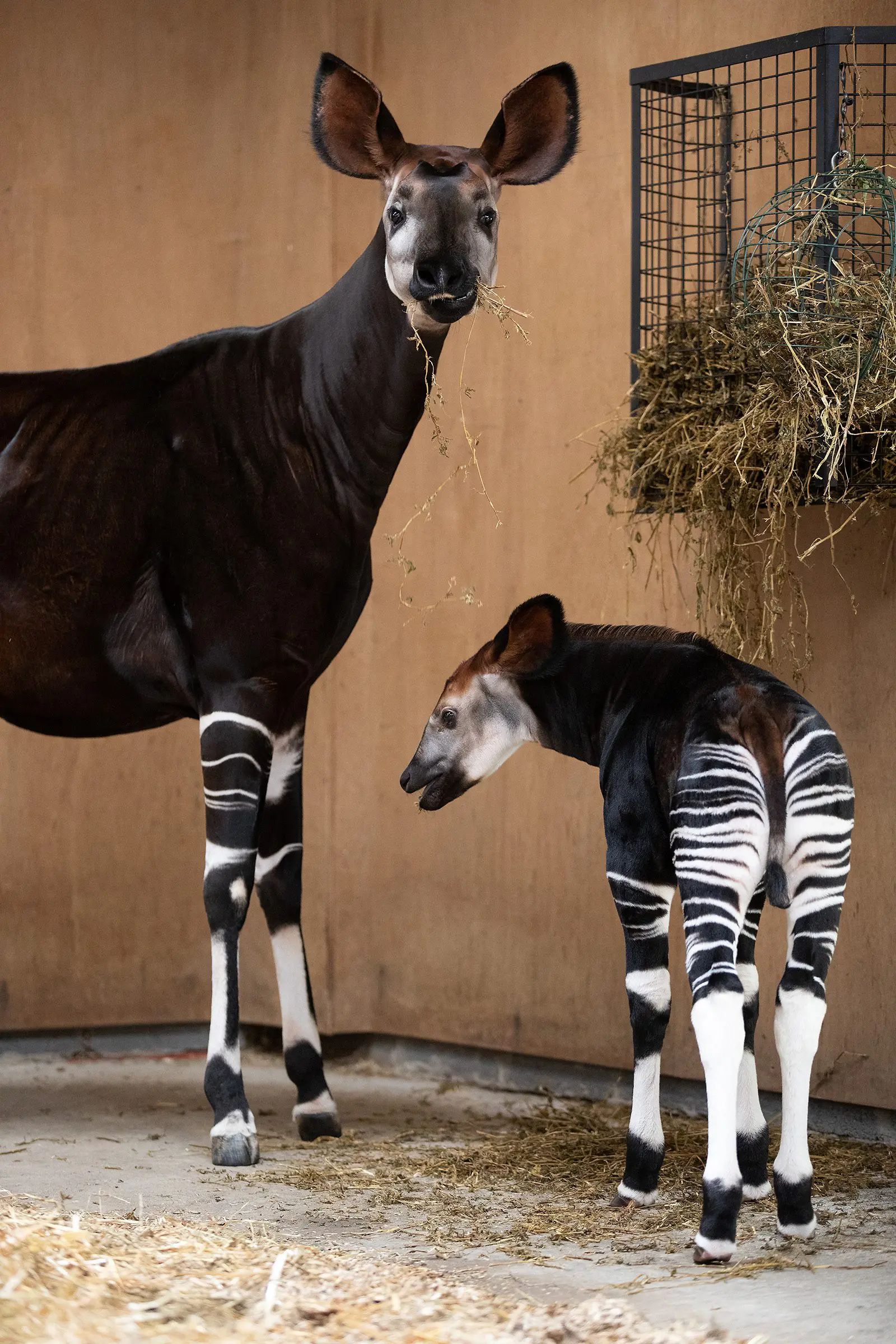
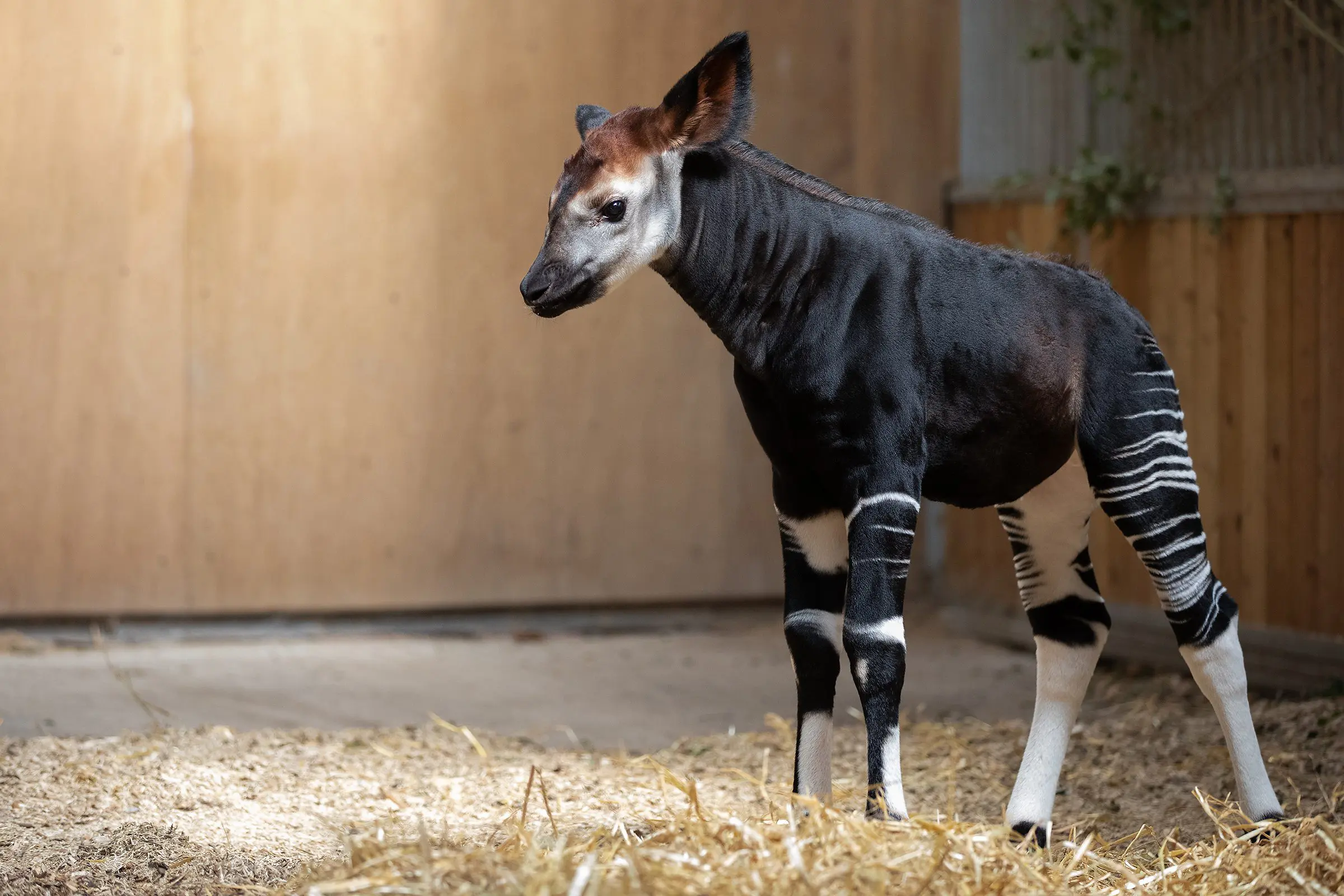
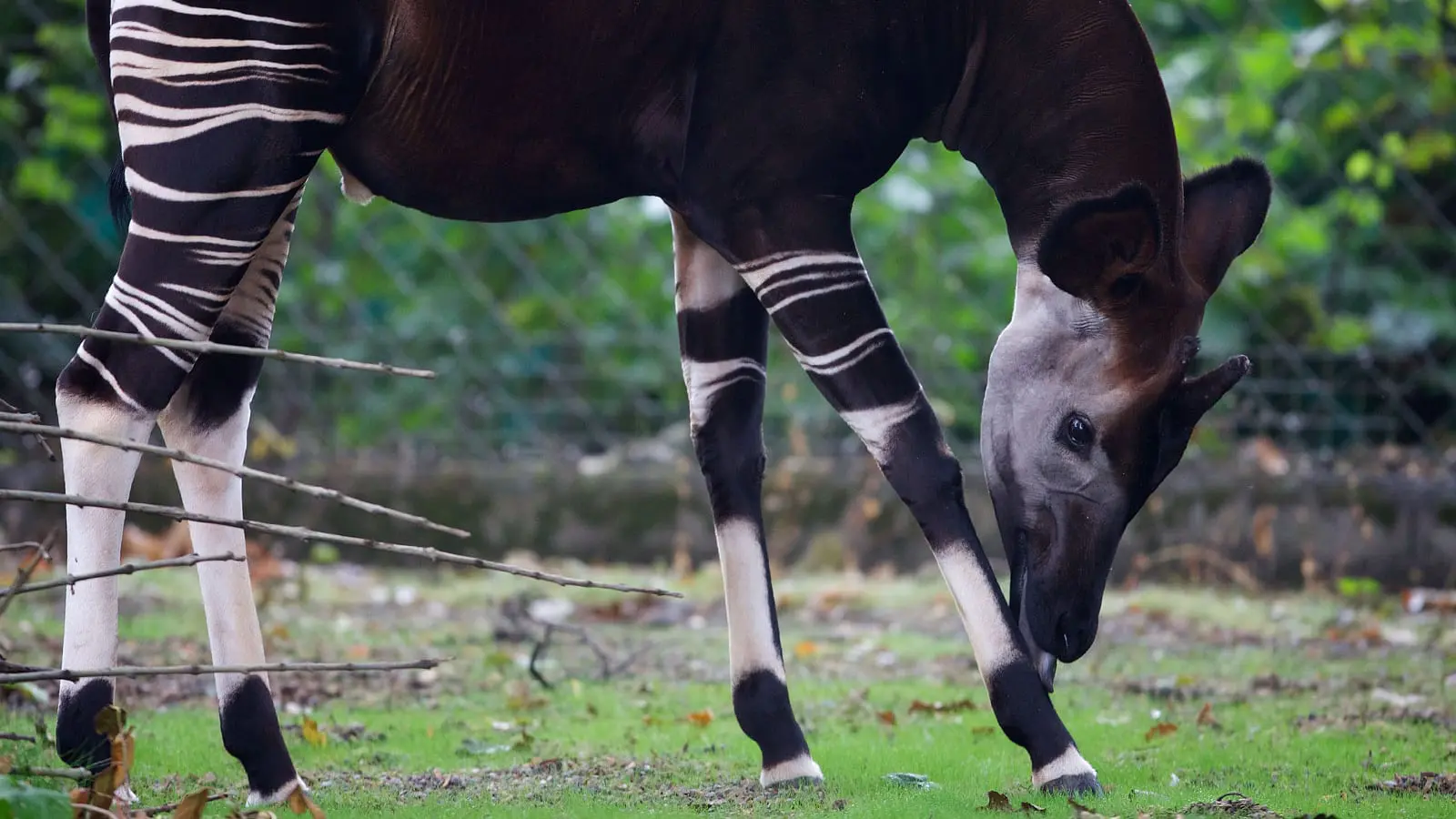
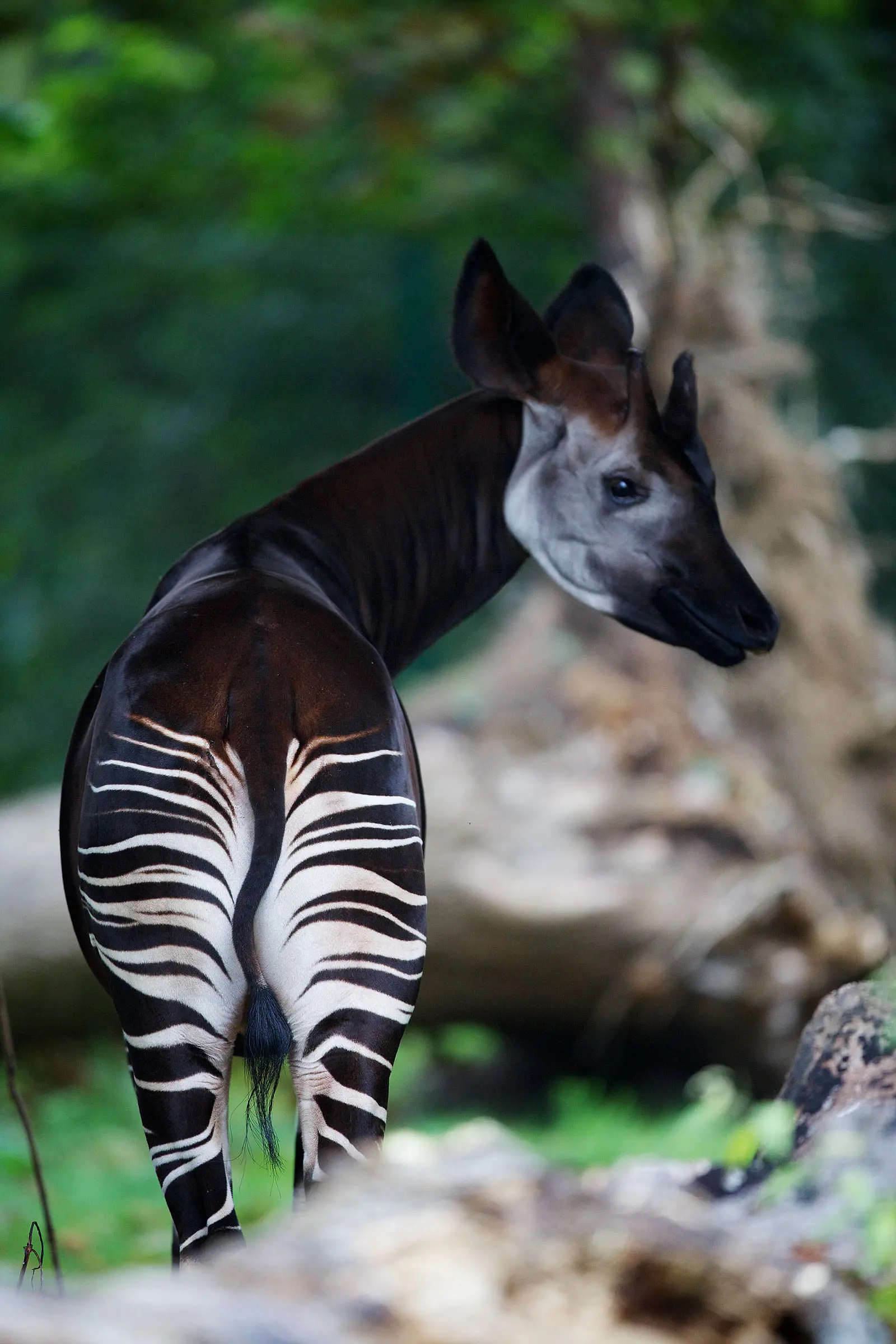
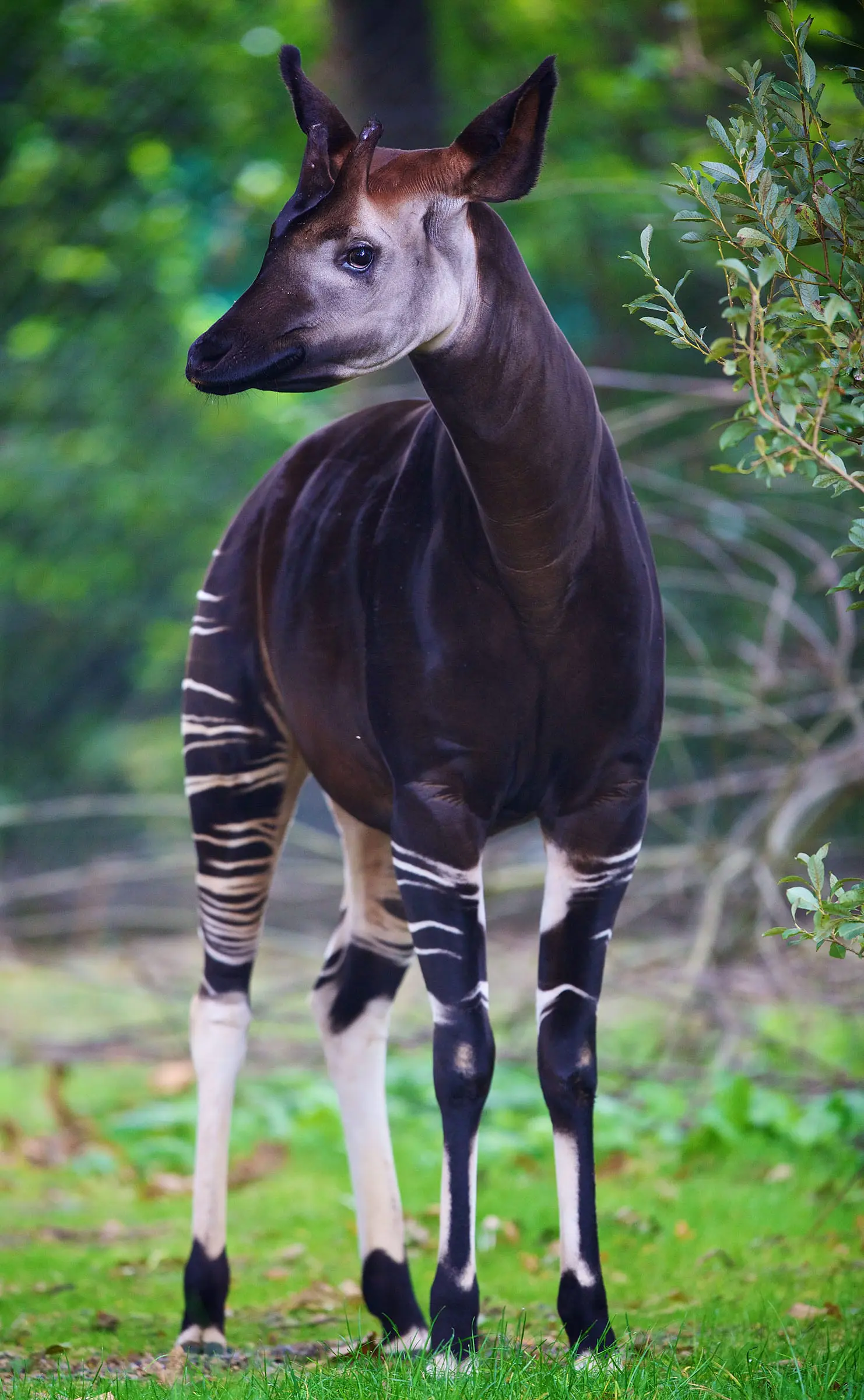
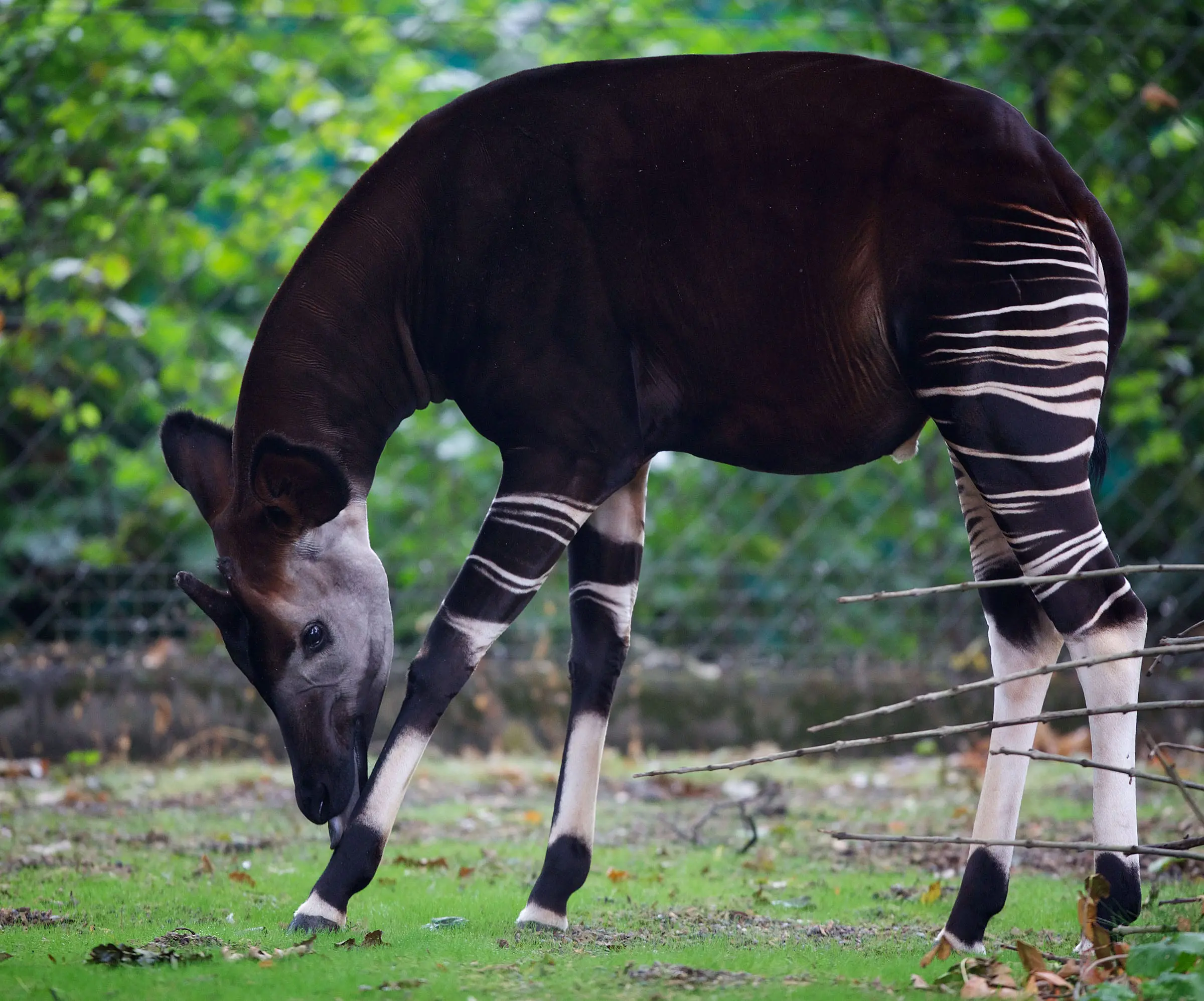
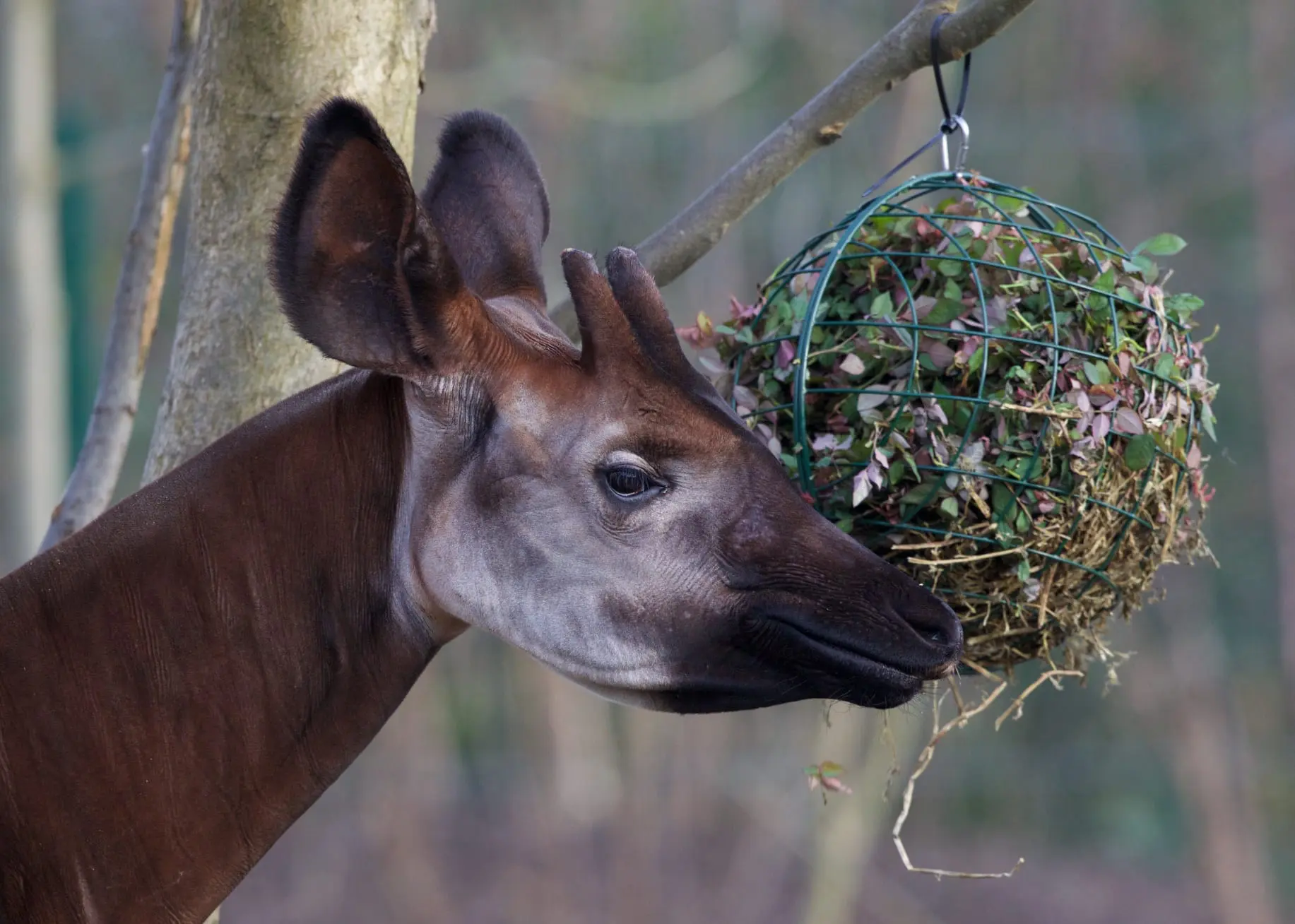
Okapis are a large, hoofed animal related to the giraffe. They have a red-brown, velvety coat and distinctive black and white stripes on their back legs. Like giraffes, okapis have long, dark tongues. Male okapi’s also have ossicones on top of their heads (horn-like structures that are covered in skin and fur)
General Information
Zoo location
African Plains
Animal class
Mammalia
Animal order
Cetartiodactyla
Where do they live (Natural habitat)?
Okapis reside in the dense forests of the Democratic Republic of Congo in Africa.
How long do they live?
Okapis live 20 – 30 years.
What do they eat?
Okapis are herbivores (plant eaters) that eat a diet of leaves, shoots, fruit and fungi. They also eat clay and charcoal (from burnt trees) to help neutralise toxins in plants and to gain minerals.
Group name
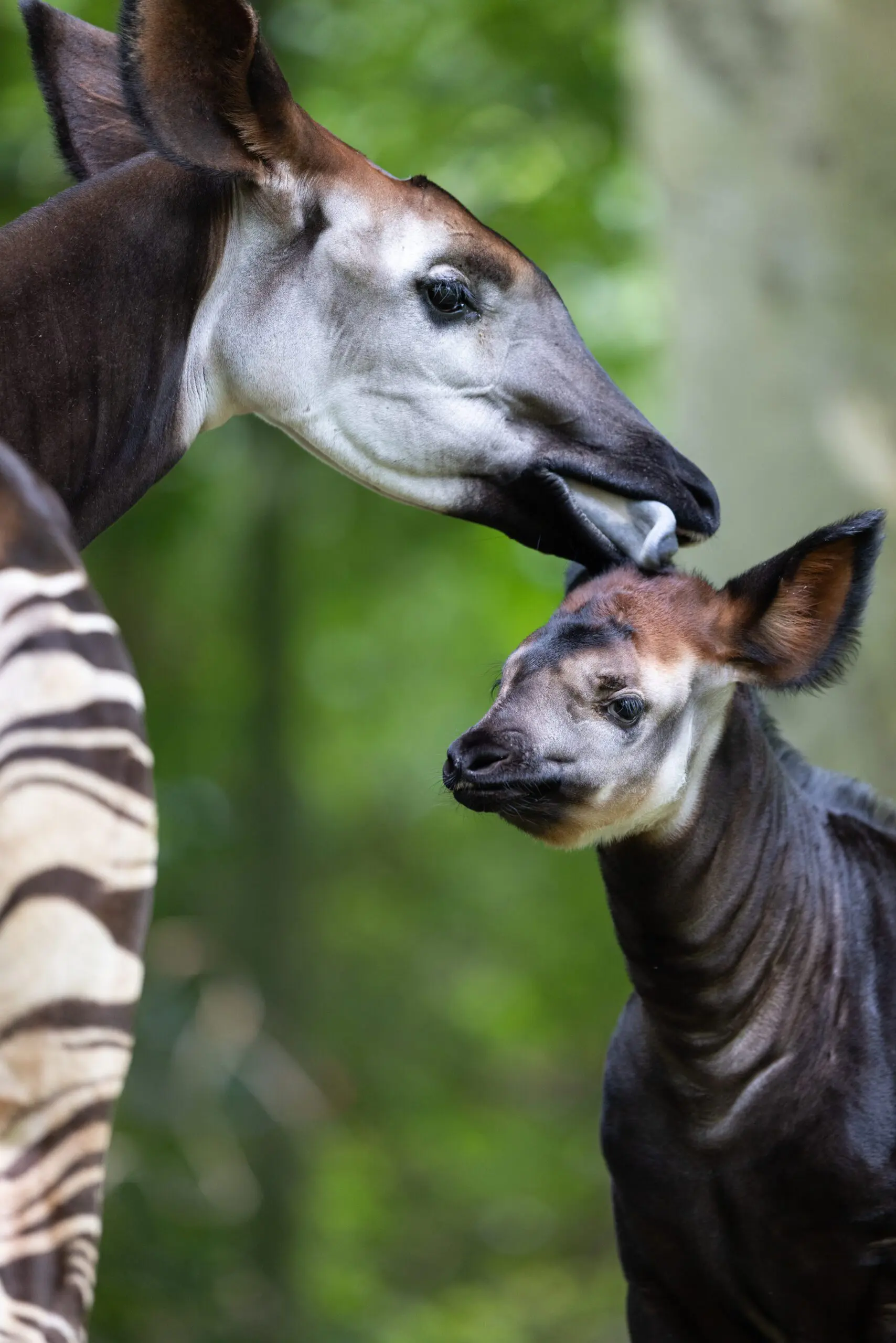
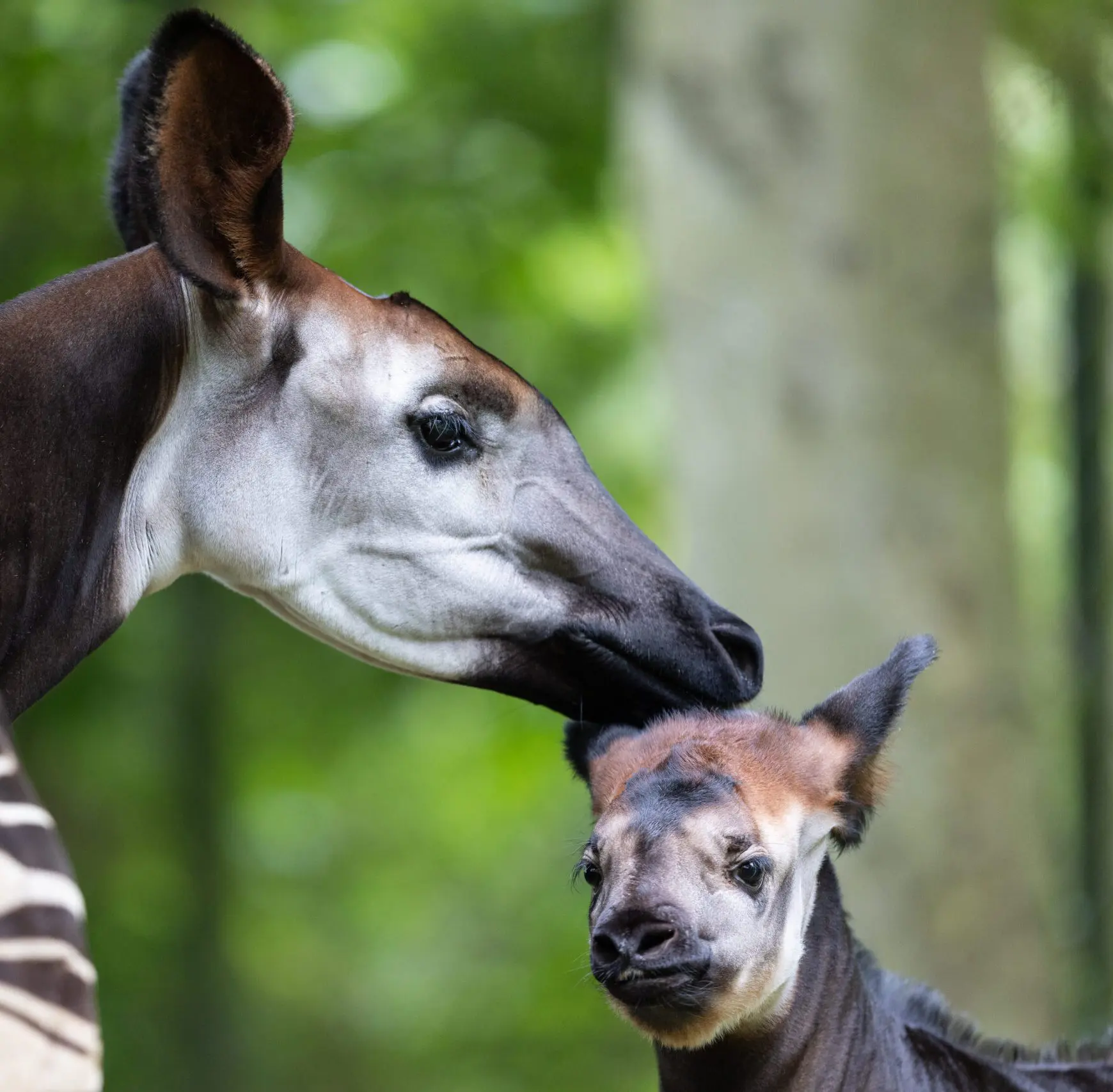
Okapis are generally solitary – they prefer to live on their own so have no group name. Though they can be found together when mating or when a mother is raising her calf.
Closest related species / sister species
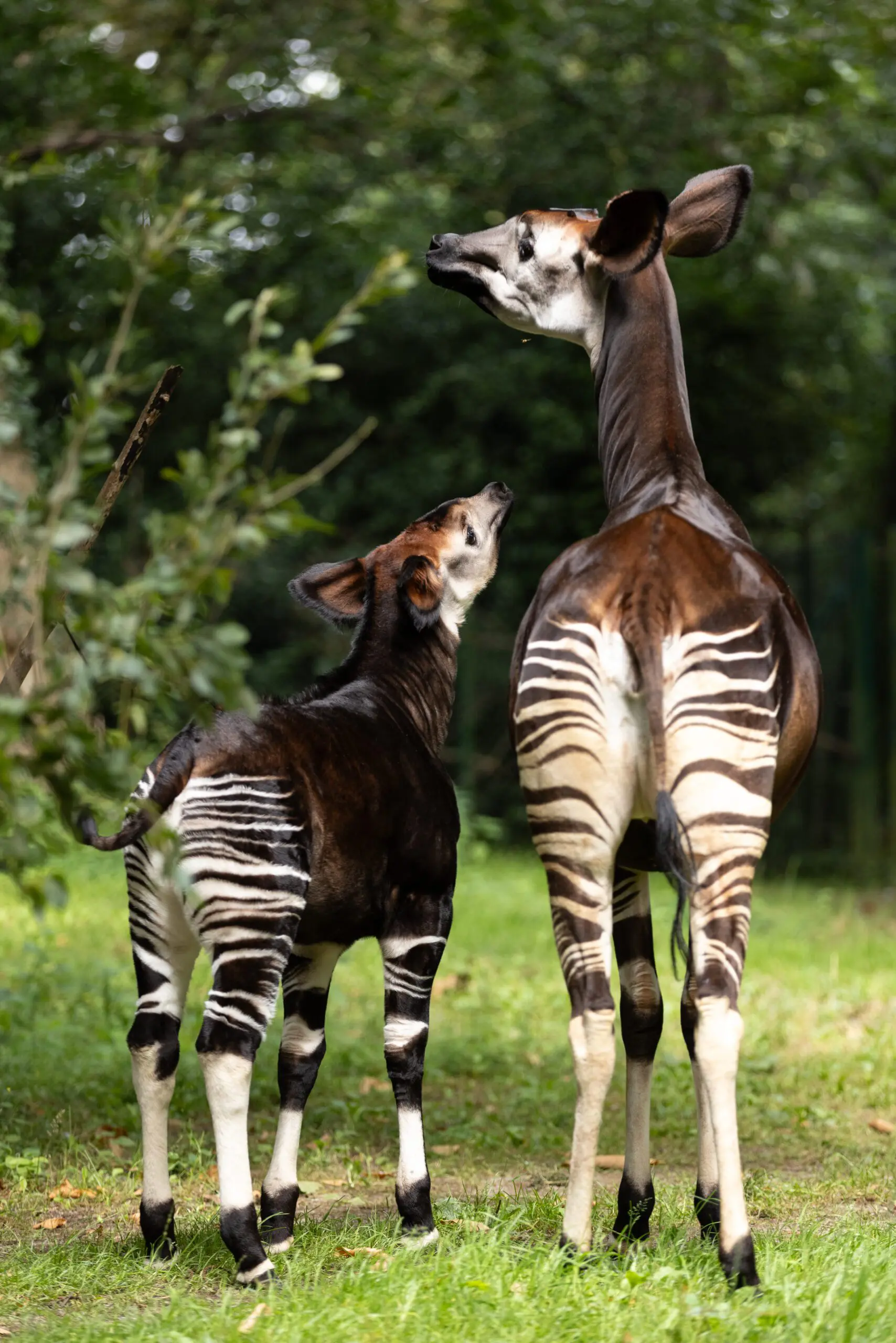
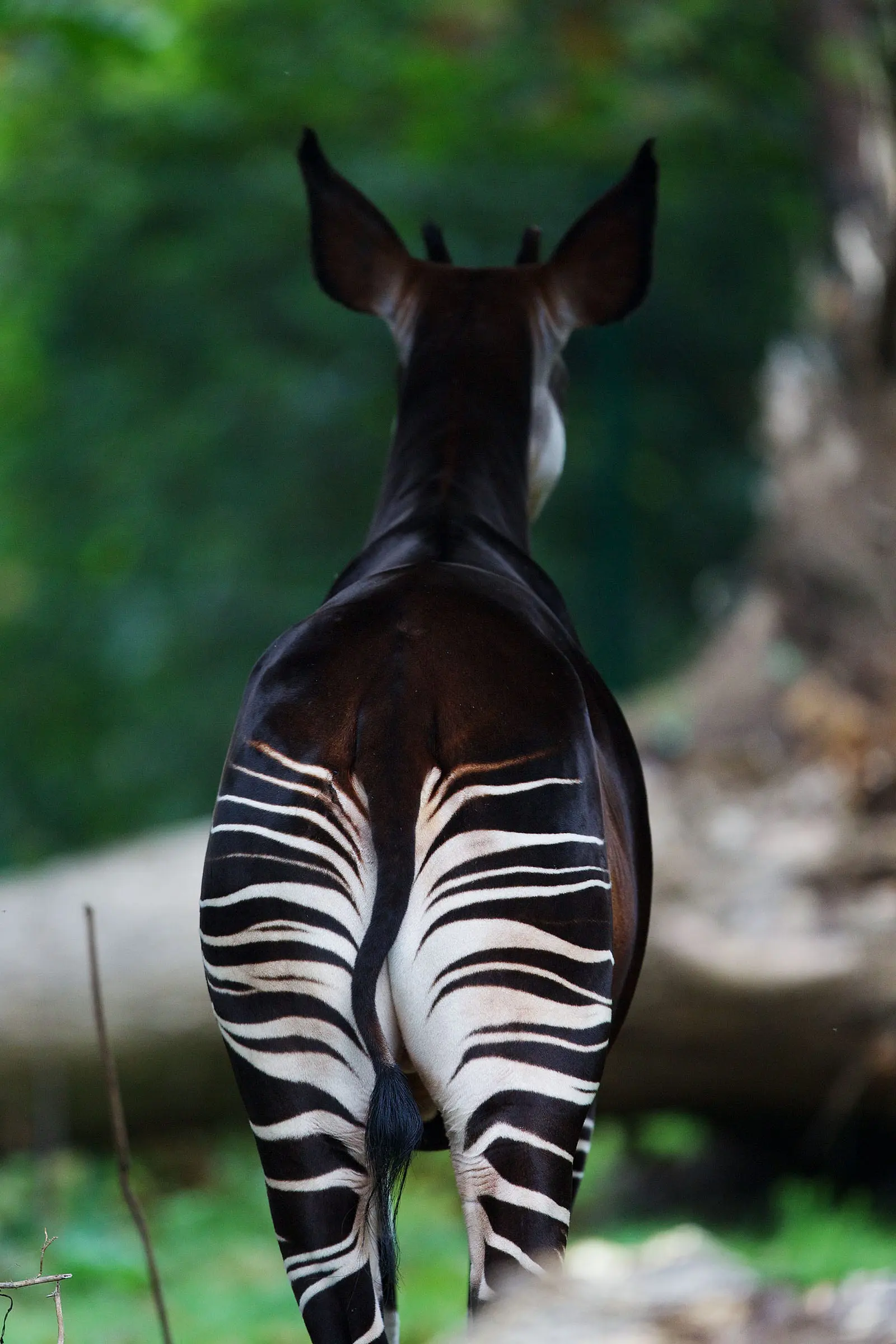
Although the black and white stripes on an okapi’s back legs are similar to that of a zebra – they are not related to the zebra. The okapi’s closest living relatives are giraffes. Okapi are even sometimes referred to as ‘forest giraffes’.
Fun Facts!
The okapi
Family life
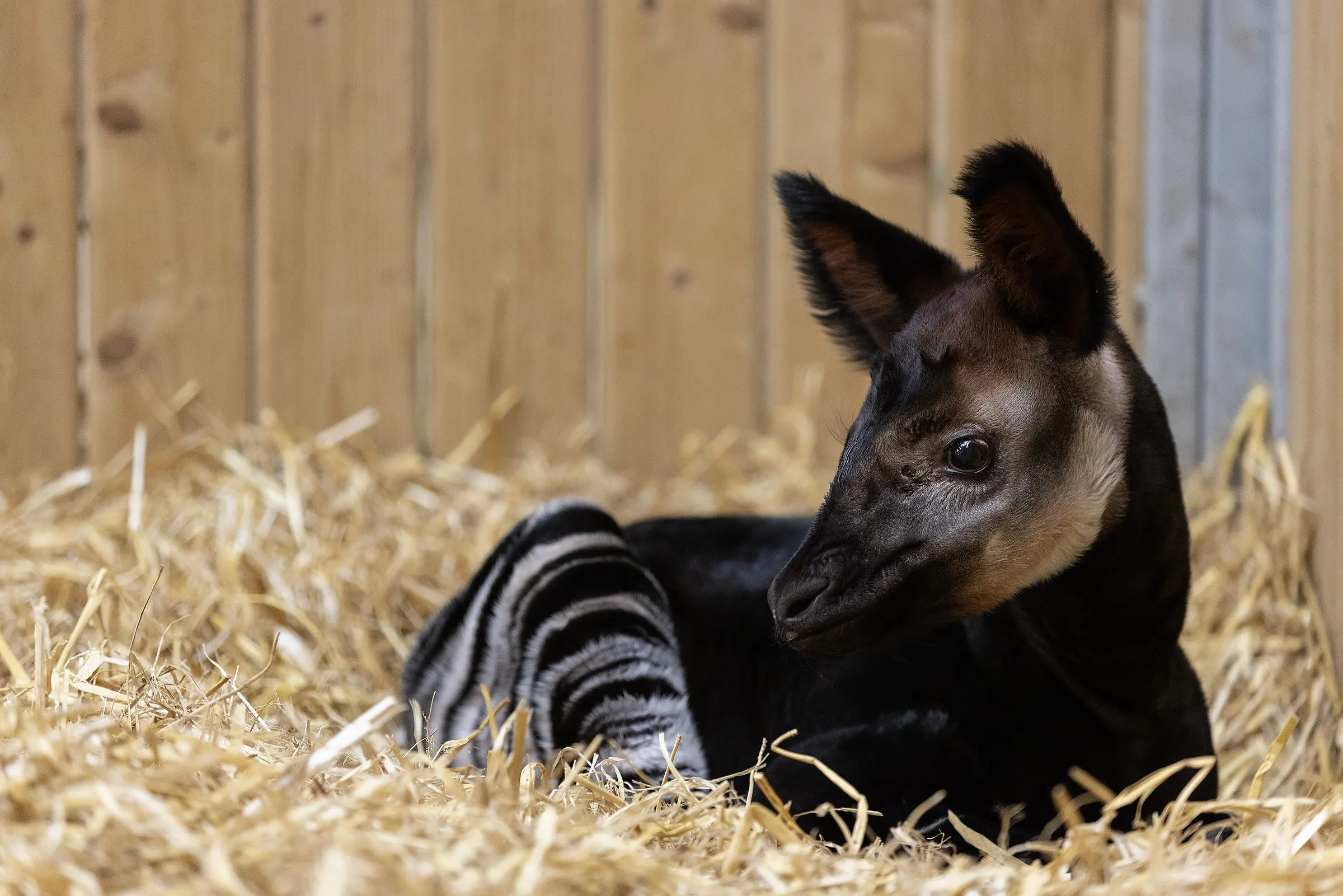
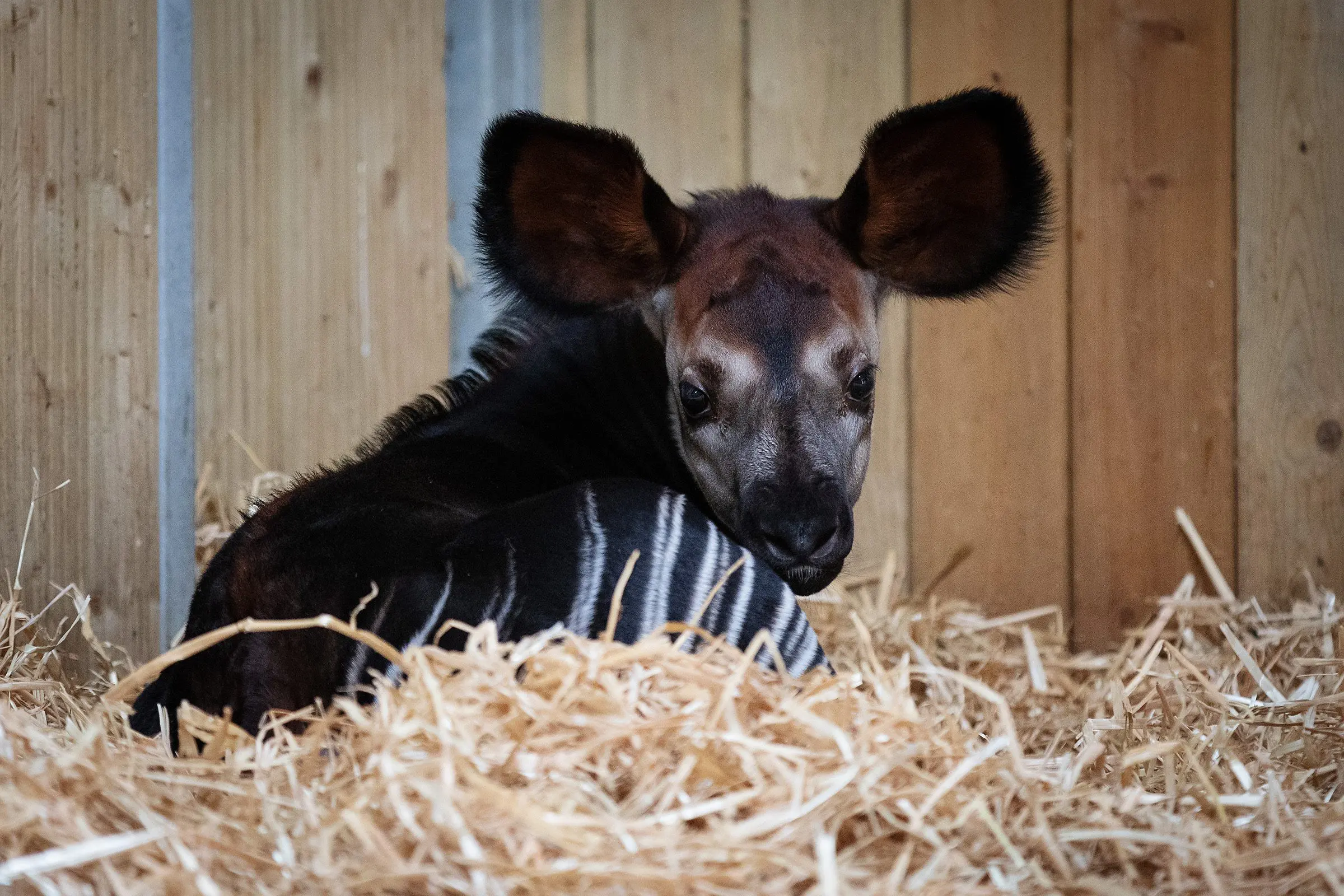
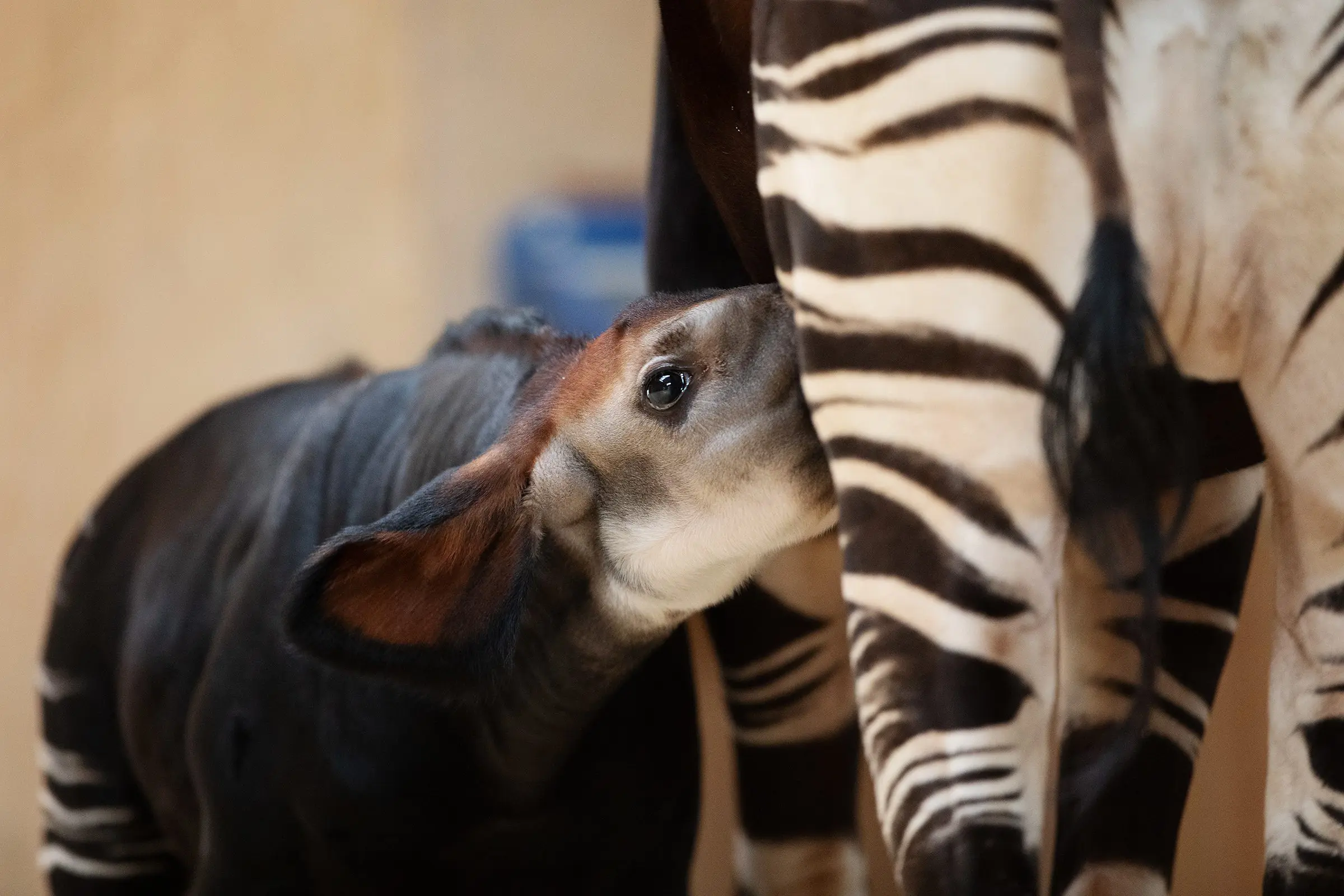
Okapi are mainly diurnal (active during the daytime) and tend to live in their own fixed territories (areas). Okapi are mainly solitary (prefer to live on their own) except when females and males come together to mate and when a mother is looking after its calf. Infant okapis spend most of their time in their nest/hide under the protection of their mother during their first two months. After this time an infant can travel with its mother through the dark rainforest by following her stripes.
Baby name
Calf
Gestation (pregnancy) period
Around 14 months
Number of young at birth
One
Weight at birth
Around 16kg
Age at maturity
2-3 years
Size male adult
150-200cm tall, 2.5m in length and 200-300kg in weight
Size female adult
About 4cm taller than males, 2.5m in length, and 25-50kg heavier than males
Conservation
Endangered
The okapi is listed as Endangered by the International Union for Conservation of Nature due to habitat loss, hunting, deforestation and civil unrest.
Current population estimate
Unfortunately, there are no reliable estimates for okapi populations in the wild.
Threats
Threats to the okapi include habitat loss, hunting, deforestation and civil unrest.
What is Dublin Zoo doing?
Dublin Zoo is part of an international breeding programme for okapi and also partners with the Okapi Conservation Project in the Democratic Republic of the Congo to help monitor and protect okapi populations.
Frequently Asked Questions
Okapi live in the dense forests in the Democratic Republic of the Congo.
Okapi eat leaves, fruit, and fungi. They are herbivores.
It is estimated that 35,000 – 50,000 are left in the wild.
Yes, okapis are listed as Endangered by the International Union for Conservation in Nature due to habitat loss, hunting, deforestation and civil unrest.
Okapi’s grow to be about 1.5m tall.
Okapi live in the dense, central African rainforest in the Democratic Republic of the Congo.
Okapi are important because they are of cultural significance to the people in the Democratic Republic of the Congo. Okapi are also important members of their rainforest ecosystem.
Okapi are hunted for their meat and skins.
Okapi is a central African word, and okapi are also called “Forest Giraffes”.
A group of okapis is called a herd, though they are typically solitary animals.
Okapis live on the floor layer of the rainforest.
Okapi protect themselves by using their stripes, for camoflauge, and their keen sense of hearing to hear and swiftly run from predators.
Okapi tongues grow to 35-45cm.
A baby okapi is called a calf.