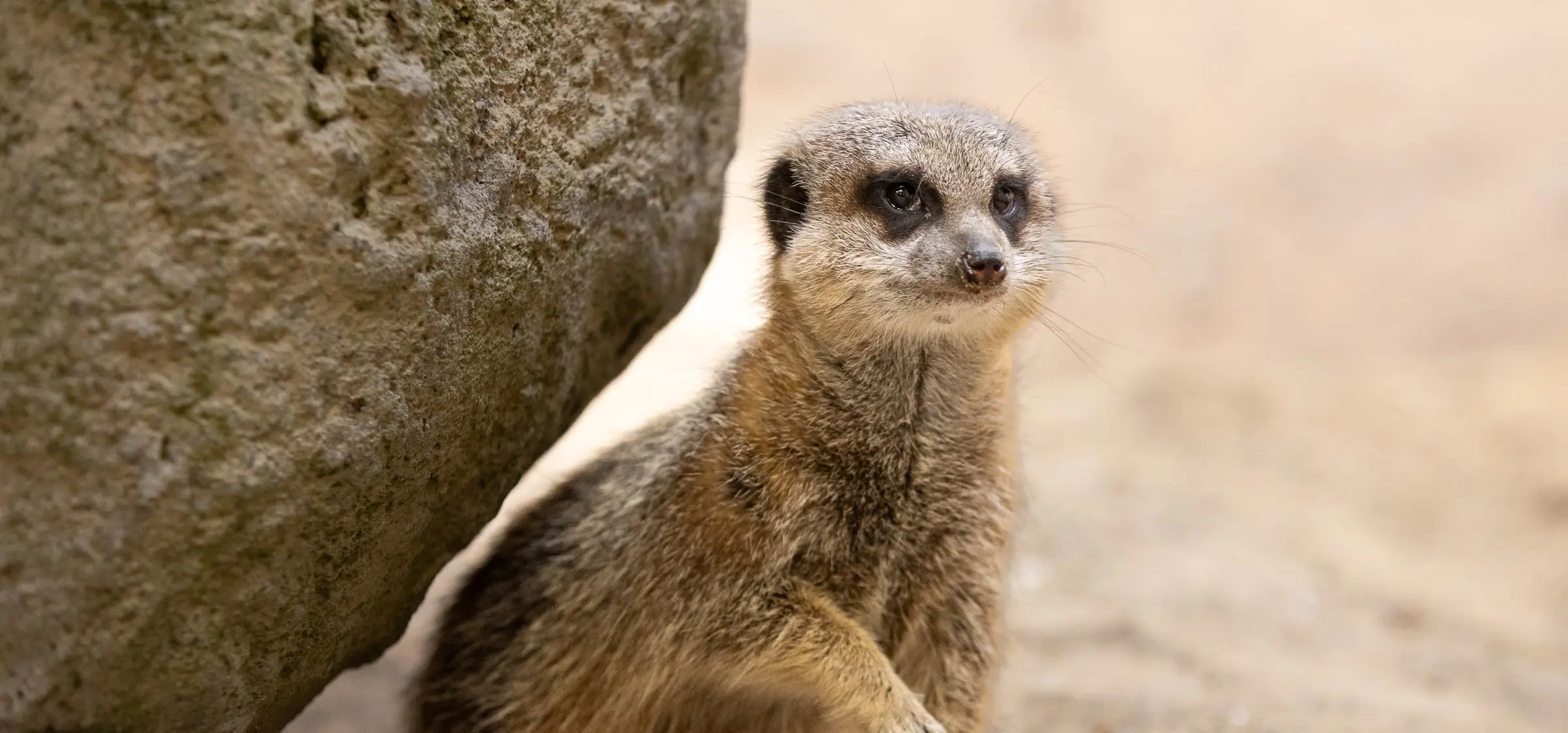
Meerkat
The meerkat is a highly social mongoose native to southern Africa's deserts that lives in colonies of up to 50 individuals and is known for standing upright on its hind legs to scan for predators while others forage
Species
Mammals
Habitat
Desert
Diet
Insectivores
Conservation Status
Least Concern
Meerkat
Suricata suricatta
Irish Name: Míorchat
IUCN Status: Least Concern
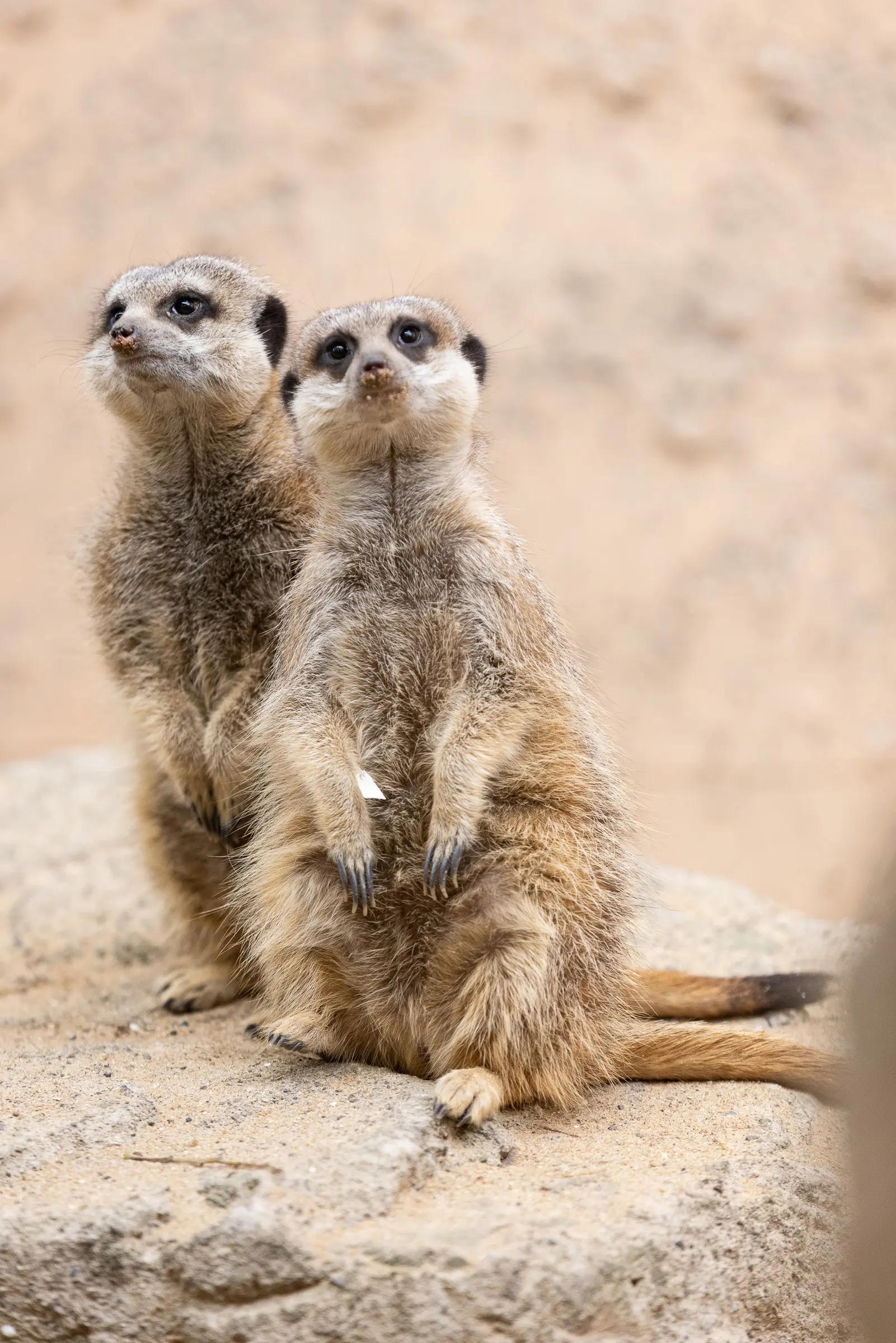
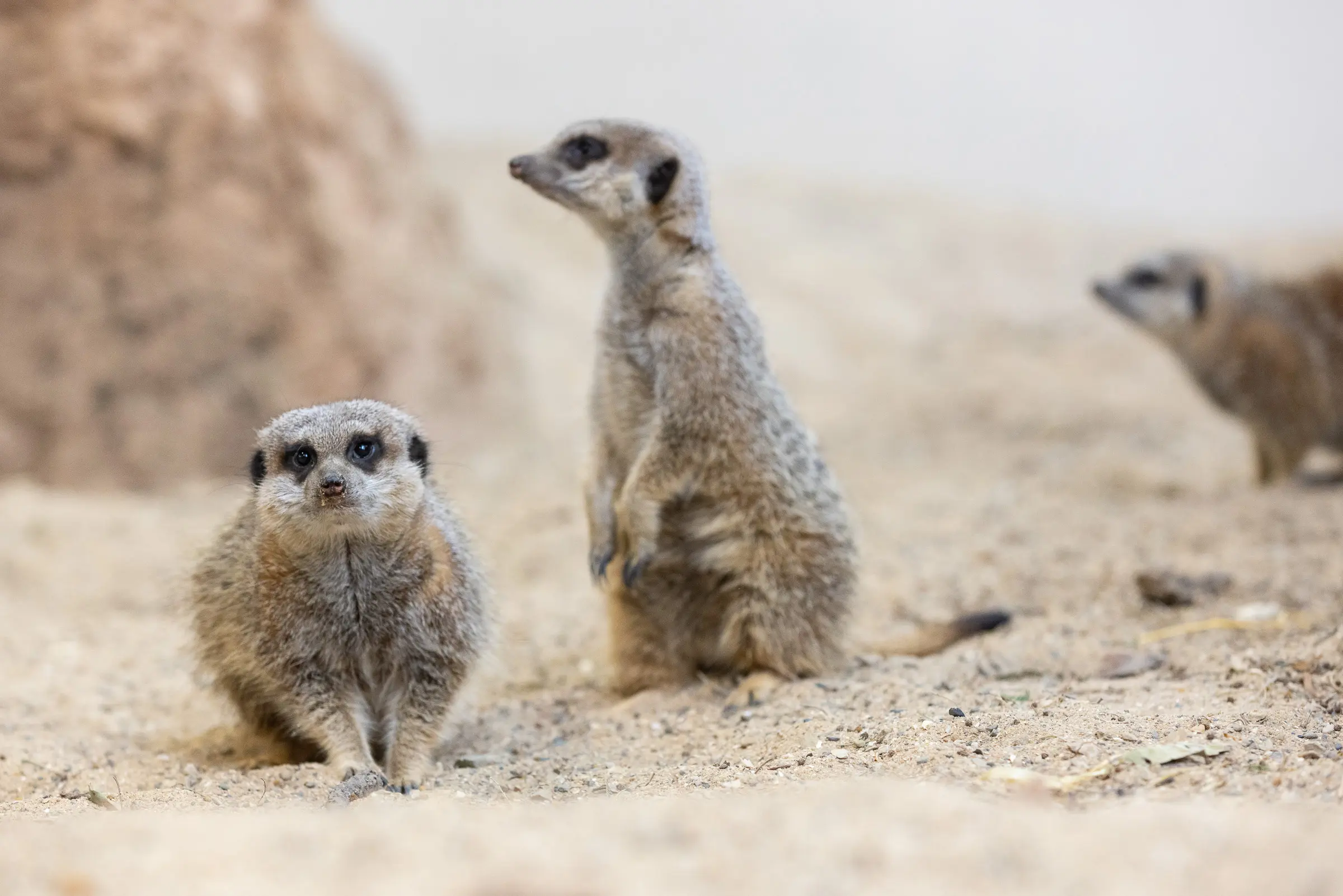
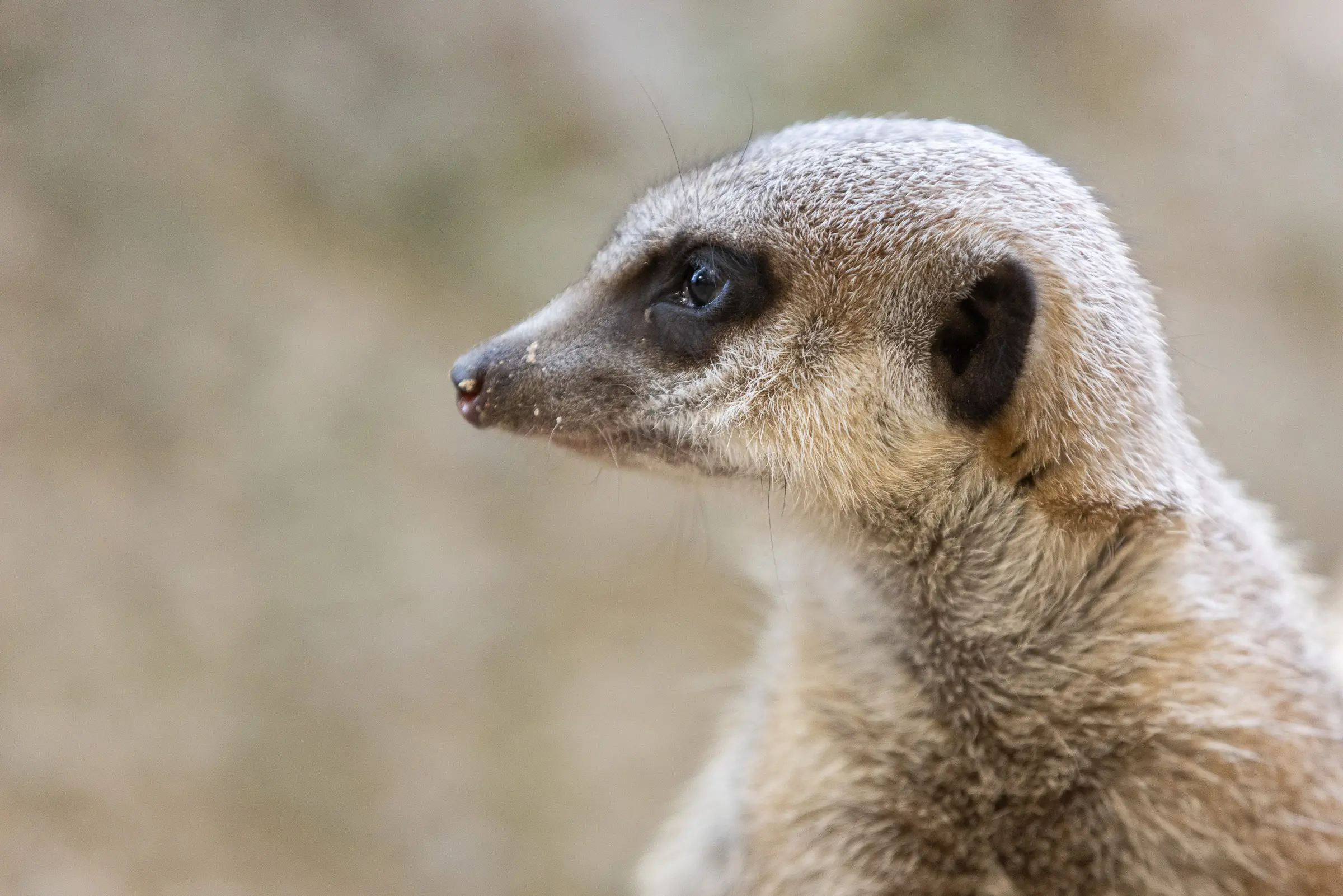
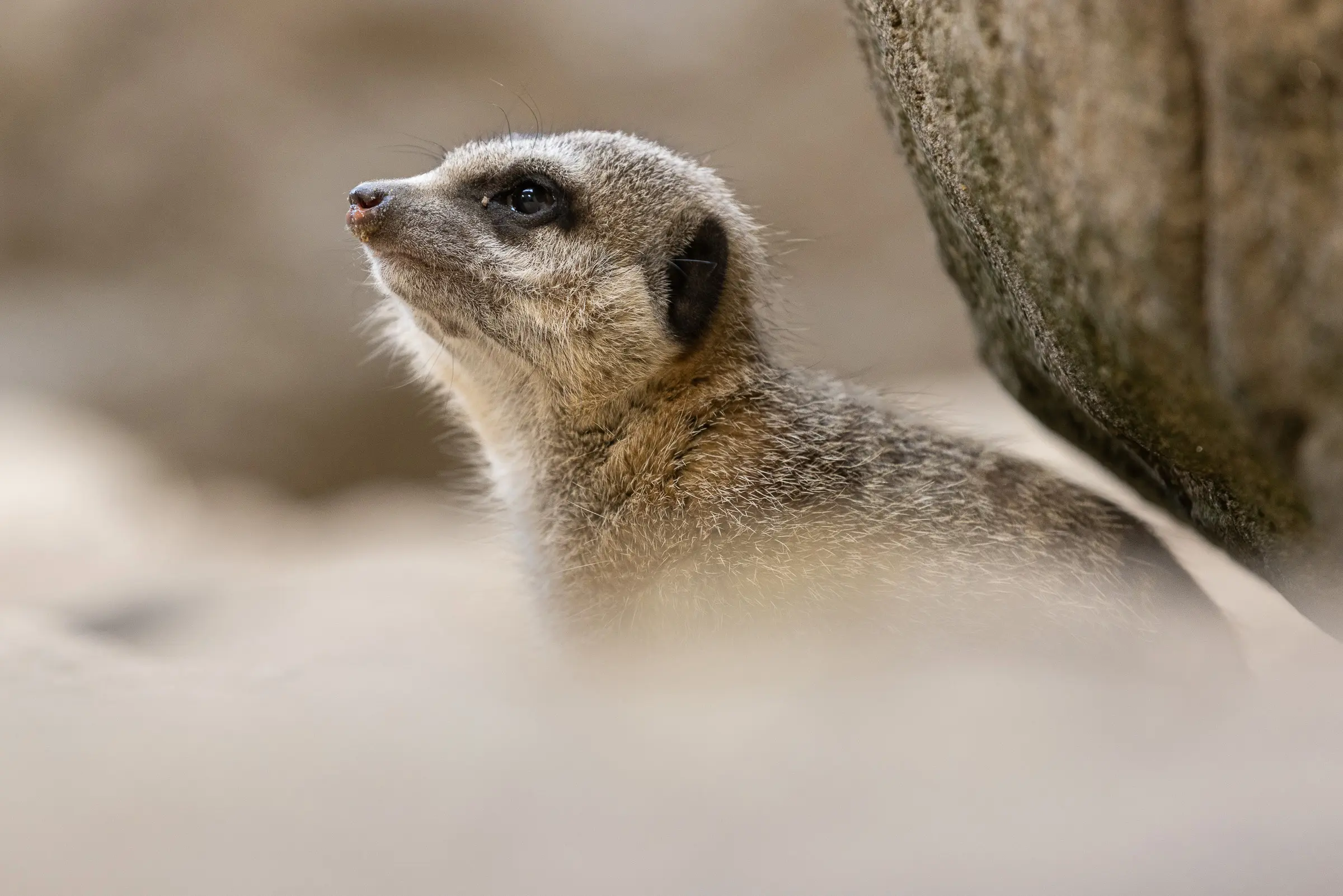
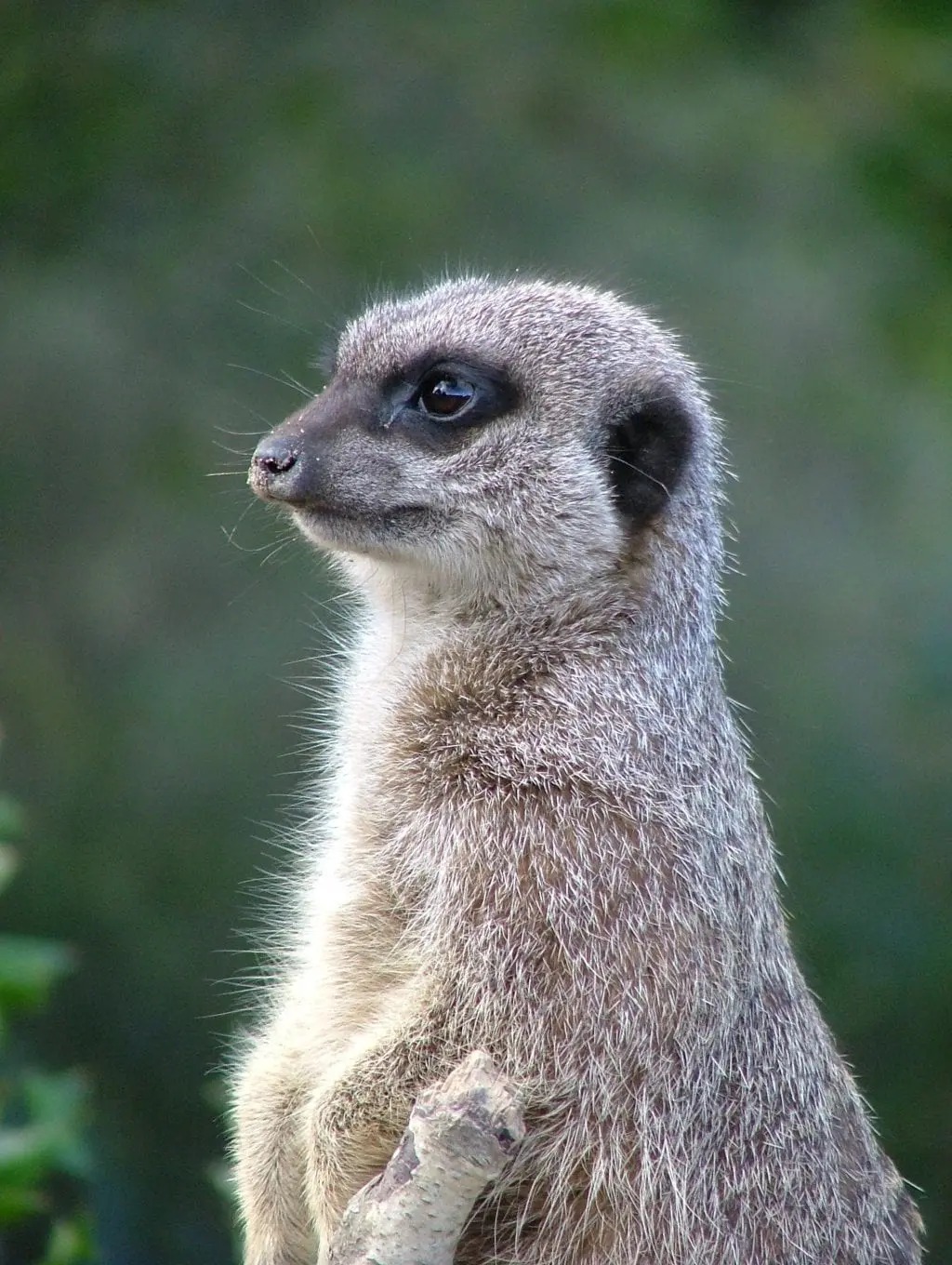
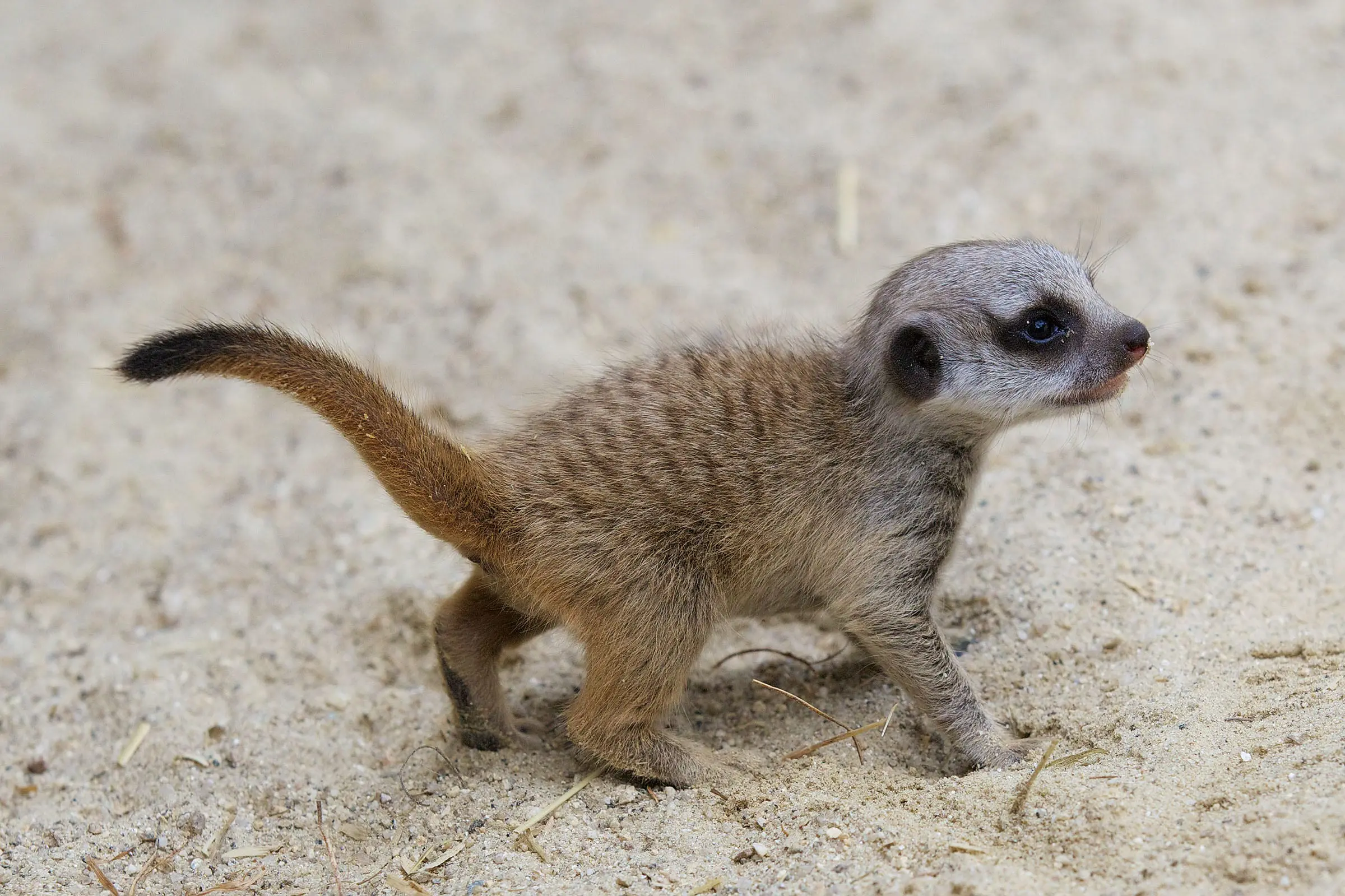
Meerkats are a member of the mongoose family. They have tan and grey coats with dark brown patches around their eyes and at the tip of their tails. They live in underground burrows in large groups called a gang or a mob.
General Information
Zoo location
Inside the Meerkat Restaurant
Animal class
Mammalia
Animal order
Carnivora
Where do they live (Natural habitat)?
Meerkats live in deserts, savannas and grasslands in southern Africa.
How long do they live?
Meerkats can live for around 12-15 years.
What do they eat?
Meerkats are mainly insectivores (feed on insects, worms and other invertebrates). They also eat scorpions, reptiles and birds.
Group name
Family groups are called gangs or mobs.
Closest related species / sister species
The closest relatives of the meerkat are other members of the mongoose family such as the dwarf mongoose.
Fun Facts!
The Meerkat
Family life
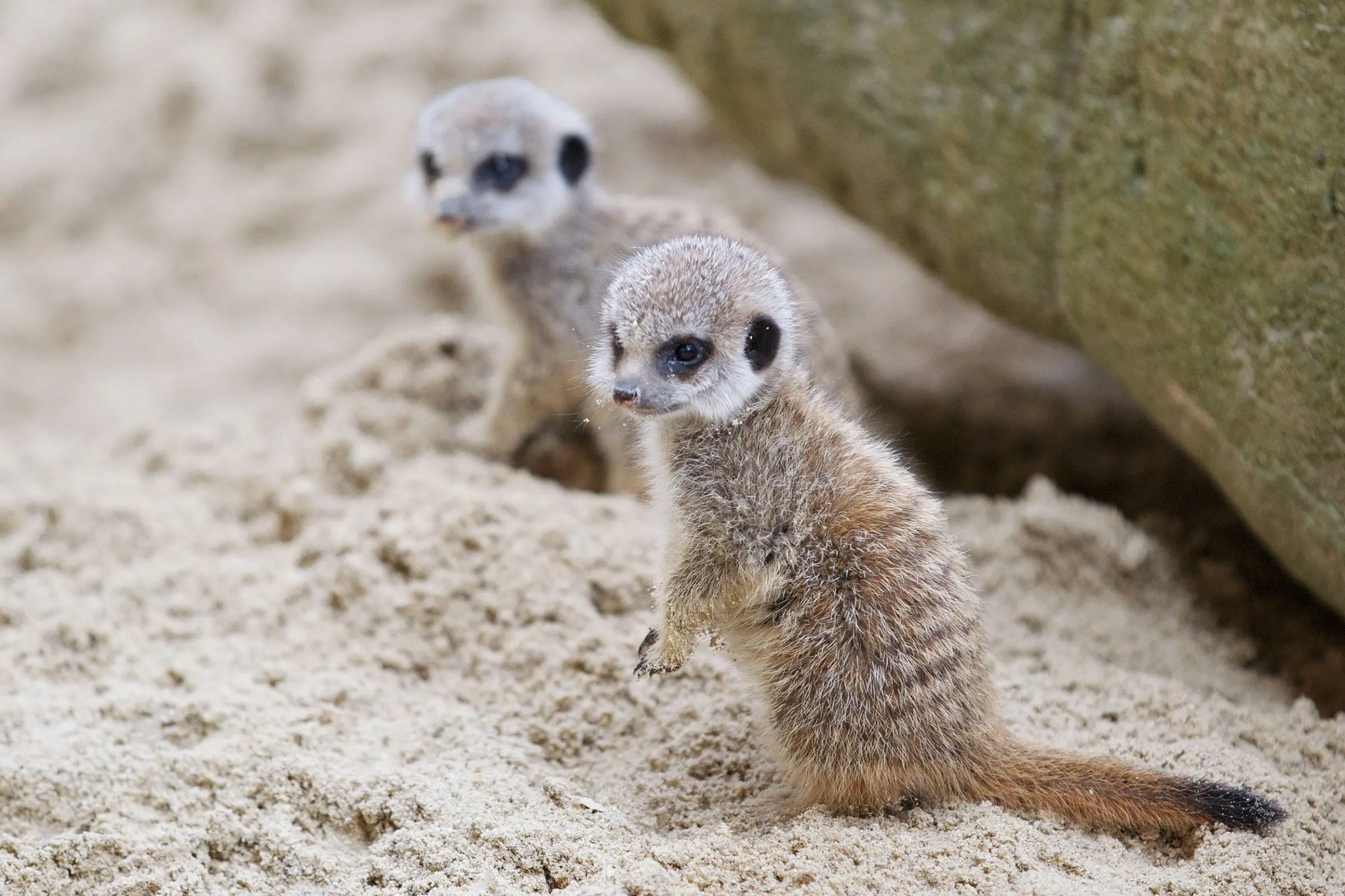
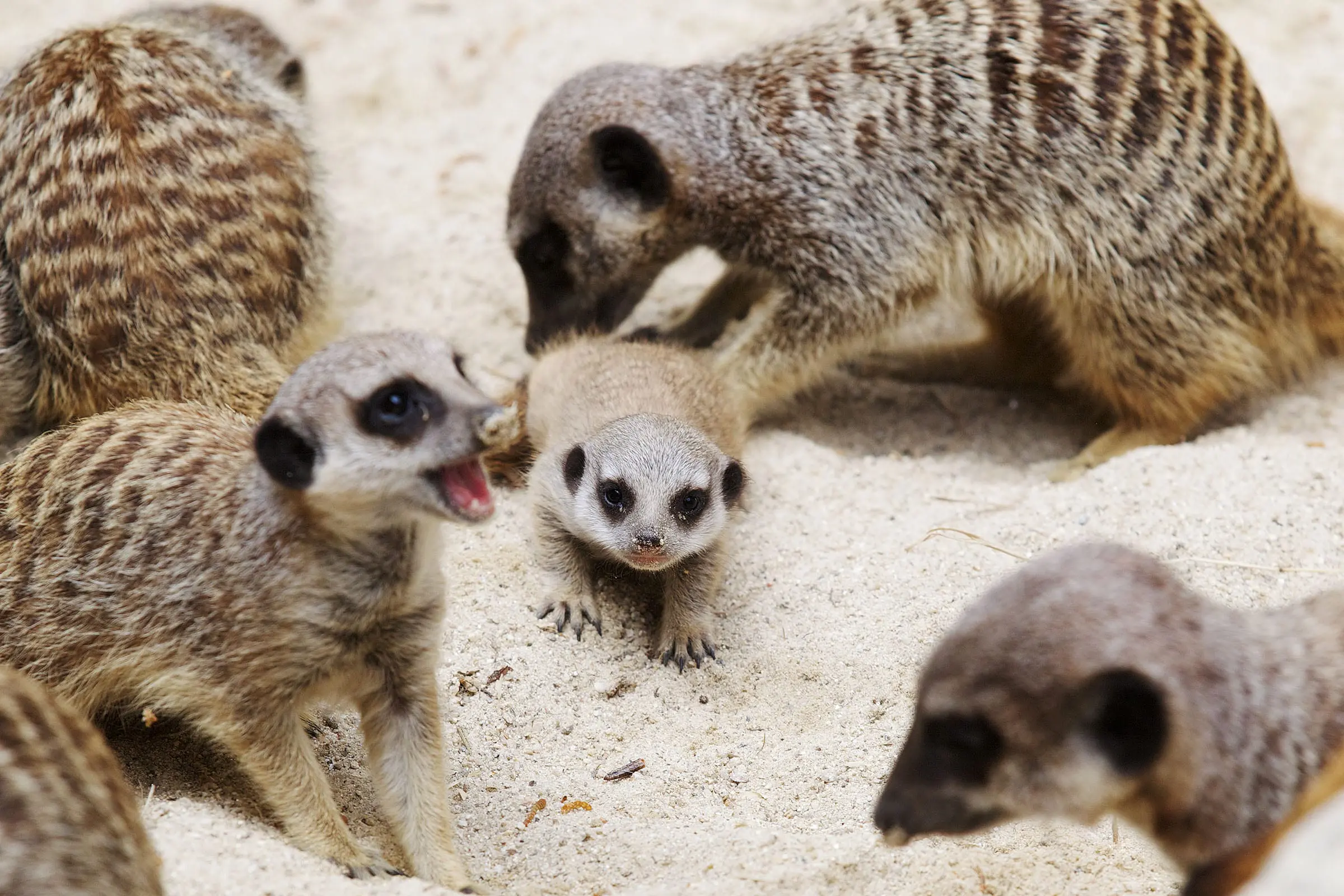
Meerkats are highly social. They live in big groups of up to 30 individuals consisting of a number of smaller family groups. Each family group includes a breeding pair and their offspring. Pups are born in a burrow, where they are cared for by the whole group. Adult males usually leave the group they were born in and attempt to join or take over another group. Females stay closer to their family group.
Baby name
Pup
Gestation (pregnancy) period
10-11 weeks
Number of young at birth
Meerkats can have anywhere between 1-8 pups at birth, but usually have 3-4 pups.
Weight at birth
Approximately 30 g
Age at maturity
1-2 years old
Adult size
Adult meerkats weigh just under 1 kg. Their body length is approximately 30 cm and their tail is approximately 20cm long.
Conservation
Least Concern
The meerkat is classified as Least Concern by the International Union for Conservation of Nature.
Current population estimate
Unknown, but thought to be stable.
Threats
There are no major threats to the species.
Frequently Asked Questions
Meerkats are mainly insectivores (feed on insects, worms and other invertebrates). They also eat scorpions, reptiles and birds.
Meerkats are not rodents. They are members of the animal order Carnivora.
Meerkats live for around 12-15 years.
Meerkats have a distinctive bark; they also growl, hiss and make a peeping sound.
According to the IUCN, meerkats are not currently endangered; they are classified as of Least Concern.
Meerkats get all the moisture they need from the insects and grubs they eat. They have dark patches around their eyes. These patches cut down on glare from the sun. They have a special covering on their eyes that protects them from dirt and dust while they are digging their burrows.
Adult meerkats take shifts as sentinels, watching out for predators and warning the others if a predator is nearby. Meerkats also have very sharp claws and can move very quickly.
The meerkat’s predators include larger carnivores such as hyenas and jackals, and birds of prey such as eagles and hawks.
Meerkats are not nocturnal; they are diunal. This means they are active during the daytime.
Research has shown that meerkats display complex social interactions; these interactions demonstrate intelligence.
Meerkats have been observed using their long, sharp claws to climb trees.
Meerkats hunt for food by foraging in groups. They locate their food using their sense of smell and then dig it up.