Lowland Paca
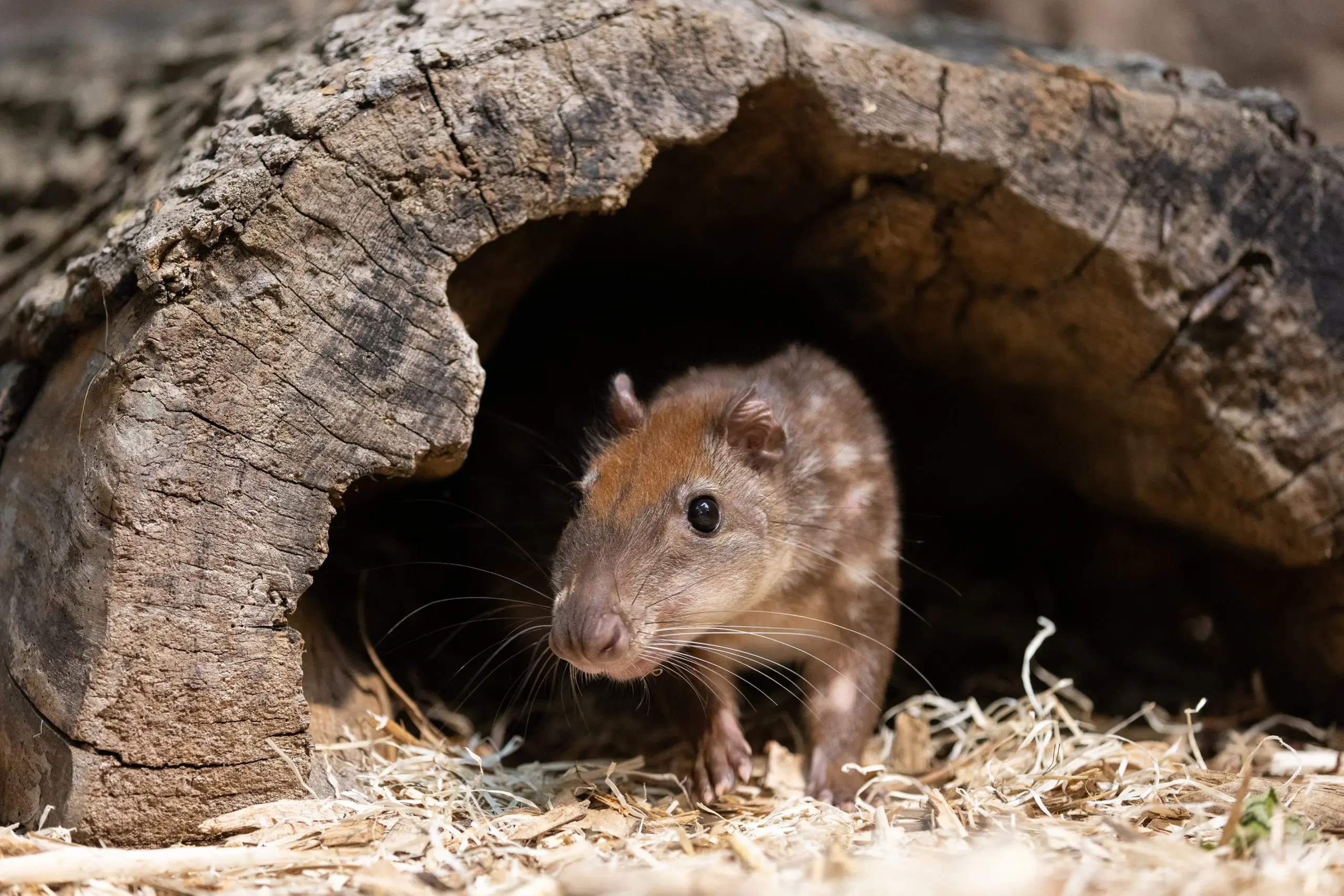
Lowland pacas, also known as spotted pacas, are a relatively large species of rodent found throughout parts of Central and South America
Species
Mammals
Habitat
Rainforest
Diet
Herbivores
Conservation Status
Least Concern
Lowland Paca
Cuniculus paca
IUCN Status: Least concern
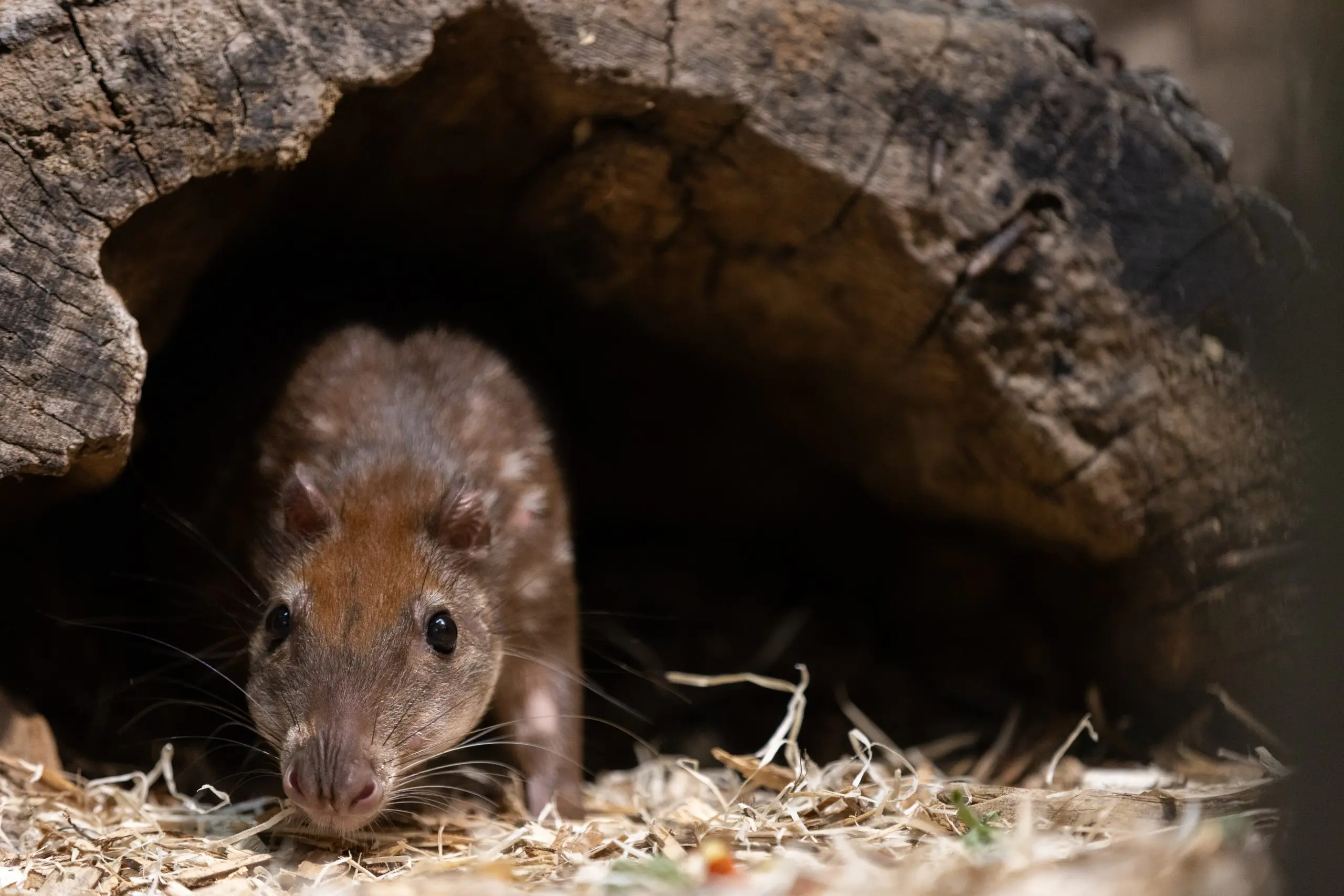
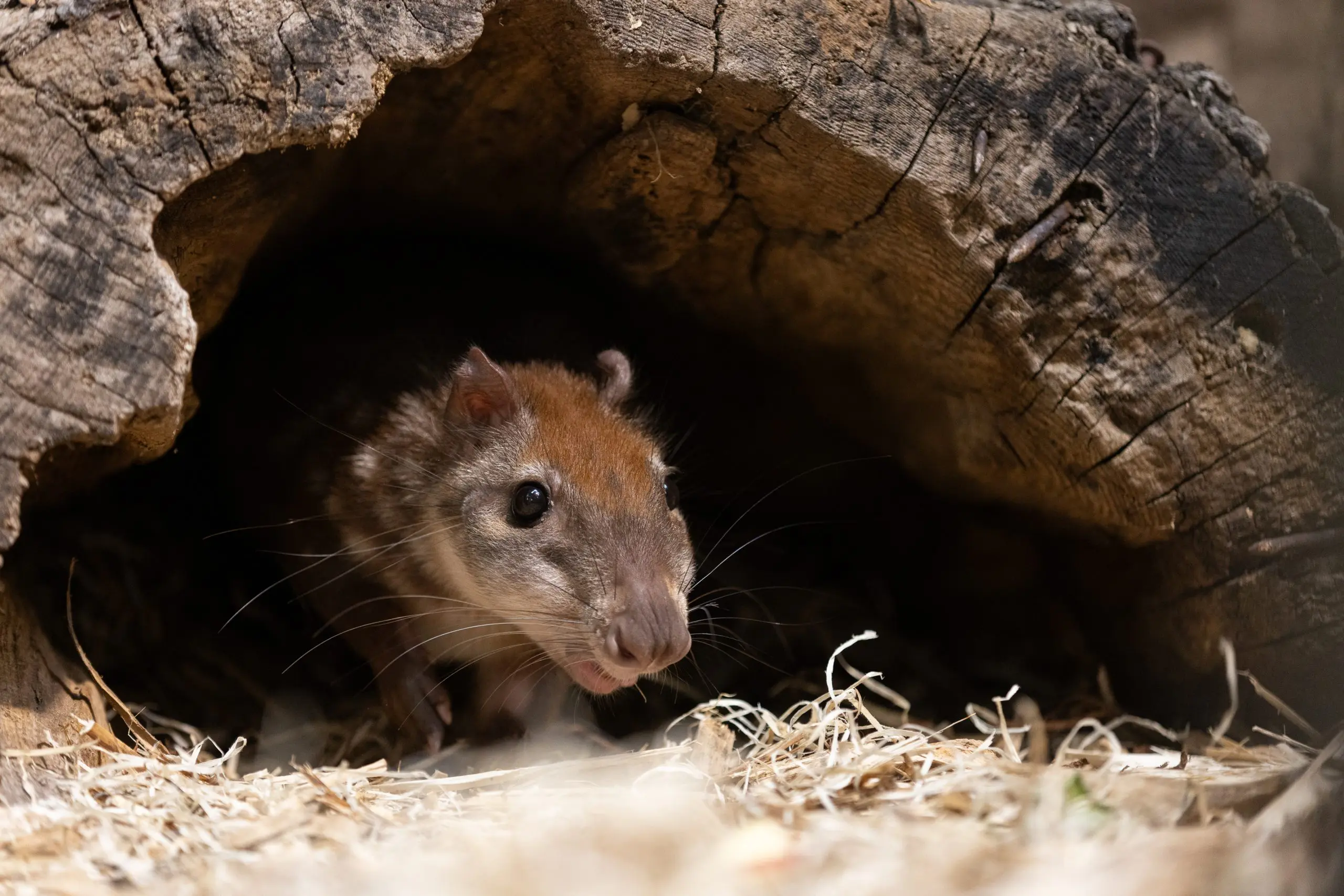
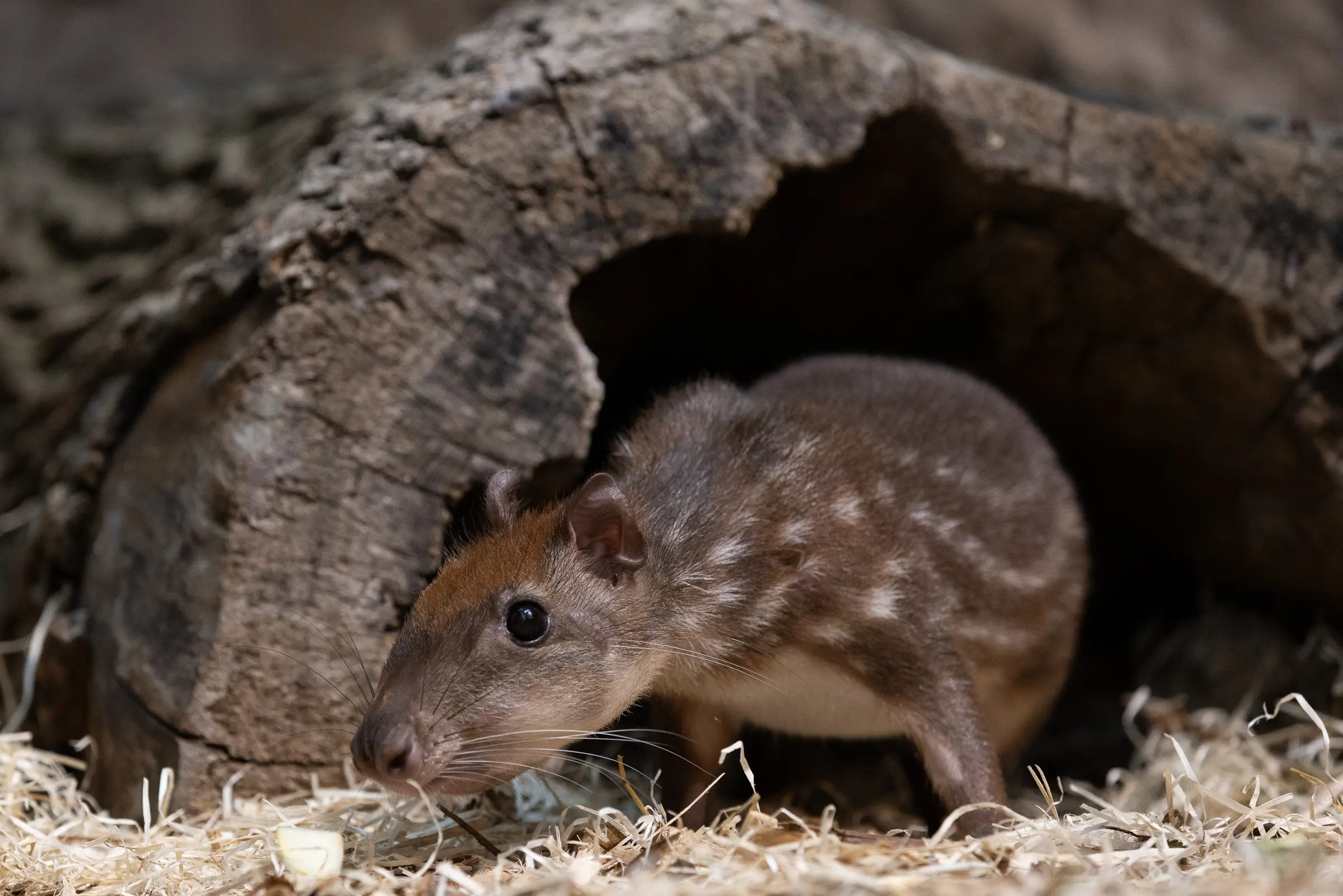
Lowland pacas, also known as spotted pacas, are a relatively large species of rodent found throughout parts of Central and South America. They have coarse fur with a dark brown to black upper body and a light underside.
They typically have 3 to 5 rows of lightly coloured spots running along their sides. They have four toes on their front feet and five on their back feet, with the nails bearing a similar appearance to hooves. At adult size, they weigh between 6 and 12 kilograms and grow to lengths of between 60 and 80 centimetres. They are a somewhat nocturnal species.
General Information
Zoo location
Rainforest House
Animal class
Mammalia
Animal order
Rodentia
Where do they live (Natural habitat)?
Lowland paca typically live in forested habitats near bodies of water, most commonly small rivers. They are found through Central and South America, from Mexico down to northern Argentina, and have also been introduced to Cuba and Algeria.
How long do they live?
The lifespan of a lowland paca is around 13 years.
What do they eat?
Lowland paca are largely herbivorous, feeding on a variety of fruits and their seeds including avocados, mangos, guava, and pomerac. They will also feed on leaves, grasses, stems, roots, and nuts. They have also been observed partaking in necrophagous behaviour on rare occasions, feeding on dead animals possibly to supplement protein in their diet.
Group name
They are more often solitary animals, but a group of paca may be referred to as a ‘colony’.
Closest related species / sister species
Lowland pacas are part of the rodent family of mammals. They are most closely related to other rodents such as mice, rats, squirrels, and capybaras.
Fun Facts!
Lowland Paca
Behaviours
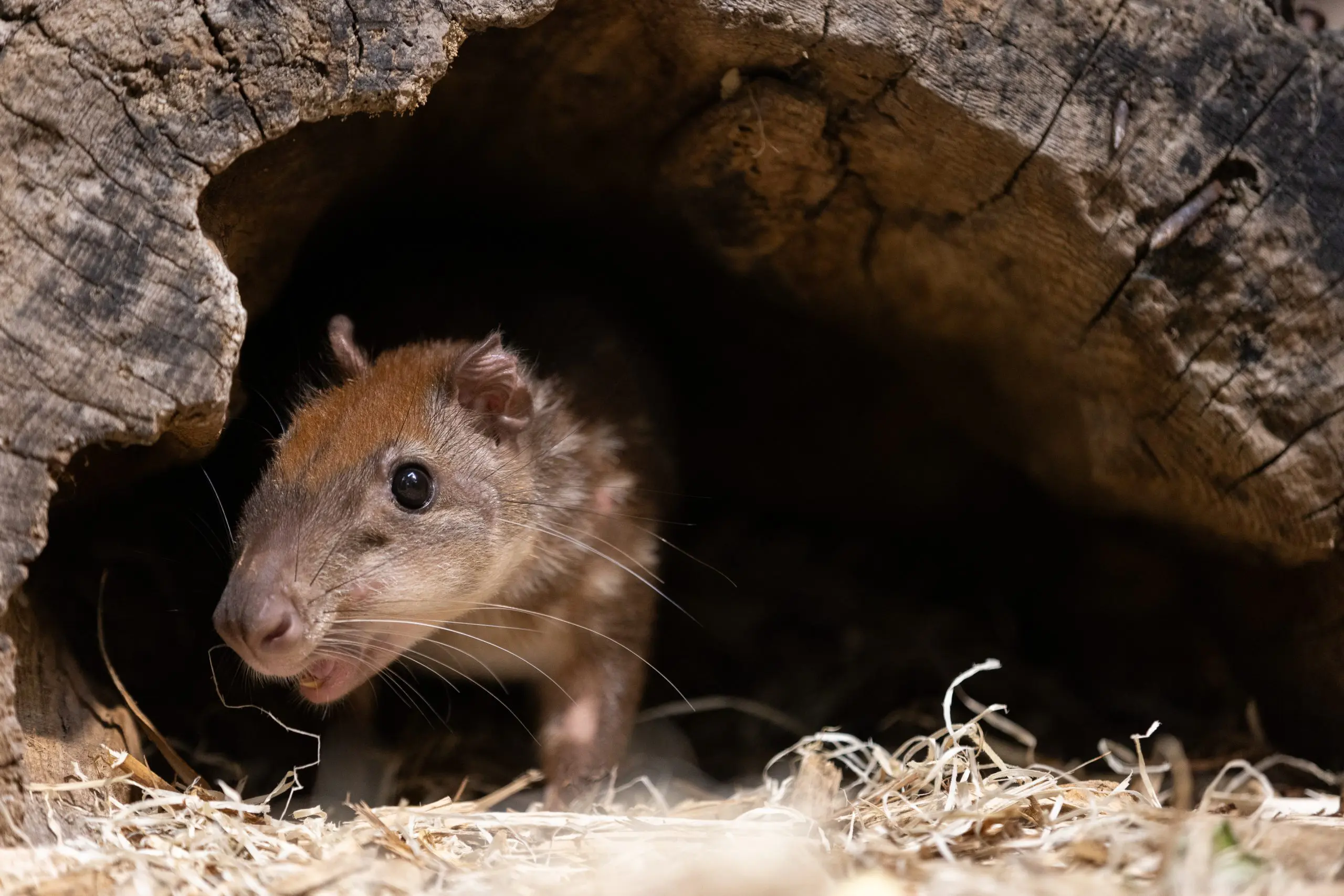
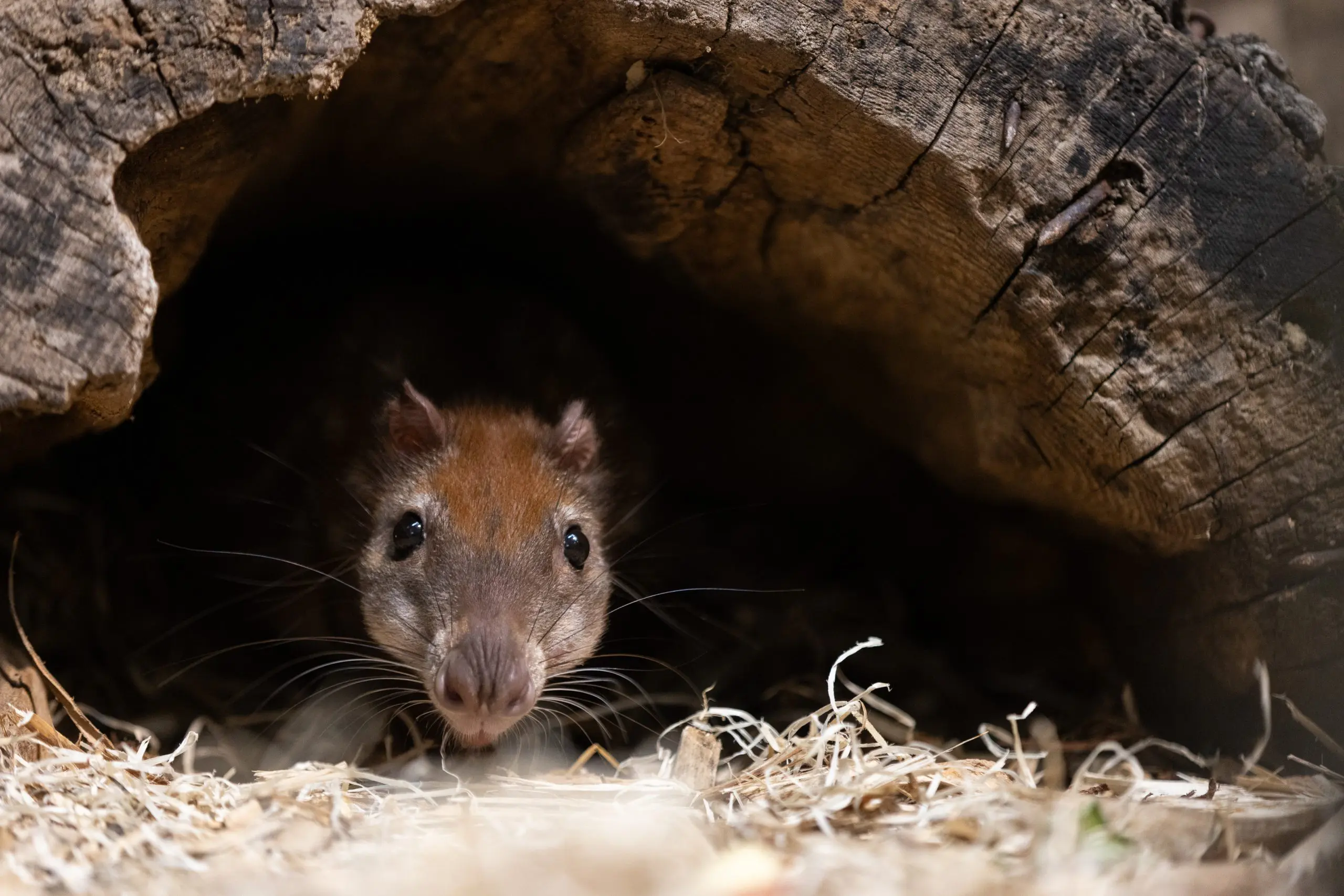
Lowland paca are largely solitary animals and do not vocalise often. Despite this, they do possess large openings in their cheeks which can act as resonating chambers to help their calls travel further.
They are capable swimmers, and will often head to water to escape from potential threats, where they can remain submerged for several minutes.
Paca are known to dig burrows up to 2 metres deep, with multiple entrances and exits. They will sometimes even take over burrows dug by other animals.
Reproduction and Life Cycle
Pacas reach maturity at around 1 year of age, and females will typically have between 1 and 3 offspring each year.
The gestation period lasts for around 120 days, after which a single offspring is born, though sometimes 2. The lifespan of a lowland paca is around 13 years.
Adaptations
The dark coloured bodies, combined with the lines of stripes on their sides, help to camouflage and break up the silhouette of the lowland paca as it moves through the undergrowth of its forest habitats.
Like all rodents, paca have constantly growing incisors (front teeth). They must regularly chew and grind these teeth against each other and different food sources so as to keep them sharp and prevent them from growing too long.
Conservation
Least Concern
Lowland paca are listed as ‘Least Concern’ on the IUCN Red List of Endangered Species.
Current population estimate
Despite this, their numbers have been reduced as a result of habitat loss and hunting. In some places, they are considered a pest for food crops.
Threats
Though the species as a whole is widely distributed, some local populations have gone extinct as a result of human actions.
Frequently Asked Questions
Lowland paca are found in forest habitats throughout Central and South America, from Mexico all the way down to northern Argentina. They have also been introduced to Cuba and Algeria.
Lowland paca have been known to live for up to 13 years.
Lowland paca are herbivores, feeding mainly on fruits, seeds, nuts, roots, shoots, grasses and leaves. They play a key role as seed dispersers in their environments, distributing the seeds of some of the fruits they eat in their dung.
No, lowland paca are actually the 14th biggest species of rodent. The largest rodent species is the capybara, also found in South America. These rodents can grow to up to 60 centimetres tall and weigh almost 70 kilograms, 5 times the size of an adult paca.
There are almost 2,300 known species of rodent. They make up approximately 40% of all known mammals. Most species are quite small, weighing less than 100 grams as adults.
Visitors can also find Malagasy giant jumping rats at Dublin Zoo. They live in the Nocturnal House alongside the aye-ayes.
The lowland paca can be found in the Rainforest House, most frequently in the same habitat as the sloths.