King ratsnake
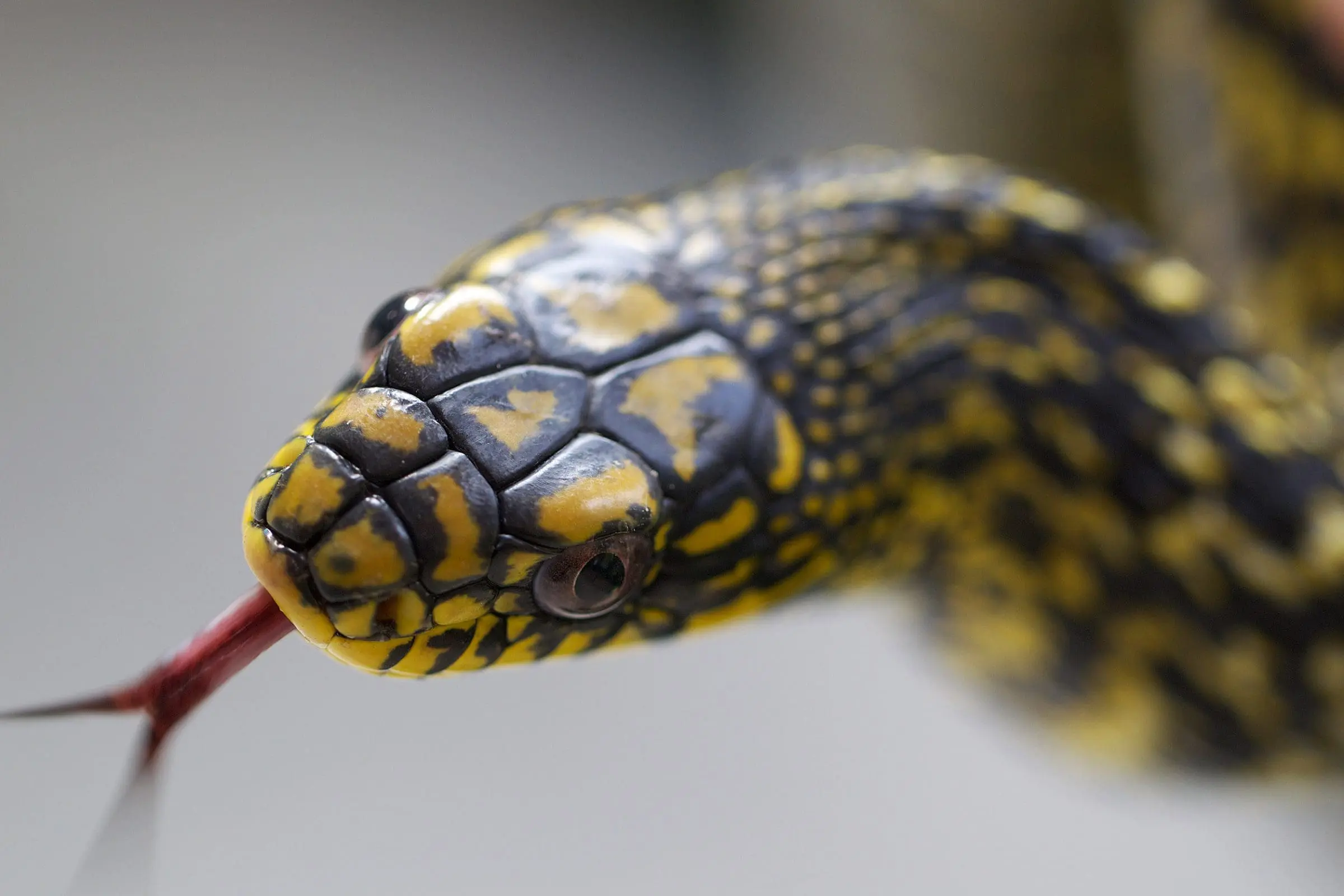
The king ratsnake is a large, semi-arboreal constrictor from East Asia and is known for its striking olive-yellow coloration and ability to release a foul-smelling musk when threatened
Species
Reptiles
Habitat
Forest
Diet
Carnivore
Conservation Status
Least Concern
King ratsnake
Elaphe carinata
Irish Name: Rínathair francaigh
ICUN Status: Not yet evaluated
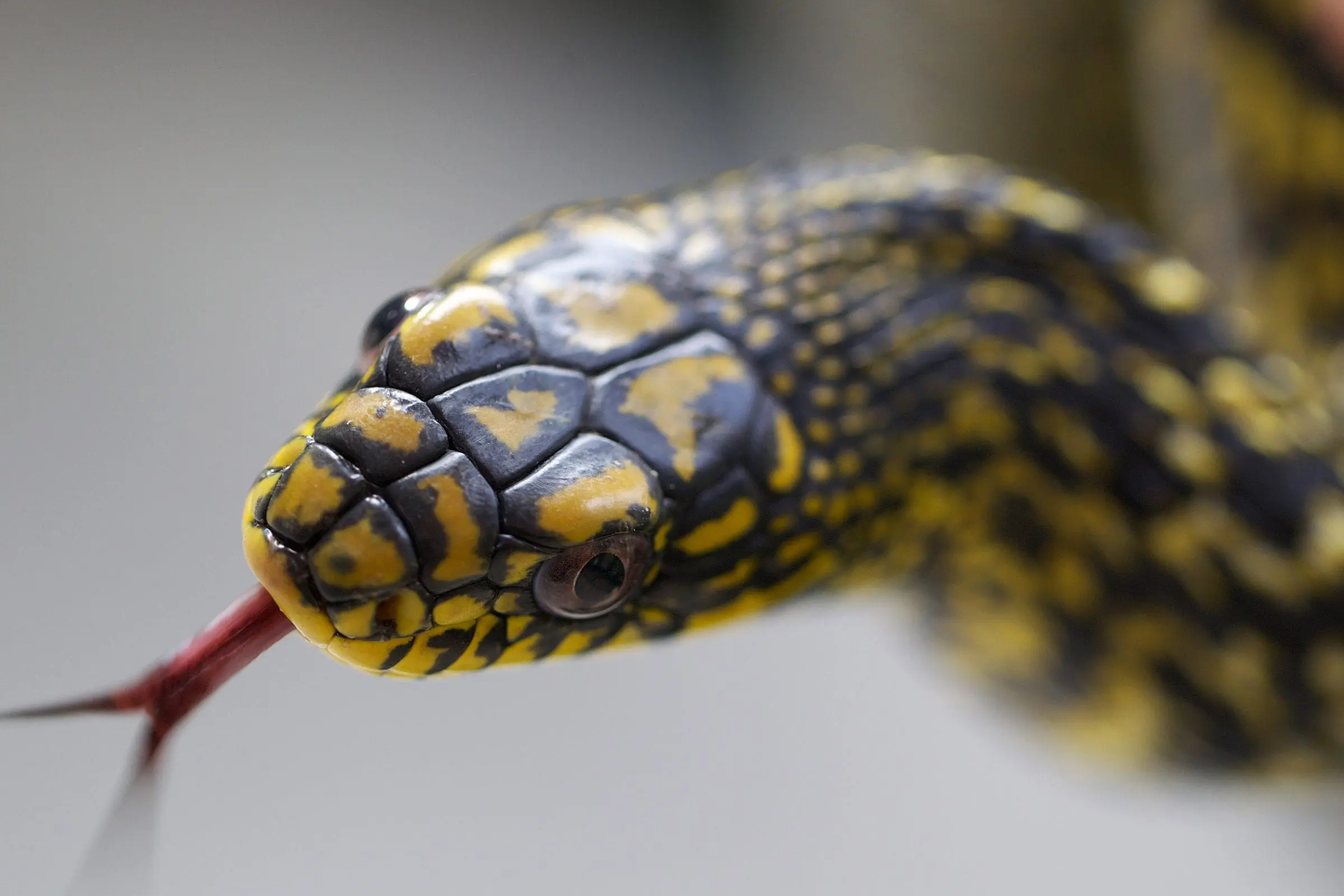
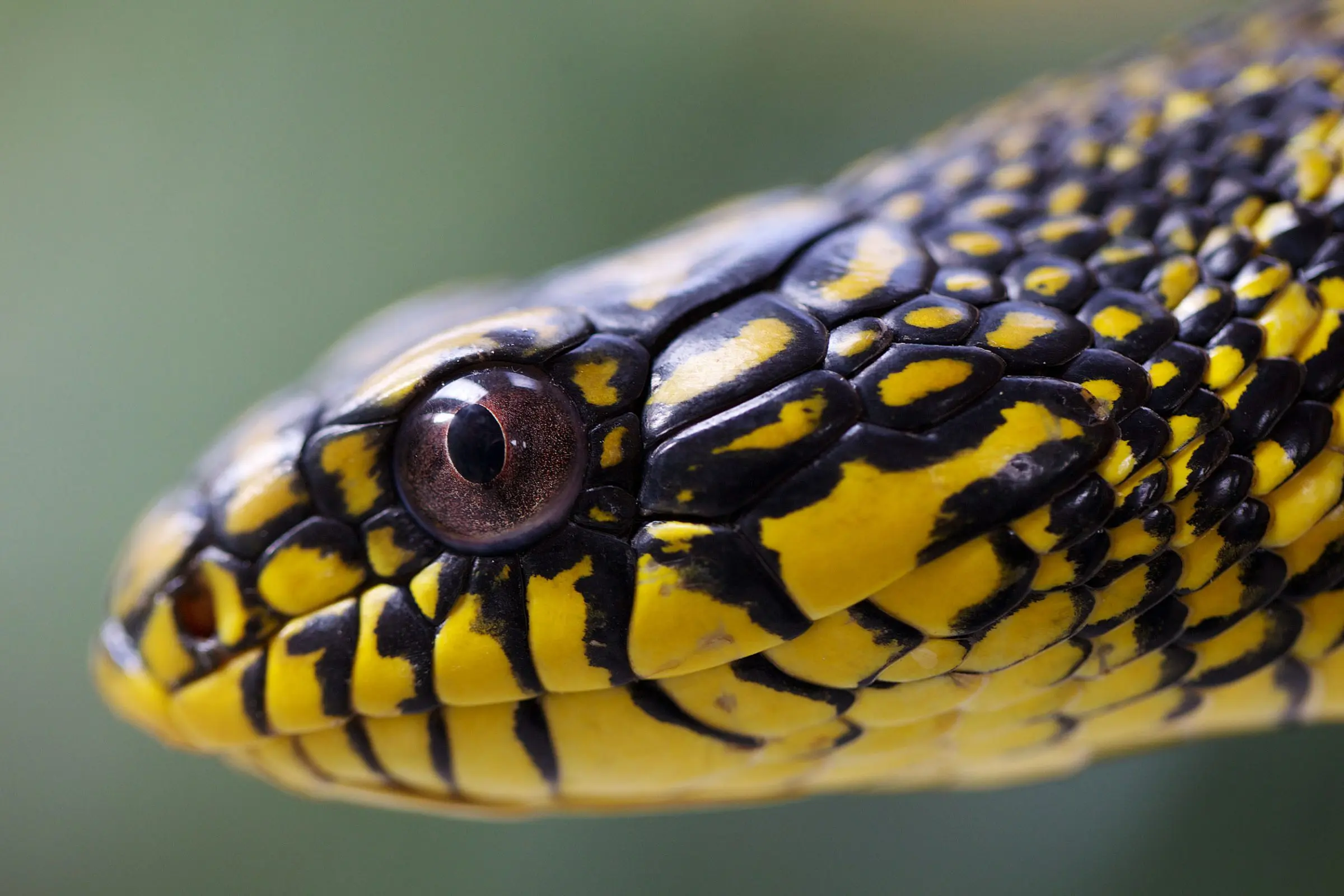
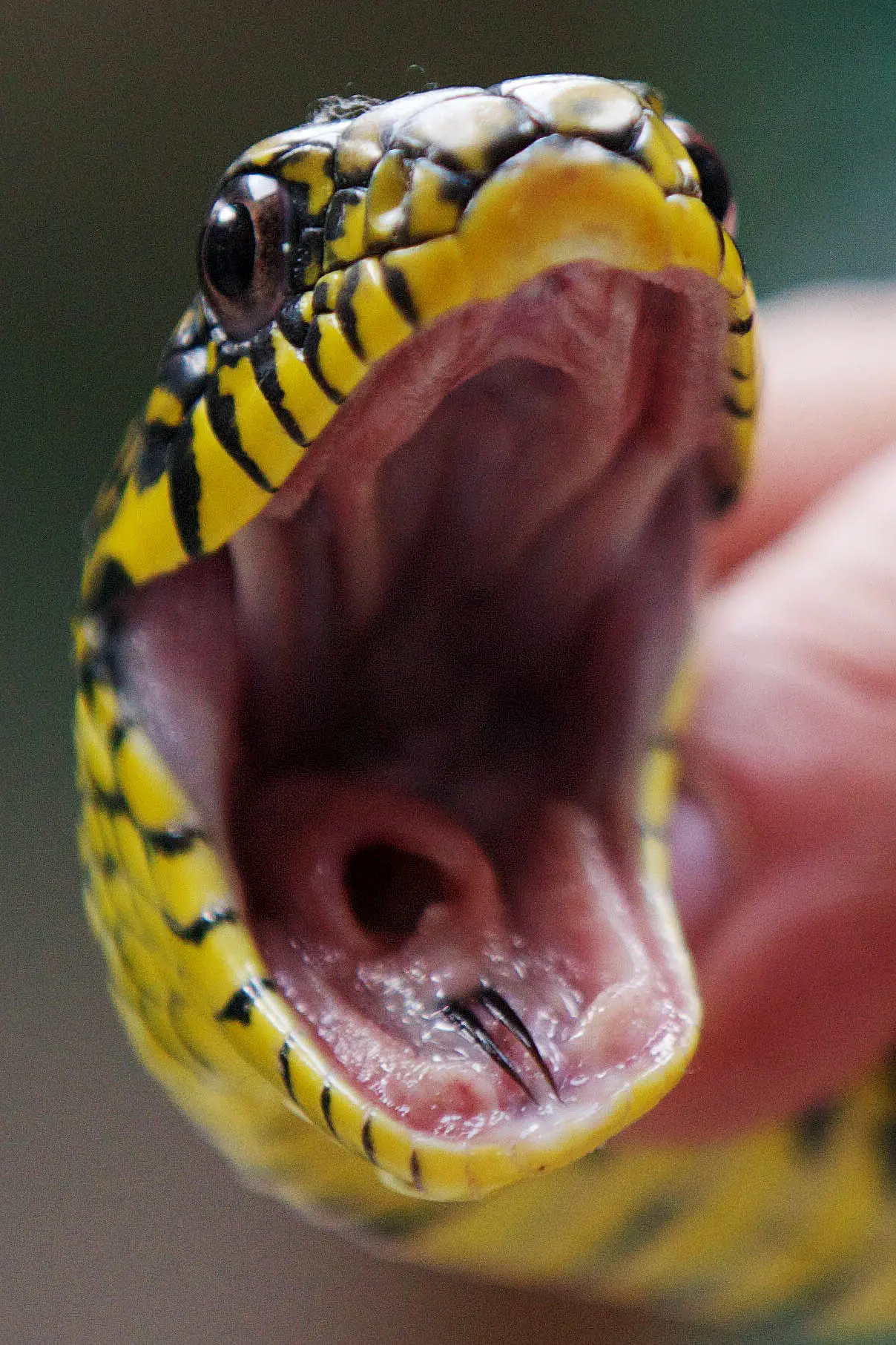
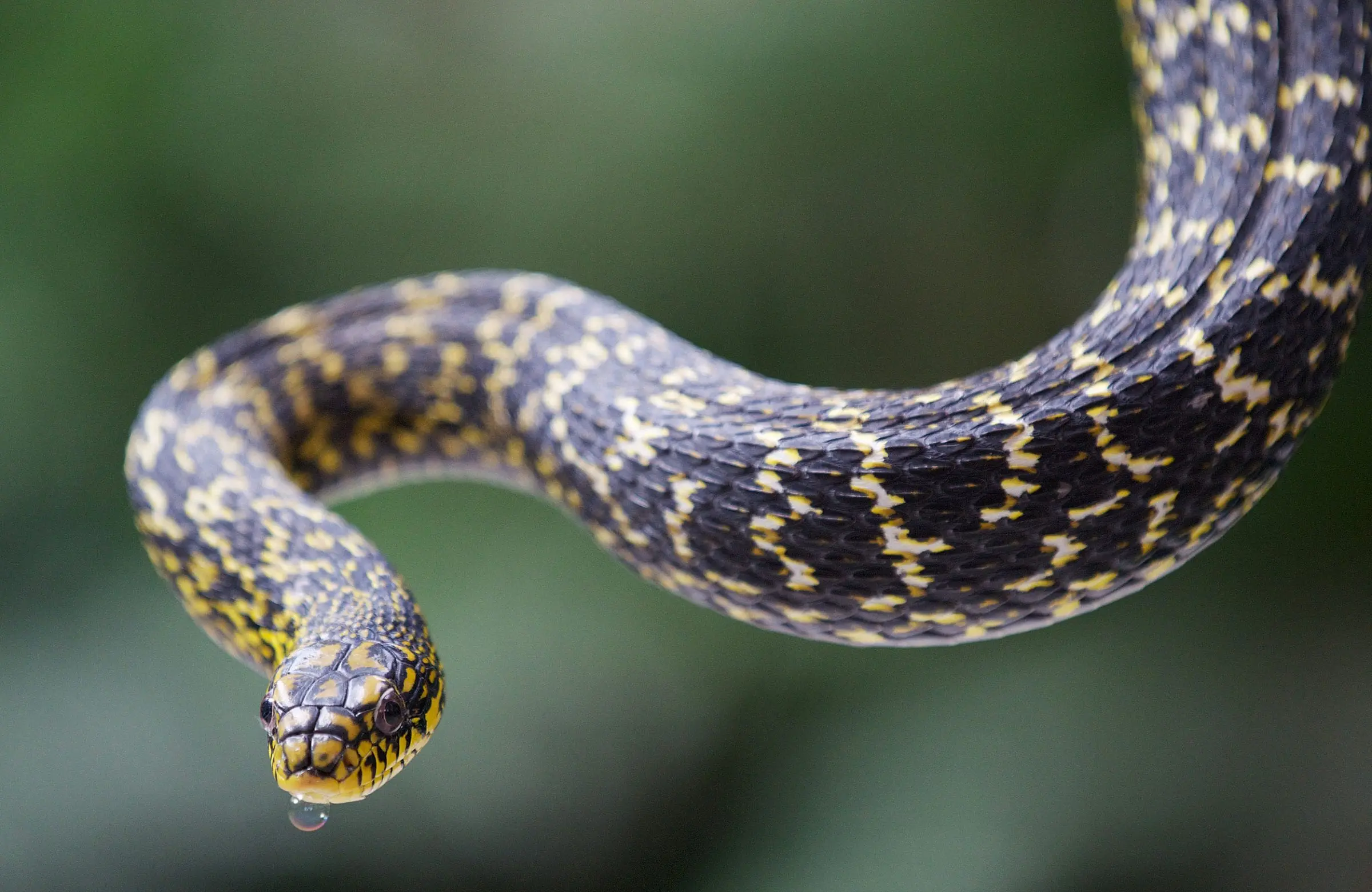
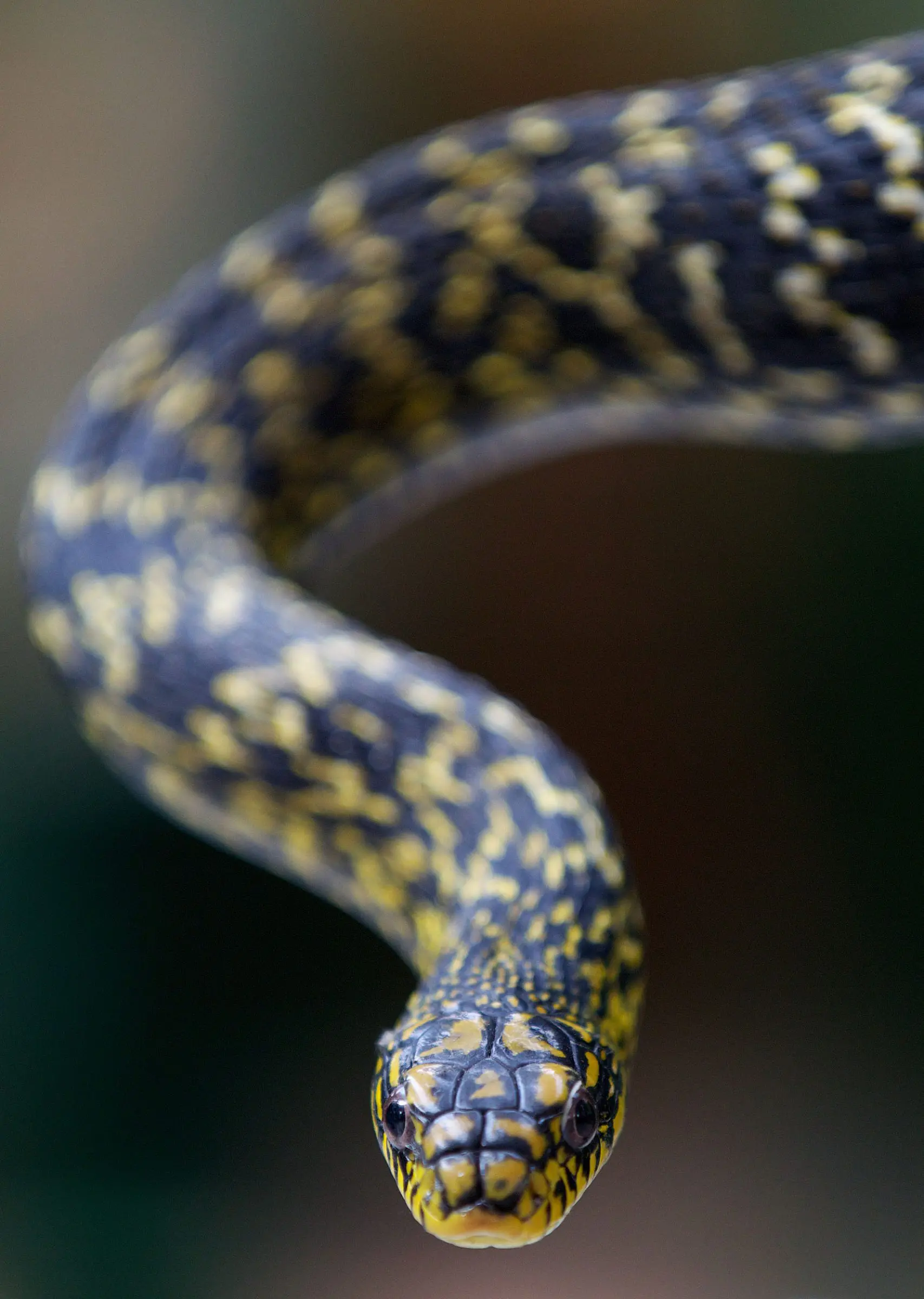
The King ratsnake is a striking, non-venomous snake known for its glossy black scales and distinctive yellow patterning. Native to parts of East Asia, this powerful constrictor plays an important role in maintaining balanced ecosystems by controlling populations of rodents and other small animals.
Despite its name, the King ratsnake is not just a hunter of rats, it is an opportunistic predator that will also feed on birds, eggs, and even other snakes. Young King ratsnakes undergo dramatic colour changes as they grow, developing their bold adult markings over time.
At Dublin Zoo, you can find the King ratsnake in Zoorassic World, where visitors can learn more about these fascinating reptiles and the important role snakes play in the natural world.
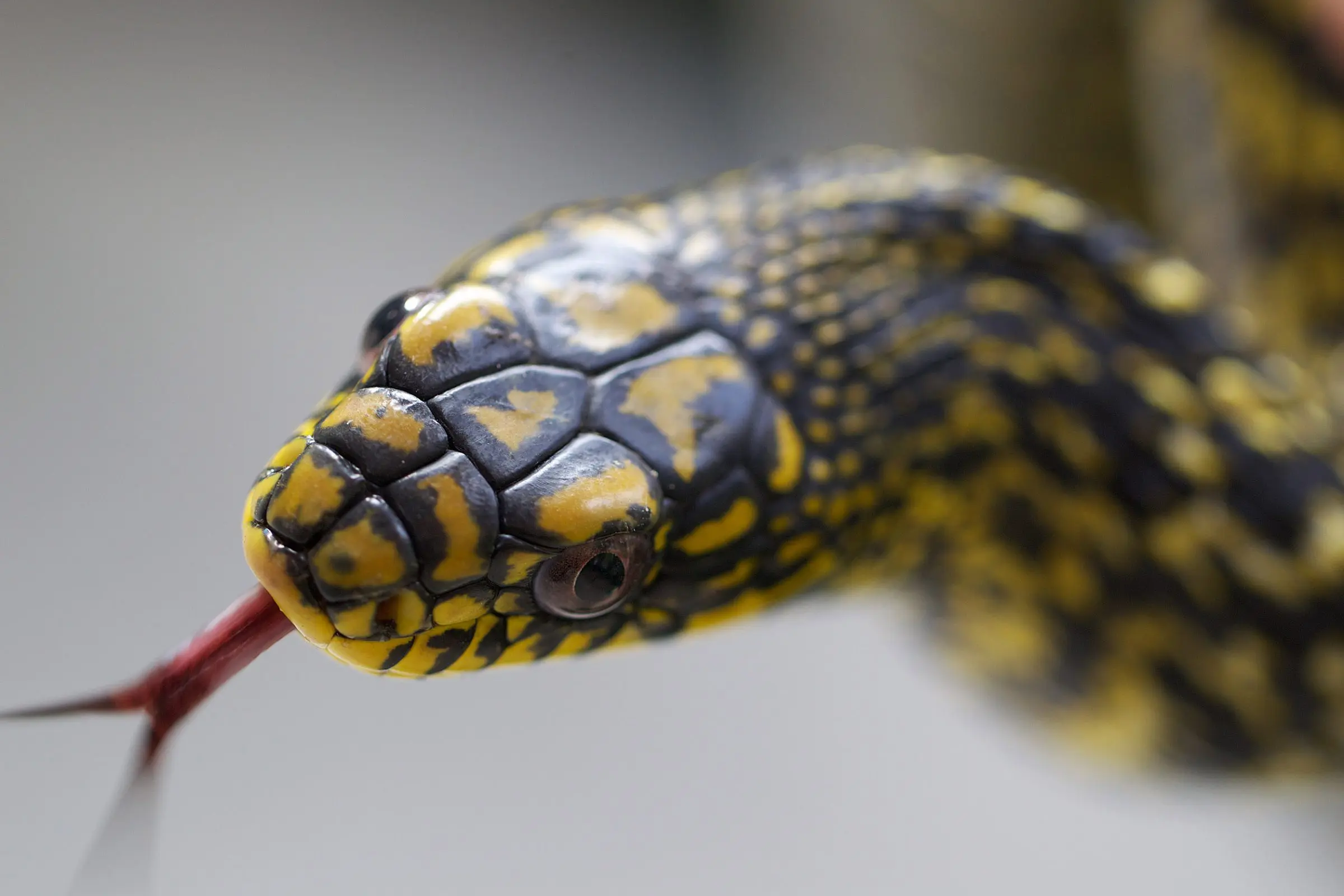
General Information
Zoo location
Zoorassic World
Animal class
Reptilia
Animal order
Squamata
Where do they live (Natural habitat)?
King ratsnakes are found in forests and fields in China, Vietnam, Taiwan and Japan.
How long do they live?
In the wild, the king ratsnake lives for 15+ years – males living longer than females. In zoos they can live for 20-25 years.
What do they eat?
They eat rodents, birds, birds’ eggs, lizards, other snakes and even other members of its own species.
Group name
They are solitary so do not have a group name.
Closest related species / sister species
The closest relatives of the King ratsnake are the other species of the Elaphe (rat snake) genus.
Fun Facts!
The king ratsnake
Family life
King ratsnakes are oviparous (egg laying). Their typical breeding season in the wild is from early May to late June. Females can lay between 6 – 24 eggs in one clutch. The number of eggs produced is directly related to the size of the female snake. The eggs will be deposited by the female in a safe place, for example, under a log or a hollow in a tree. It can take up to 60 days for the eggs to hatch. There is no parental involvement in raising young King ratsnakes, but the juveniles will stay in the vicinity of their hatch site for one to two years after hatching.
Baby name
Hatchling
Gestation (pregnancy) period
158-172 days
Number of young at birth
6-12 eggs
Age at maturity
King ratsnakes reach maturity at approximately 4 years old.
Adult size
150cm-240cm
Conservation
Still to be evaluated
The King ratsnake is still to be evaluated by the International Union for Conservation of Nature.
Current population estimate
Unknown
Threats
One of the biggest threats facing the king ratsnake in the wild is being captured for the pet trade and the skin trade. They are also used in traditional medicine and a popular source of food in restaurants in China.
Frequently Asked Questions
King ratsnakes are nonvenomous.
They eat rodents, birds, birds’ eggs, lizards, other snakes and even other members of its own species.
They can bite if they feel threatened.
120-200cm
They can bite if they feel threatened.
Snakes do not hibernate but brumate. Brumation is similar to hibernation. Snakes need to brumate in the winter months as they are cold-blooded animals and cannot regulate their body temperature.
Brumation allows the snake to spend most of its time asleep but they do wake up on warmer winter days for some activities such as drinking water.