California sea lion
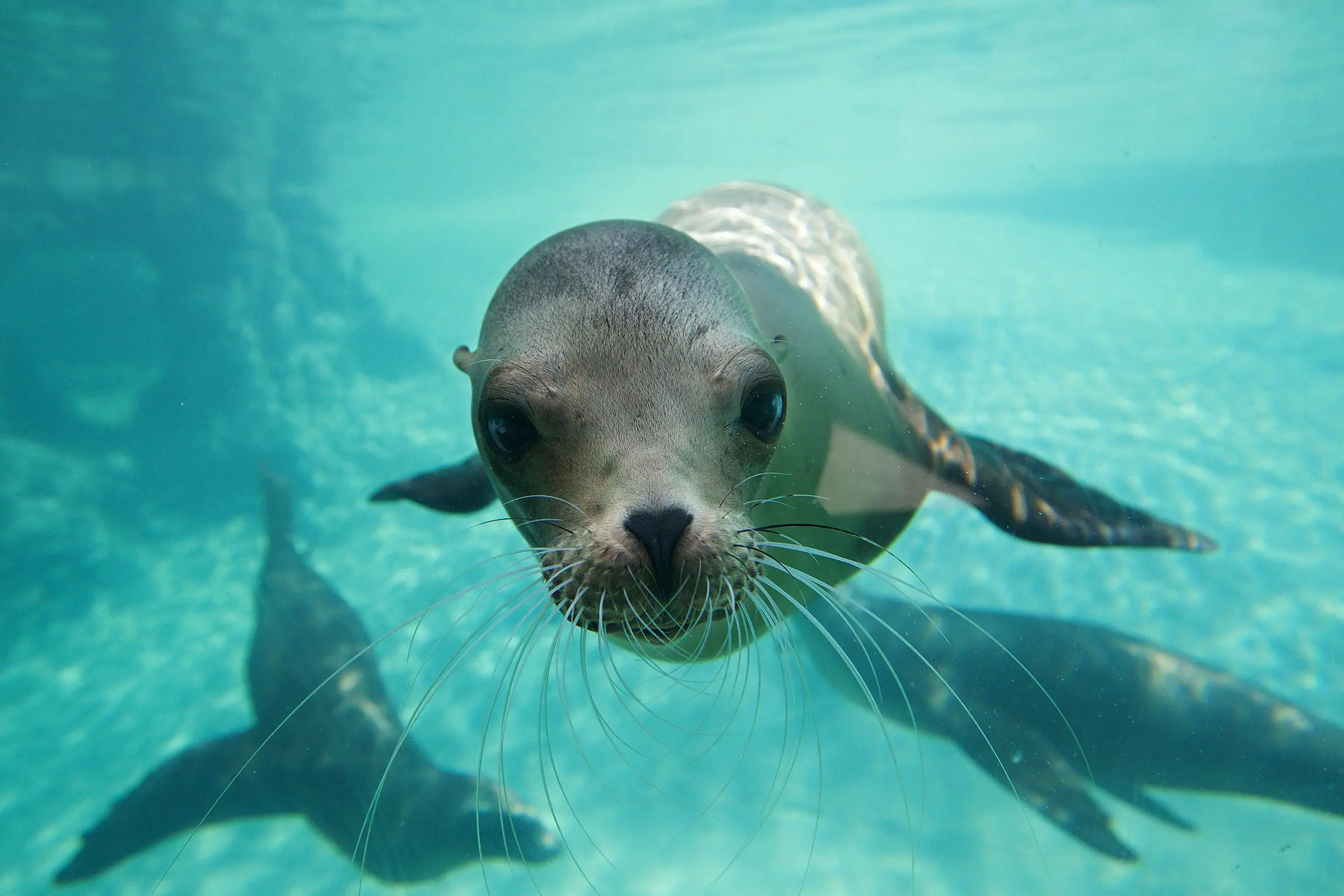
Intelligent and highly social, the California sea lion is recognized by its playful behaviour, loud barking and the prominent sagittal crest that develops on adult males
Species
Mammals
Habitat
Water
Diet
Carnivores
Conservation Status
Least Concern
California sea lion
Zalophus californianus
Irish Name: Mór-rón Calafoirniach
IUCN Status: Least Concern
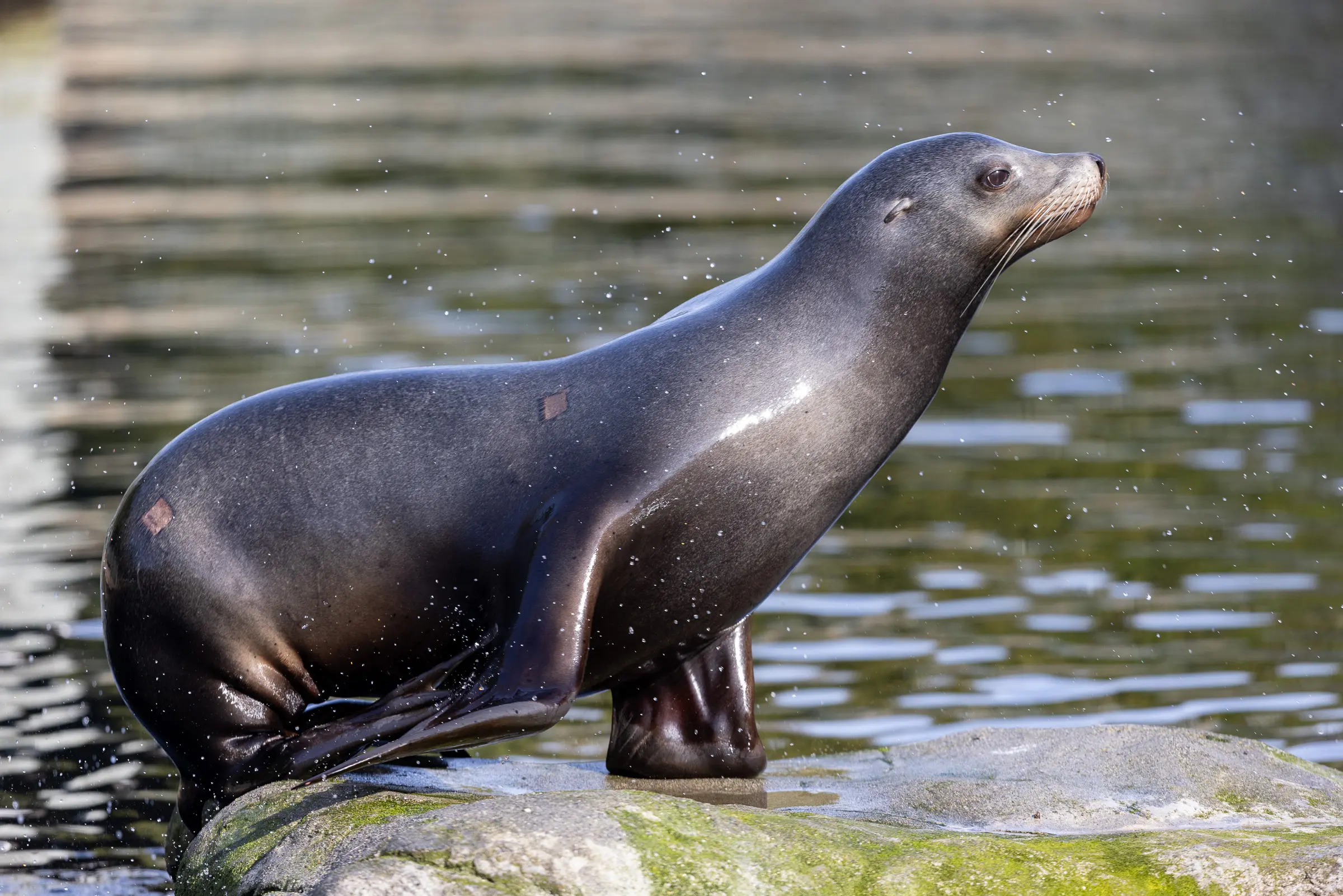
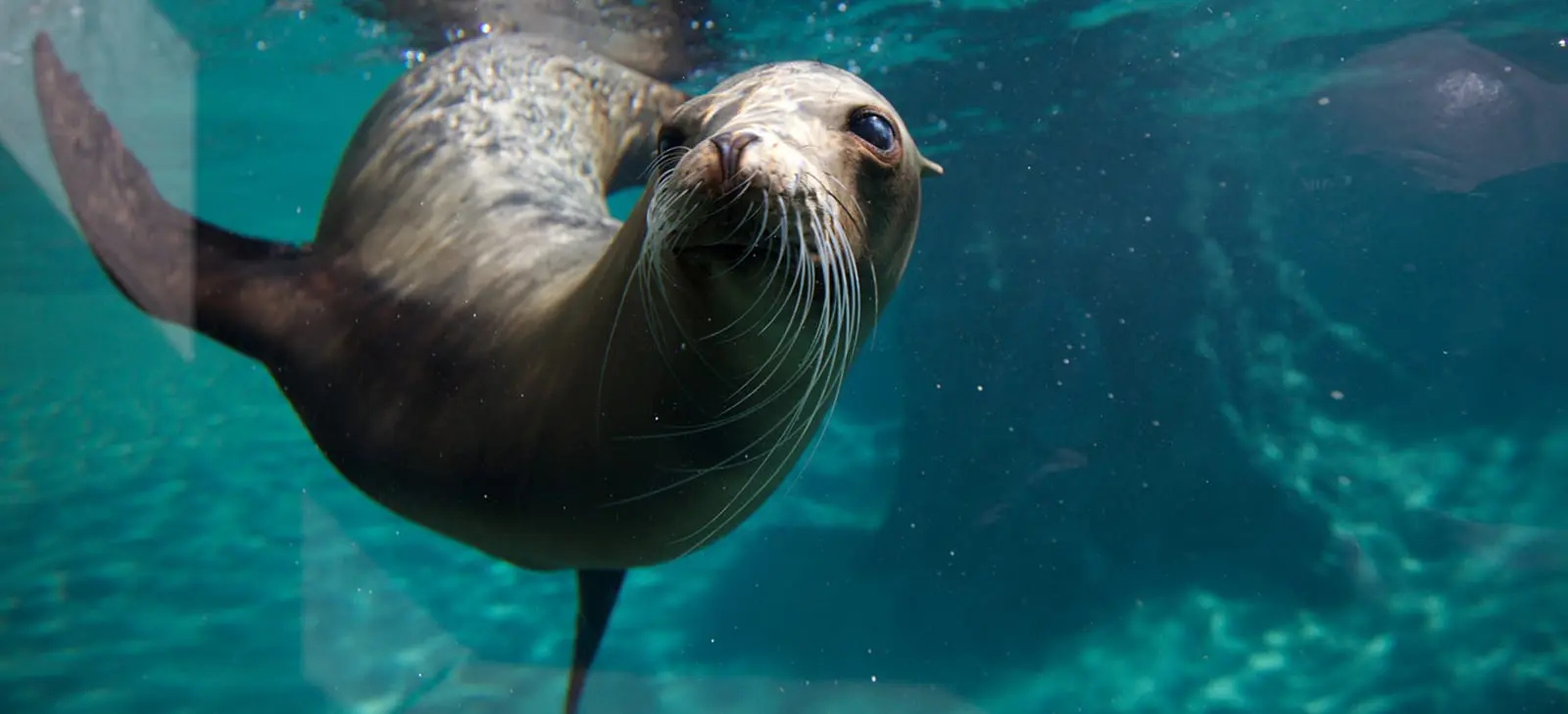
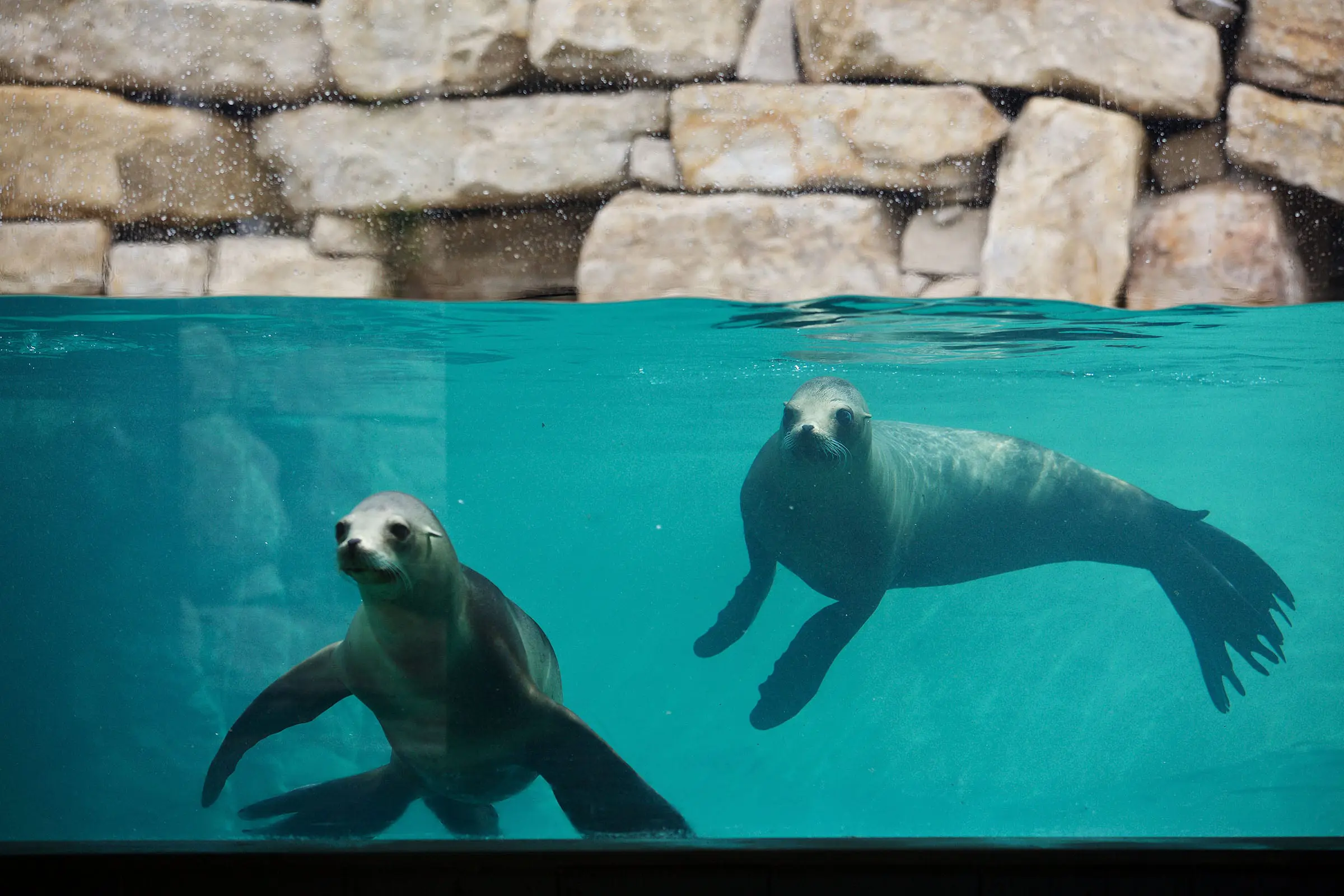
California sea lions are marine mammals that have streamlined bodies and large, powerful flippers. Males are dark brown, while females and young are tan in colour. They spend time in the water and on land. Their flippers can rotate under their bodies to allow them to ‘walk’ on land. California sea lions are excellent swimmers and can swim at a speed of up to 40 km/h.

General Information
Zoo location
Sea Lion Cove
Animal class
Mammalia
Animal order
Carnivora
Where do they live (Natural habitat)?
The California sea lion lives along the western coast of North America, ranging from Canada to Central Mexico. They rarely swim more than 16 km out to sea.
How long do they live?
California sea lions live 15-20 years in the wild and approximately 30 years in zoos.
What do they eat?
California sea lions are carnivores (meat-eaters). They eat different kinds of fish, octopus and squid.
Group name
Colony
Closest related species / sister species
The Galapagos sea lion is the closest relative to the California sea lion.
Check out our sea lion ISL Keeper Talk
Fun Facts!
Sea lion pups at Dublin Zoo
The california sea lion


Family life
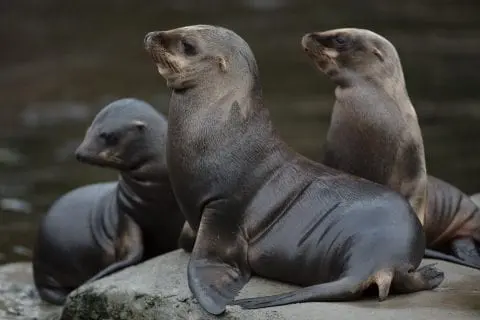
California sea lions live in colonies on rocky shores and are very social. Male California sea lions establish breeding territories that can include up to 14 females. Males are very territorial and defend their territories from other males with loud vocalisations (sounds) and physical displays.
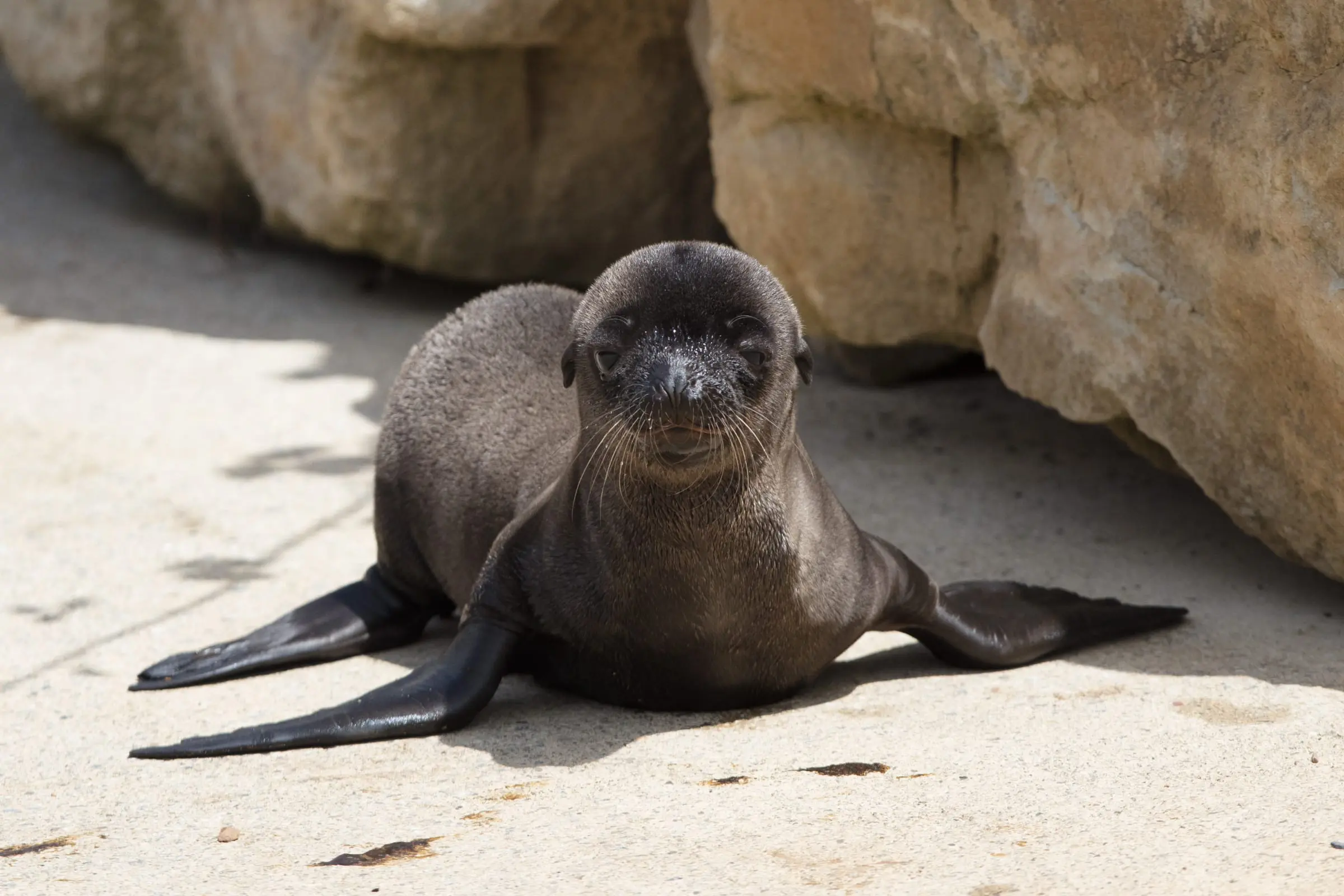
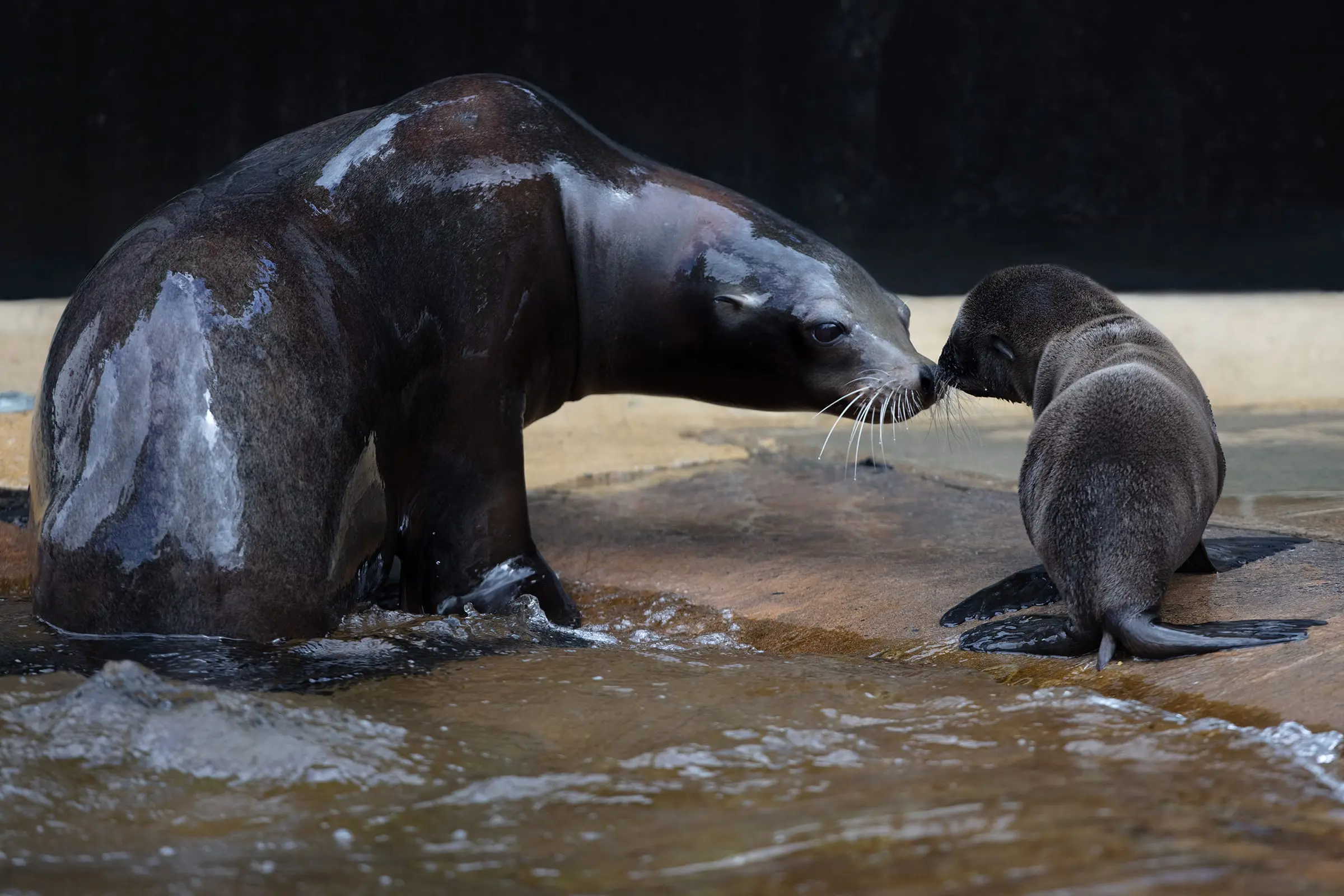
Pups are born on land. While the pup is still nursing, the female leaves the pup on the shore when she travels to look for food in the ocean. She spends a number of days feeding and then returns to her pup to nurse. Pups stay with their mothers for about a year as they learn how to swim and find food.
Baby name
Pup
Gestation (pregnancy) period
Approximately 11 months
Number of young at birth
One
Weight at birth
Approximately 5-6 kg
Age at maturity
4-5 years
Adult size
Adult male California sea lions can weigh up to 390 kg and reach approximately 2.5 m in length. Adult females weigh approximately 110-180 kg and reach approximately 2 m in length.
Conservation
Least Concern
The California sea lion is classified as Least Concern by the International Union for Conservation of Nature (IUCN).
Current population estimate
Approximately 180,000 mature individuals
Threats
California sea lions are threatened by human activities. They may get tangled in fishing nets, eat plastic items in the water, be poisoned by water pollution or get injured by people disturbing them or trying to feed them.
What is Dublin Zoo doing?
Dublin Zoo is part of a breeding programme for California sea lions.
Frequently Asked Questions
California sea lions feed on different types of fish, octopus and squid.
California sea lions are normally not dangerous to humans. However, they do have sharp teeth and, like all wild animals, should not be approached or fed by humans unless trained or authorised to do so.
The California sea lion lives along the western coast of North America, ranging from Canada to Central Mexico. They rarely swim more than 16 km out to sea.
Sea lions are not endangered and have experienced population growth due to gaining protection under the Marine Mammal Protection Act in the US. However, they are still threatened by human activities and may get tangled in fishing nets, eat plastic items in the water or be poisoned by water pollution.
Male California sea lions can weigh up to 390 kg and females weigh approximately 110-180 kg.
California sea lions do not eat penguins.
Male California sea lions can grow to a length of up to 2.5 m and females up to 2 m.
Yes, California sea lions are mammals.
California sea lions are eaten by orcas and sharks in the water. Coyotes and feral dogs may prey on sea lion pups on land.
California sea lions can stay underwater for up to 10 minutes before returning to the surface to breathe.
California sea lions live 15-20 years in the wild and approximately 30 years in zoos.
Seals, sea lions, fur seals and walruses make up a group of marine mammals called pinnipeds. There are many differences between seals and sea lions that can help tell them apart. For example, sea lions can move more quickly on land as they have larger flippers that allow them to ‘walk’ on land. Seals have to move on their bellies. Seals are quieter than sea lions; they only make soft grunts, while sea lions bark loudly. Sea lions have small flaps for outer ears, while seals do not have outer ears. Instead, they have tiny ear holes on the sides of their heads. Seals spend more time in the water than sea lions and live more solitary lives, only coming together to mate.
A group of sea lions is called a colony.
California sea lions communicate using a range of vocalisations (sounds). Their most common one is barking. They do this to warn others in their group about nearby predators, to threaten other males and to call to their pups. Pups will also bark when in distress.
California sea lions can swim at a speed of up to 40 km/h when in pursuit of prey, but they normally swim at 10-15 km/h.
Although they have dog-like faces and can make a barking sound, California sea lions are not closely related to dogs.