Leafcutter ants
Leafcutter ants are a genus of fungus-growing ants, of which there are at least 55 species
Species
Insecta
Habitat
Tropical
Diet
Herbivores
Conservation Status
Least Concern
Leafcutter ants
Atta cephalotes
Irish Name: Seangán duillghearrtha
IUCN Status: Least concern
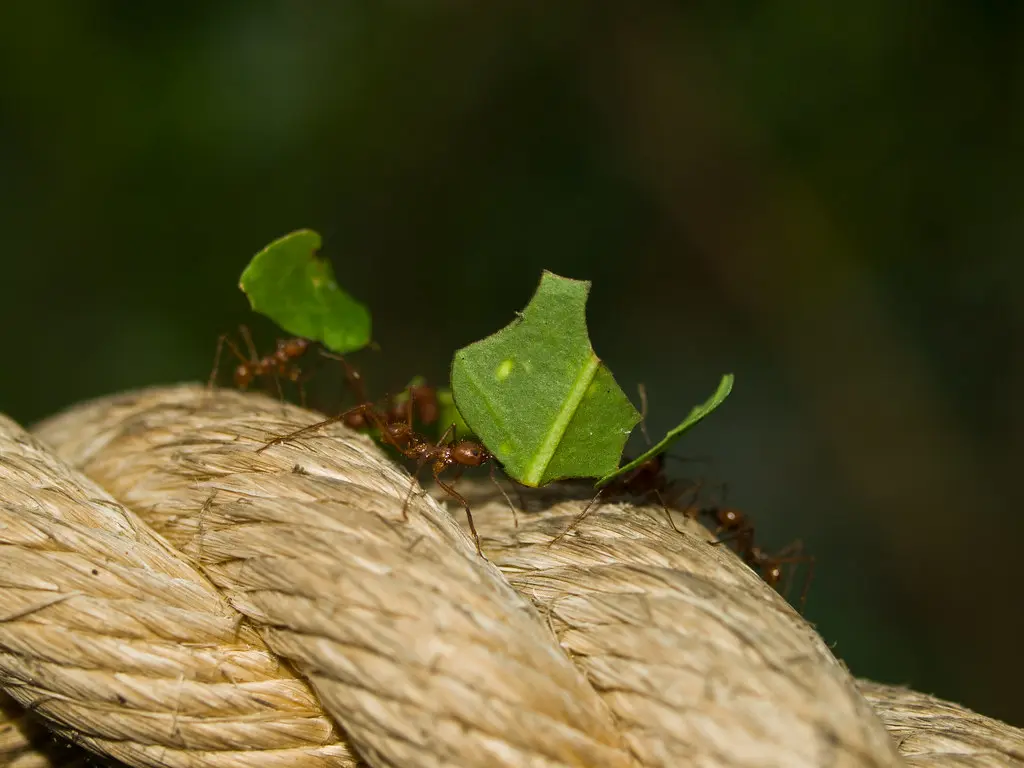
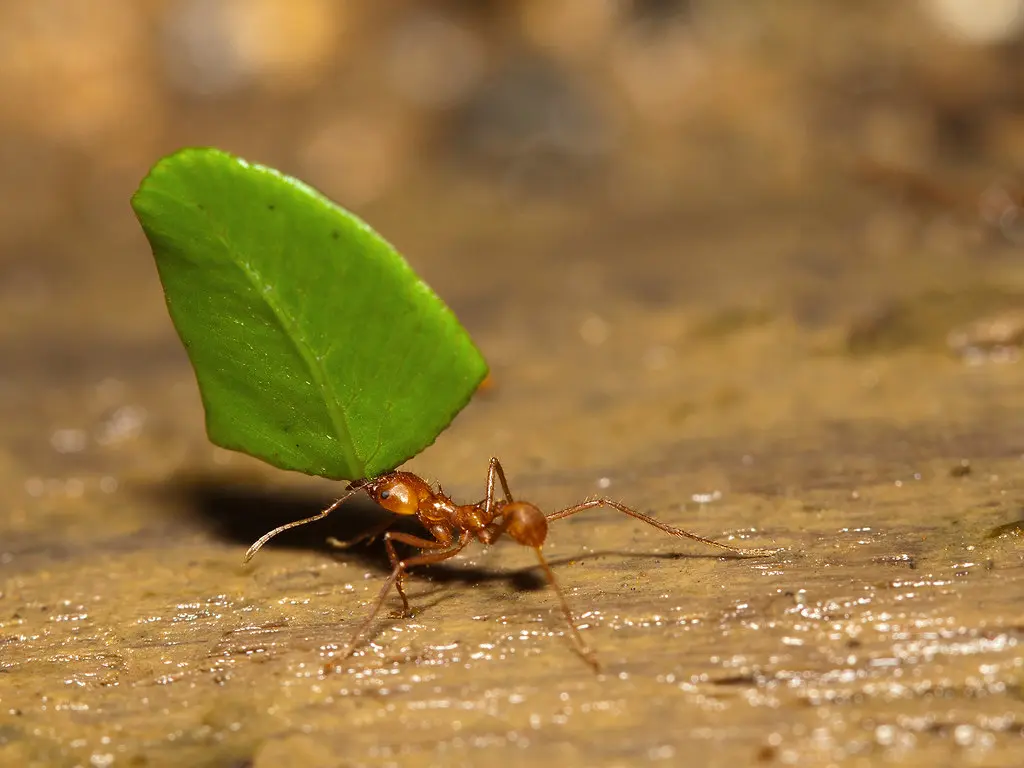
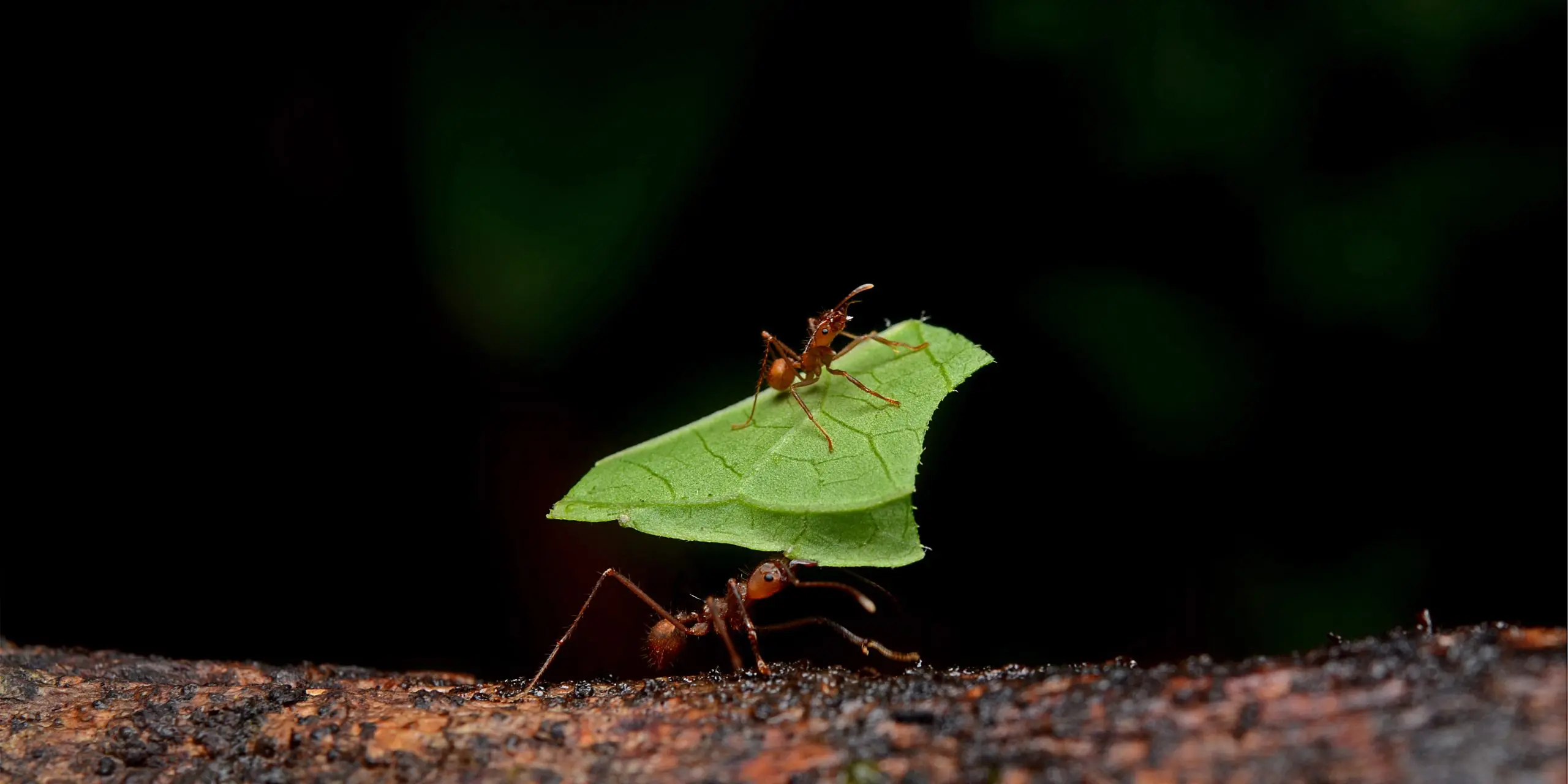
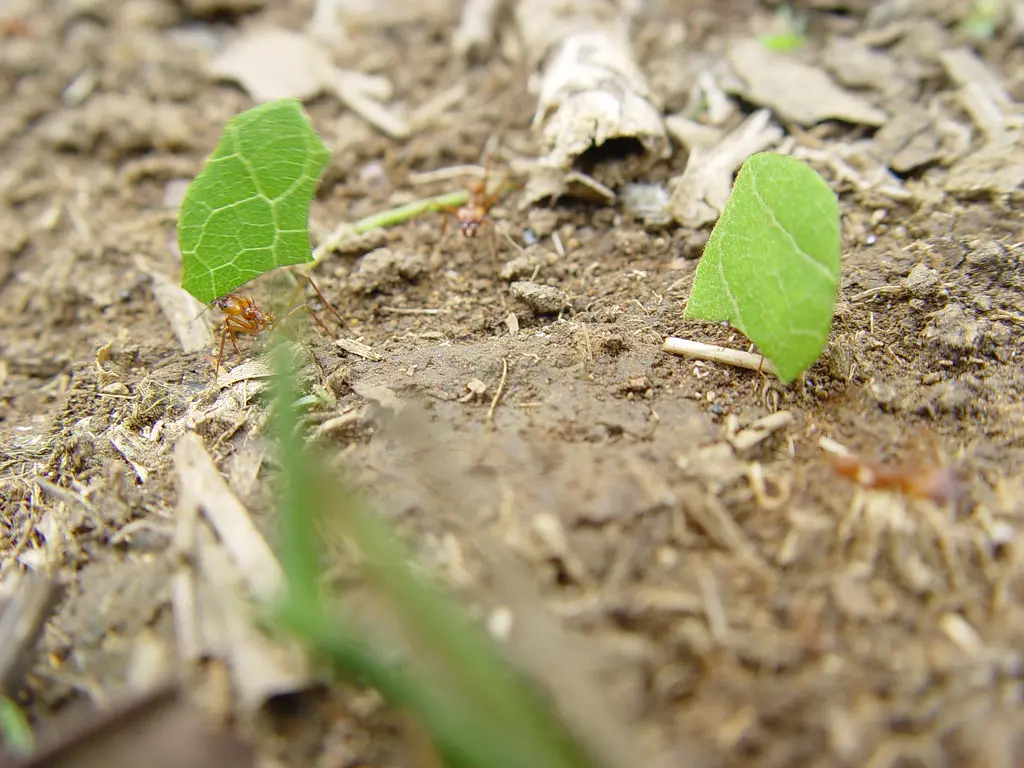
Leafcutter ants are a genus of fungus-growing ants, of which there are at least 55 species. As the name suggests, leafcutter ants cut up leaves and then carry them on their back into their nests to farm fungus.
The ants farm fungi from the group Lepiotaceae which is used to feed the larvae. Most species of leafcutter ants are found in Central and South America, though a few species are known in southern parts of the United States.
General Information
Zoo location
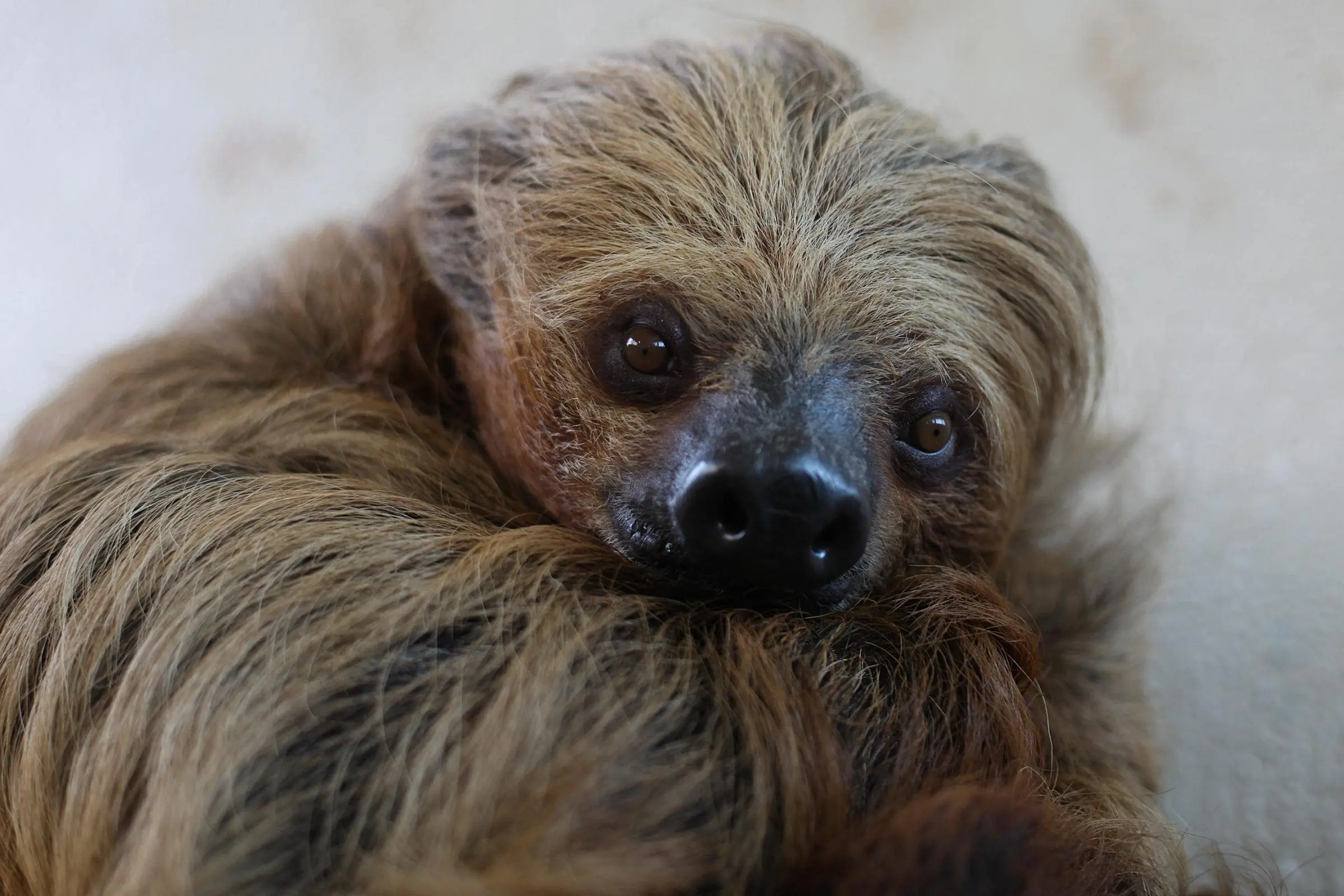
Rainforest House. They live alongside many other rainforest species, including sloths and several monkey species. Be sure to look for the ants crossing the roof of the Rainforest House with pieces of leaves through tubes!
Animal class
Insecta
Animal order
Hymenoptera
Where do they live (Natural habitat)?
Leafcutter ants are found in tropical climates and habitats such as rainforests throughout Central and South America. They appear to prefer disturbed habitats, possibly due to pioneer plant species being available in higher densities.
What do they eat?
They are herbivores. The adults feed on leaf sap, while the larvae feed on fungi from the group Lepiotaceae which is cultivated in the nest. Pioneer plant species appear to be their preferred foods, as these plants are often higher in nutrients.
Group name
A group of ants is referred to as a ‘colony’.
Closest related species / sister species
Leafcutter ants are most closely related to other ant species. Ants are part of the order Hymenoptera, meaning they are most closely related to bees and wasps.
Fun Facts!
Leafcutter ants
Behaviours
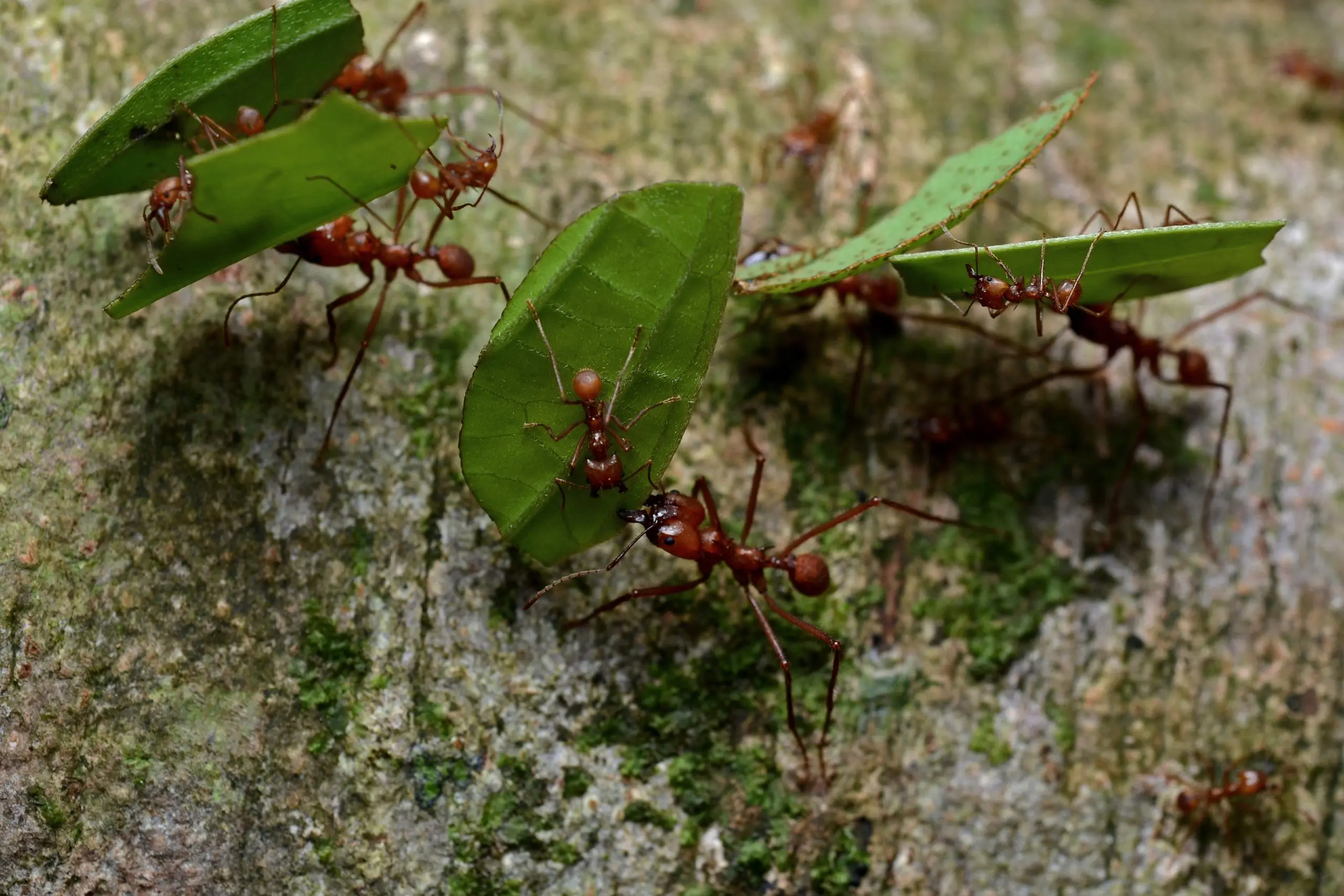
As per their name, leafcutter ants harvest leaf and other plant matter which is then carried back to the nest to feed to fungi. They have a very strong bite force relative to their body size – approximately 2,600 times their body weight – allowing them to make quick and easy work of plants.
The ants’ symbiotic relationship with the fungus is an example of obligate mutualism. The ants rely on the fungus to feed their larvae, and the fungus relies on the ants to provide food for its growth.
Leafcutter colonies are divided into castes, largely based on size, which serve different functions. These castes together form the colony’s “worker” ants:
- Minims are the smallest of the workers, caring for the larvae and tending to the fungus.
- Minors act as the front-line defenders, patrolling foraging columns and lines to protect other workers out foraging for food.
- Mediae are generalist foragers, collecting food for the nest.
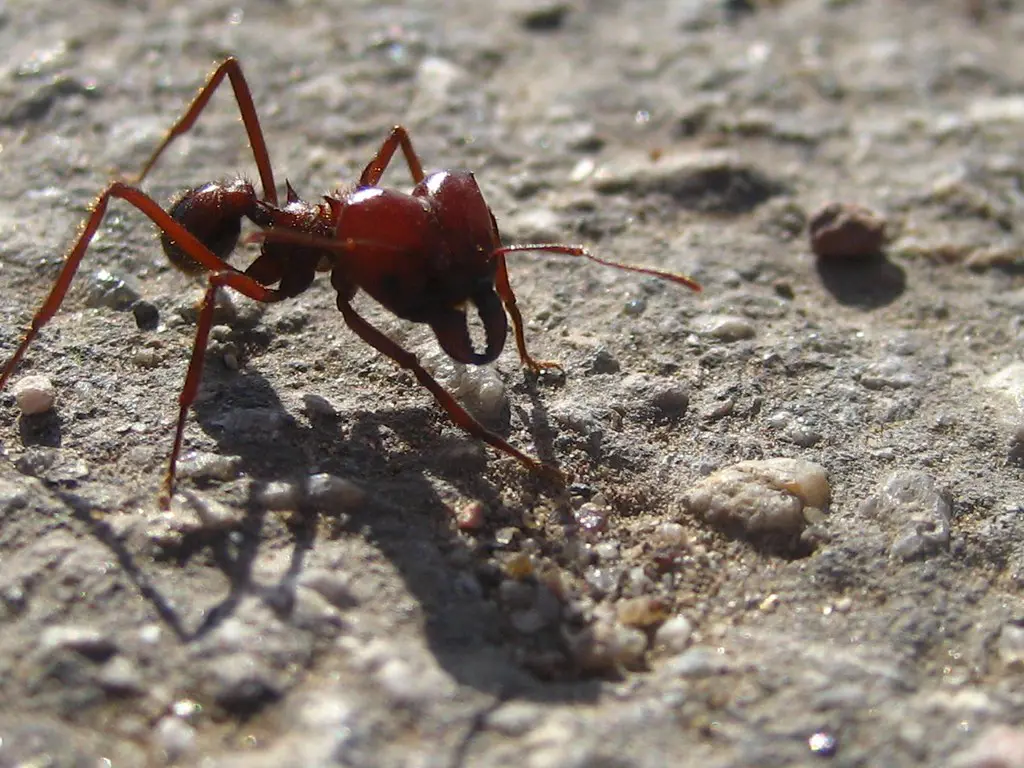
- Majors are the colony’s soldiers and largest of the workers, defending the nest from intruders. They have also been documented participating in other nest-based duties, including clearing foraging trails and carrying larger items back to the nest.
After humans, leafcutter ants form the largest and most complex animal societies. Within just a few years, the central mound of their nests can be up to 30 metres across, with several smaller mounds found within an 80 metre radius of the central mound.
A single ant nest and colony can be comprised of over 3 million individuals.
Reproduction and Life Cycle
Winged males and females will leave the nests they are born in en-masse to form new nests. Females will mate with multiple males in order to be able to establish a colony. Once on the ground, the females lose their wings and begin digging to create their nests. However, less than 3% of females will be successful in establishing a long term colony.
Queen ants will begin setting up the colony’s fungus garden by storing the parental fungus garden mycelium in an infrabuccal pocket in their mouth.
The worker ants are typically sterile females, while fertile males – known as “drones” – mate with the queen.
Adaptations
Leafcutter ants can carry up to 50 times their own body weight.
They communicate with each other using chemicals and by creating vibrations in the ground, known as stridulation.
The ants carry the bacteria Actinomycetoda, which produces antibiotic secretions which help the ants to protect against parasitic fungi such as Escovopsis. Actinomycetoda bacteria are also the source of most antibiotic drugs in modern medicine.
Conservation
Least Concern/Not Listed
Leafcutter ants are not listed on the IUCN Red List of Endangered Species.
Current population estimate
This is likely due to the extreme abundance of ants around the world, estimated at 20 quadrillion (15 zeros!) individuals at any one time.
Threats
While this might currently be the case, ants and other insects are threatened by habitat loss and pollution caused by pesticides and other chemicals. They are also seen as agricultural pests in some regions as they are known to damage crops and even roads through their nest-building activities.
Frequently Asked Questions
Leafcutter ants are found throughout Central and South America in tropical climates, as well as some parts of the southern United States.
Leafcutter ants are herbivores. The larvae feed on fungus, which is farmed by the adults, while the adults themselves feed on leaf sap.
All the worker ants in a colony are female, along with the queen. However, there are also male ants that mate with the queen.
Male and some female leafcutter ants can fly. Those that do leave the nest they are born in to establish new colonies. Once they have established a new colony, they lose their wings.
A symbiotic relationship is one where two organisms interact with each other in a way that benefits at least one of them. Leafcutter ants form a symbiotic relationship with fungus in the group Lepiotaceae.
The ants rely on the fungus to feed their larvae, while the fungus relies on the ants to provide food in the form of plant matter. This form of symbiotic relationship, where both species rely on and benefit from it is called ‘mutualism’.
The leafcutter ants can be found in the Rainforest House at Dublin Zoo.
They live alongside many other rainforest species, including sloths and several monkey species. Be sure to look for the ants crossing the roof of the Rainforest House with pieces of leaves through tubes!