Asian lion
The Asian lion is an endangered subspecies distinguished from its African cousin by a distinctive belly fold and smaller, less developed mane in males
Species
Mammals
Habitat
Forest
Diet
Carnivores
Conservation Status
Endangered
Asian lion
Panthera leo persica
Irish Name: Leon Áiseach
IUCN Status: Endangered
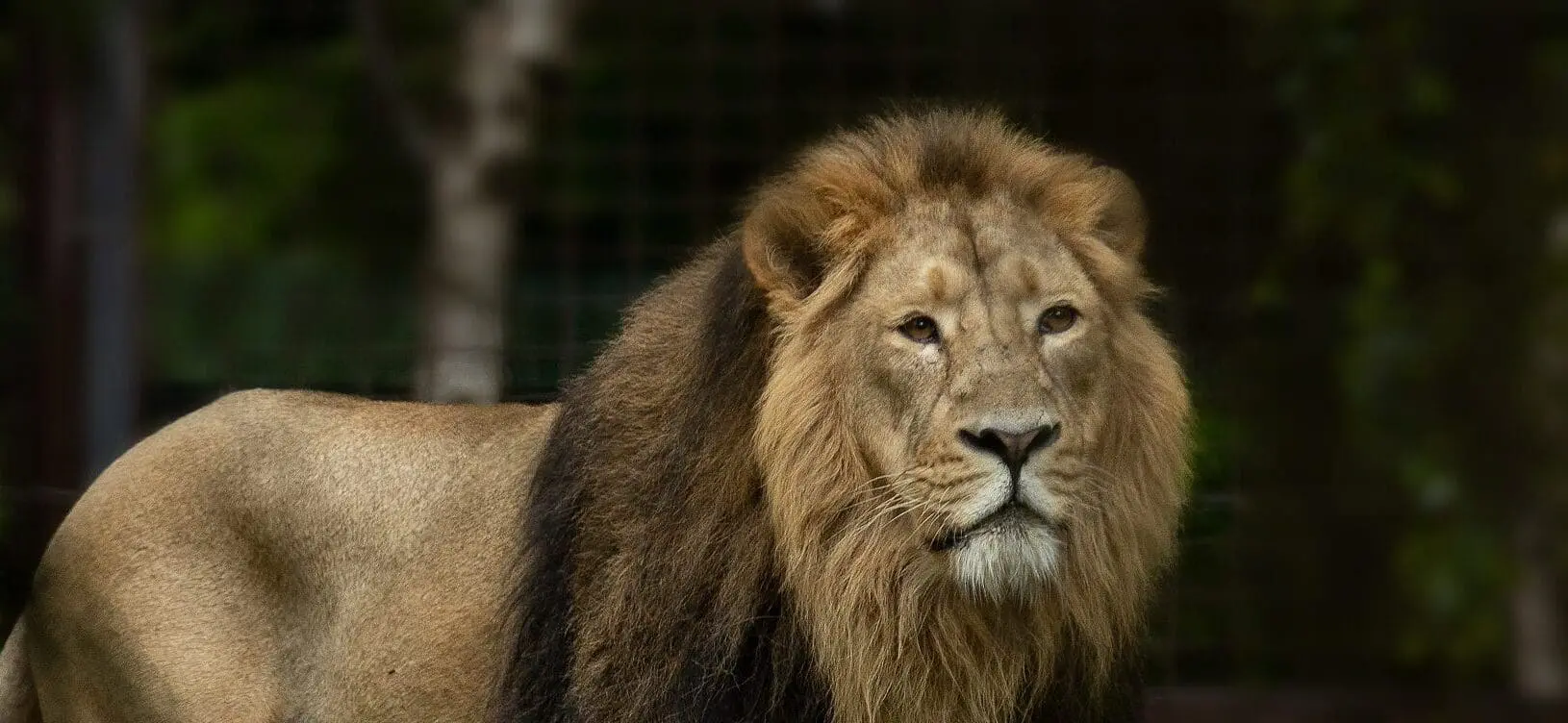
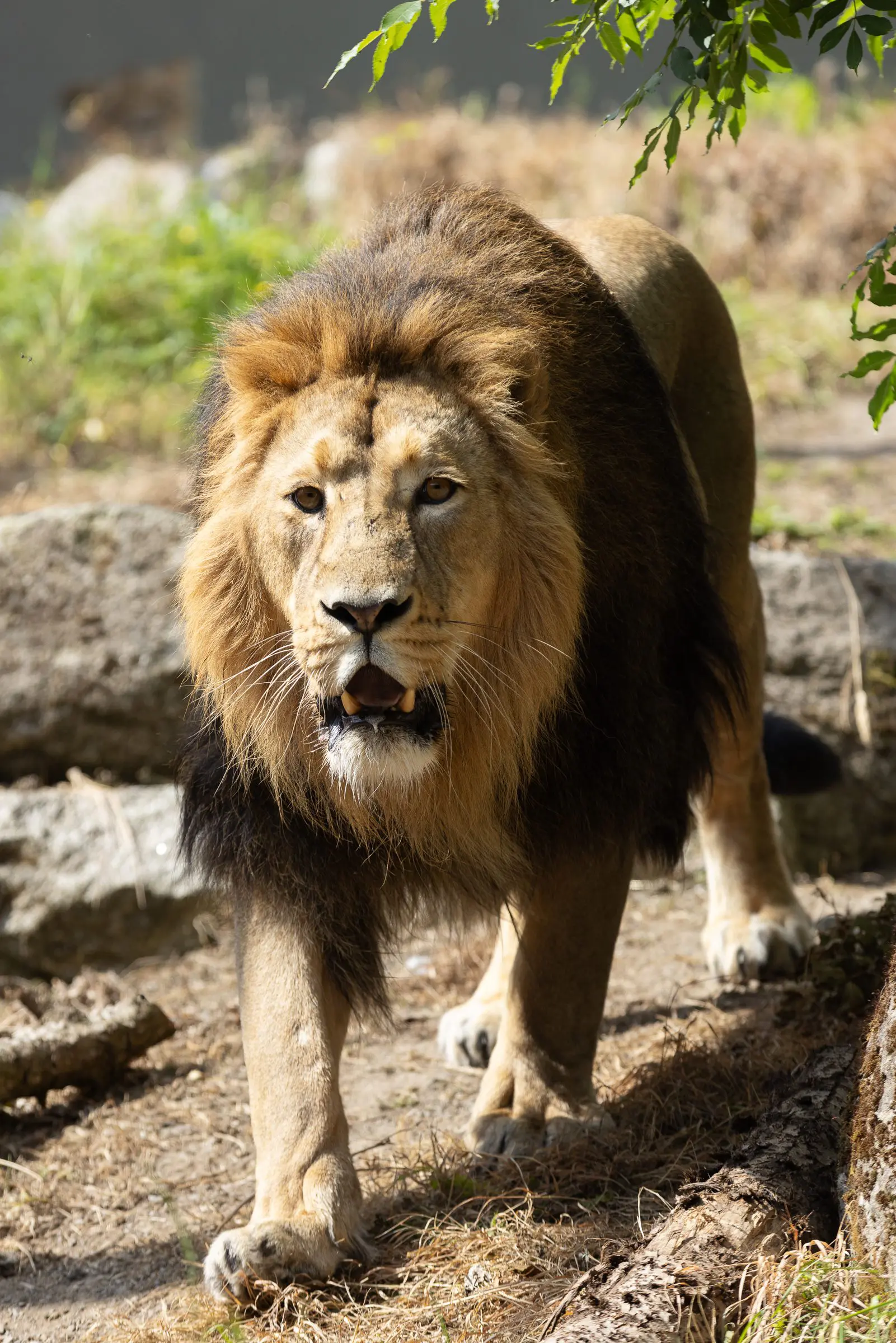
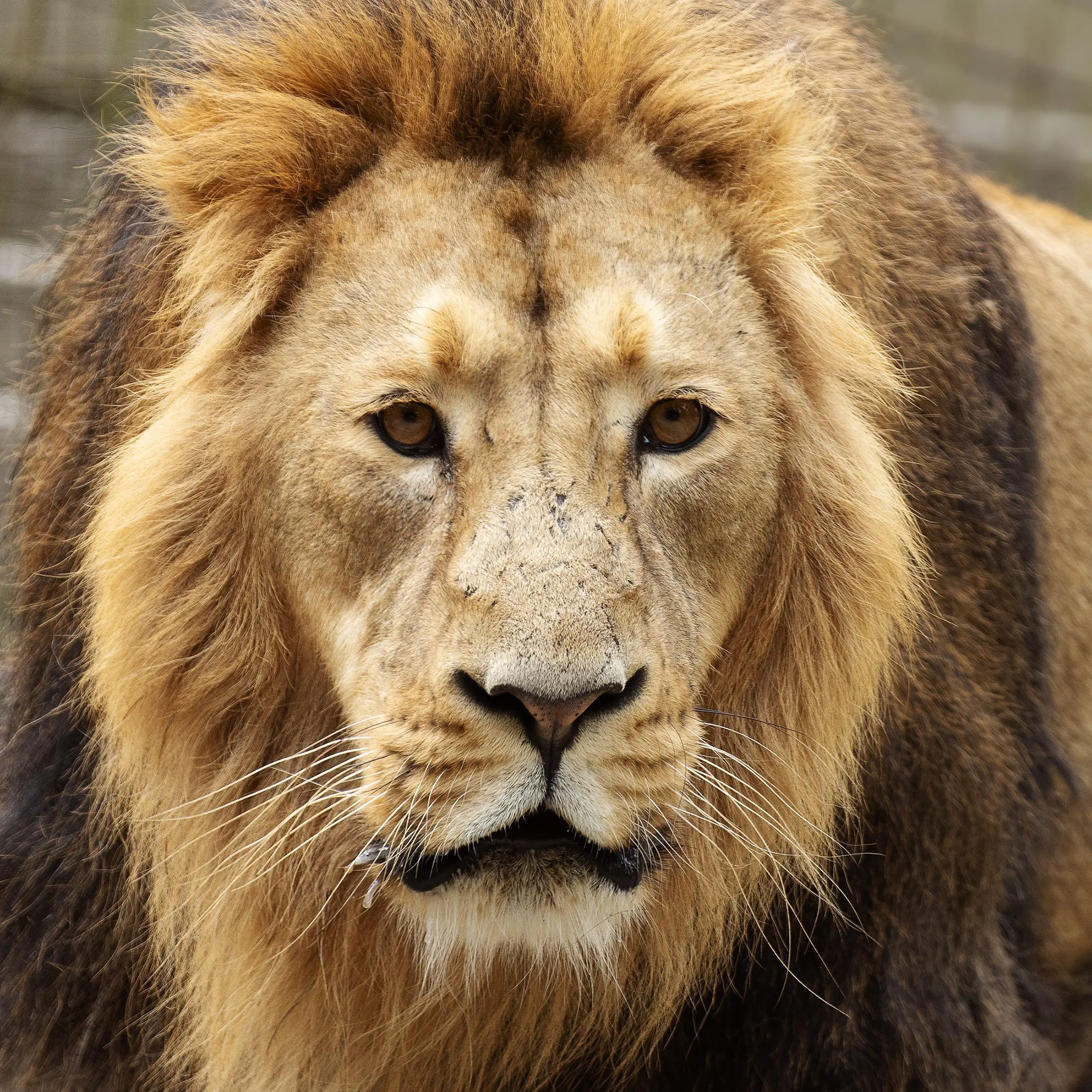
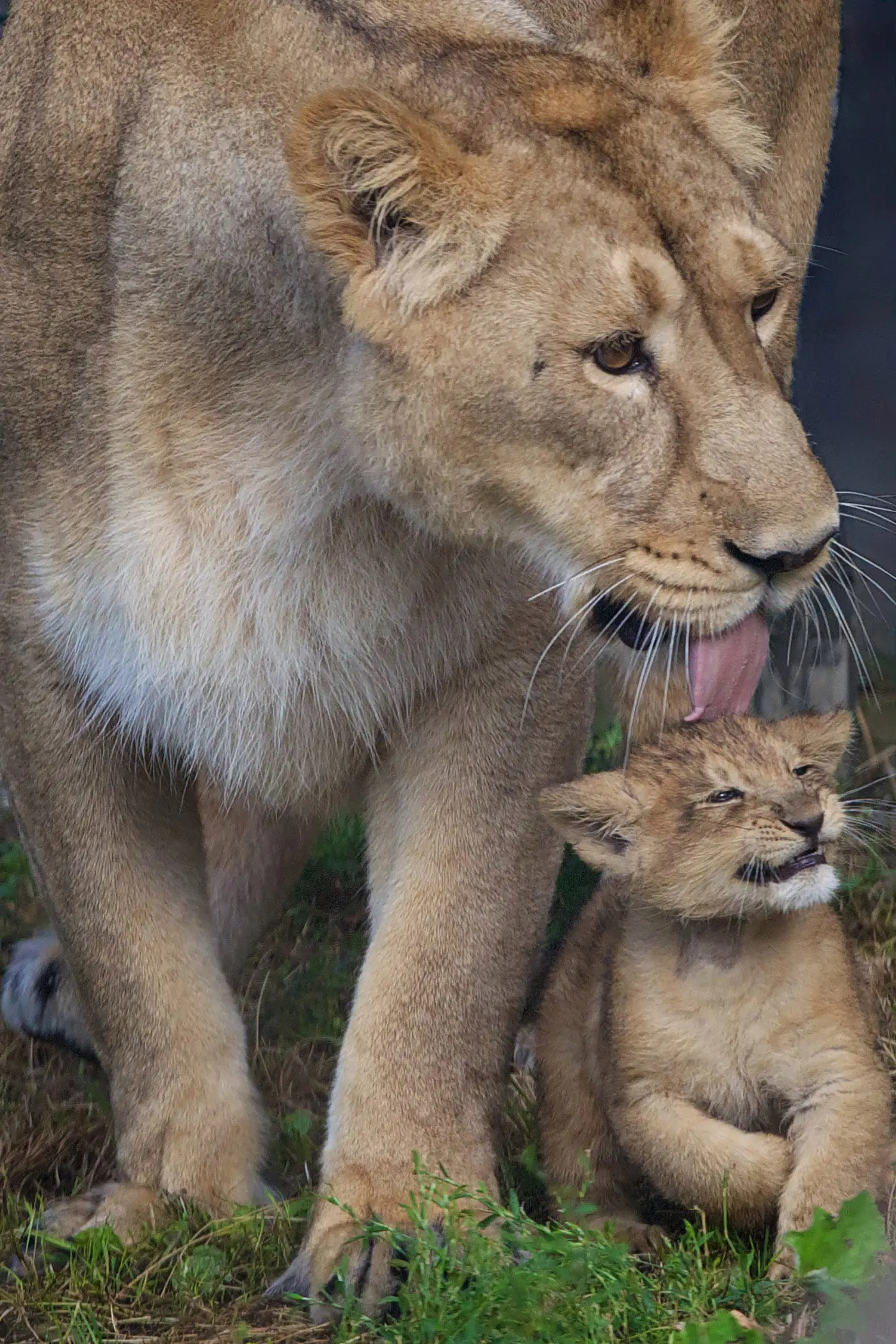
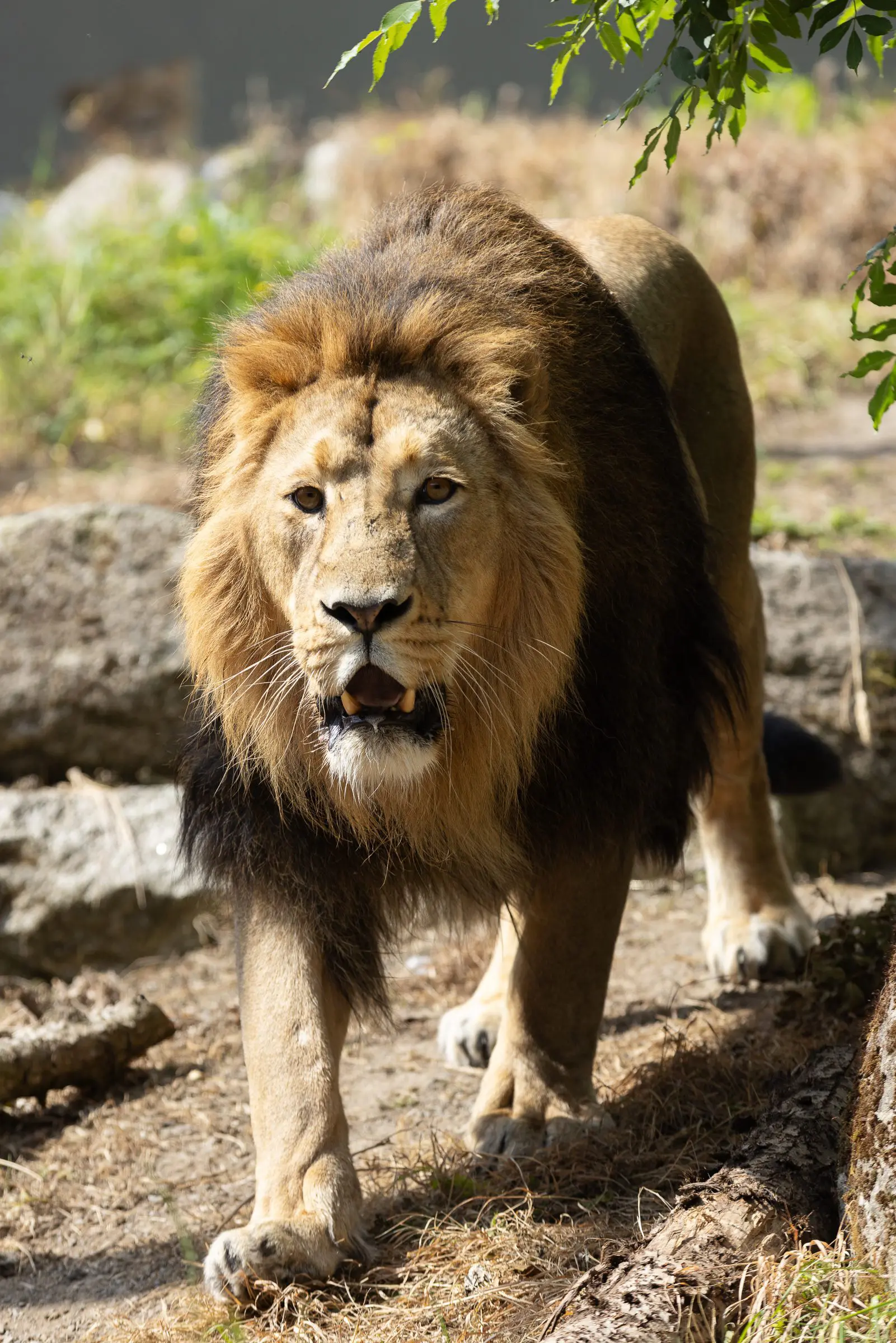
Most people think of lions as an African species. However, there is also a lion subspecies that lives in Asia, the Asian lion. The Asian lion’s fur ranges from pale brown to grey in colour. Like all cats, they have powerful retractable claws and long, sharp canine teeth.
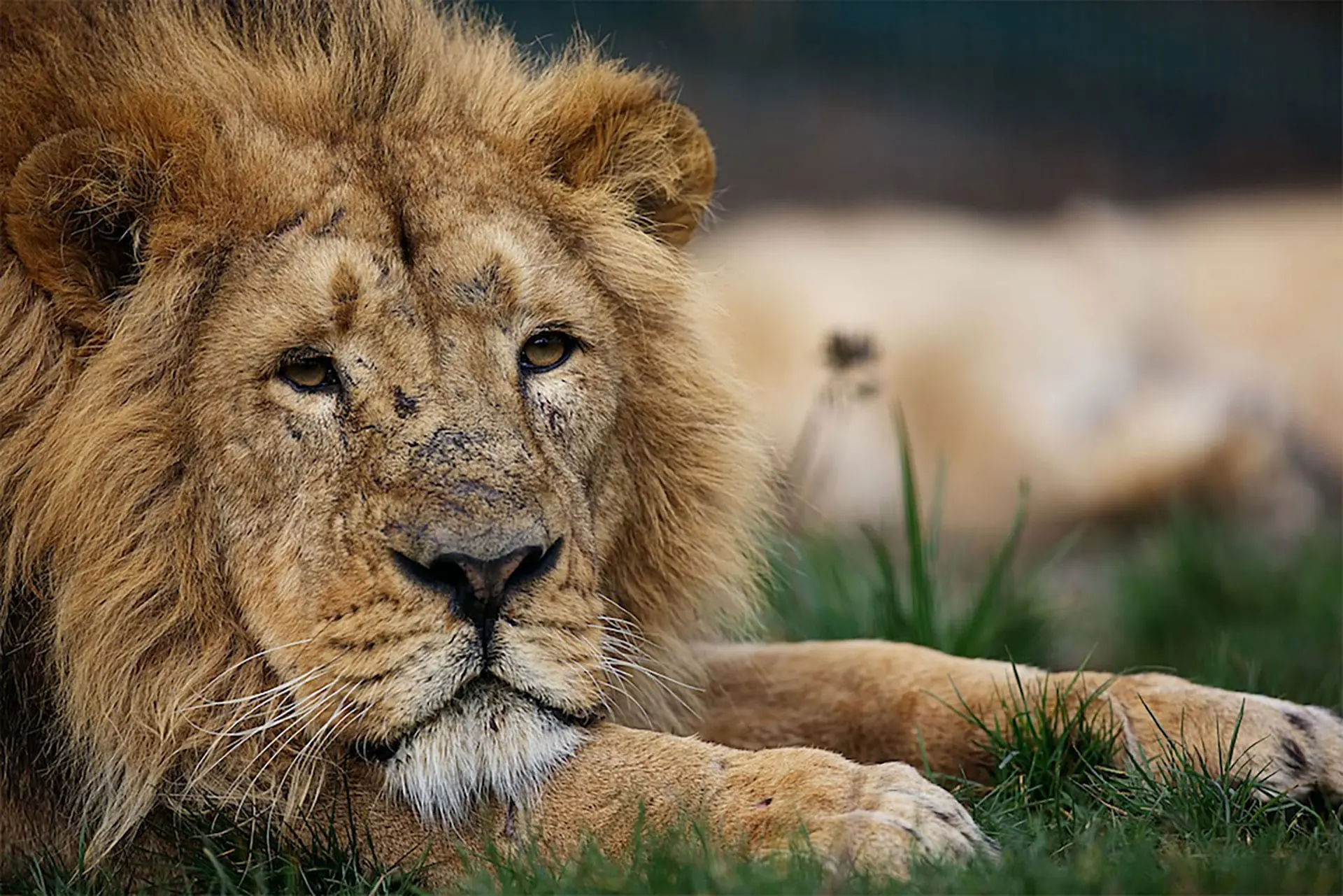
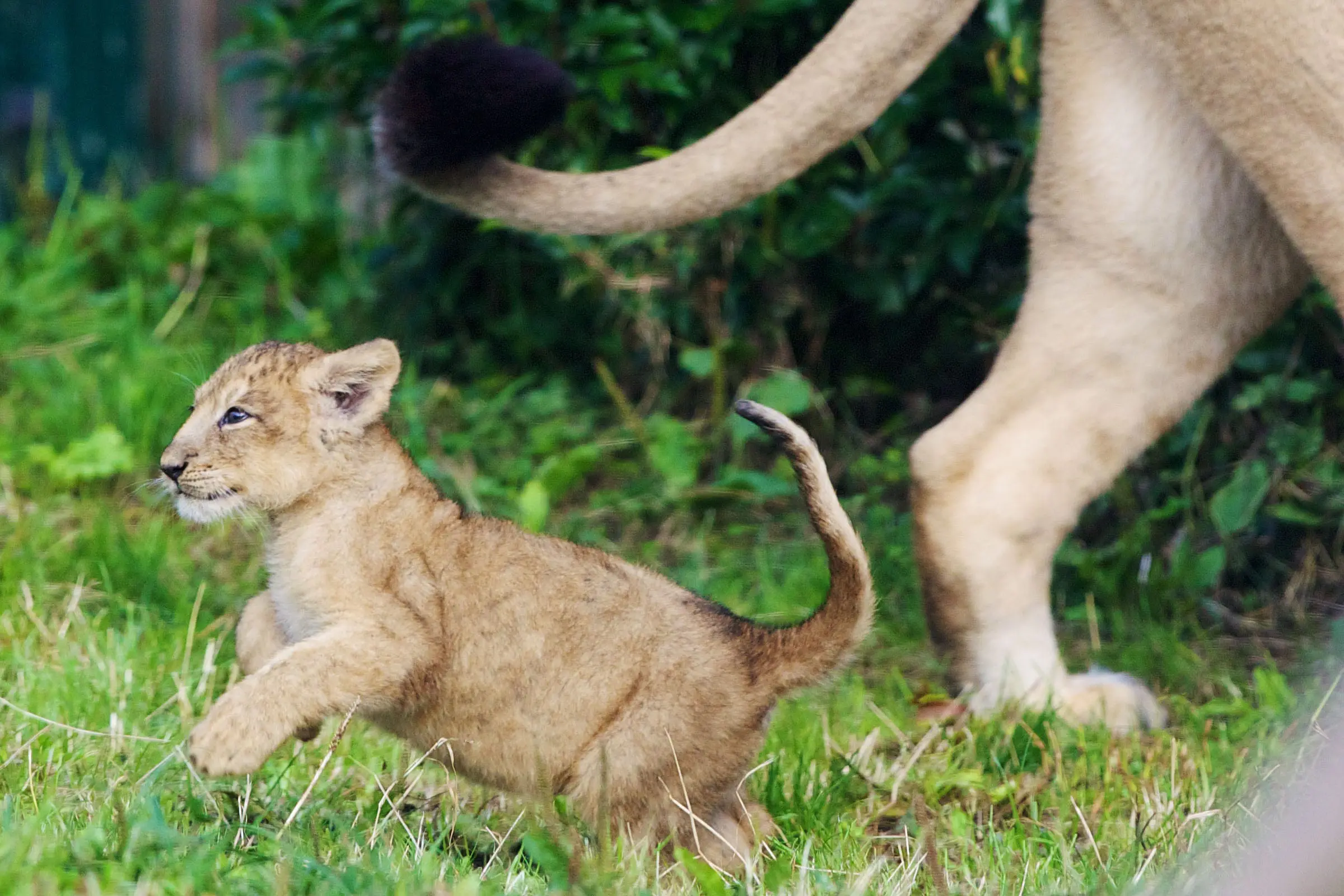
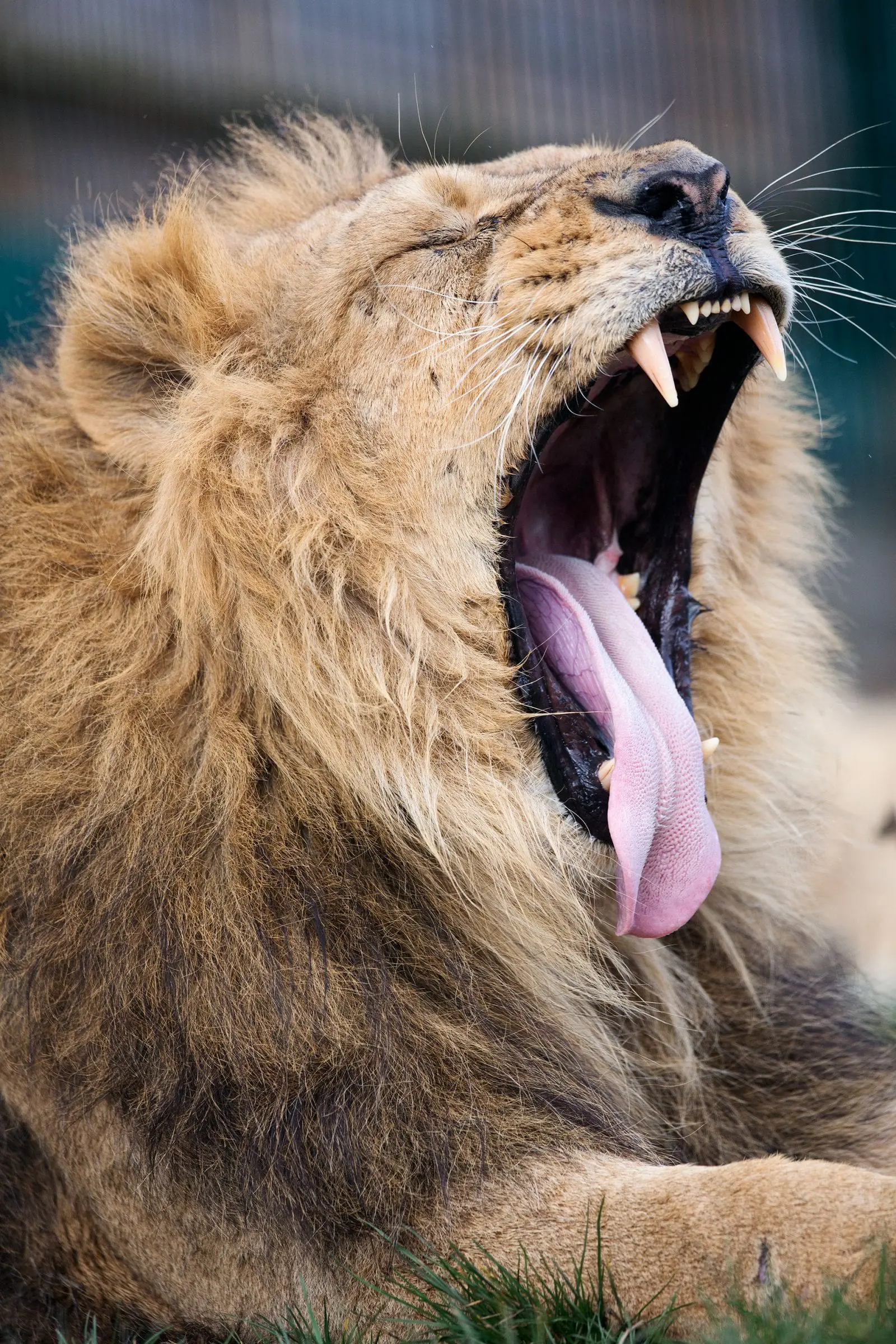
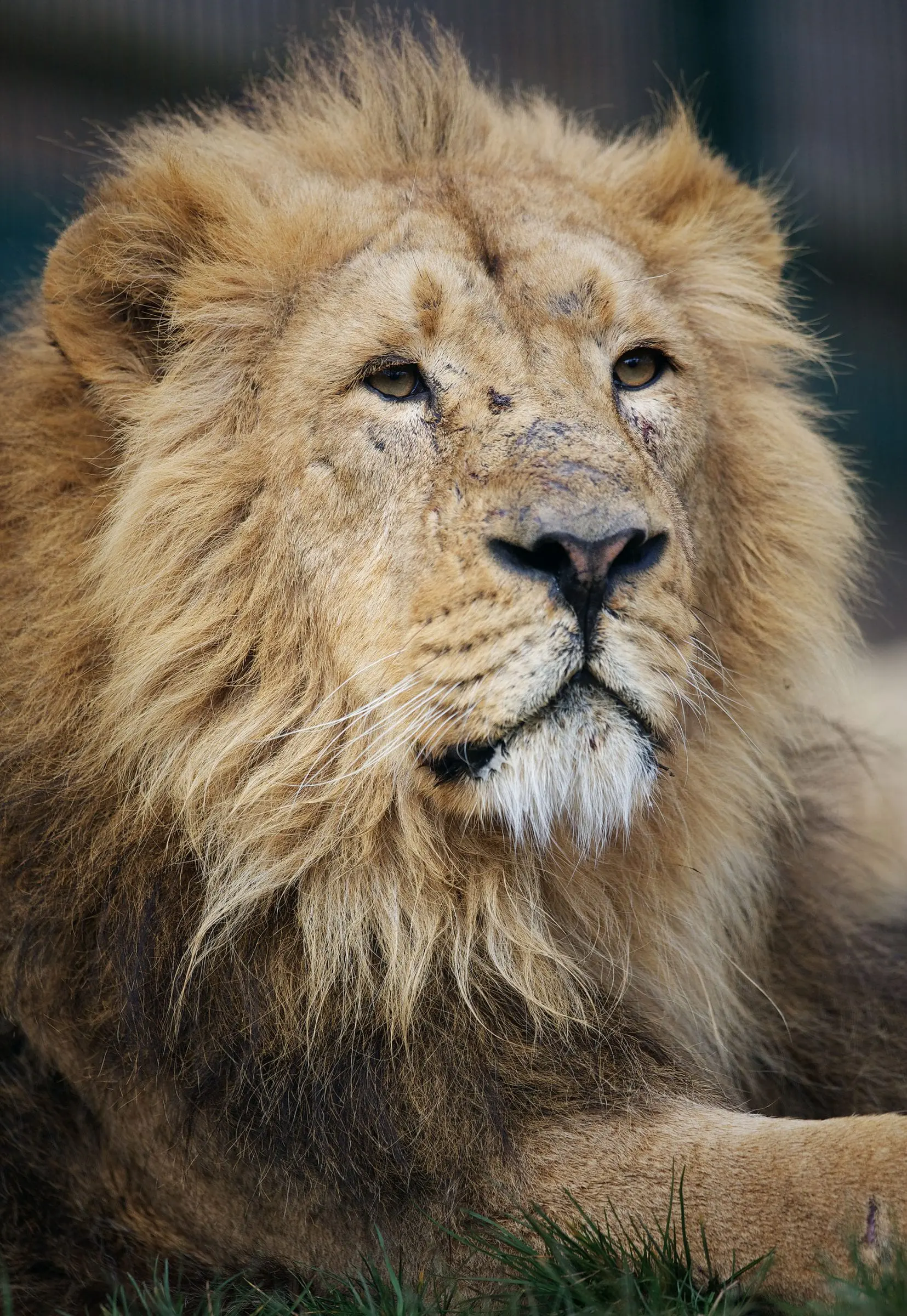
Asian lions are smaller than African lions. They have thicker coats, and the males have shorter, darker manes. The tassel on the end of the Asian lion’s tail is longer than that of the African lion. One of the most notable features of the Asian lion is the fold of skin that runs along its belly. African lions do not have this.
General Information
Zoo location
Asian Forests
Animal class
Mammalia
Animal order
Carnivora
Where do they live (Natural habitat)?
Today, Asian lions live in only one place in the wild, the Gir National Park and Sanctuary in India. There, they live in dry deciduous forests and scrublands. The park was set up in 1965 to protect the lions.
How long do they live?
Asian lions live 16-18 years in the wild and up to 24 years in zoos.
What do they eat?
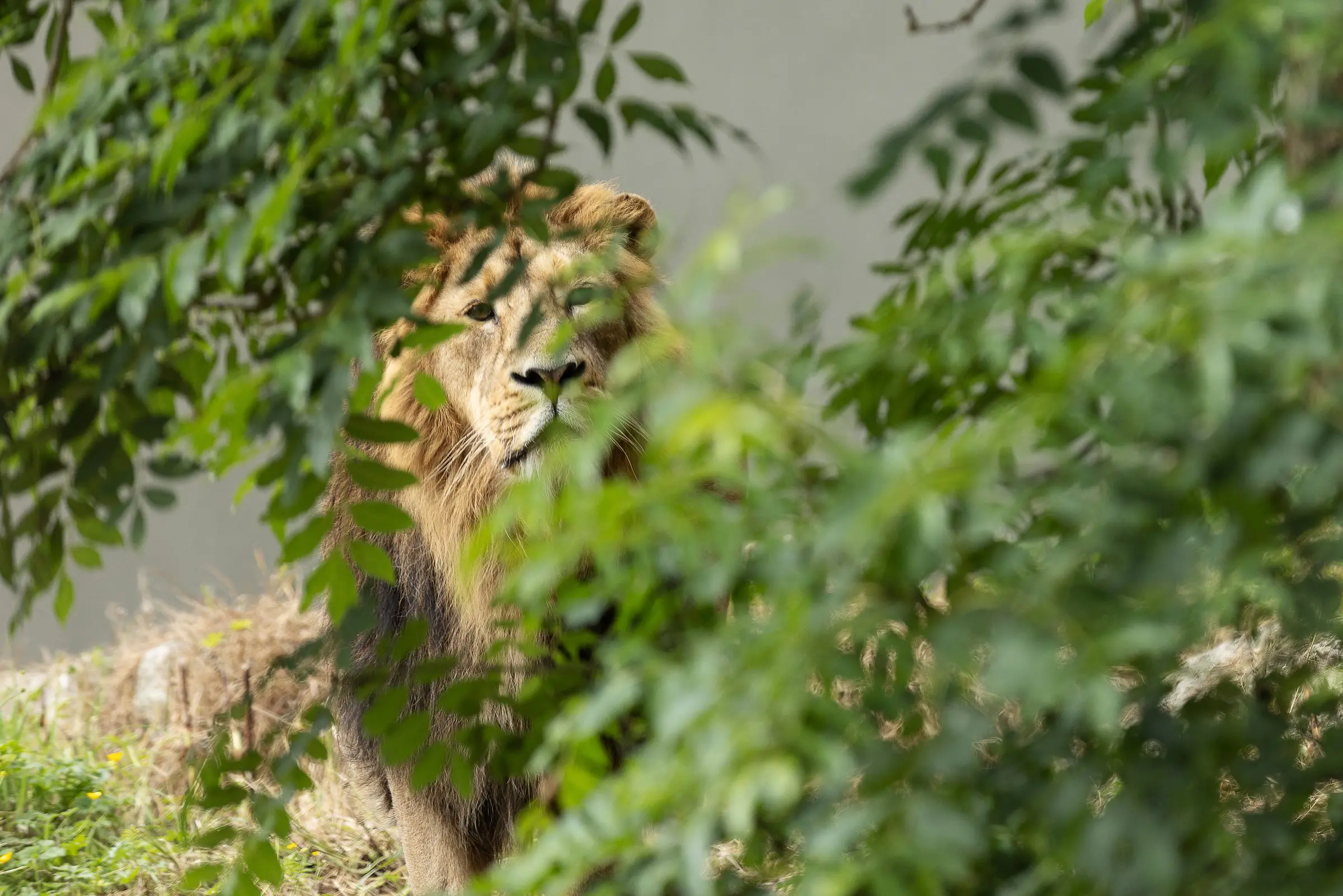
Asian lions are carnivores (meat-eaters). They eat antelope, wild boar, buffalo and small deer. They are ambush predators; they hide from their prey and then charge at it, grabbing their prey before it runs away. Hunting mostly takes place at night.
Group name
Pride
Closest related species / sister species
The closest relative of the Asian lion is the other subspecies of lion, the African lion.
Check out our Asian lion ISL Keeper Talk
Fun Facts!
The Asian lion
Family life
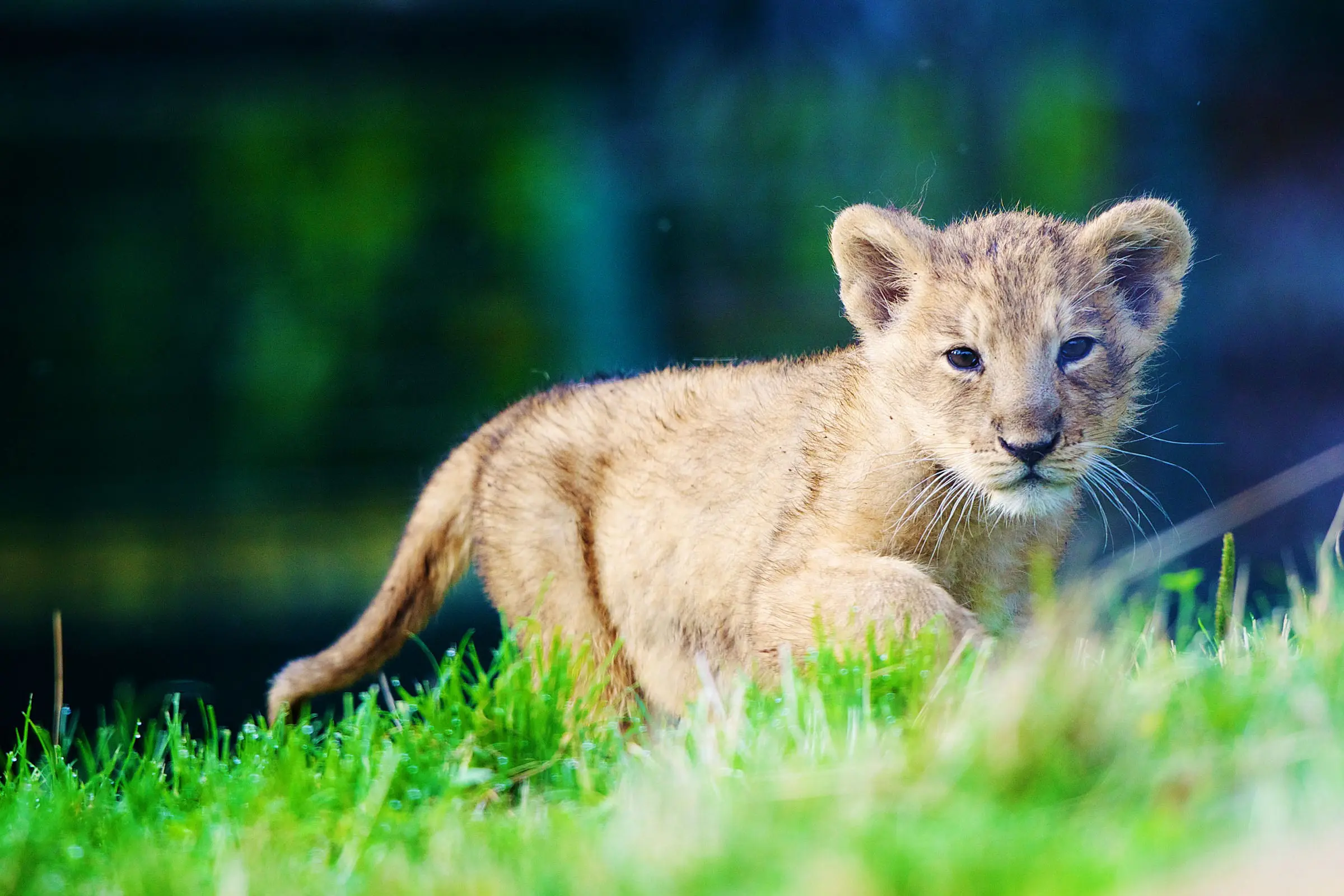
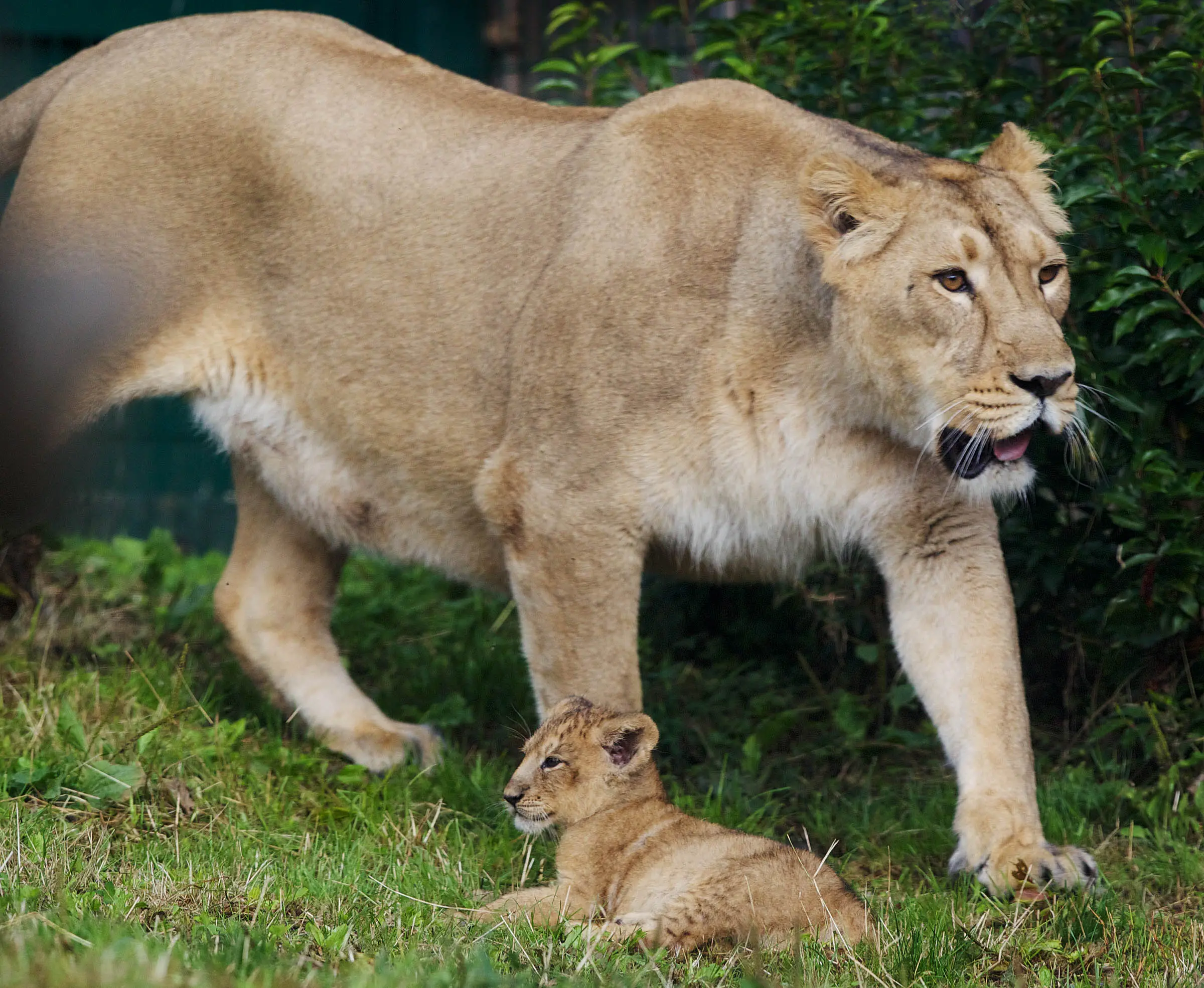
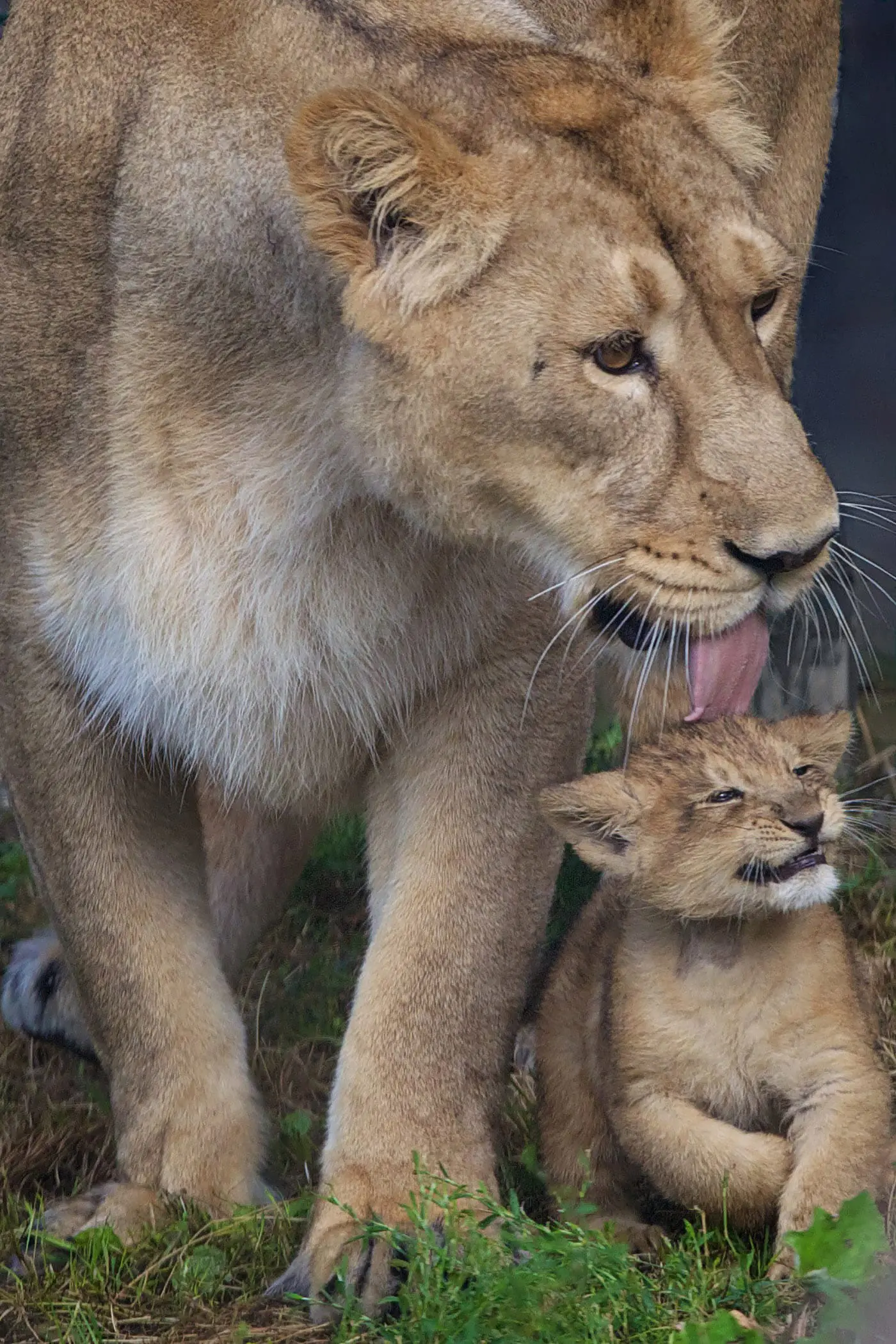
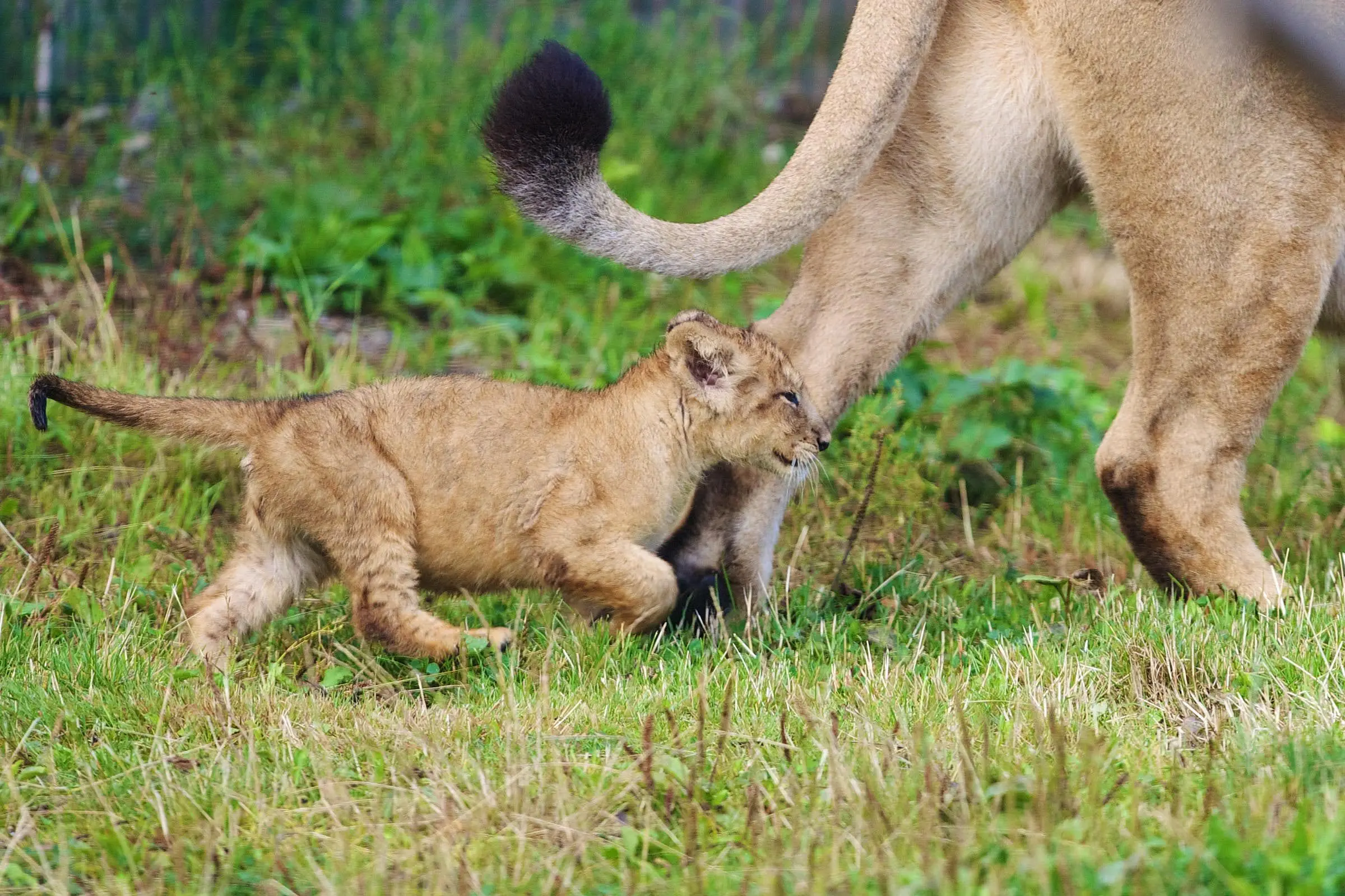
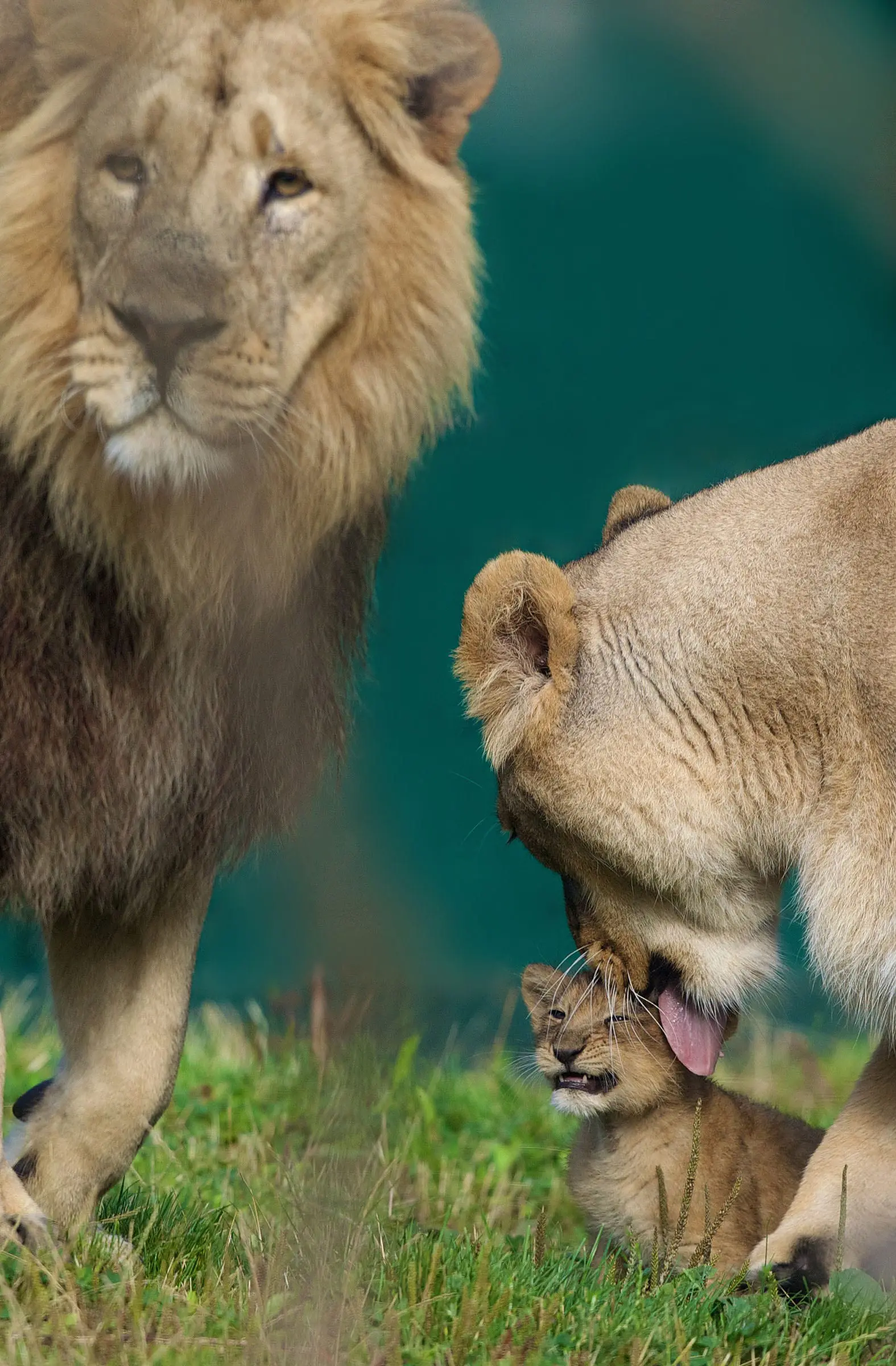
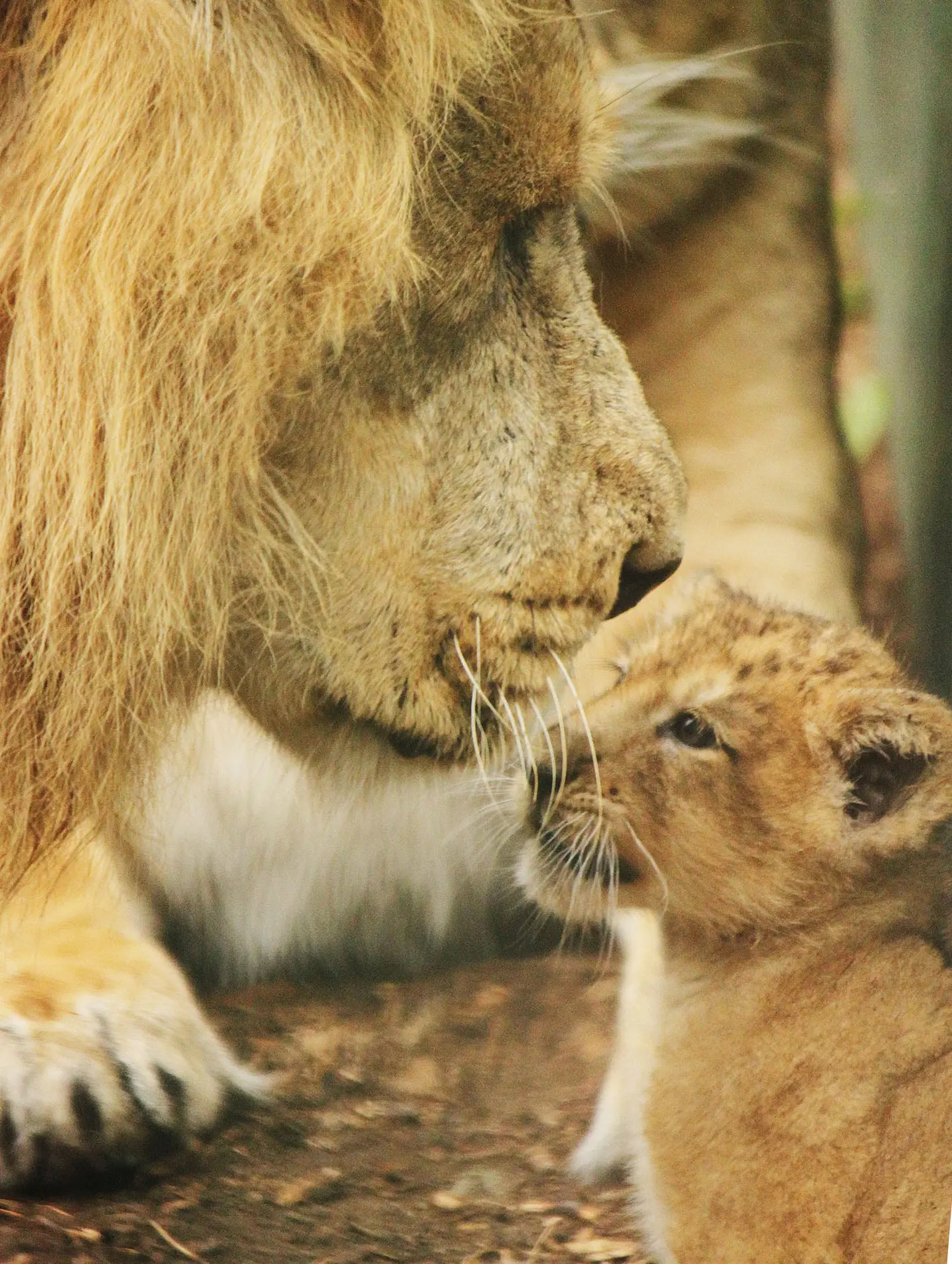
Asian lions are social and live in a family group called a pride. They are the only cats that live in groups. The pride is made up of closely related females and their young. The adult male is more solitary and mixes with the pride for breeding and feeding after a hunt. Young males eventually leave the pride to establish their own prides.
Baby name
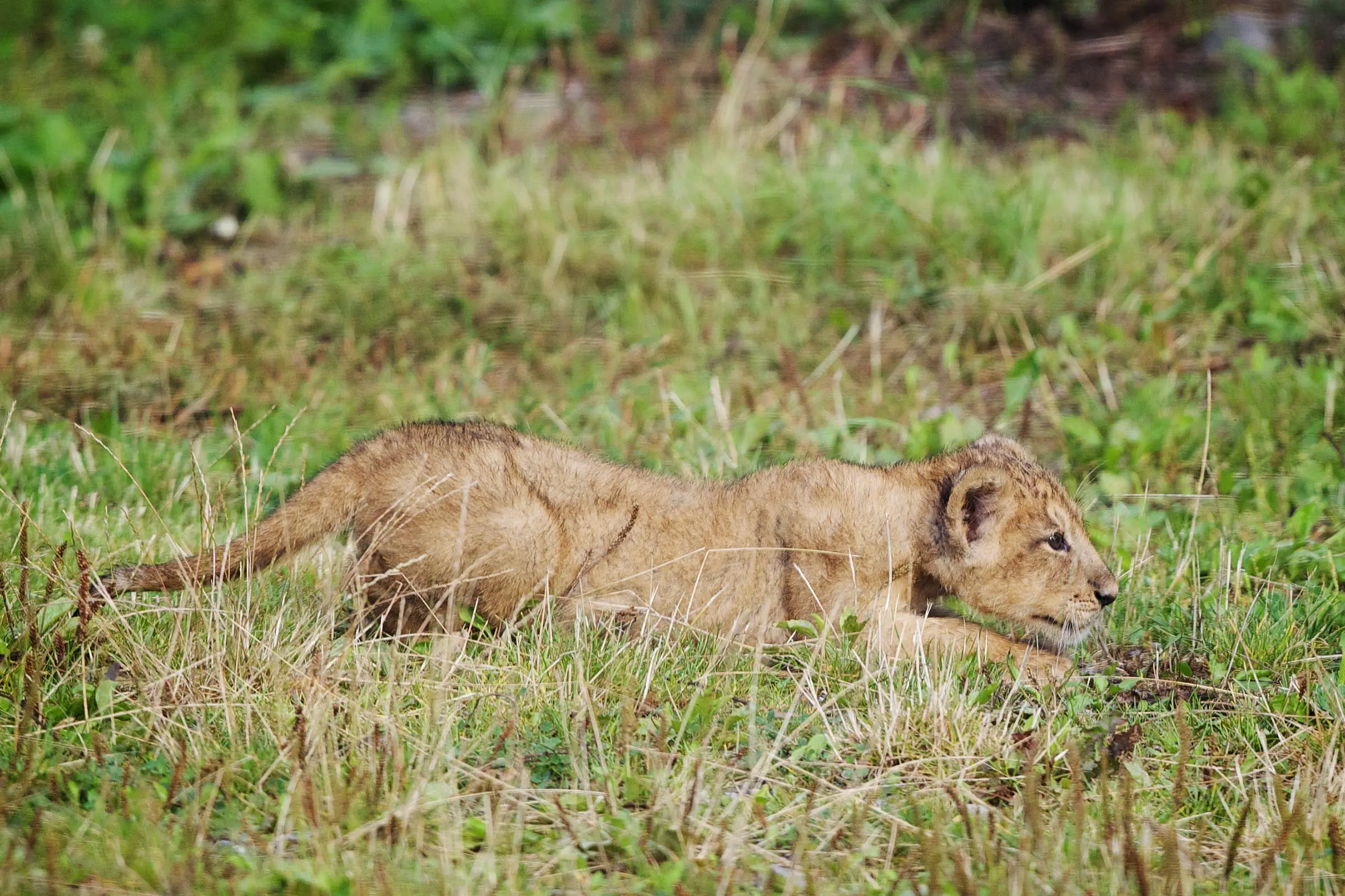
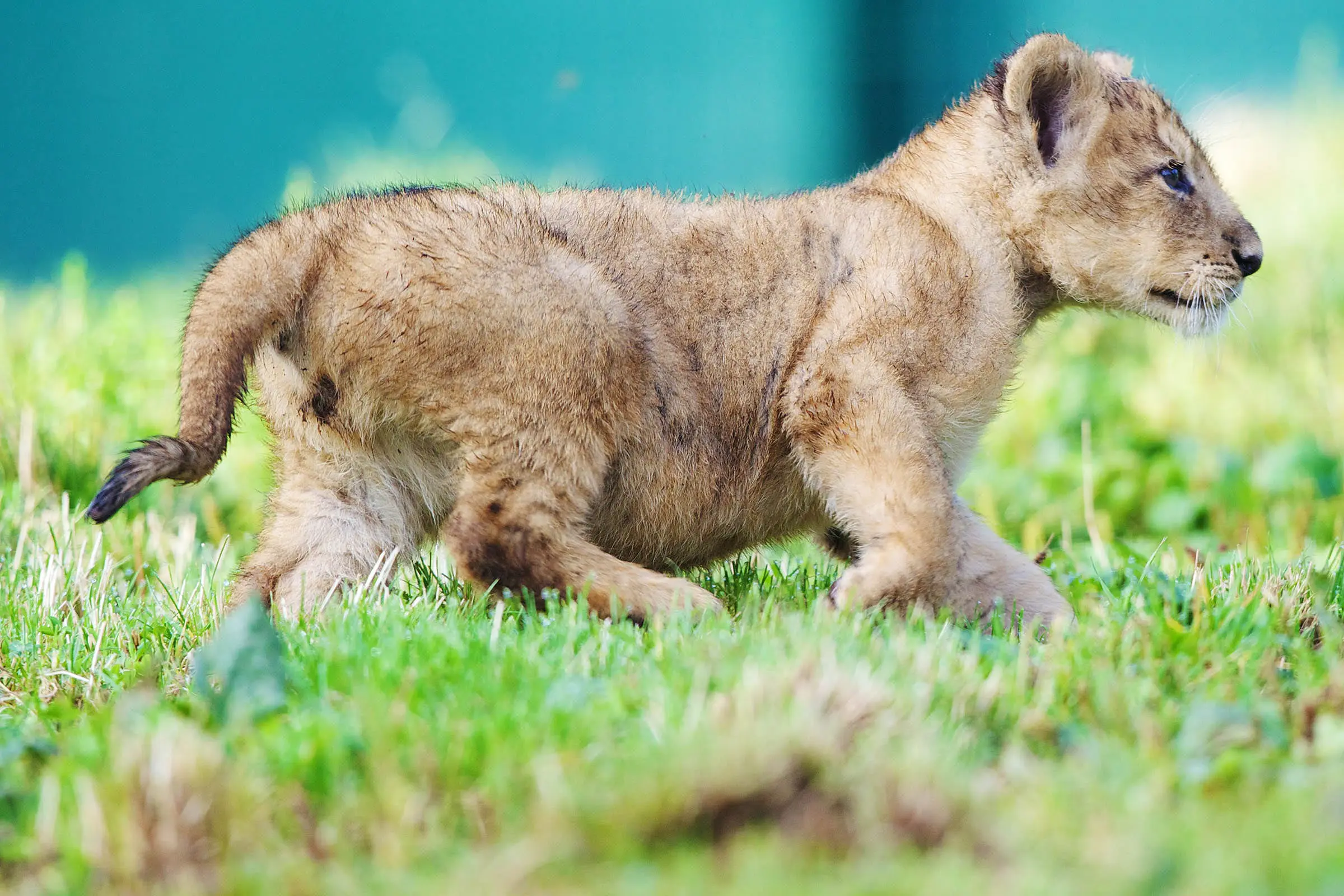
Cub
Gestation (pregnancy) period
Approximately four months
Number of young at birth
1-6 cubs
Weight at birth
1-2 kg
Age at maturity
Males reach maturity at five years of age and females at three or four years of age.
Adult size
Adult males are 100-123 cm in height (at the shoulder) and weigh 150-200 kg. Adult females are 80-107 cm in height (at the shoulder) and weigh 110-120 kg.
Adult male name
Lion
Adult female name
Lioness
Conservation
Endangered
The Asian lion is classified as Endangered by the International Union for Conservation of Nature (IUCN).
Current population estimate
Approximately 890 individuals
Threats
The main threats Asian lions face are habitat loss and poaching (illegal hunting). As they only exist in one area, Asian lions are also vulnerable to unexpected events in that area such as natural disasters or diseases. Another significant threat is a conflict with farmers when lions come onto their lands.
What is Dublin Zoo doing?
Dublin Zoo is part of the European Endangered Species Programme for the Asian lion, which manages their population and breeding.
Frequently Asked Questions
The wild population of Asian lions is estimated to be 500-600 individuals.
Yes. The Asian lion is classified as Endangered by the International Union for Conservation of Nature (IUCN).
Asian lions are protected by law in India, with organisations working there to protect them. Examples of actions taken to protect Asian lions are maintaining protected areas and providing education programmes.
The Asian lion is found in only one place in the wild, the Gir National Park and Wildlife Sanctuary in Gujarat, India. There, they live in dry deciduous forests and scrublands.
Sometimes, Asian lions move outside of protected areas into surrounding farmlands and hills. This can cause conflict with humans living in these areas. Sometimes, local residents kill these lions because of attacks on livestock and out of fear of attacks on humans.