Conservation
 Dr. Gabriela Mastromonaco, Toronto Zoo Chief Science Officer: “Cryobanking represents one of the more powerful tools in conservation today. By preserving living cells from endangered and at-risk species, we can help ensure their genetic diversity is not lost. It is necessary for accredited zoos to prepare for a future where these genetic resources may be critical to securing species survival.”
The multi-zoo alliance will focus on sharing best practices, enhancing cryopreservation techniques across species, and coordinating regional and international efforts. The partnership also aligns with broader global initiatives, including the IUCN Animal Biobanking for Conservation Specialist Group. Additionally, the zoos will work together to raise awareness of the potential of wildlife cryobanking amongst conservationists, academic researchers, and the public.
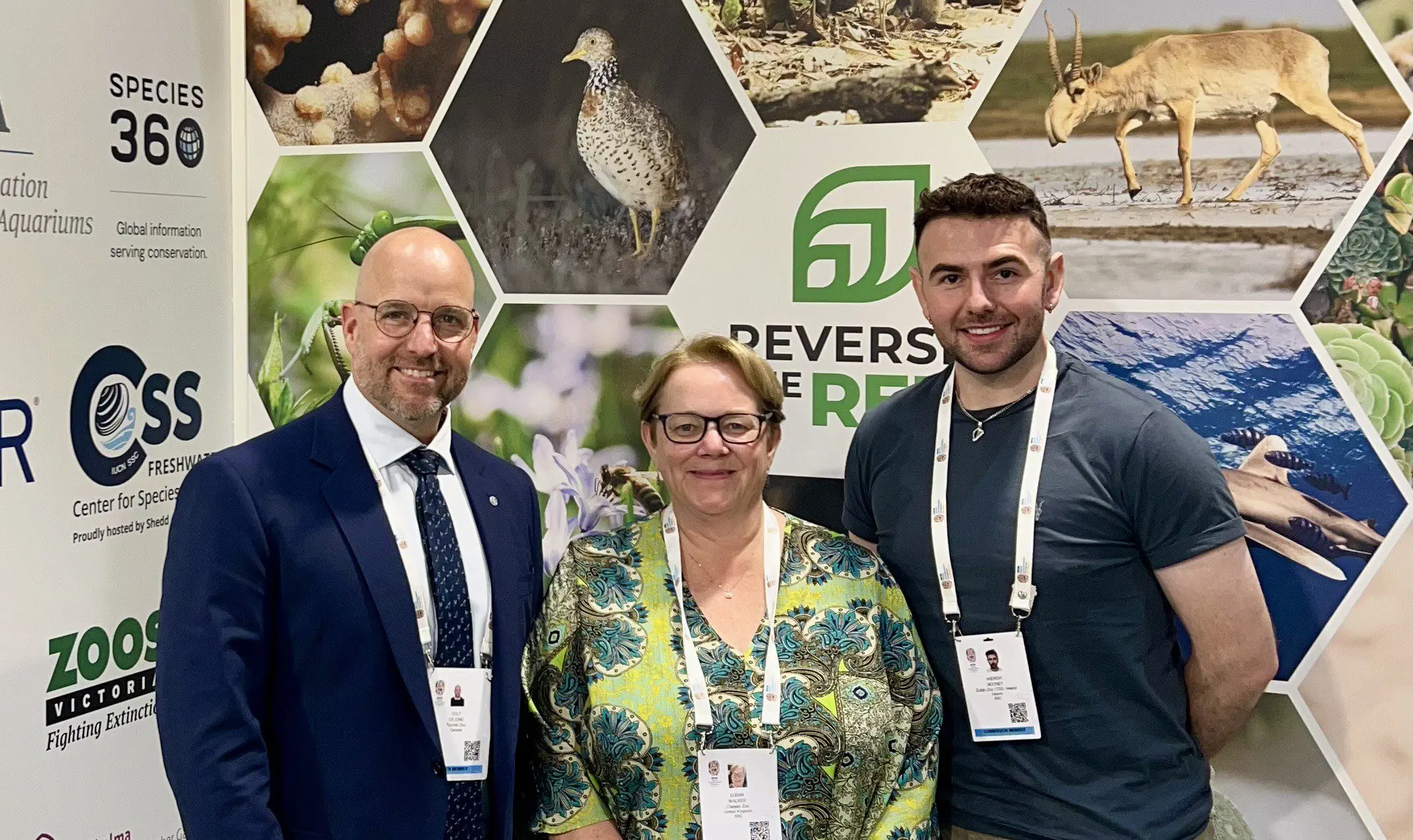
Dr Sue Walker, Head of Science at Chester Zoo: “The use of cryopreservation is an actively growing field. Species survival depends on thriving and genetically healthy populations, and by building cryopreservation to support conservation efforts, it is becoming an effective tool in the fight against extinction. Alongside Toronto Zoo and Dublin Zoo, the goal of this international partnership is to support each other and our globally zoo community with effective biobanking initiatives.”
Dr Andrew Mooney, Senior Conservation and Science Officer at Dublin Zoo: “This partnership with Toronto Zoo, a global leader in biobanking and cryopreservation, is a vital step to secure a genetically healthy future for wildlife, both in Ireland and globally. Together we can preserve the genetic diversity of wild species, locally and internationally, helping to ensure populations remain healthy and resilient in a rapidly changing world for generations to come. This collaboration directly supports Dublin Zoo’s Conservation Master Plan and goal to establish Ireland’s first National Wildlife Biobanking Hub. By aligning our efforts internationally, we can amplify the impact of our local initiatives.”
These three leading zoos strongly believe conservation doesn’t happen in isolation. It’s most successfully achieved through partnerships, through working together, supporting each other and working toward goals together. This agreement is a tangible example of what the zoo community can contribute to conservation science, and we believe that the field will only become more collaborative in future. This partnership reflects the growing role of accredited zoos as conservation leaders and showcases how innovation and collaboration can drive solutions to the planet’s most pressing biodiversity challenges. This unified effort signals a major leap forward in preserving Earth’s biodiversity, ensuring that critical genetic material is accessible for research, restoration, and resilience now and for generations to come.
Dr. Gabriela Mastromonaco, Toronto Zoo Chief Science Officer: “Cryobanking represents one of the more powerful tools in conservation today. By preserving living cells from endangered and at-risk species, we can help ensure their genetic diversity is not lost. It is necessary for accredited zoos to prepare for a future where these genetic resources may be critical to securing species survival.”
The multi-zoo alliance will focus on sharing best practices, enhancing cryopreservation techniques across species, and coordinating regional and international efforts. The partnership also aligns with broader global initiatives, including the IUCN Animal Biobanking for Conservation Specialist Group. Additionally, the zoos will work together to raise awareness of the potential of wildlife cryobanking amongst conservationists, academic researchers, and the public.
Dr Sue Walker, Head of Science at Chester Zoo: “The use of cryopreservation is an actively growing field. Species survival depends on thriving and genetically healthy populations, and by building cryopreservation to support conservation efforts, it is becoming an effective tool in the fight against extinction. Alongside Toronto Zoo and Dublin Zoo, the goal of this international partnership is to support each other and our globally zoo community with effective biobanking initiatives.”
Dr Andrew Mooney, Senior Conservation and Science Officer at Dublin Zoo: “This partnership with Toronto Zoo, a global leader in biobanking and cryopreservation, is a vital step to secure a genetically healthy future for wildlife, both in Ireland and globally. Together we can preserve the genetic diversity of wild species, locally and internationally, helping to ensure populations remain healthy and resilient in a rapidly changing world for generations to come. This collaboration directly supports Dublin Zoo’s Conservation Master Plan and goal to establish Ireland’s first National Wildlife Biobanking Hub. By aligning our efforts internationally, we can amplify the impact of our local initiatives.”
These three leading zoos strongly believe conservation doesn’t happen in isolation. It’s most successfully achieved through partnerships, through working together, supporting each other and working toward goals together. This agreement is a tangible example of what the zoo community can contribute to conservation science, and we believe that the field will only become more collaborative in future. This partnership reflects the growing role of accredited zoos as conservation leaders and showcases how innovation and collaboration can drive solutions to the planet’s most pressing biodiversity challenges. This unified effort signals a major leap forward in preserving Earth’s biodiversity, ensuring that critical genetic material is accessible for research, restoration, and resilience now and for generations to come.