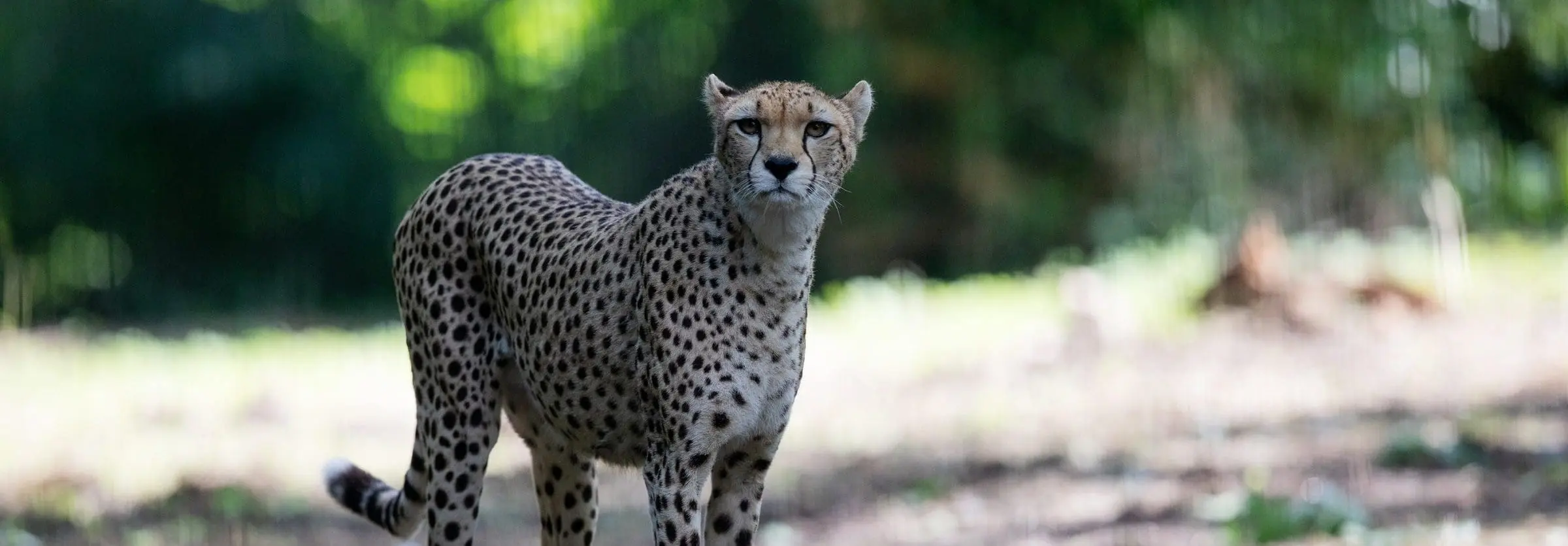
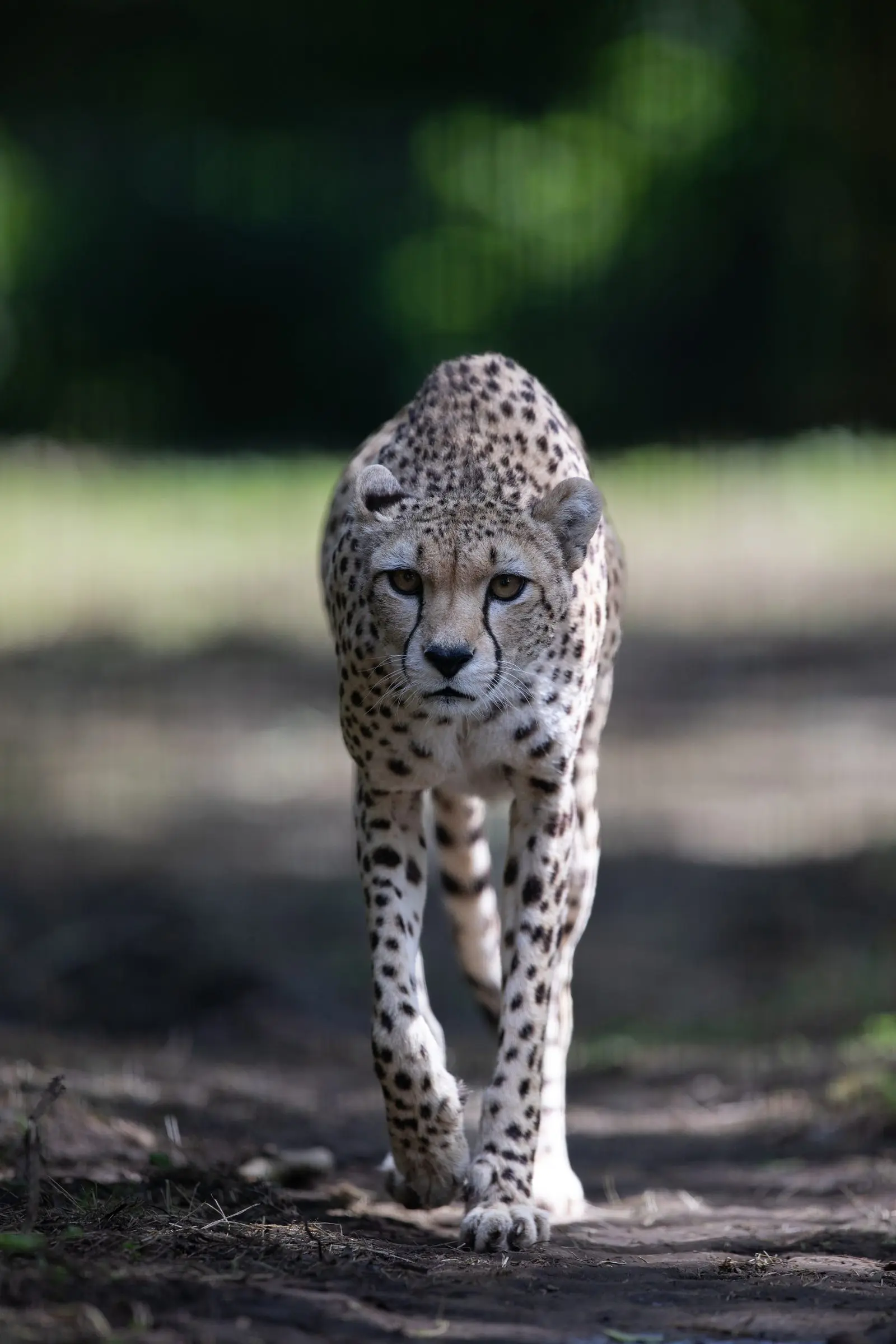
Northeast African cheetah
The Northeast African cheetah is an endangered subspecies and the world's fastest land animal
Species
Mammals
Habitat
Savannah
Diet
Carnivores
Conservation Status
Endangered
Northeast African cheetah
Acinonyx jubatus soemmeringii
Irish Name: Síota oirthuaisceart na hAfraice
IUCN Status: Endangered
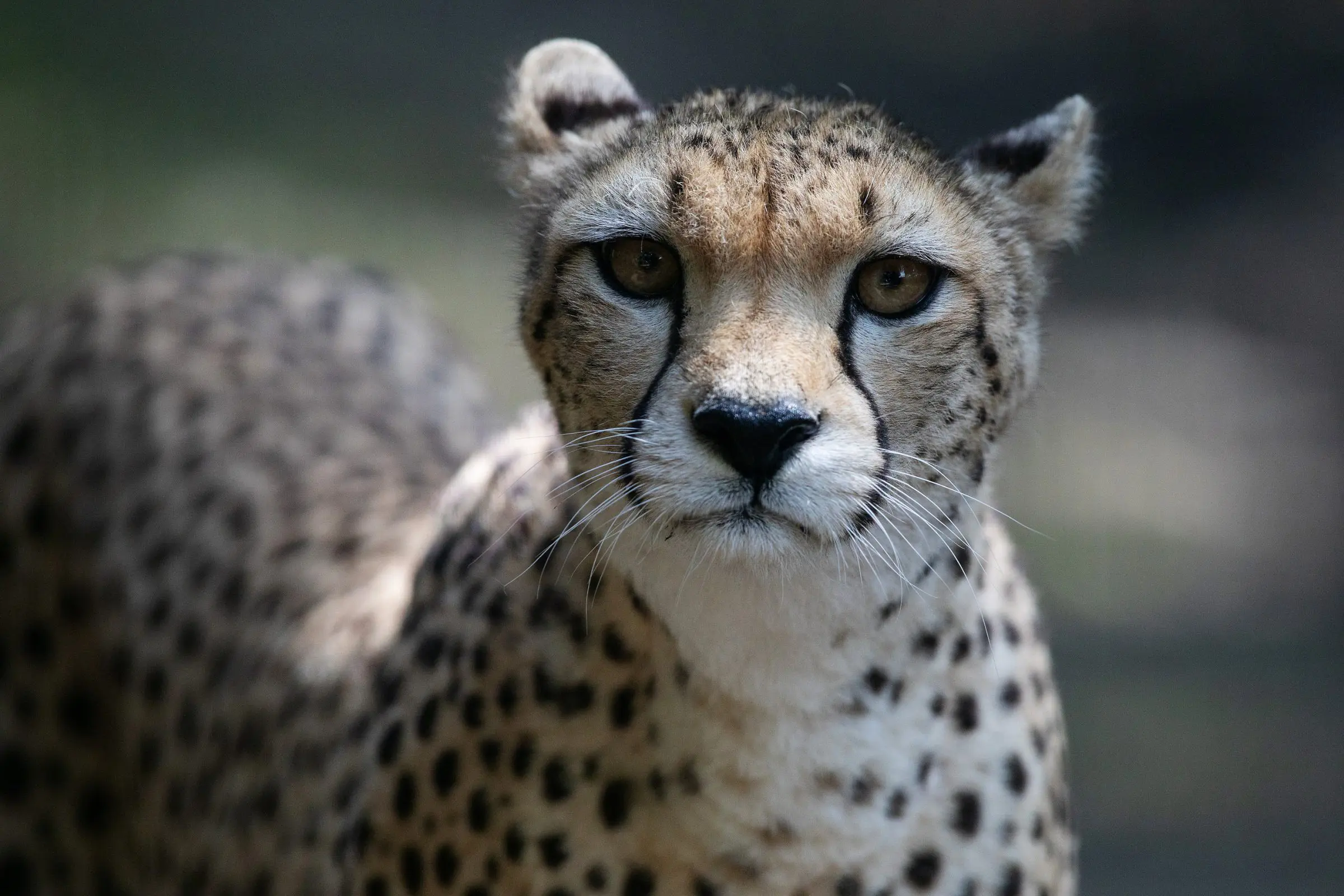
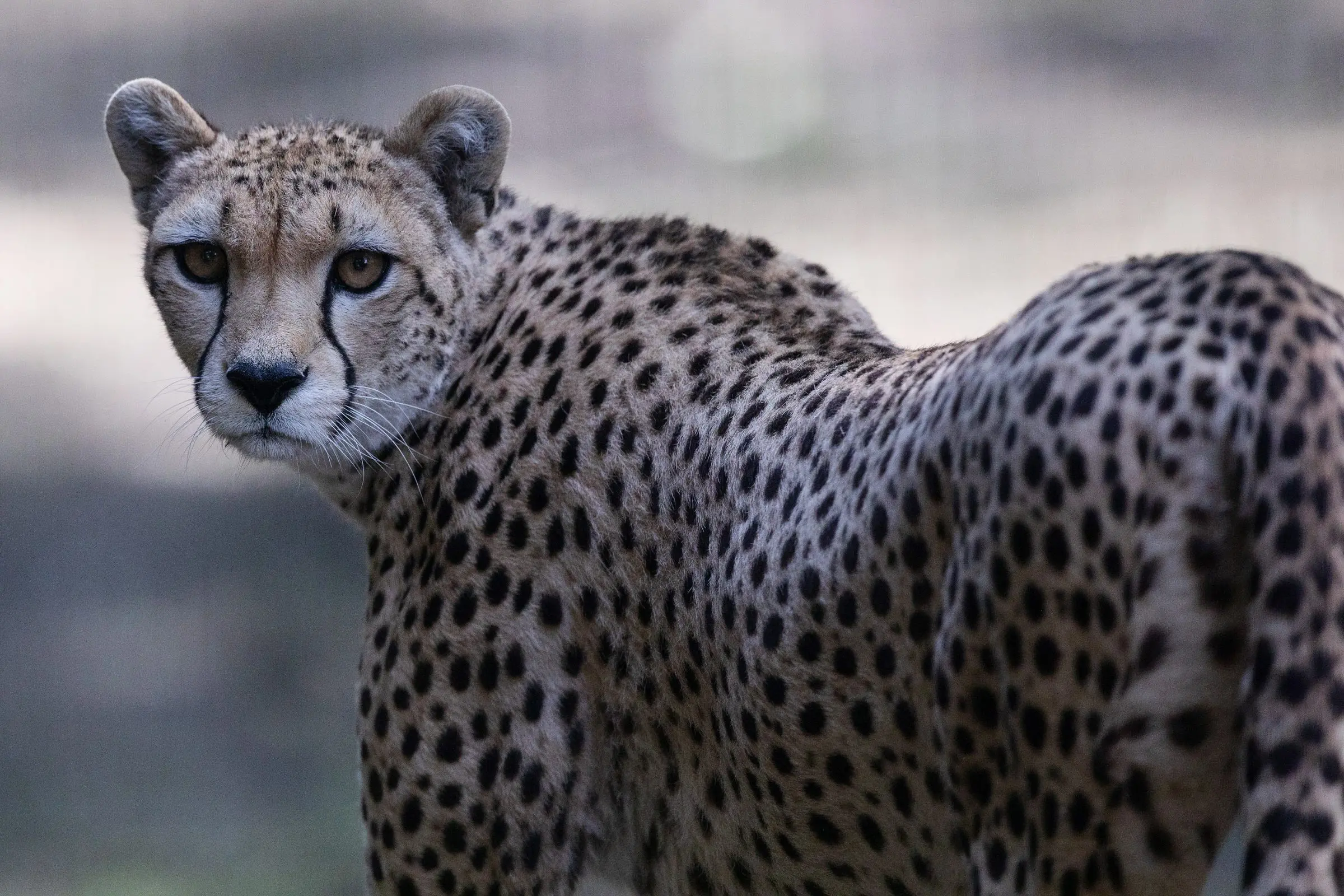
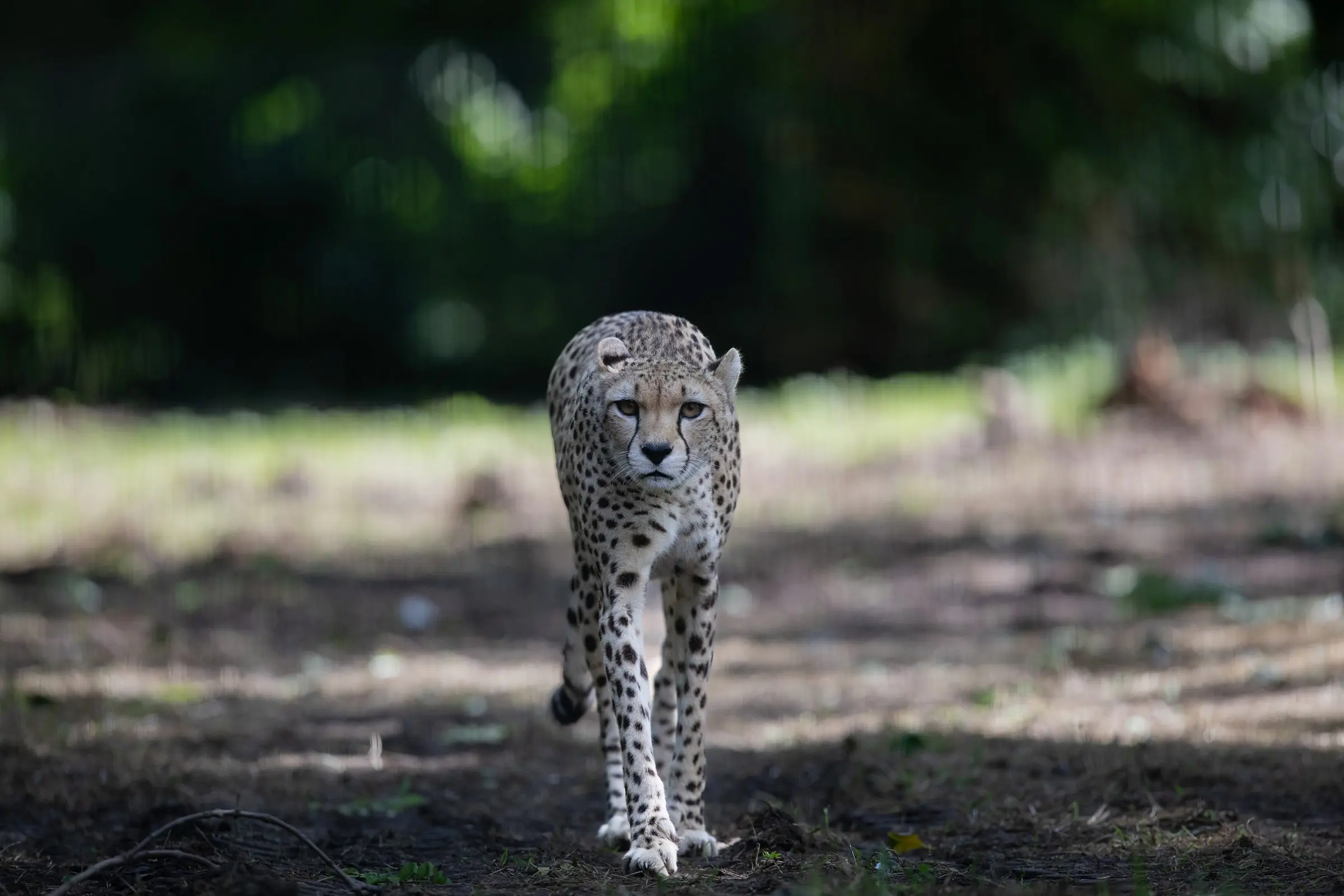
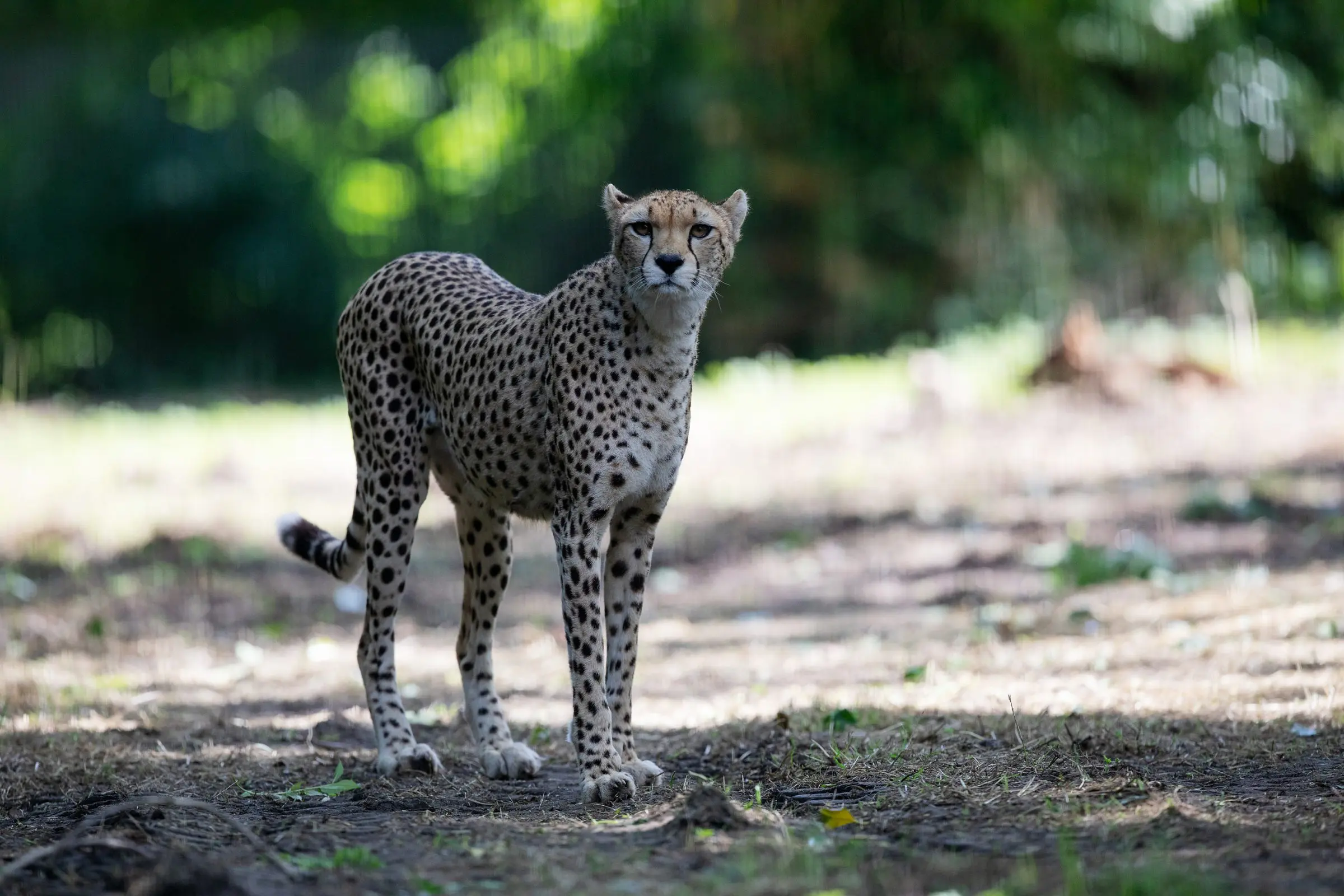
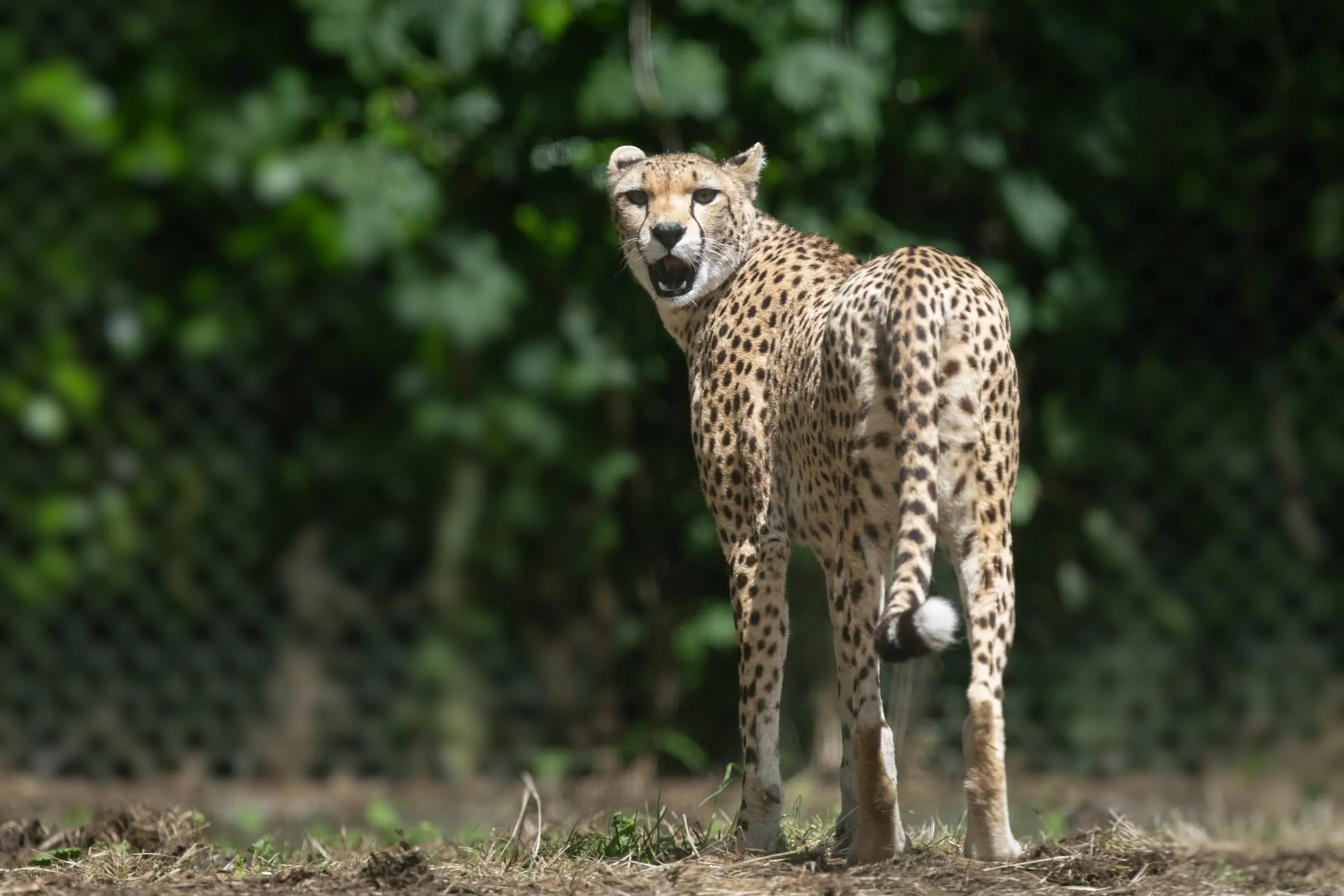
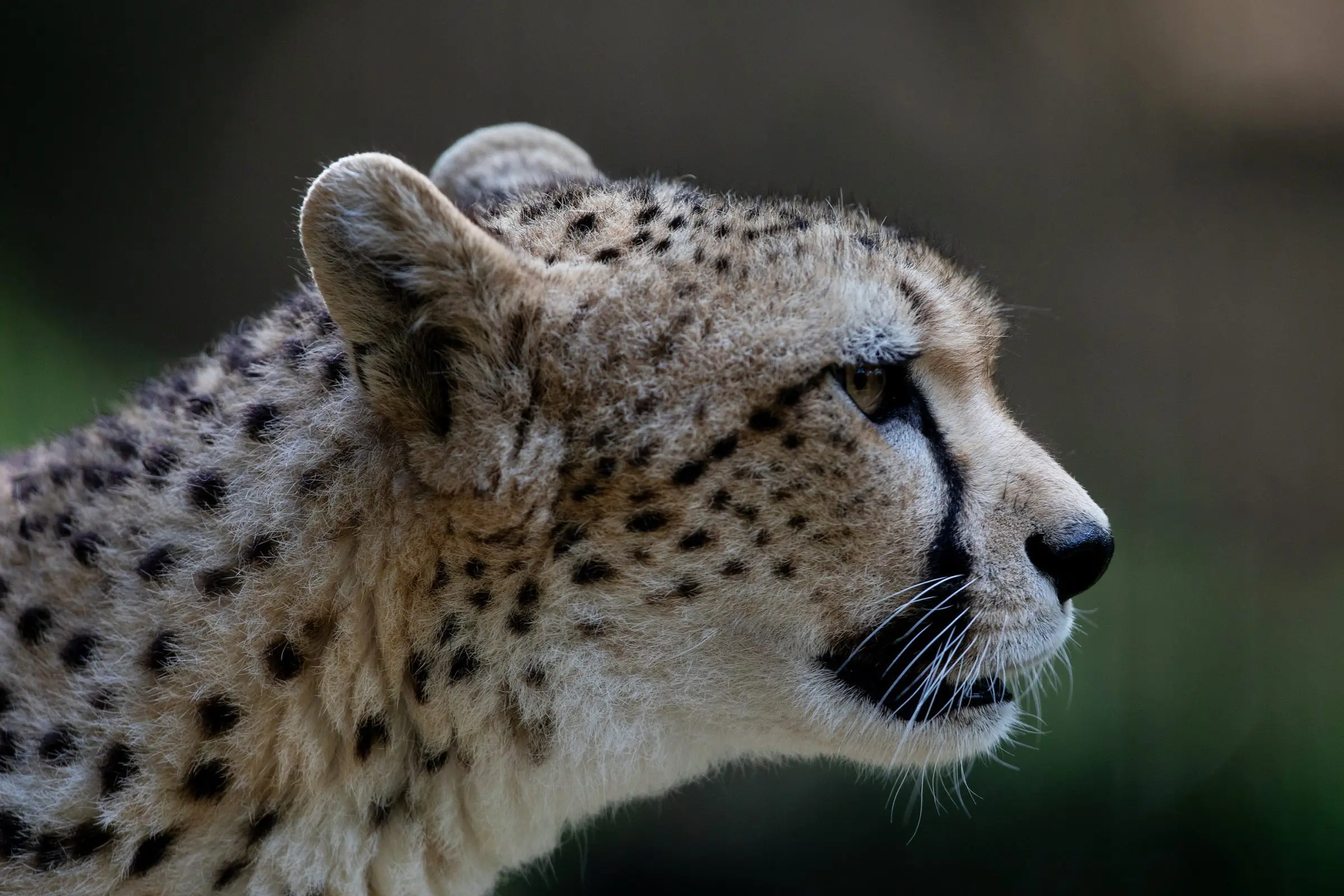
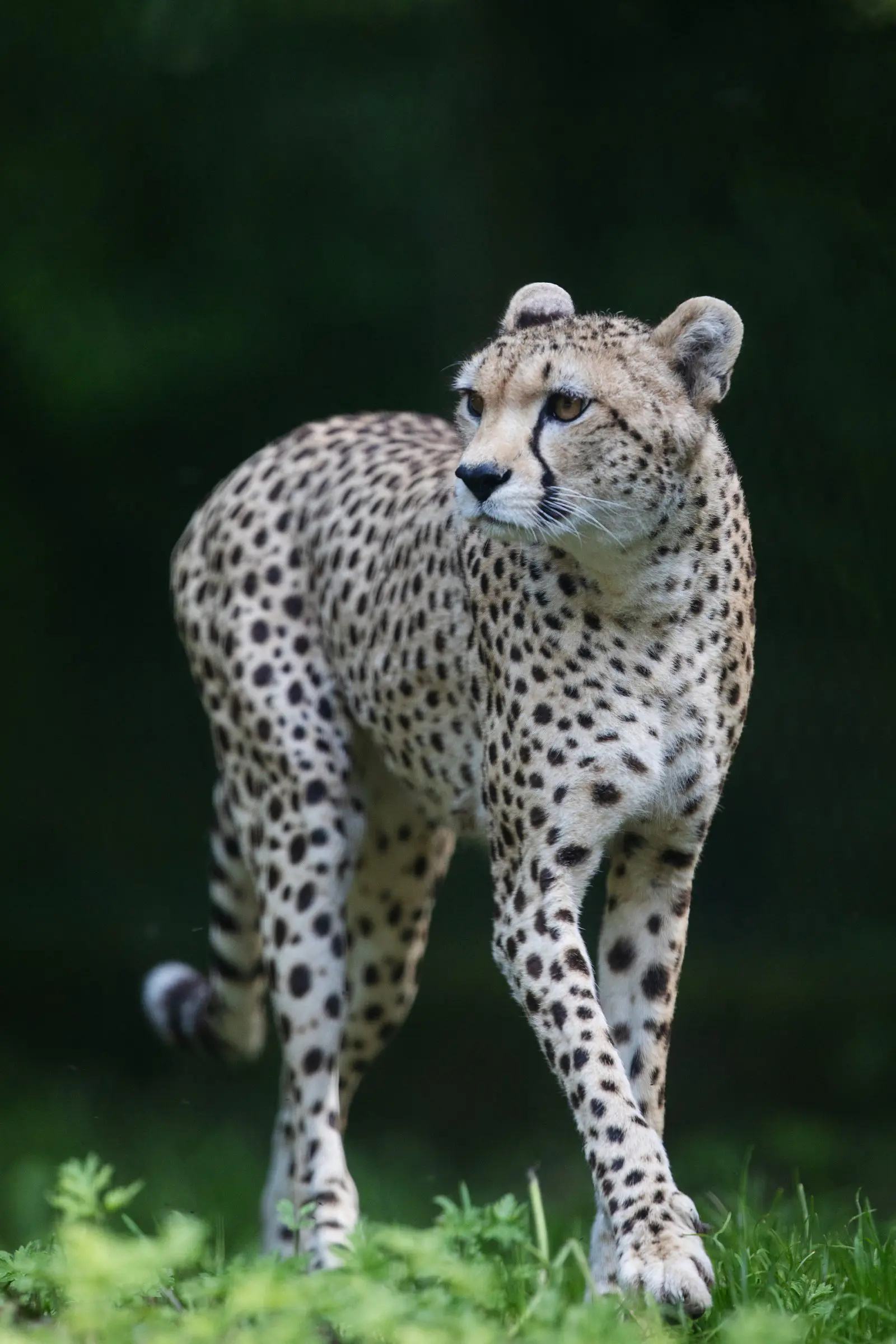
Known for their spotted coats and incredible speeds, Northeast African cheetahs are one of four widely accepted cheetah subspecies spread across Africa and Iran. Cheetahs as a whole are part of the cat family, and they are more closely related to pumas than lions and leopards. This also means that they cannot roar.
General Information
Zoo location
African Plains
Animal class
Mammalia
Animal order
Carnivora
Where do they live (Natural habitat)?
Northeast African cheetahs live in savannas, dry forests, shrublands and deserts in countries like Ethiopia and Somalia in Northeast Africa.
How long do they live?
Northeast African cheetahs can live to be 10-12 years old in the wild and 15-20 years old in human care
What do they eat?
Northeast African cheetahs are carnivores (meat-eaters). They mainly hunt antelopes, but they occasionally hunt warthogs, hares and birds as well.
Group name
Coalition
Closest related species / sister species
The Northeast African cheetah is closely related to other cheetah subspecies, such as the Southeast African cheetah, the Asiatic cheetah and the Northwest African cheetah.
Fun Facts!
The northeast African cheetah
Family life
Northeast African cheetahs are generally solitary (live alone), but males tend to form small groups called coalitions. Female cheetahs raise their cubs for around 18 months before they leave their mothers to venture out on their own. While females will largely stay on their own, males tend to stick together or form new groups after leaving.
Baby name
Cub
Gestation (pregnancy) period
Approximately 93 days
Number of young at birth
2 – 6
Weight at birth
240 – 425g
Age at maturity
2 – 3 years
Adult size
In general, cheetahs are 70-91 cm in height (at the shoulder) and weigh 35-65 kg.
Conservation
Endangered
The Northeast African cheetah is classified as Endangered by the International Union for Conservation of Nature (IUCN).
Current population estimate
Approximately 260-590 individuals.
Threats
The main threats to Northeast African cheetahs include habitat loss, loss of their prey due to overgrazing by livestock animals and conflict with humans as cheetahs turn to hunting livestock to survive. The illegal wildlife trade for cheetah cubs is also a big threat.
What is Dublin Zoo doing?
Dublin Zoo is part of the European breeding programme for Northeast African cheetahs. Dublin Zoo also supports the Cheetah Conservation Fund in Namibia, which is working to create protected areas for cheetah populations.
Frequently Asked Questions
Savannahs, dry forests, shrublands and deserts in countries such as Somalia and Ethiopia in Northeast Africa.
They are carnivores (meat-eaters), mainly feeding on antelopes but occasionally hunting warthogs, hares and birds.
Northeast African cheetahs are classified as Endangered due to threats like habitat loss, lack of prey, conflict with humans over livestock hunting and illegal wildlife trade for cheetah cubs.
There are approximately 260-590 Northeast African cheetahs left in the world, but scientists are unsure of the exact number as it is difficult to monitor cheetah numbers in Northeast Africa.
A coalition.
A cub.