Grant's zebra
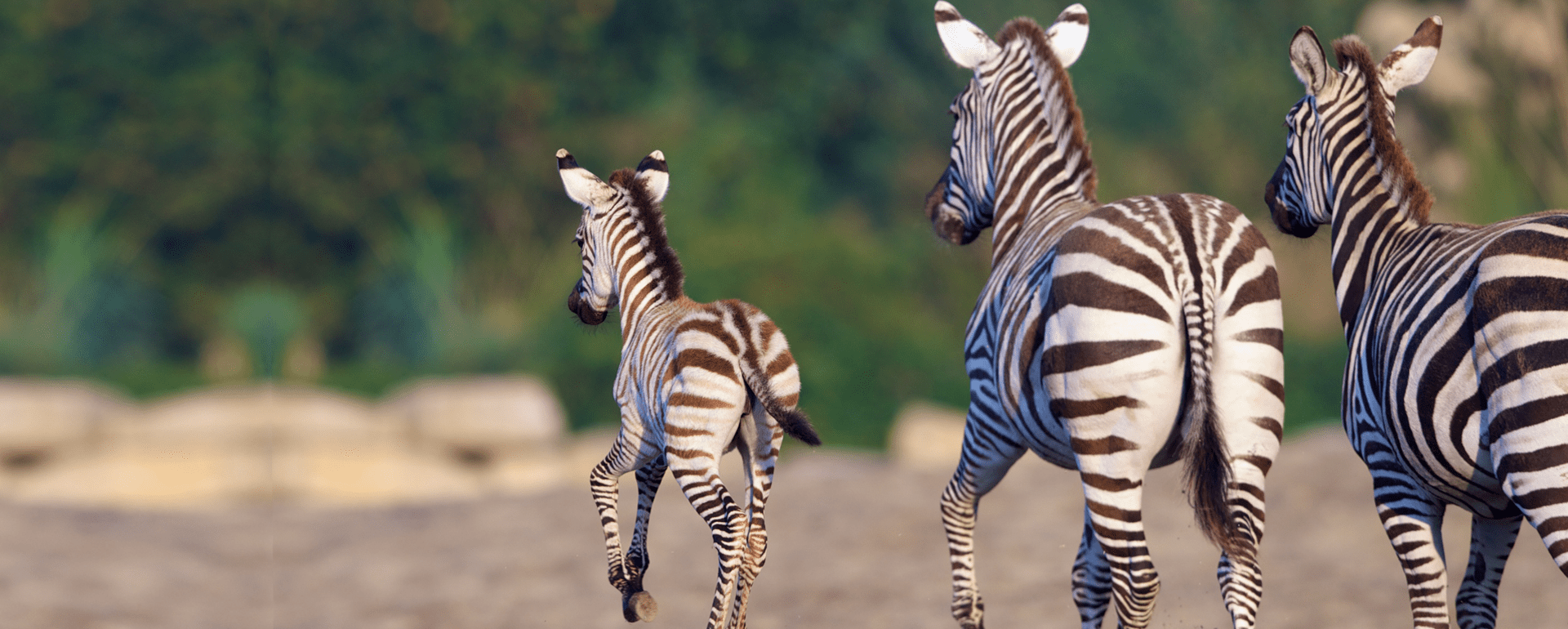
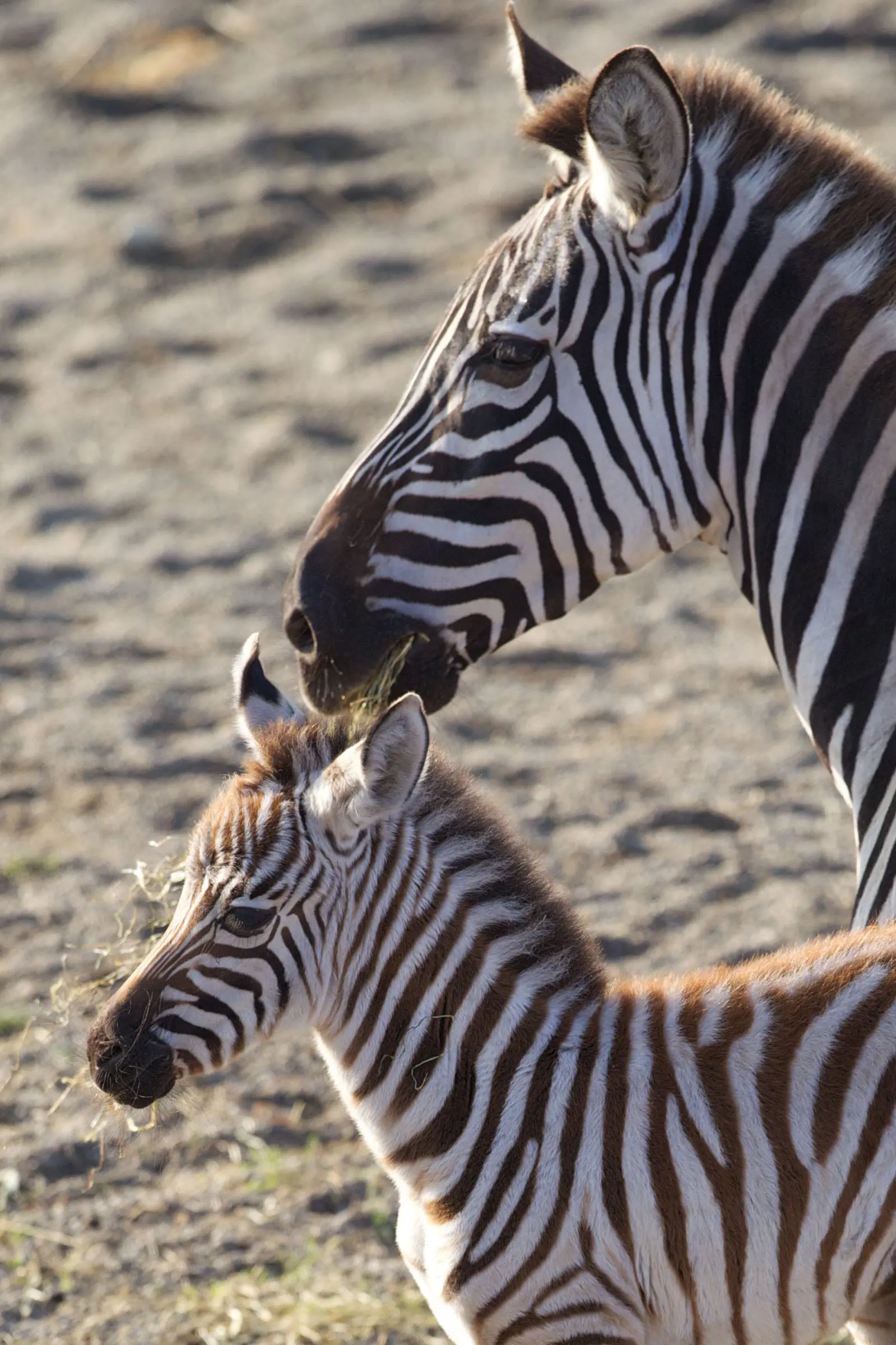
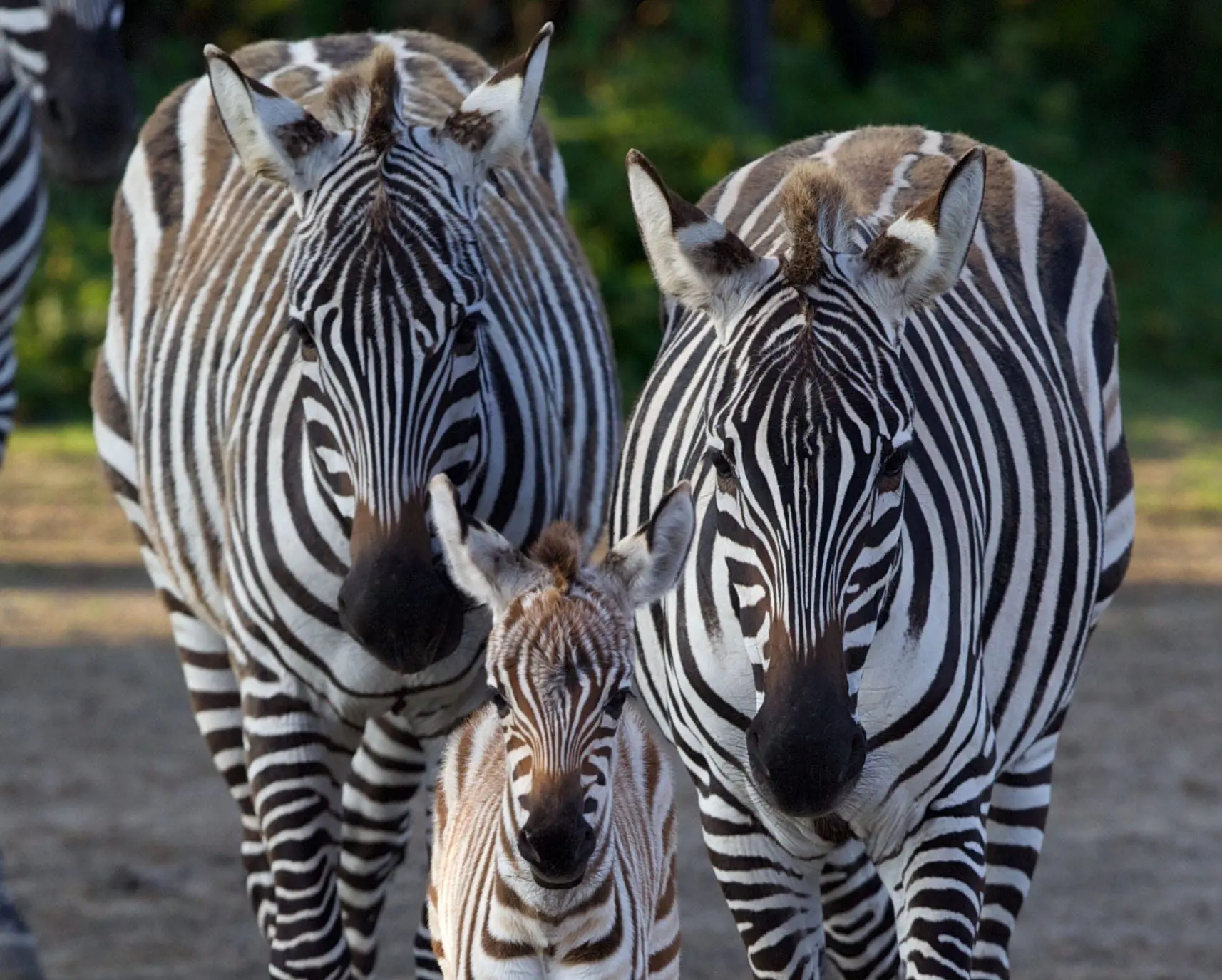
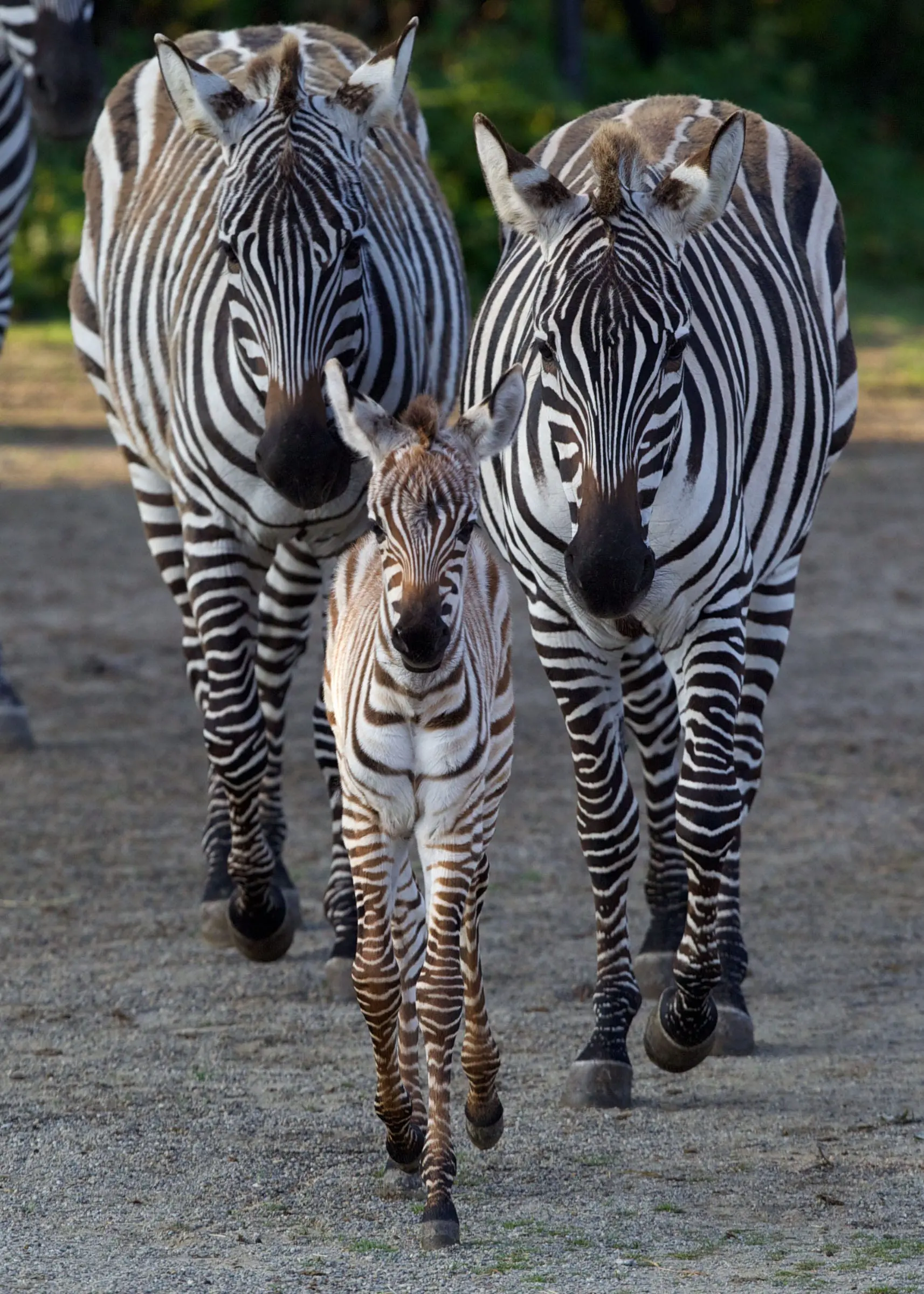
Grant's zebra is the most common of the plains zebra subspecies with each individual having a unique stripe pattern like a fingerprint and distinctive shadow stripes between the bold black stripes on its hindquarters
Species
Mammals
Habitat
Savannah
Diet
Herbivores
Conservation Status
Near Threatened
Grant’s zebra
Equus quagga boehmi
Irish Name: Séabra Grant
IUCN Status: Near threatened
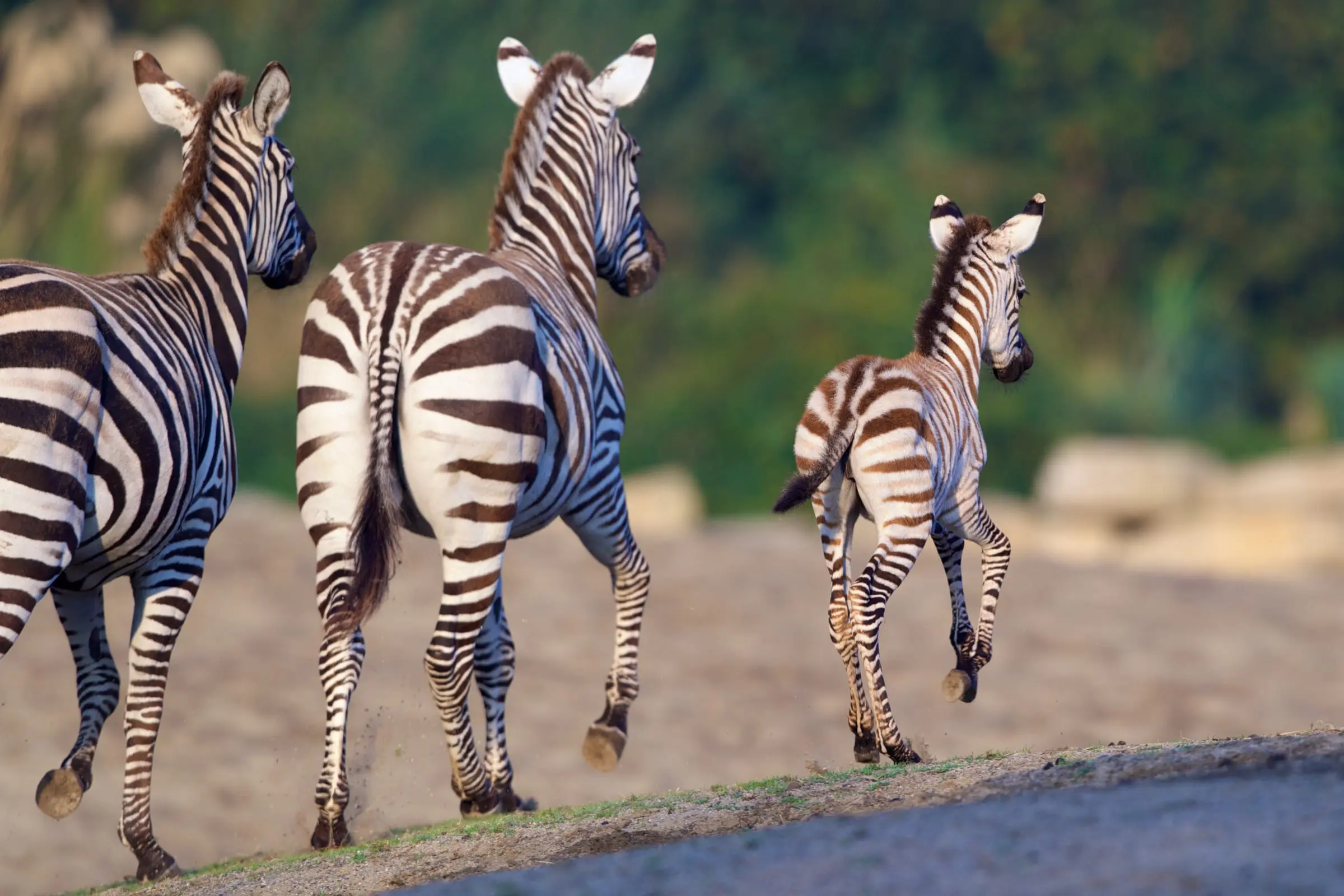
The Grant’s zebra, like all zebra subspecies, are instantly identifiable by their white and black stripes. They are similar in shape to small horses or donkeys, with short, dumpy bodies, short legs and upright ears. They can weigh approximately 220 – 322 kg, with females being lighter and with thinner necks.
General Information
Zoo location
African Plains alongside the giraffes and scimitar-horned oryxes.
Animal class
Mammalia
Animal order
Perissodactyla
Where do they live (Natural habitat)?
The Grant’s zebra’s habitat is generally wooded savanna and grasslands, both temperate and tropical. Their geographical range, while fragmented, spans much of southern and eastern Africa, south of the Sahara.
How long do they live?
On average, zebras live for approximately 20 years in the wild, and up to 40 years in zoos.
What do they eat?
Zebras are grazers, and predominantly feed on grass. During the dry seasons they will sometimes browse or dig for bulbotubers and rootstalks. Their digestive system works very fast, and they graze almost constantly.
Group name
A group of zebras is called typically called a herd. Within a herd, you will find family groups comprised of a dominant male and his mares.
Closest related species / sister species
The Grevy’s zebra is the Grant’s zebra’s closest relative, followed by the mountain zebra, followed by the donkeys and wild asses.
Fun Facts!
The Grant's zebra
Family life
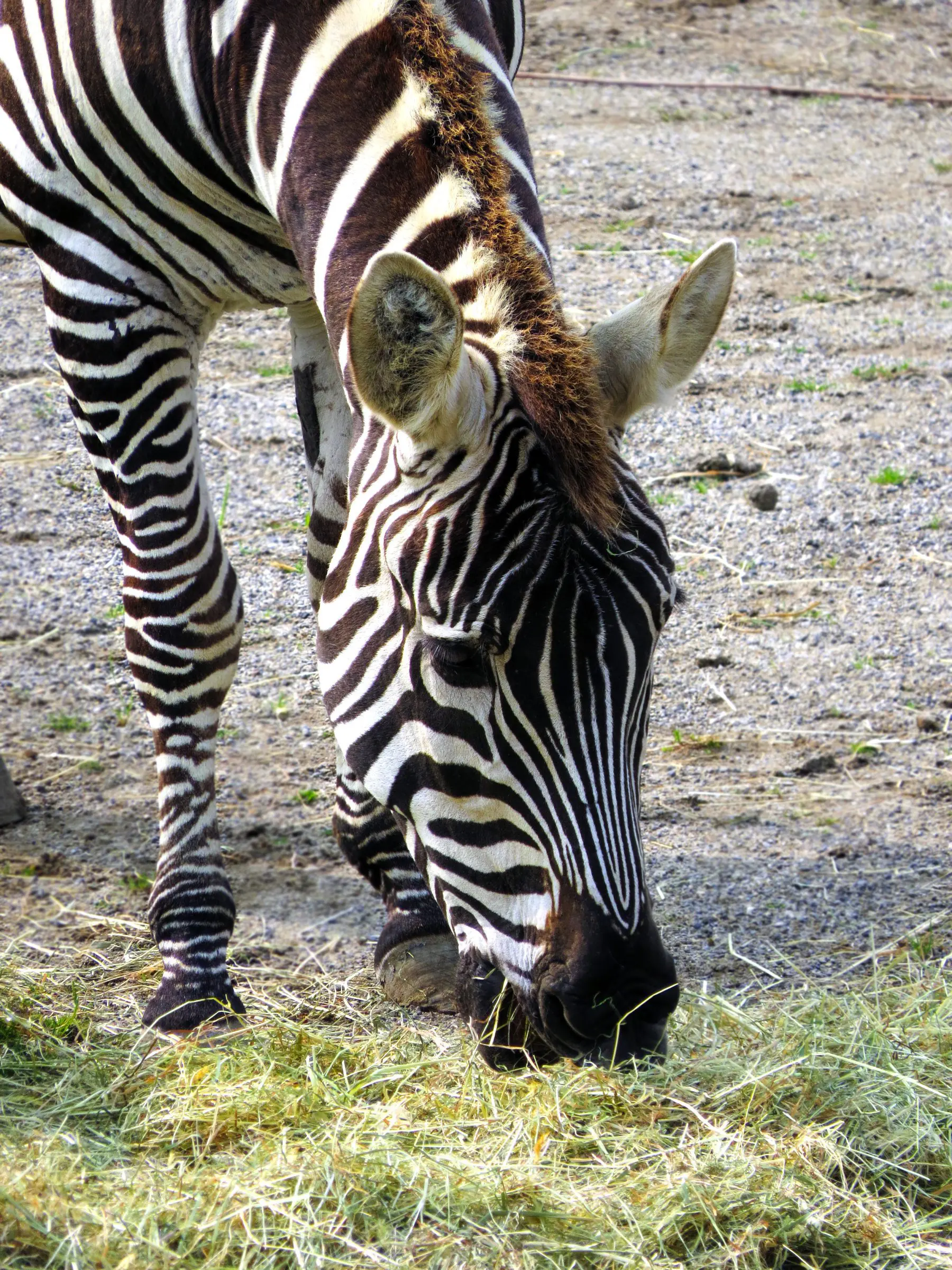
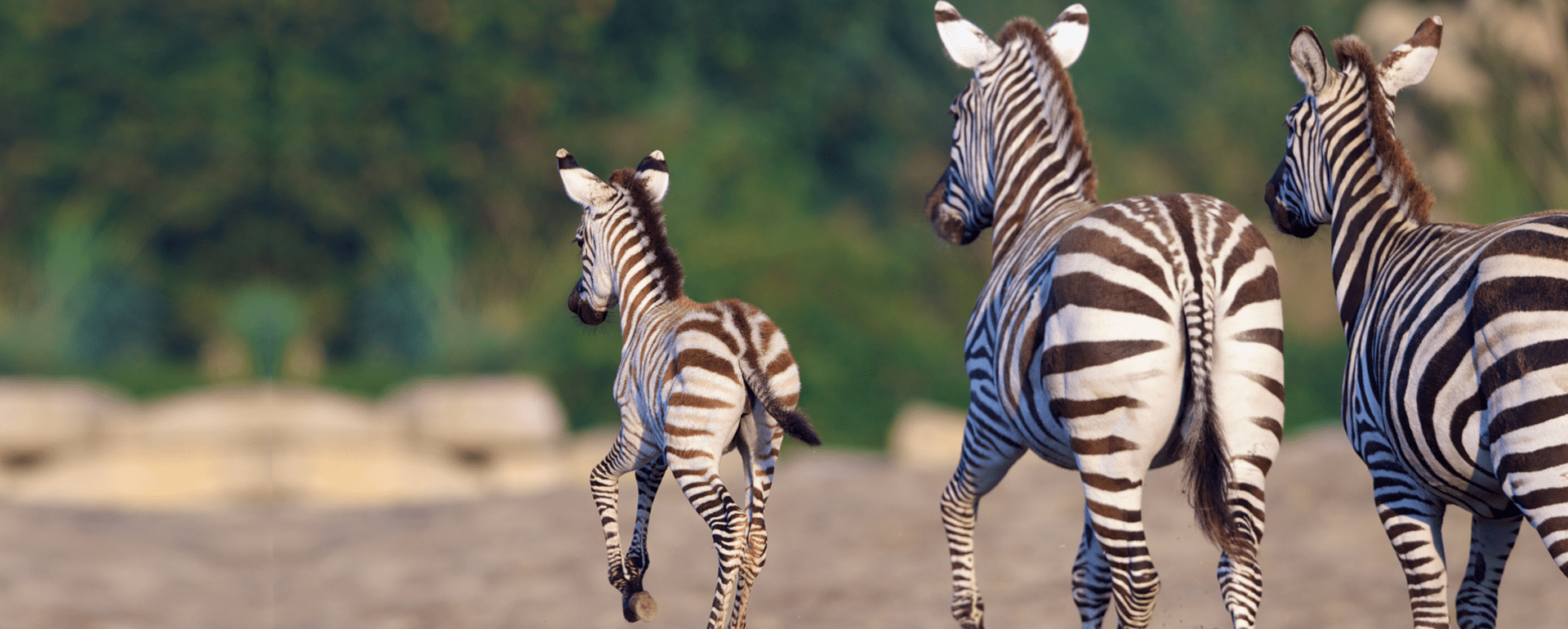
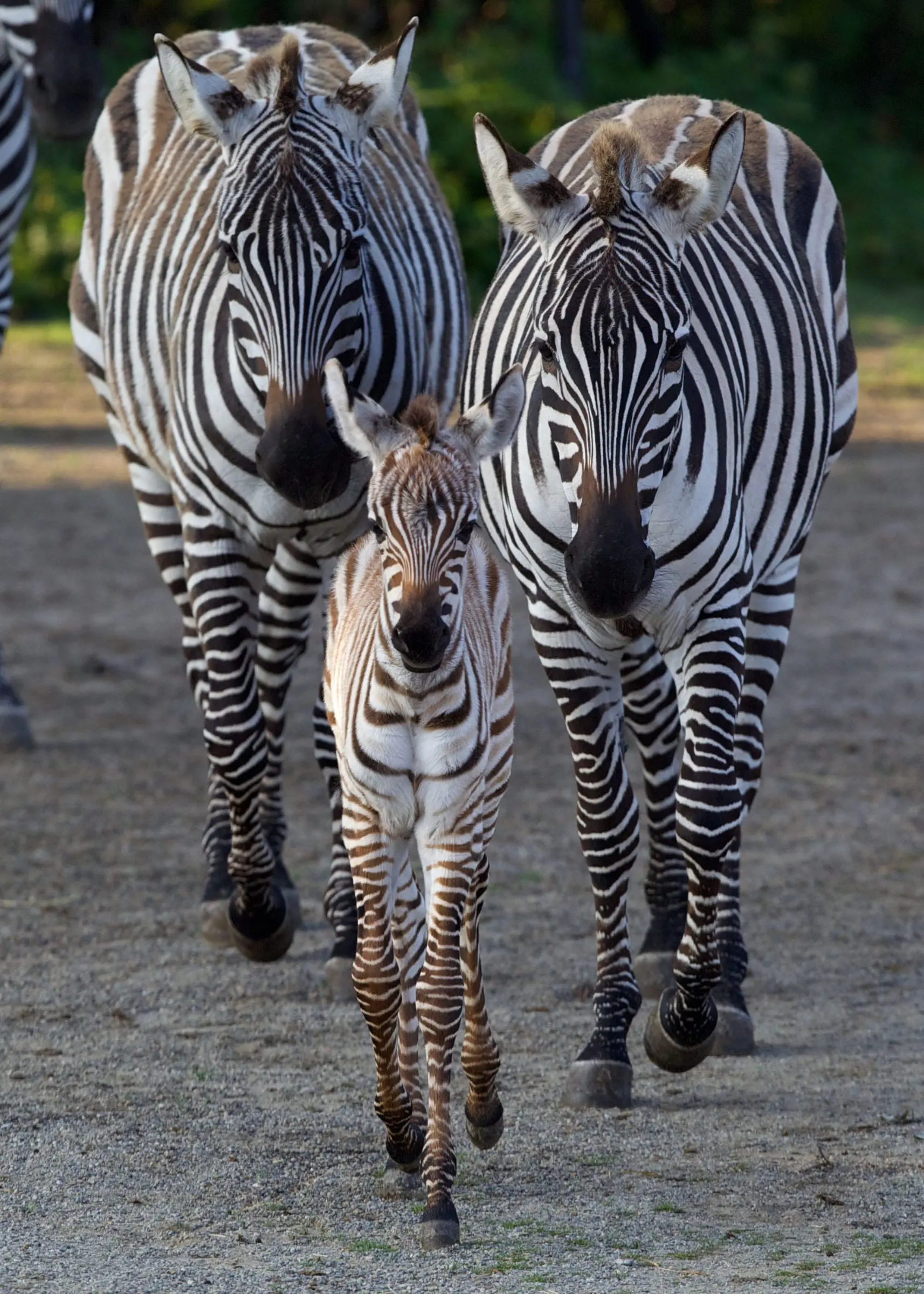
Zebras are very social animals that live in groups called herds, but within those herds, you will find family groups comprised of a dominant male and his mares. Female zebras will reach maturity earlier than males. They can have their first foal from three years, whereas their male counterparts cannot breed until the age of 5 – 6. The foal is protected by its mother and the dominant stallion, as well as the other females in family group. The calf is able to stand, walk and run very soon after it is born, and will nurse for about twelve months.
Baby name
A baby zebra is called a foal, as is most common for equines as a group.
Gestation (pregnancy) period
Approximately 12 months.
Number of young at birth
One foal.
Weight at birth
Approximately 25 – 32 kg.
Age at maturity
Females are mature from three years, males are mature from approximately 5 – 6 years of age.
Size male adult
Male adult zebras can reach a height of 127 – 140 cm, with a body length of 217 – 246 cm, inclusive of head. They weigh approximately 220 – 322 kg.
Size female adult
Females are lighter and have thinner necks than male zebras.
Adult male name
Stallion
Adult female name
Mare
Conservation
Near Threatened
The Grant’s zebra is listed as Near Threatened by the International Union for Conservation in Nature.
Current population estimate
There are approximately 500,000 in total in the wild but their populations are decreasing.
Threats
Zebras are threatened by hunting, culling, habitat destruction, and grazing competition from livestock. They are also affected by climate change and droughts, as well as war and civil unrest in the countries where the species is extant.
What is Dublin Zoo doing?
Dublin Zoo promotes education about, and awareness of, the species to our visitors, through our education department.
Frequently Asked Questions
Zebras are black with white stripes! Recent research and embryological evidence has shown that the zebra’s underlying, primary colour is black, with white being the addition on top.
Zebras are grazers, and predominantly eat grass. During the dry seasons they will sometimes browse or dig for corms (also known as bulbotubers) and rhizomes (also known as rootstalks).
Zebras make a wide array of sounds, They can snort, nicker, bray and use a high-pitched bark.
The Grant’s zebra’s habitat is generally wooded savanna and grasslands, both temperate and tropical. Their geographical range, while fragmented, spans much of southern and eastern Africa, south of the Sahara.
Zebras are thought to have stripes for a variety of reasons; to keep them cool and regulate body temperature, and to confuse predators and biting insects.
Zebras are a member of the Equidae family, which means they are closely related to horses and donkeys!
Grant’s zebra are considered near threatened by the IUCN Red List. The Cape mountain zebra and Grévy’s zebra are endangered.
Zebras are very fast animals, and can zig-zag when chased with great dexterity. They can reach speeds of up to 65 km per hour in the open, and foals can run with the herd mere hours after birth.
A baby zebra is called a foal.
On average, zebras live for approximately 20 years in the wild and up to 40 years in zoos.
An average zebra will weigh approximately 220 – 322 kg, but can reach weights of up to 350 kg.
A group of zebras is known as a herd.
The lion is the zebra’s main predator, but they can also fall victim to large crocodiles when they cross bodies of water. Other opportunistic hunters may show interest too, such as hyenas and wild dogs.
The Grant’s zebra’s stripes are all arranged in a unique pattern, and because of this, it is hard to say how many stripes a zebra may have as each one is different!
Male adult zebras can reach a height of 127 – 140 cm.
Horses and zebra can breed and produce hybrids, but this does not happen naturally in the wild and requires human intervention.
Zebras are herbivores; they graze and predominantly feed on grass.
The Grant’s zebra’s habitat is generally wooded savanna and grasslands, both temperate and tropical.
Zebra foals are born with stripes.
Zebras can walk, trot, canter and gallop, and have excellent stamina, but horses are generally faster.