West African crocodile
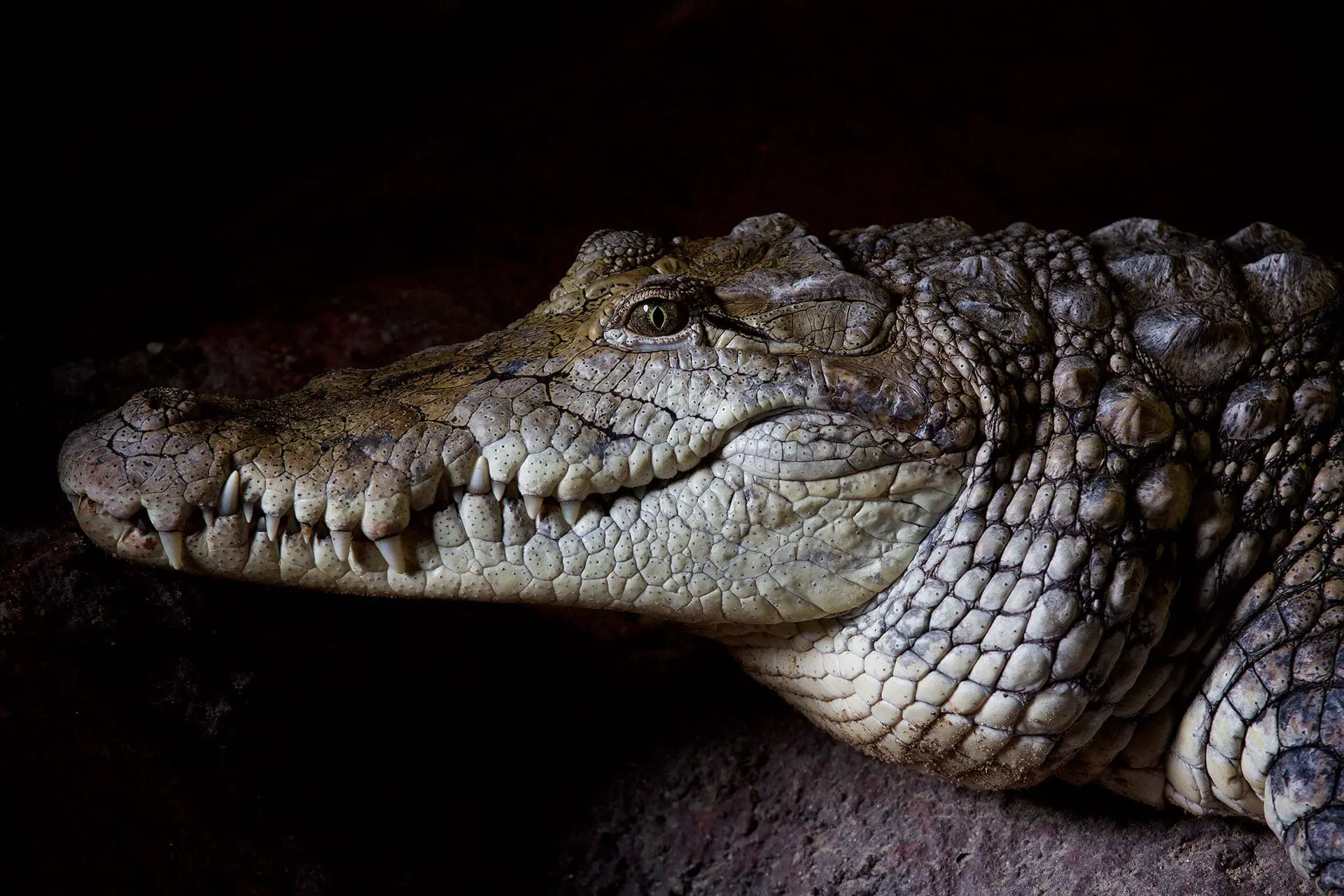
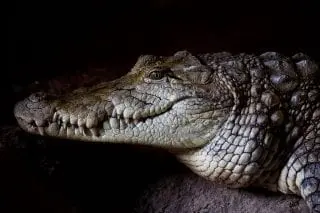
West African crocodiles are reptiles with long scaly bodies, short limbs and long tails
Species
Reptiles
Habitat
Forest
Diet
Carnivores
Conservation Status
Still to be evaluated
West African crocodile
Crocodylus suchus
Irish Name: Crogall Iar-Afracach
IUCN Status: Not Evaluated
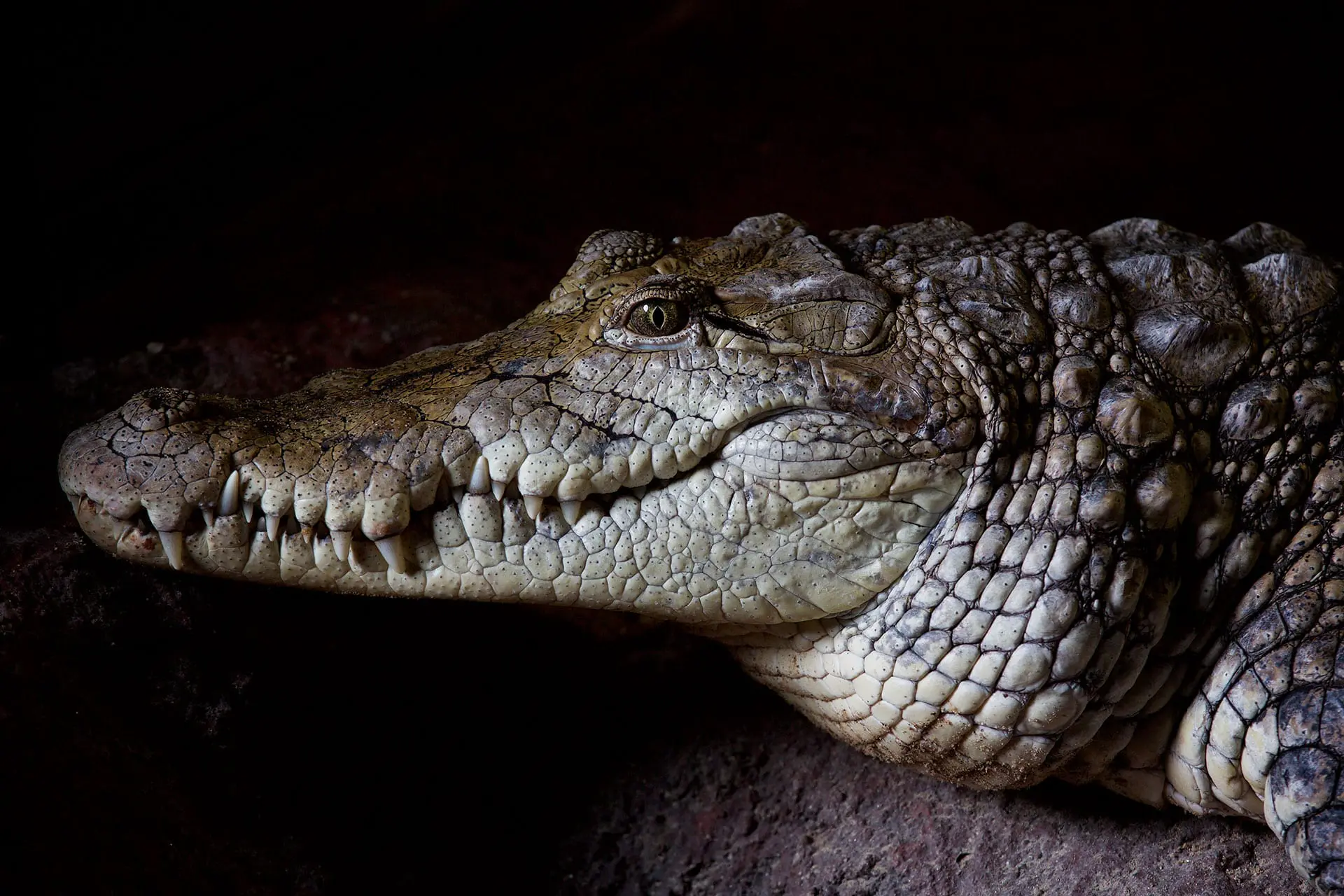
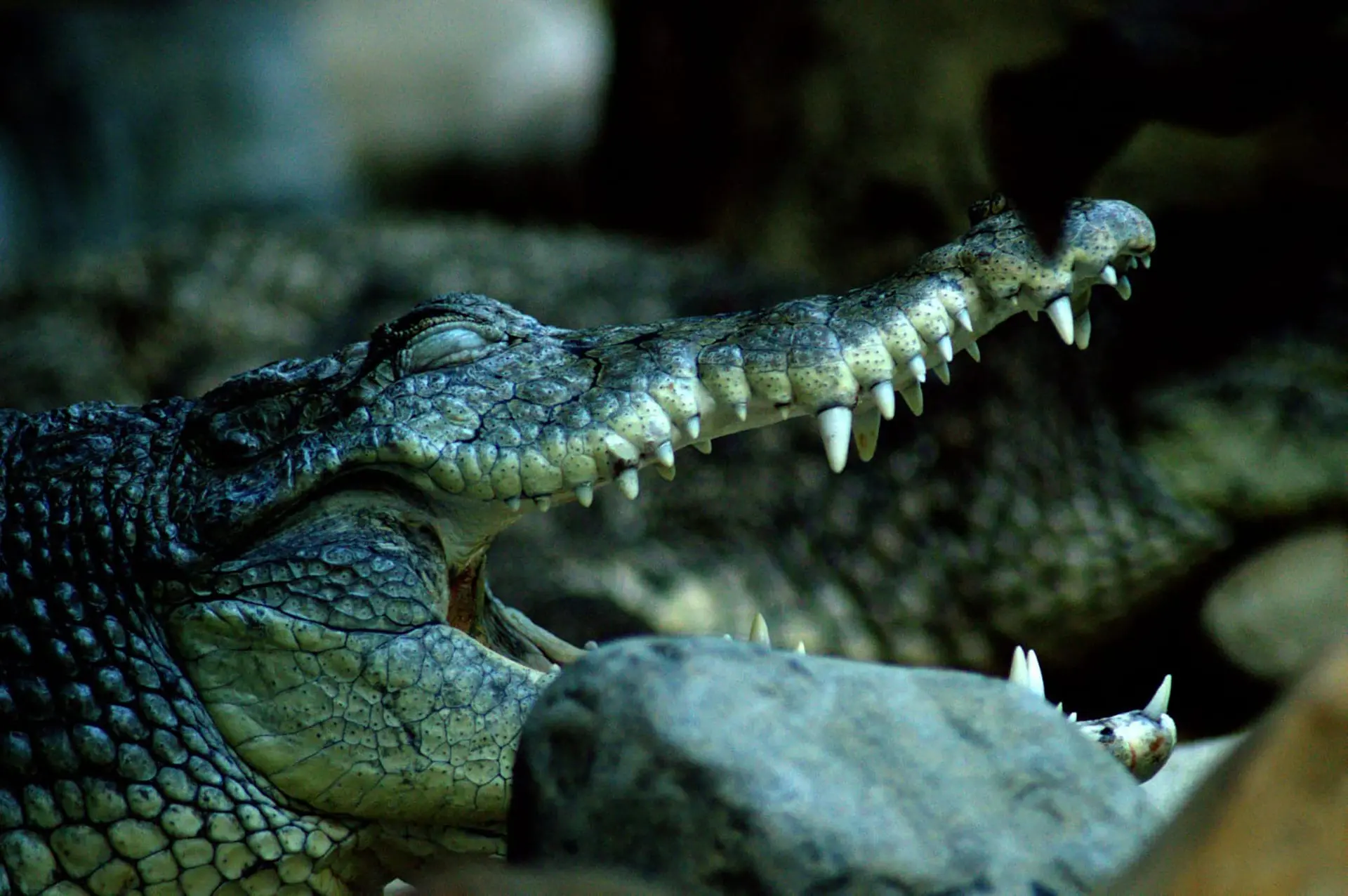
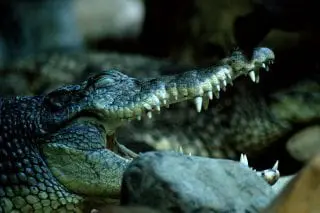
West African crocodiles are reptiles with long scaly bodies, short limbs and long muscular tails that help them push through the water. Their eyes, ears and nostrils are located on the top of their head which as an apex predator (at the top of the food chain), help them greatly when hunting for prey.
General Information
Zoo location
Zoorassic World
Animal class
Crocodilia
Animal order
Reptilia
Where do they live (Natural habitat)?
West African crocodiles are found in west and central Africa, where they live in lagoons and wetlands in forested regions. Occasionally, they live in isolated pools in drier desert habitats, where they survive the arid desert environment by staying in caves or burrows.
How long do they live?
West African crocodiles usually live for about 45 years.
What do they eat?
West African crocodiles are carnivores (meat-eaters). They eat fish, reptiles, birds and a range of mammals.
Group name
They are known as a bask when on land and a float while in water.
Closest related species / sister species
West African crocodiles are related to other species of African and New World crocodiles such as the Nile crocodile and the Cuban crocodile. It is often confused with the Nile crocodile and was once thought to be the same species.
Fun Facts!
The West African crocodile
Family life
Baby name
Hatchling
Gestation (pregnancy) period
60-100 days
Number of young at birth
40-60 eggs per year
Weight at birth
40-70 g
Age at maturity
Around 10 years of age
Adult size
1.5m – 2.5 m long
Conservation
Not Evaluated
Until the 2010s, the West African crocodile was regarded as being the same species as the Nile crocodile. Since being recognised as a separate species, there has not yet been a census for the West African crocodile, so its IUCN status is unknown.
Threats
The main threats to the West African crocodile are habitat loss and hunting by humans for the bushmeat trade and for their skin.
Frequently Asked Questions
West African crocodiles are found in west and central Africa, where they live in lagoons and wetlands in forested regions. Occasionally, they live in isolated pools in drier desert habitats, where they survive the arid desert environment by staying in caves or burrows.
West African crocodiles are carnivores (meat-eaters). They eat fish, reptiles, birds and a range of mammals.
Until the 2010s, the West African crocodile was regarded as being the same species as the Nile crocodile. Since being recognised as a separate species, there has not yet been a census for the West African crocodile, so its conservation status is unknown. However, it faces conservation threats including habitat loss and hunting by humans for the bush meat trade and for its skin.
They are 1.5 – 2.5 m in length.
The taxonomy of the Nile crocodile has long been the subject of debate. In the early 2010s, new research proved that the Nile crocodile is in fact two very different species: a bigger, more aggressive crocodile and a smaller, tamer species, the West African crocodile. In fact the larger Nile crocodile is more closely related to Caribbean crocodiles than it is to the West African crocodile.