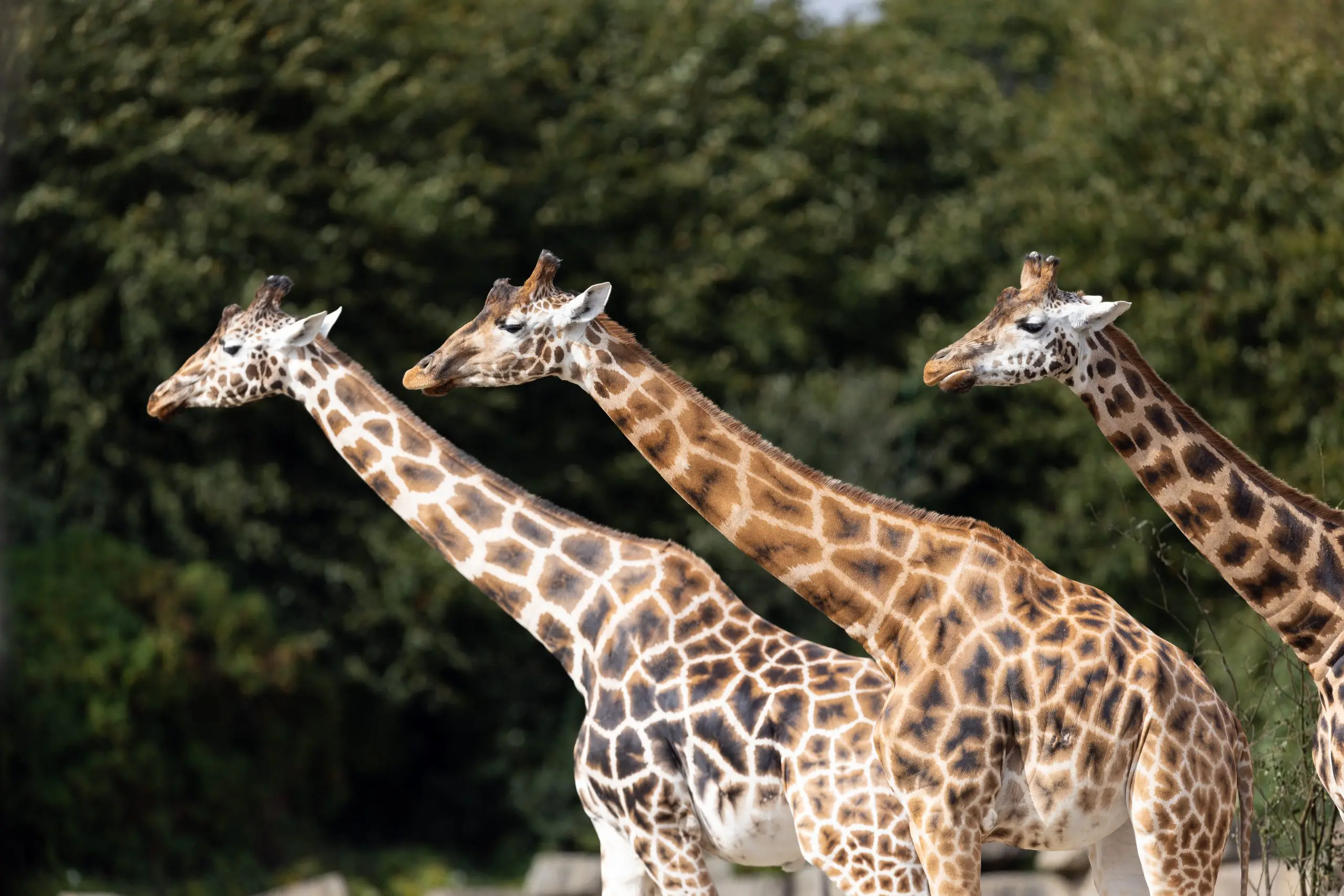
Nubian giraffe
Giraffes are the tallest mammal in the world, reaching a height of over five metres
Species
Mammals
Habitat
Savannah
Diet
Herbivores
Conservation Status
Vulnerable
Nubian giraffe
Giraffa camelopardalis camelopardalis
Irish Name: Sioráf Núibiach
IUCN Status: Vulnerable
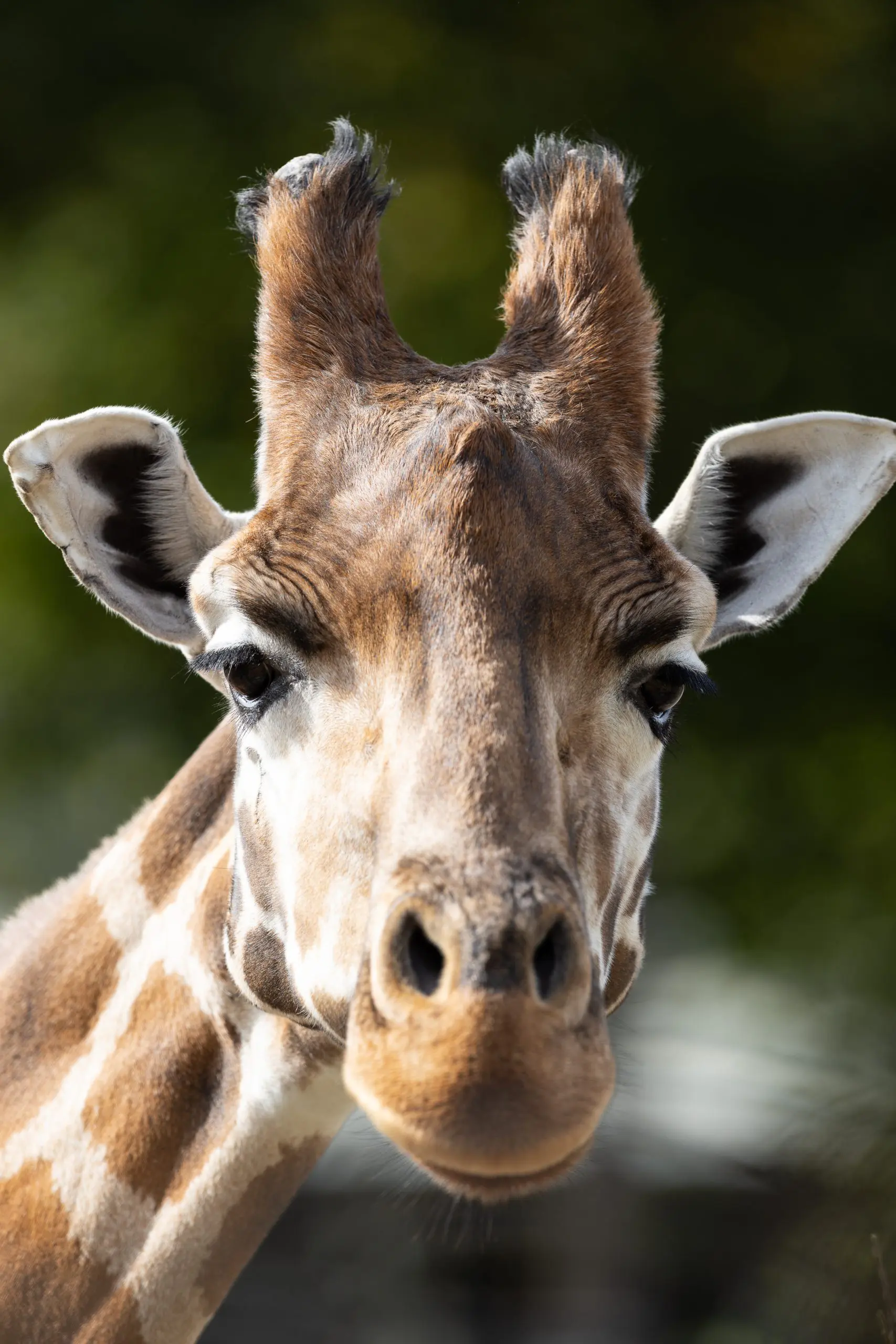
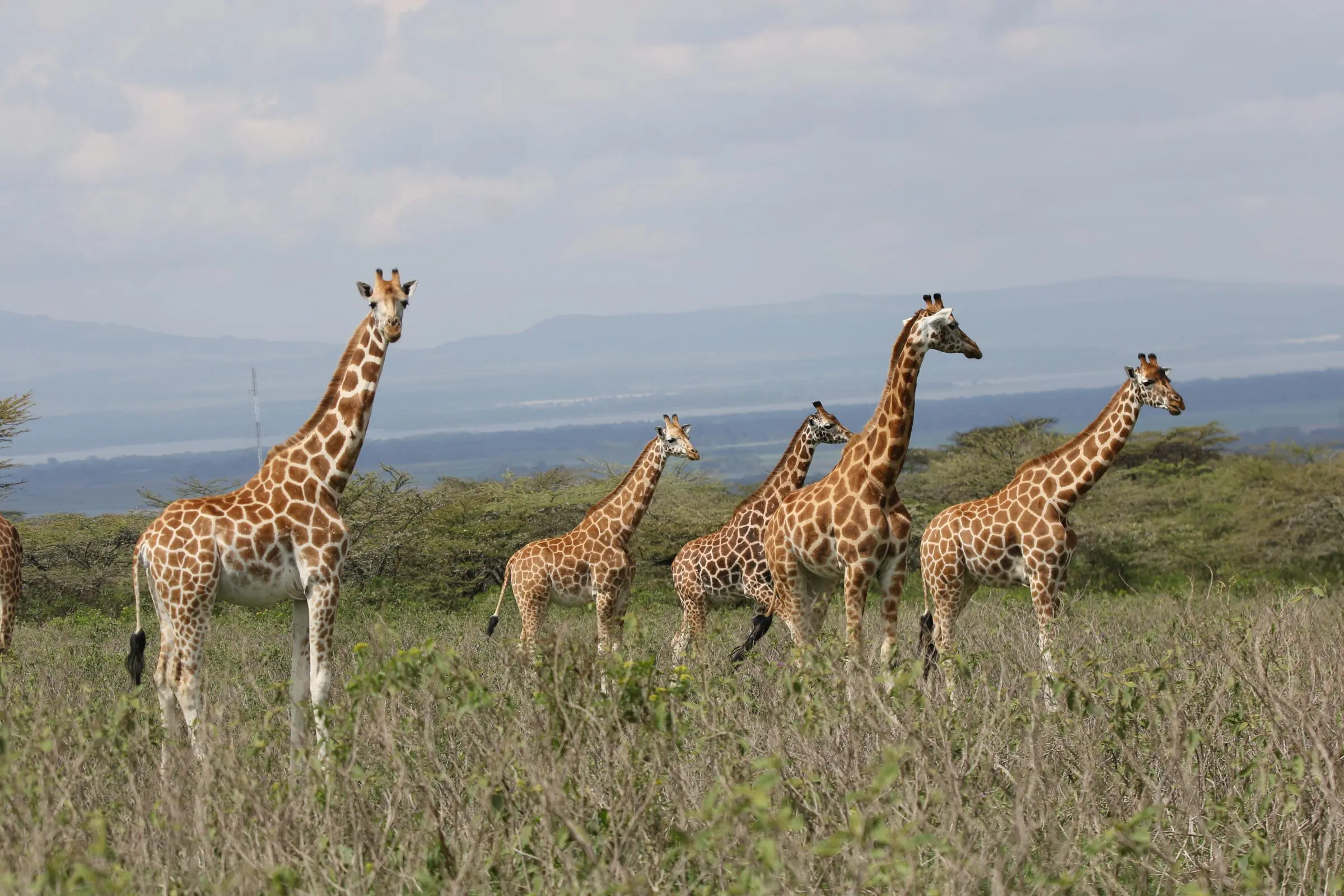
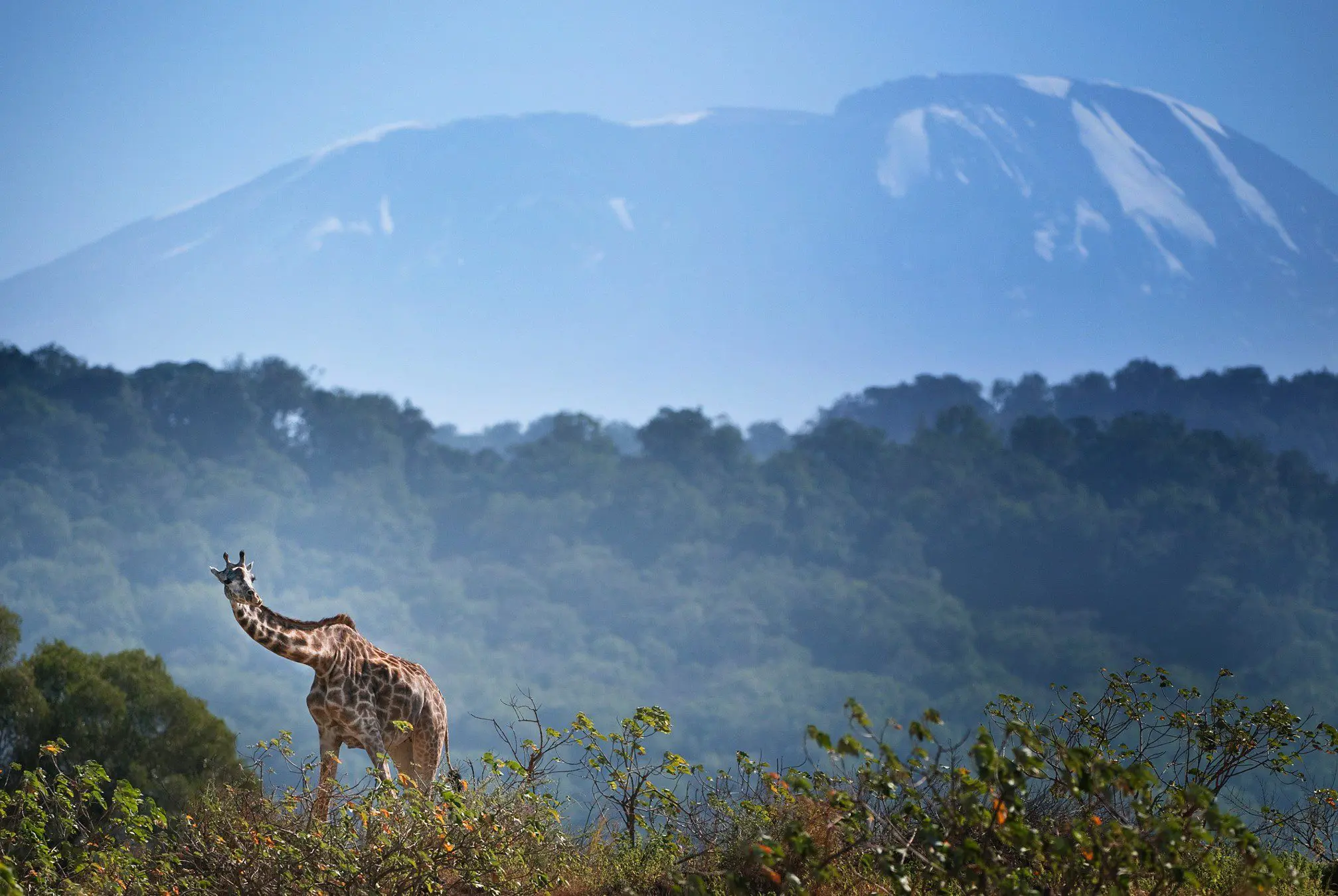
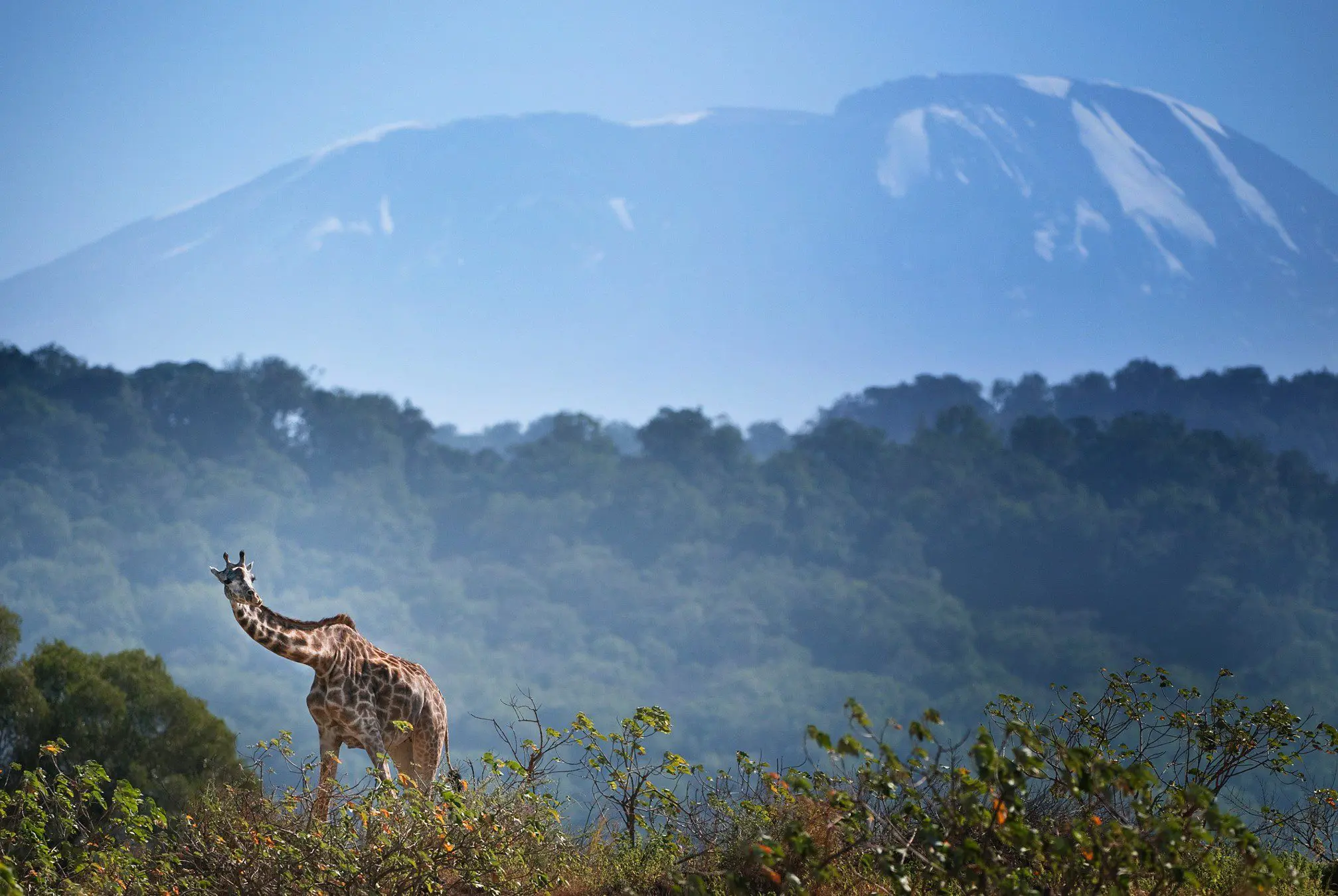
Giraffes are the tallest mammal in the world, reaching a height of over five metres. They have a very long neck, long legs, and horn-like features called ossicones on their heads.
There is one species of giraffe and there are nine subspecies that are currently recognised. One of these subspecies, the Nubian giraffe, makes up half of the herd at Dublin Zoo. New research proposes that there are four species and five subspecies, but this has not yet been universally accepted.
General Information
Zoo location
African Plains
Animal class
Mammalia
Animal order
Cetartiodactlya
Where do they live (Natural habitat)?
Giraffes are found in savannahs, forests and deserts across southern, eastern, western and central Africa.
How long do they live?
Approximately 25 years in the wild, and longer in zoos.
What do they eat?
Giraffes mostly eat leaves and buds from trees and shrubs, particularly from the Acacia tree. They use their long prehensile (capable of grabbing) tongues to strip leaves from branches.
Group name
Herd/tower
Closest related species / sister species
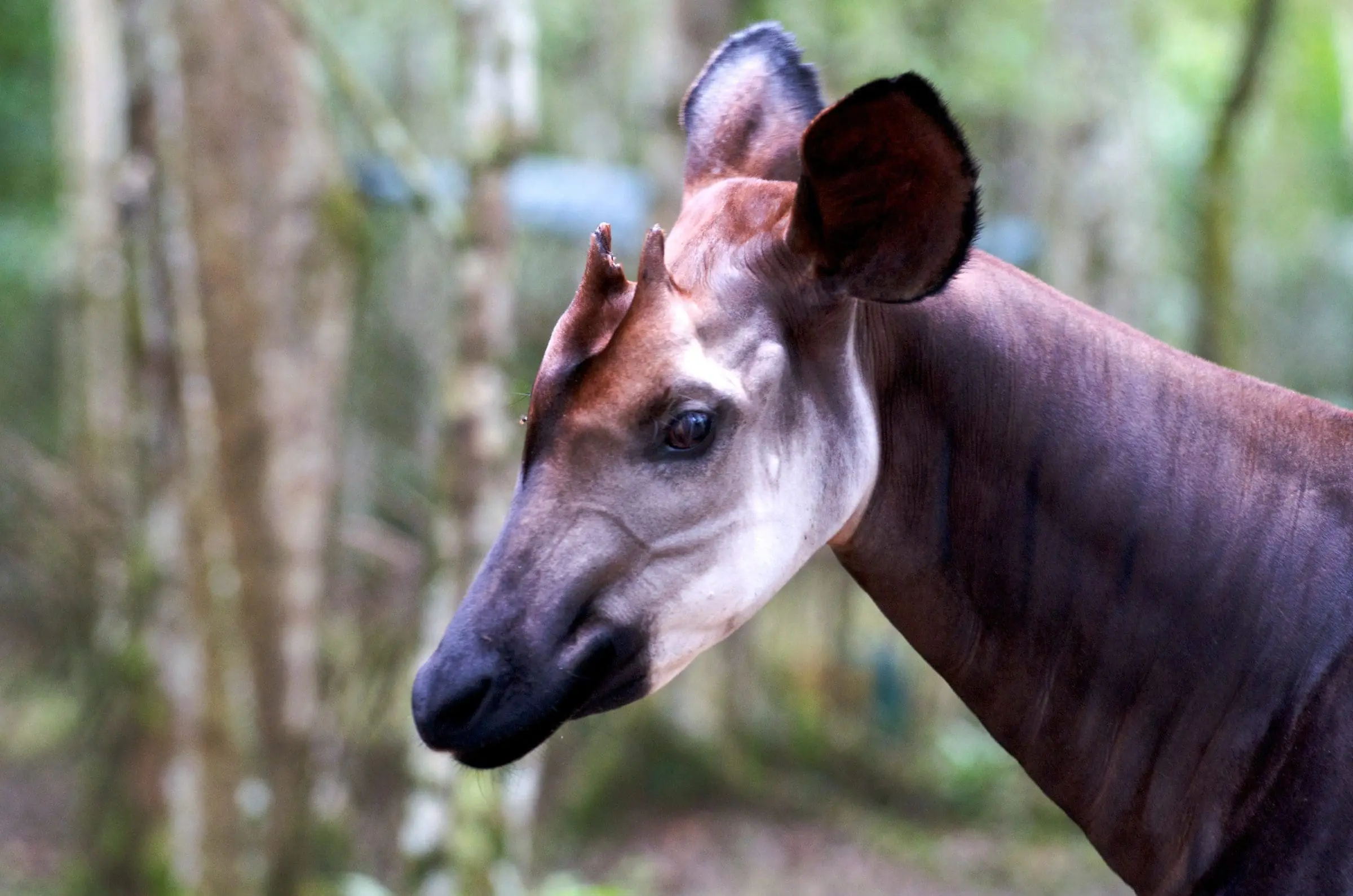
The only close relative of the giraffe is the okapi, also found at Dublin Zoo.
Fun Facts!
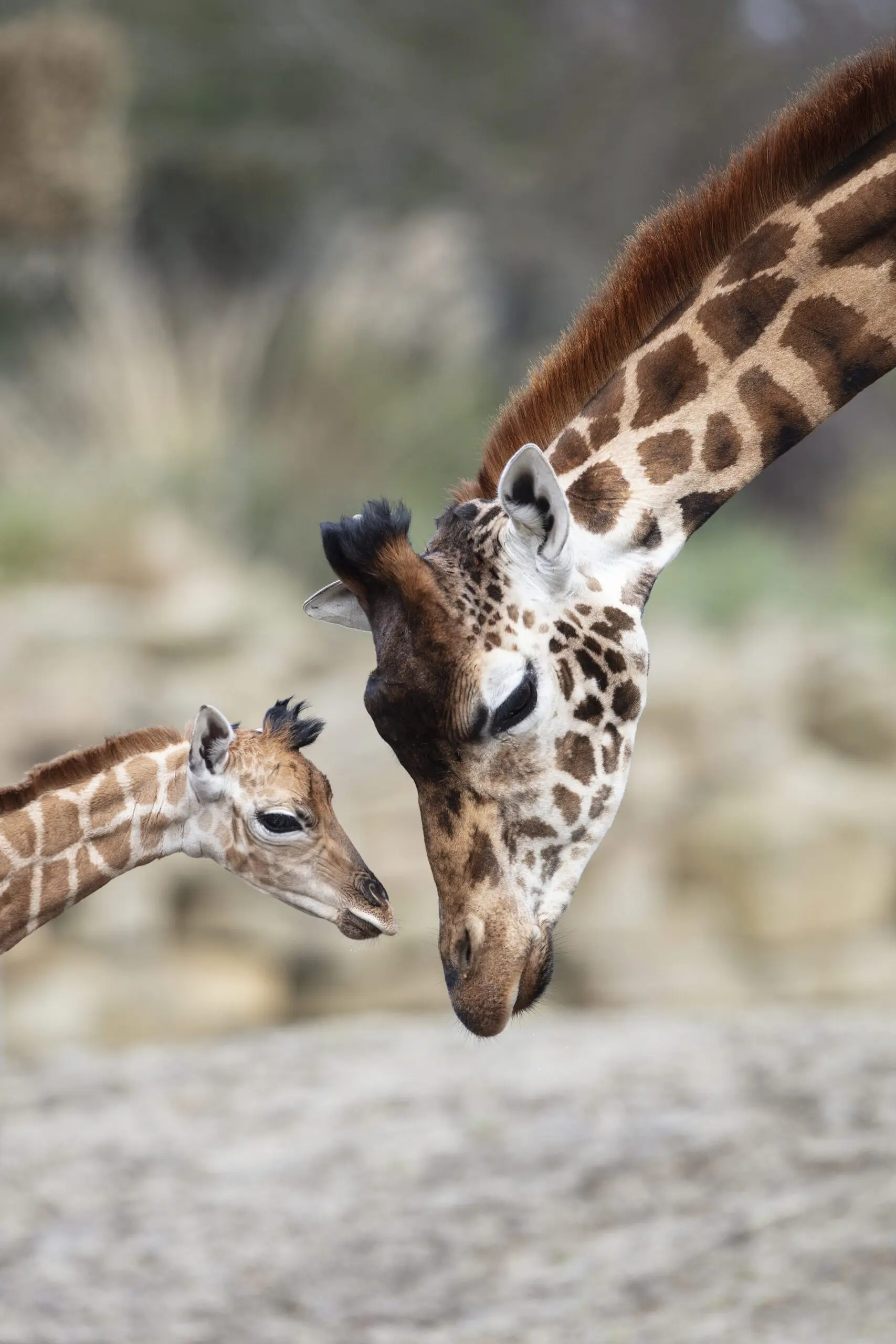
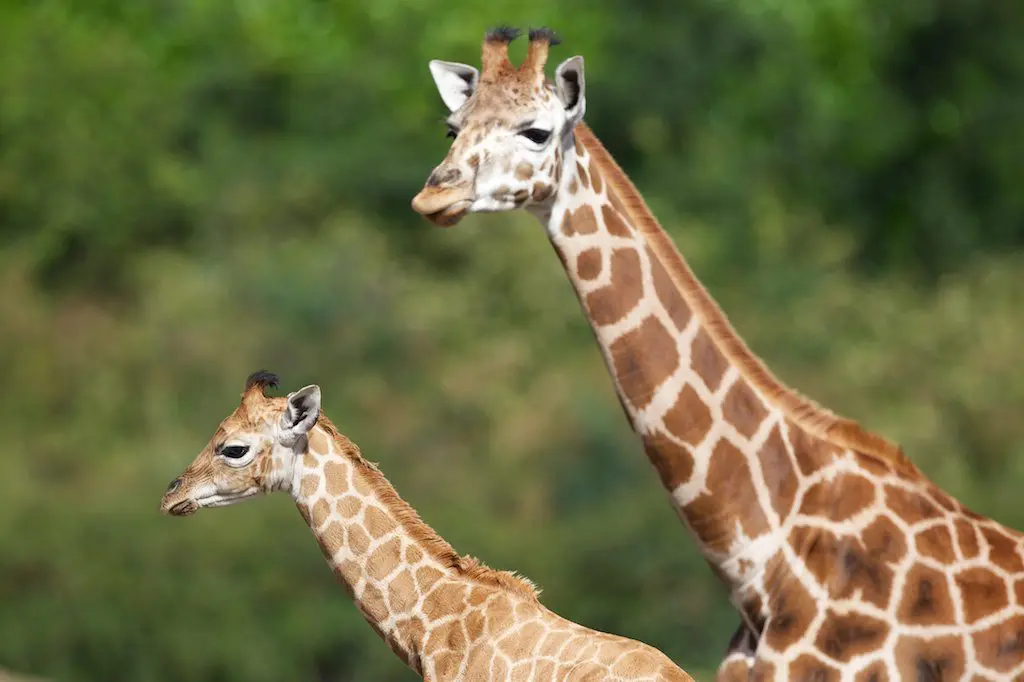
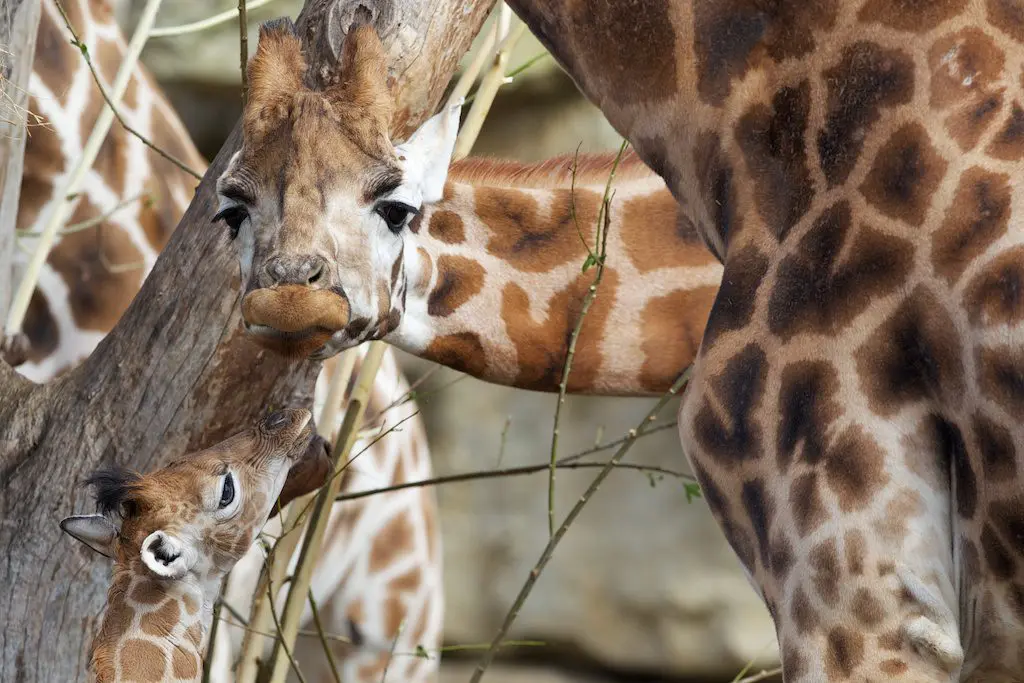
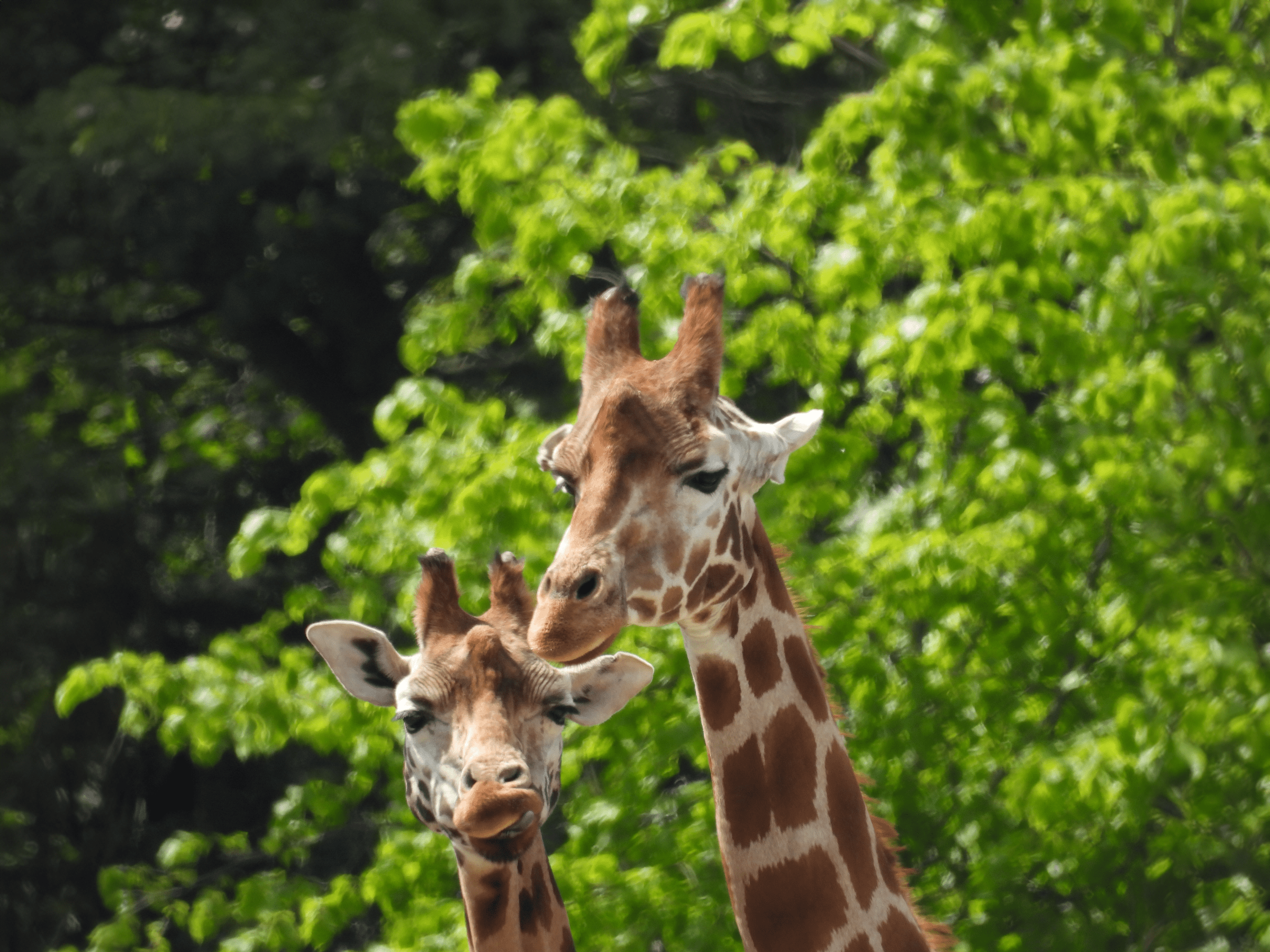
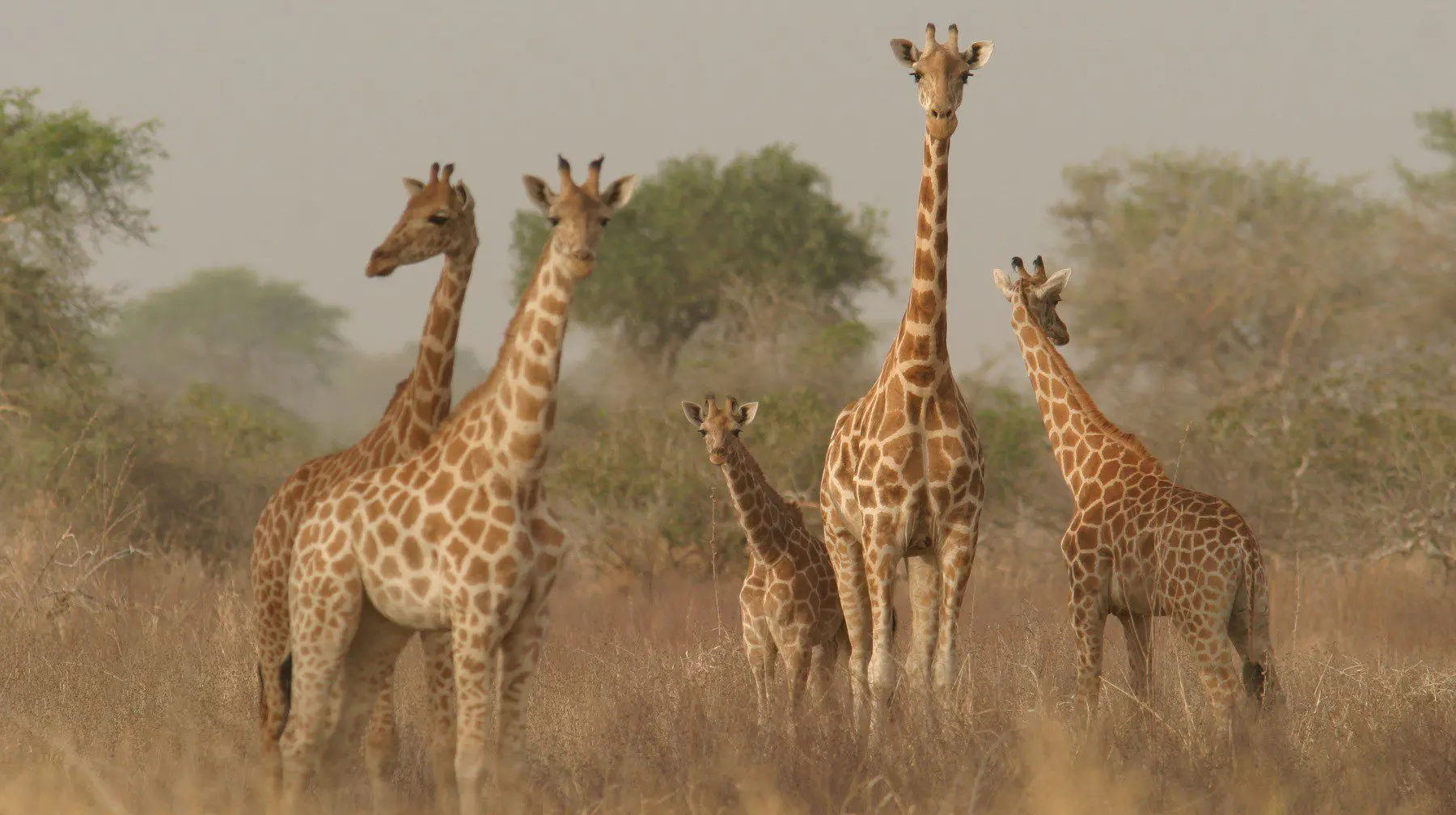
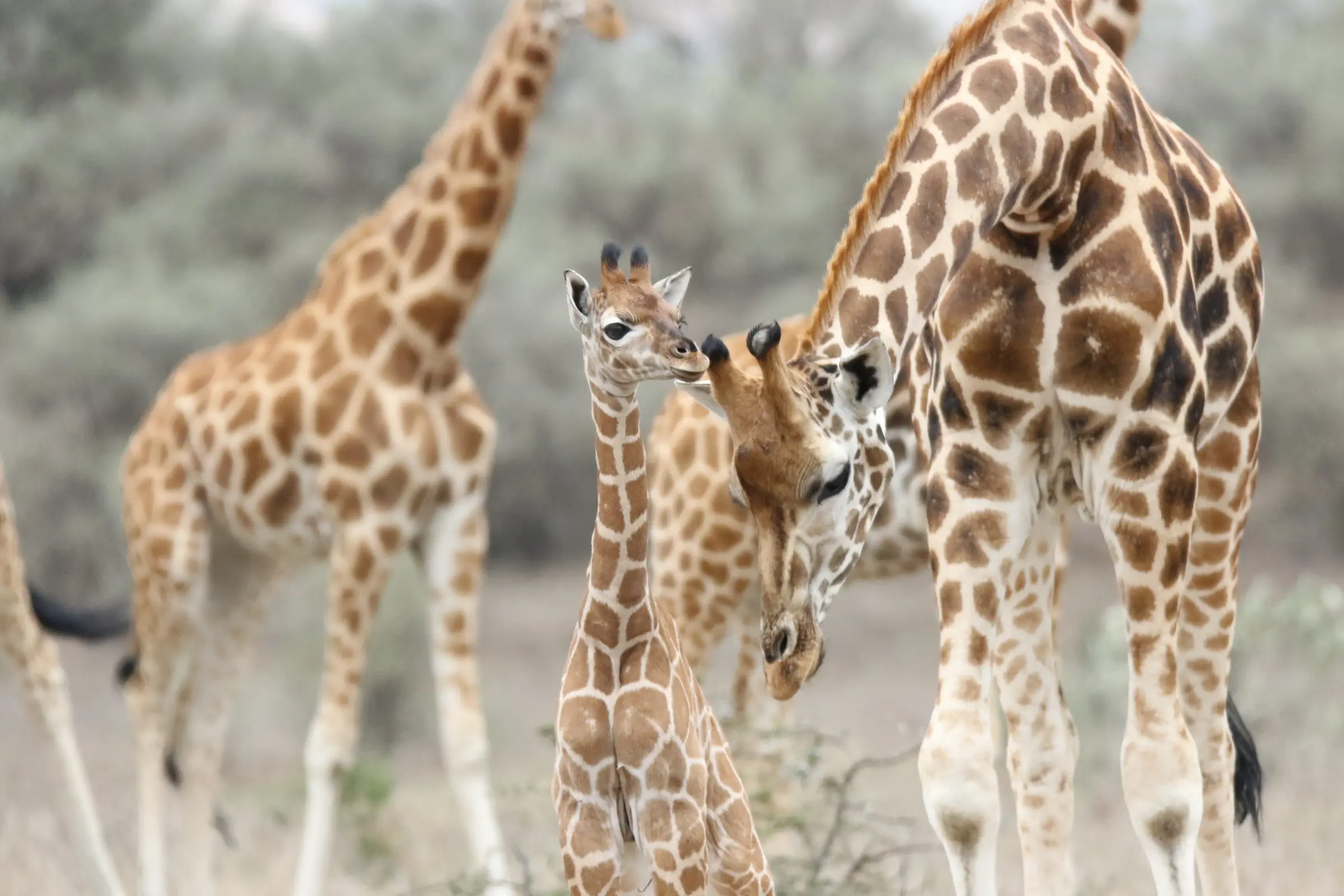
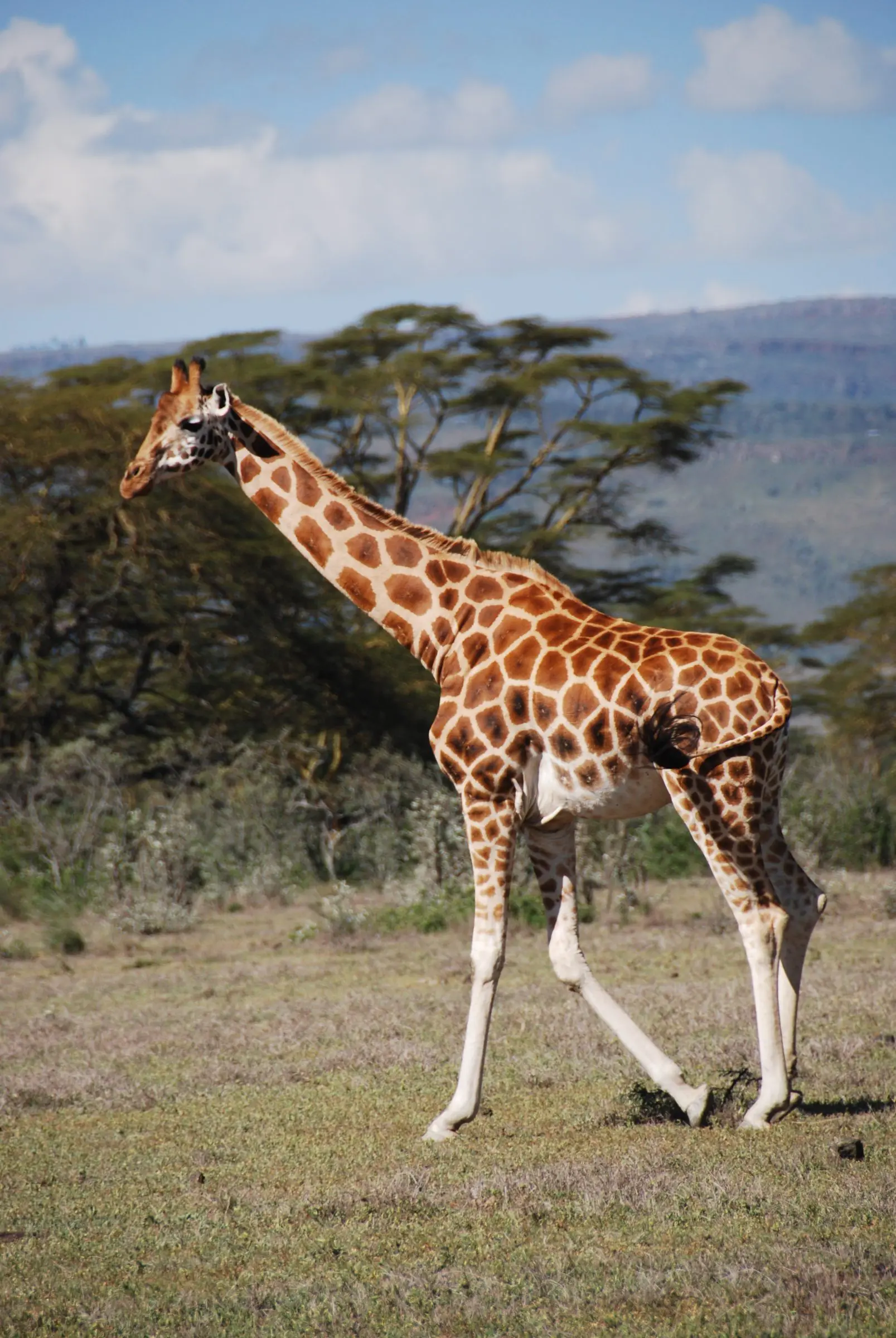
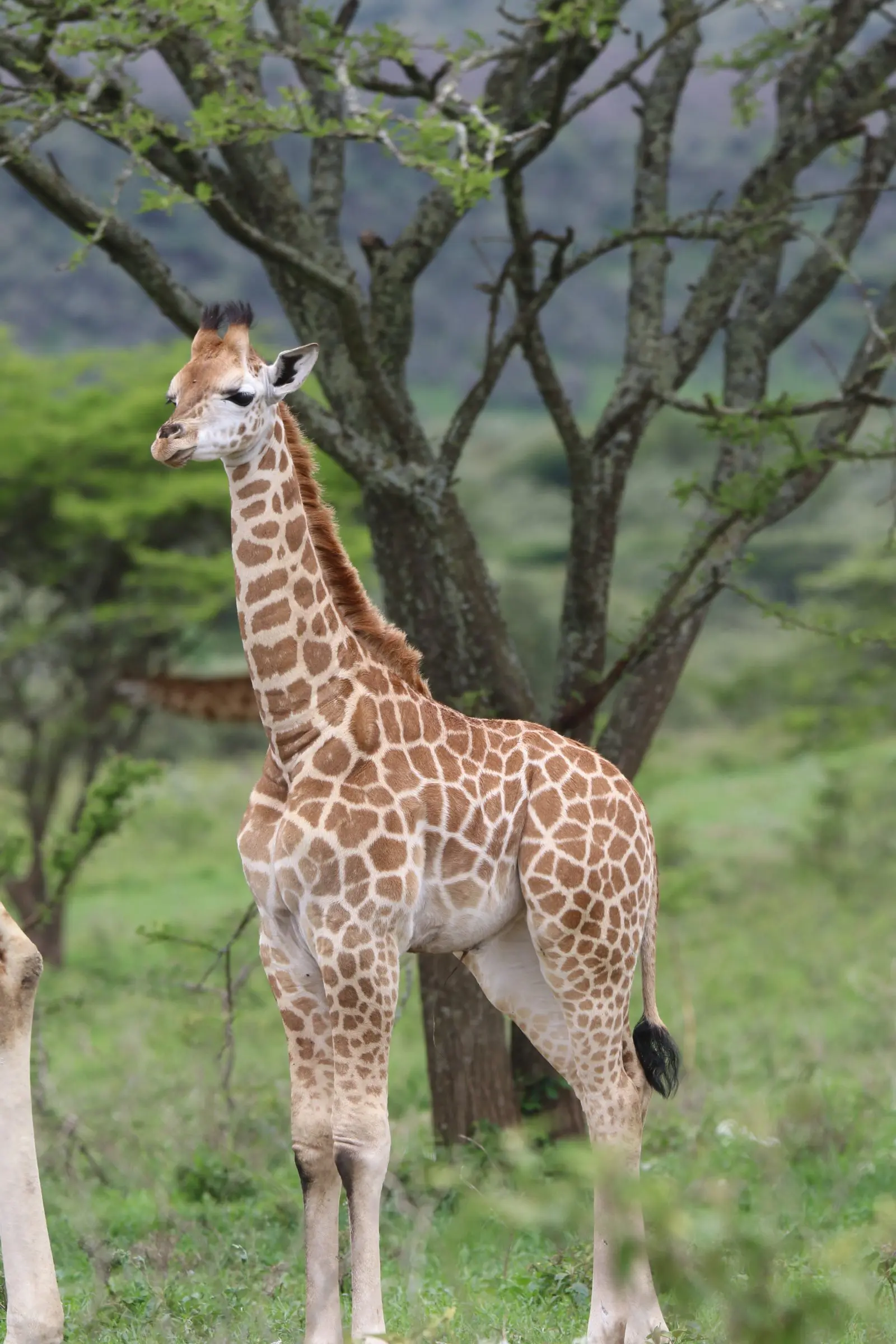
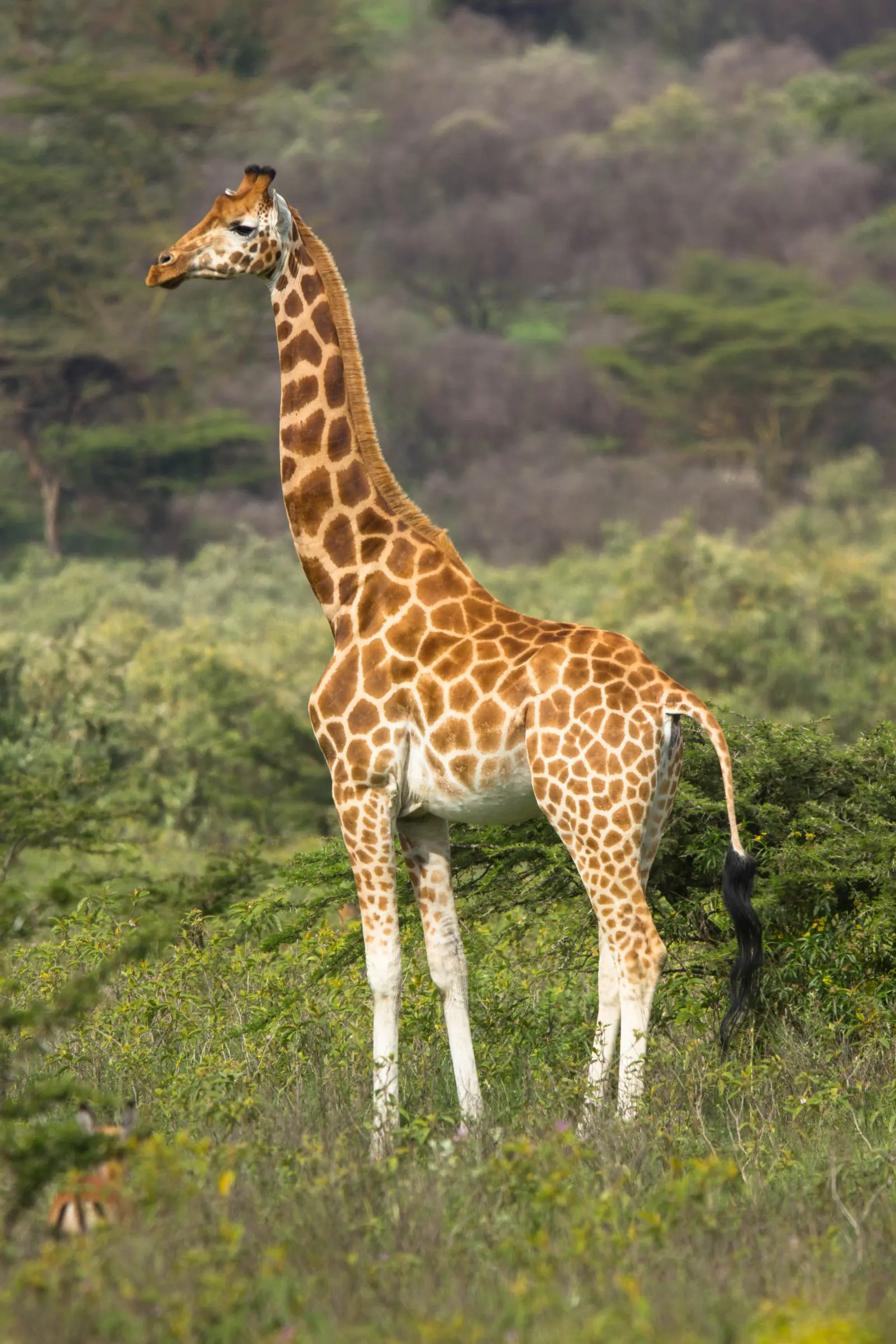
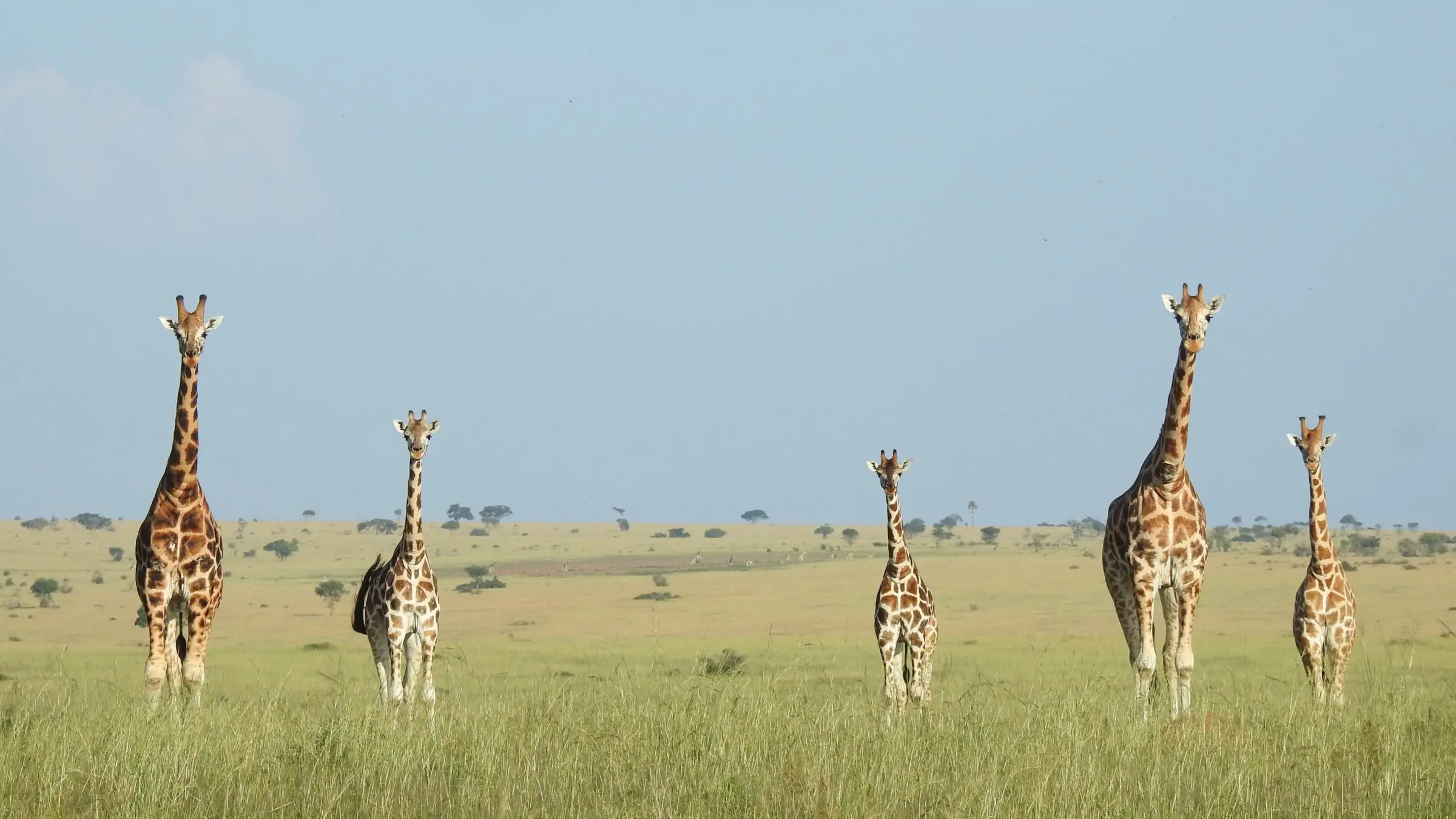
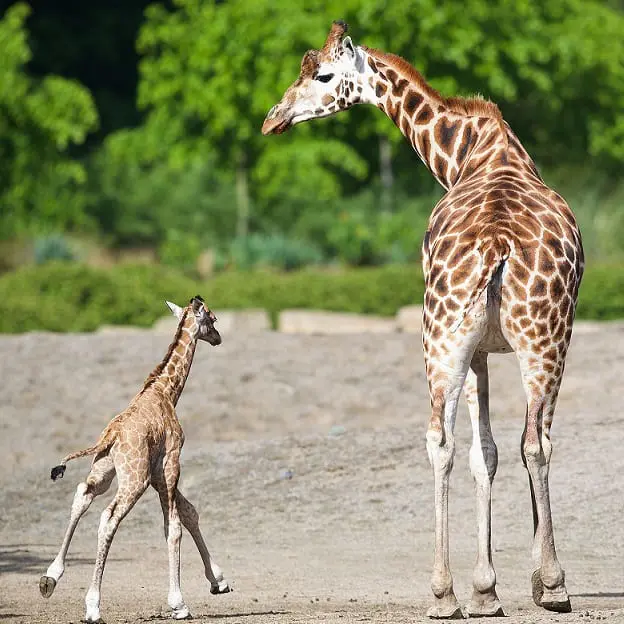
Giraffe calves at Dublin Zoo
The Nubian giraffe
Family life
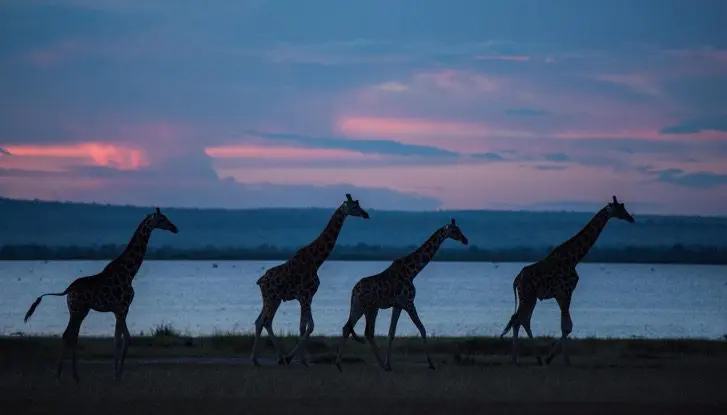
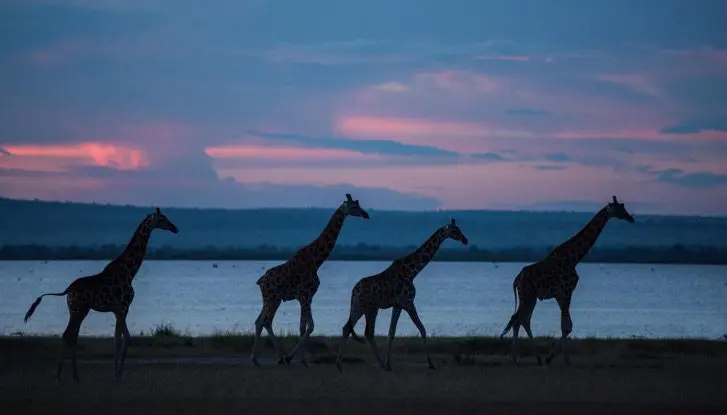
Giraffes are social animals and live in herds of 10 to 20 individuals. They are not territorial. Giraffe herds are made up of females, their young, and some males – though some males prefer to live alone or in bachelor groups. Giraffe calves are born while their mothers are standing up so have a drop of about 1.5 metres when entering the world!
Baby name
Calf
Gestation (pregnancy) period
Approximately 15 months
Number of young at birth
Usually one
Weight at birth
Around 100 kg
Age at maturity
Females are sexually mature at around 4 years old and males around 6-7 years old.
Size male adult
Up to 5.3 m tall and approximately 1,200 kg
Size female adult
Up to 4.3 m and approximately 830 kg
Adult male name
Bull
Adult female name
Cow
Conservation
Vulnerable
Giraffes are classified as Vulnerable by the International Union for Conservation of Nature
Current population estimate
Less than 100,000 individuals
Threats
Habitat loss due to increased agriculture and logging, poaching for their hide and getting killed by farmers when they eat or damage their crops.
What is Dublin Zoo doing?
In 2019, Dublin Zoo began providing support for the Nubian Giraffe Conservation Working Group via the Giraffe Conservation Foundation. The funding from Dublin Zoo is providing financial support for this group to implement a conservation strategy that includes investigating the current population and genetic viability of Nubian giraffes, in addition to identifying new areas in Kenya for Nubian giraffes to live.
Dublin Zoo is also part of the European breeding programme for Nubian giraffes.
Frequently Asked Questions
Males are around 5.3 m tall, while females are around 4.3 m.
A giraffe’s gestation is around 15 months.
Giraffes were classed as Vulnerable by the IUCN, which means they are not technically endangered. However, giraffes face many threats in the wild and their population numbers are decreasing. Some giraffe subspecies are endangered or critically endangered.
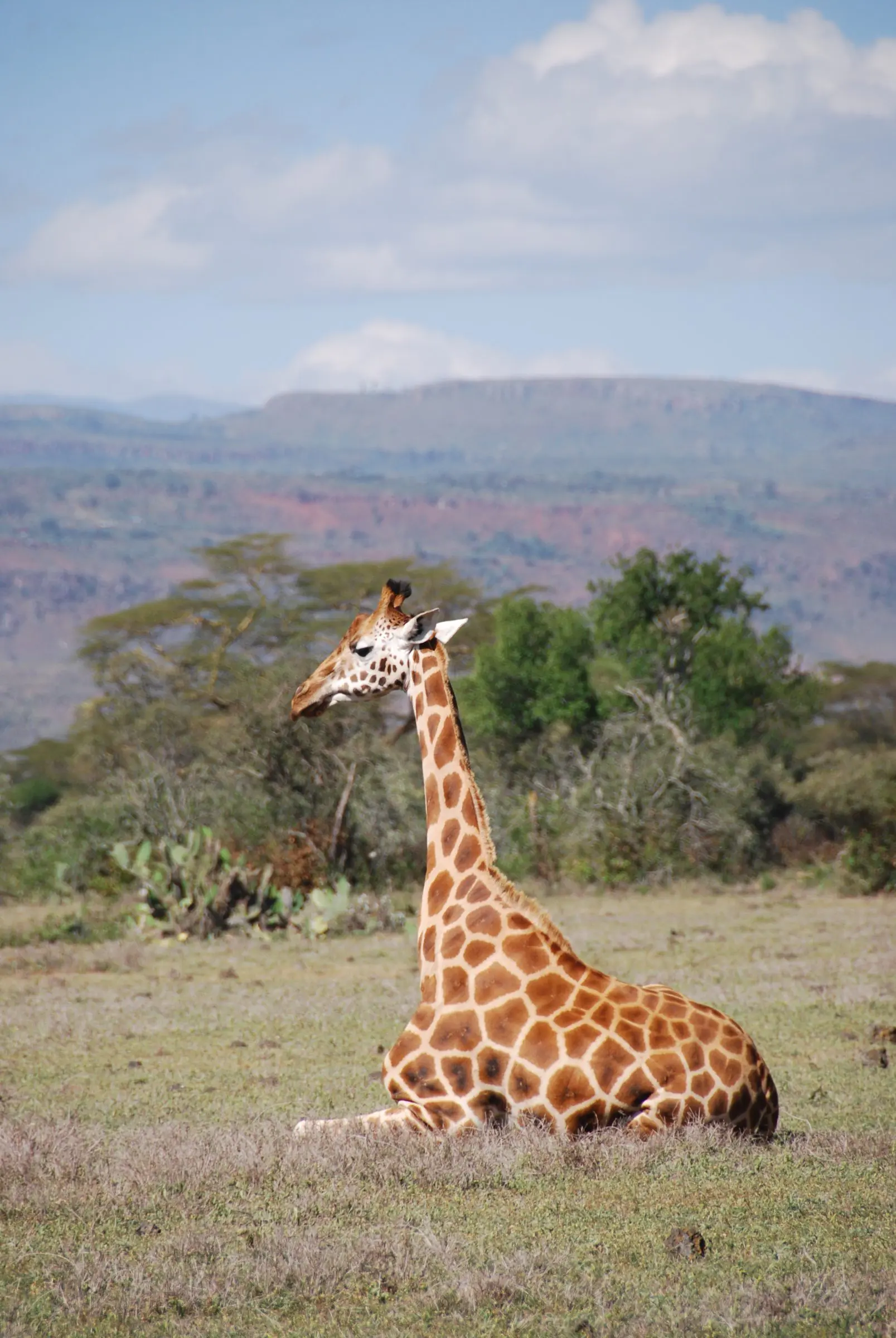
Giraffes sleep only a few hours every day, and generally only for short periods at a time. While they can be seen lying down to sleep, they can also rest or go into a kind of half-sleep while standing up.
Approximately 25 years in the wild, and longer in zoos.
Giraffes mostly eat leaves and buds from trees and shrubs, particularly from the Acacia tree.
A calf.
Giraffes are found in savannahs, forests and deserts across southern, eastern, western and central Africa.
Males can weigh 1,200 kg and females around 830 kg
A giraffe’s tongue is a dark purple colour – it is believed to be this dark colour prevents the tongue from getting sunburned while it is exposed to the sun as giraffes eat.
Giraffes do not mate for life.
Around 1.8 m tall at birth.
Herd/tower